Elk Hunting 101: A Beginner's Guide
Calling, terrain, and the physical demands of a first elk season in the high country.
Published August 19, 2026
Why Elk Hunting Is a Different Kind of Challenge
Elk hunting demands something most beginners underestimate going in: genuine physical fitness, combined with covering real ground in steep, high-elevation terrain, often for days before an opportunity even presents itself. It's less like a stand-hunting deer season and more like a backpacking trip with a hunting objective layered on top. Understanding that going in — rather than discovering it exhausted on day one — is what separates beginners who enjoy their first elk season from those who find it miserable. This guide covers the terrain, physical, and calling fundamentals specific to a first elk hunt.
1. The Physical Reality of Elk Hunting
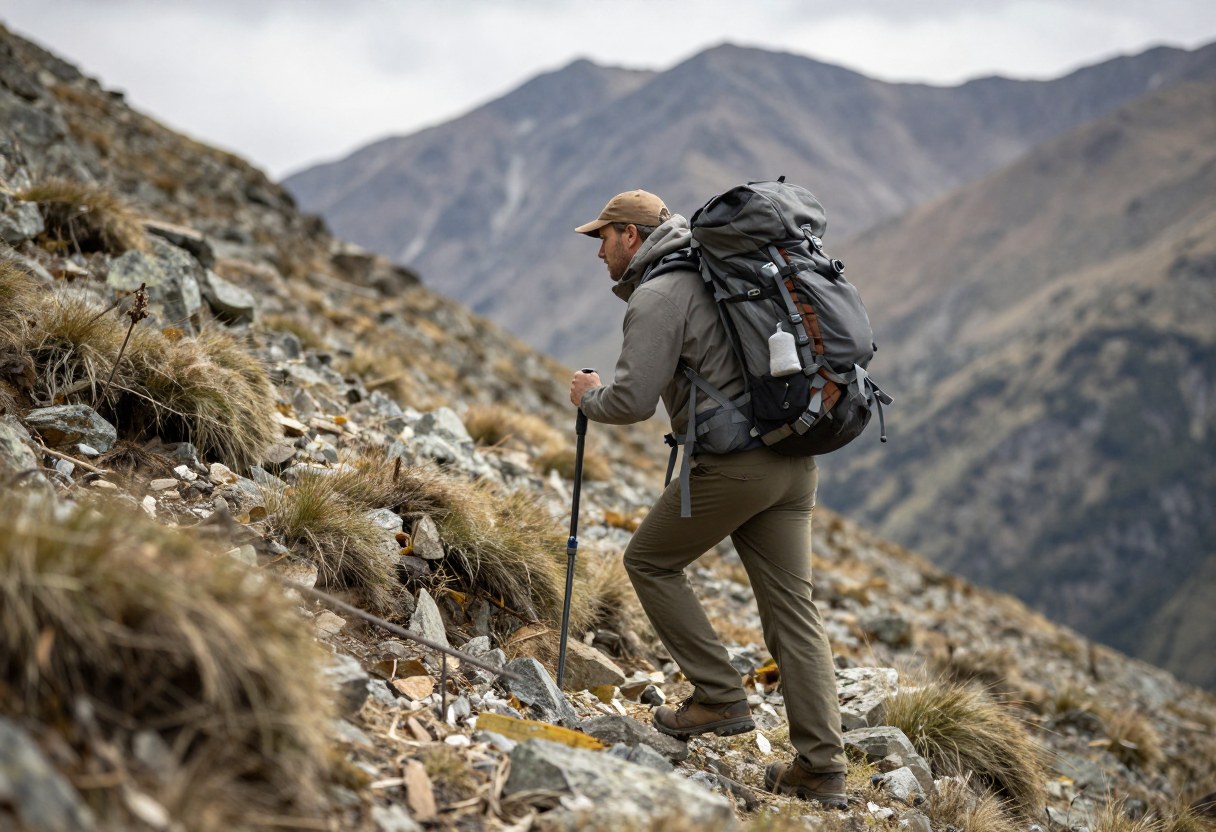
- Elk live in big, steep, high-elevation country, and hunting them effectively often means covering several miles a day over difficult terrain, sometimes at elevations well above where most hunters live and are acclimated.
- Physical conditioning genuinely matters — a beginner who arrives unprepared for sustained uphill hiking with a pack, day after day, will find their hunting effectiveness (and enjoyment) meaningfully limited compared to one who trained beforehand.
- Start a fitness program well before season, focused on hiking with a weighted pack, sustained cardio, and leg strength — general fitness helps, but training that specifically mimics the demands of elk hunting (uphill hiking under load) transfers best.
- Altitude acclimation is a real factor for hunters traveling from lower elevations to hunt elk country — arriving a few days early when possible, staying hydrated, and pacing yourself more conservatively in the first days can meaningfully reduce altitude-related fatigue and illness risk.
Don't Skip This: Underestimating the physical demands of elk hunting is one of the most common reasons beginners have a miserable first season, unrelated to actual hunting skill or luck. Physical preparation specifically for sustained uphill hiking under a pack load, started well before season, is genuinely one of the highest-value things you can do to set up a good first elk hunt.
2. Understanding Elk Behavior and Terrain Use
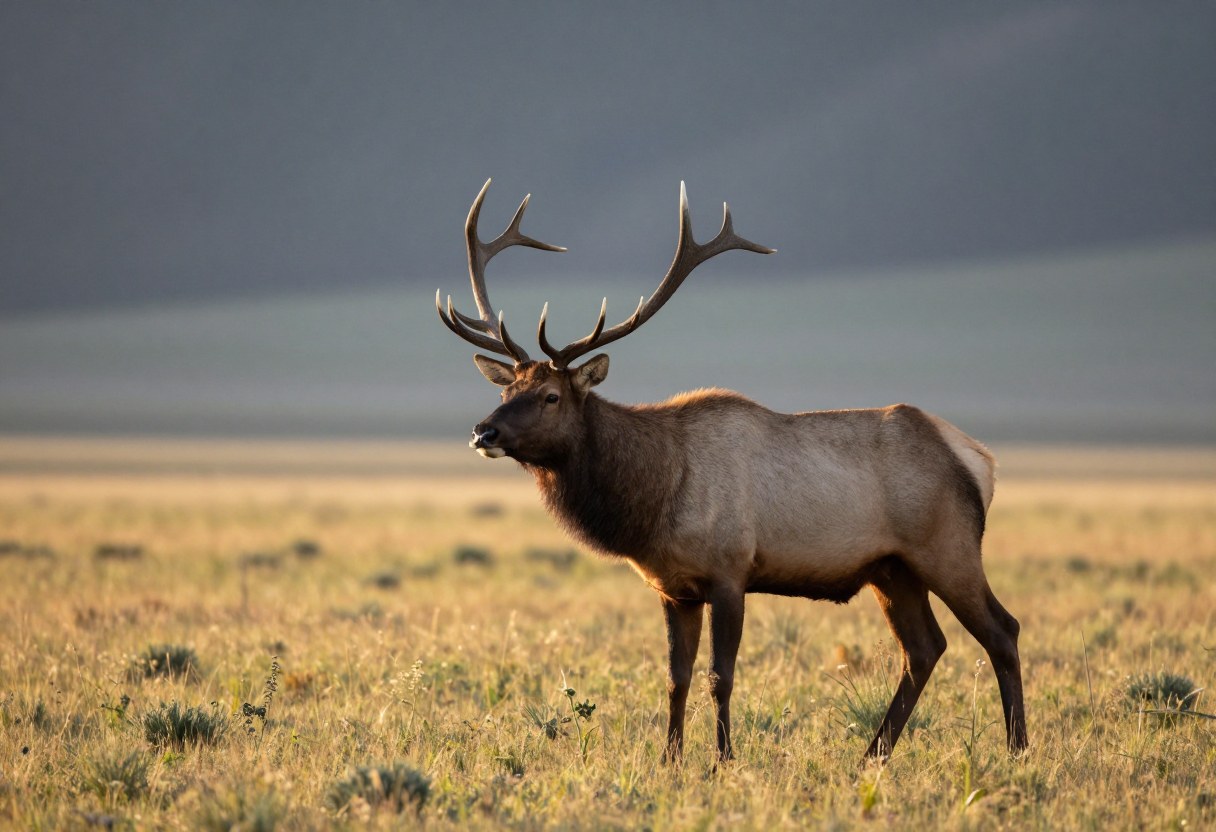
- Elk generally move between higher-elevation feeding/bedding areas and lower areas based on time of day, season, and weather — understanding this general pattern helps focus effort rather than covering ground randomly.
- Elk favor a mix of cover and open feeding areas, often bedding in timber during the day and feeding in open meadows or clearings during low-light hours (dawn/dusk).
- Water and food availability shift elk distribution seasonally — in drier conditions or areas, elk concentrate more predictably around reliable water sources.
- Wind and thermals matter enormously, similar to other big game — elk have an excellent sense of smell, and hunting with the wind in your favor (scent moving away from where you expect elk to be) is a fundamental, non-negotiable part of an effective approach.
3. The Rut and Calling Basics
- The elk rut (breeding season), typically occurring in September in much of elk range, is when bull elk are most vocally active and most responsive to calling — this is why many hunters specifically target rut-season hunts for a first elk attempt, since calling becomes a genuinely usable tactic.
- Bugling (a bull's loud, distinctive rut vocalization) is used by hunters both to locate bulls (listening for natural bugles) and to call bulls in (imitating a bugle to provoke a response or draw a bull closer, simulating a rival).
- Cow calls (imitating a cow elk's vocalizations) can be effective for drawing in a bull without the more aggressive, sometimes intimidating challenge implied by a bugle — a genuinely useful, somewhat less advanced calling option for beginners.
- Calling requires real practice and, ideally, mentorship or quality instructional resources before season — a beginner attempting to bugle for the first time in the field, without practice, risks sounding unnatural in a way that can do more harm than good, similar to turkey calling.
- Outside the rut, calling is far less effective, and hunting strategy shifts toward more traditional spot-and-stalk or ambush tactics near feeding/bedding/water pattern locations.
4. Spot-and-Stalk Fundamentals
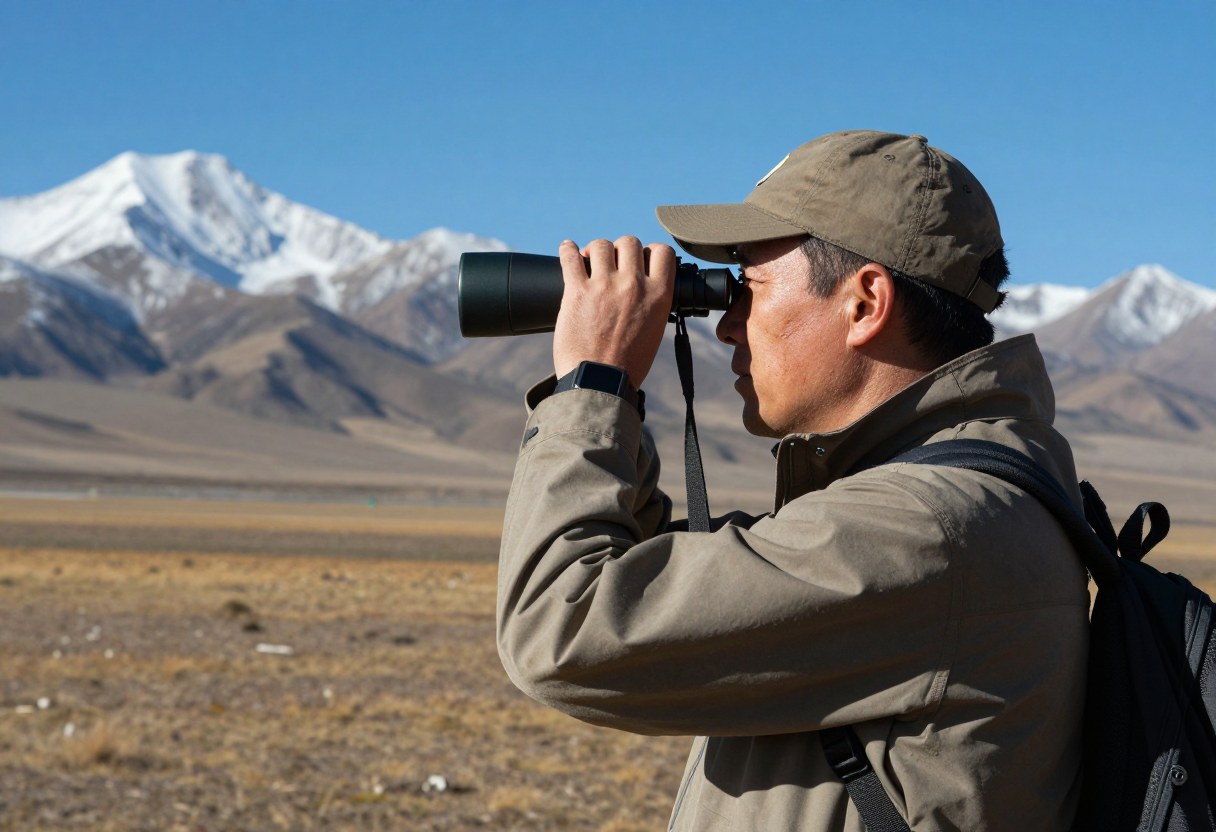
- Glass extensively before committing to a stalk — using quality binoculars to locate elk from a distance before moving in, rather than covering ground randomly hoping to encounter elk at close range, is a far more effective and less exhausting overall strategy.
- Plan a stalk route using terrain and wind — using ridgelines, timber, and terrain features to stay concealed while approaching, and continuously monitoring wind direction throughout the stalk, not just at the start.
- Move slowly and deliberately during the final approach, since elk (like most big game) are highly sensitive to movement and sound at closer range, and a rushed final approach can undo a well-executed longer stalk.
- Be prepared for a stalk to fail and require restarting — this is a normal, common part of spot-and-stalk hunting, not a sign of a fundamentally flawed approach; elk behavior and wind shifts can force an abandoned stalk even when everything else was done correctly.
5. Gear Considerations Specific to Elk Hunting
- A rifle or bow capable of ethically taking a large animal at your comfortable, practiced shooting distance — elk are considerably larger than deer, and shot placement/caliber or draw weight adequacy matters even more given the animal's size.
- A quality, well-fitted backpack capable of carrying meat if a harvest is successful — packing out elk meat, often in multiple trips, is a genuinely demanding physical task requiring appropriate gear (see a dedicated backpack guide for detail on load-carrying capacity).
- Layering system appropriate for high-elevation, variable mountain weather, which can shift dramatically within a single day at elevation, unlike more predictable lower-elevation conditions.
- Quality, broken-in boots suited to steep, rugged terrain — this is genuinely not the hunt to test brand-new, unbroken-in boots for the first time (see a dedicated hiking boots guide for break-in guidance).
6. The Meat Packout: Plan Before You Need It
- A successful elk harvest, especially in remote or steep terrain, often means multiple trips carrying meat out — this is physically demanding and time-consuming, and should be planned for realistically before the hunt, not figured out after a successful shot.
- Field-dressing and quartering knowledge (or a plan to learn/practice beforehand, ideally with mentorship) is essential — an elk is a large animal, and improper field care can waste meat or create unnecessary additional work.
- Cooling meat quickly matters, especially in early-season warmer temperatures — having a plan for game bags, shade, and efficient transport back to a cooler or processing location is part of a complete hunt plan, not an afterthought.
- A packout plan involving hunting partners or pack animals (where available and used) can meaningfully reduce the physical burden of a solo, multi-trip packout — worth arranging in advance if a realistic option for your specific hunt.
7. A Realistic First-Season Mindset
- Elk hunting has a genuinely lower per-outing success rate than many other hunting types, especially for beginners still learning terrain, calling, and elk behavior — this is normal, not a sign of doing something fundamentally wrong.
- Scouting before season (locating water, feeding areas, and general elk sign in your hunting area) meaningfully improves your odds compared to arriving with no prior knowledge of the specific terrain.
- Consider a mentor or guided first hunt if genuinely available — elk hunting's combination of physical demands, terrain reading, and calling skill benefits enormously from in-person experience that's difficult to fully replicate from written guides alone.
- Enjoy the process, not just the outcome — many experienced elk hunters describe the physical and mental challenge of the hunt itself as a significant part of the appeal, independent of whether a specific season ends in a harvest.
8. Common Beginner Elk Hunting Mistakes
- Underestimating physical conditioning needs, arriving unprepared for sustained high-elevation, steep terrain hiking under a pack load.
- Attempting to call for the first time in the field without practice, risking unnatural sounds that can alert rather than attract elk.
- Ignoring wind direction consistently throughout a stalk, not just at the start, undoing an otherwise well-executed approach.
- Not scouting before season, arriving with no prior knowledge of water, feeding, or bedding patterns in the specific hunting area.
- No realistic packout plan, discovering the physical demands of a multi-trip meat packout only after a successful harvest.
- Getting discouraged by early unsuccessful outings, when low per-outing success rates are a normal, expected part of elk hunting broadly, not beginner-specific failure.
Quick Decision Checklist
- I've started a fitness program specifically targeting sustained uphill hiking under a pack load, well before season
- I understand basic elk terrain use (feeding/bedding patterns, water, wind) for my specific hunting area
- I've practiced calling (bugle and/or cow calls) before season if hunting during the rut, or have a non-calling strategy for outside the rut
- I have appropriate rifle/bow capability, layering, and broken-in boots for high-elevation, variable mountain conditions
- I have a realistic plan for field dressing, quartering, and a multi-trip meat packout if successful — see our field dressing and processing guide for the full walkthrough
- I've scouted my specific hunting area or arranged mentorship/guided support if this is a genuine first attempt
- I've set realistic expectations about success rate and the physical/mental nature of the challenge
Glossary
- Bugle: A bull elk's loud, distinctive rut vocalization, used by hunters both to locate bulls and to call them in by imitating a rival.
- Spot-and-Stalk: A hunting method involving glassing to locate game at a distance, then planning and executing a concealed approach using terrain and wind.
- Rut: The breeding season, typically in September for elk in much of their range, during which bulls are most vocally active and responsive to calling.
- Packout: The process of carrying harvested meat out of the field, often requiring multiple trips for a large animal like elk in remote or steep terrain.
- Thermals: Daily wind pattern shifts caused by temperature changes (rising air as terrain warms, sinking air as it cools), affecting scent movement in mountainous terrain throughout the day.
Final Takeaway
A first elk season rewards realistic preparation more than any single piece of gear or tactic — genuine physical conditioning for sustained high-elevation hiking, practiced calling if hunting the rut, disciplined wind awareness throughout any stalk, and a real plan for the physically demanding meat packout if successful. Elk hunting's lower per-outing success rate and genuine physical challenge are normal parts of the pursuit, not signs of doing something wrong, and preparing realistically for both the difficulty and the logistics is what turns a first elk season into a positive experience regardless of outcome.
Elk behavior, terrain, and regulations vary significantly by region and specific hunting unit — treat this guide as a general framework and combine it with area-specific scouting and current state regulations before your hunt.