
Choosing a Sleeping Bag: Temperature Ratings Explained
How to read EN/ISO temperature ratings and pick fill type so you actually stay warm at night.
Published August 19, 2026
Why "30-Degree Bag" Doesn't Mean What Most Beginners Assume
A sleeping bag's temperature rating is one of the most misunderstood specs in outdoor gear — beginners often assume it means "comfortable down to this temperature," when the actual standardized testing behind these ratings measures something closer to survivable-but-cold at the labeled limit. Understanding what these numbers actually represent, and how fill type and other factors affect real-world warmth, is the difference between a sleeping bag that works for you and a cold, sleepless night that could have been avoided with the right information upfront.
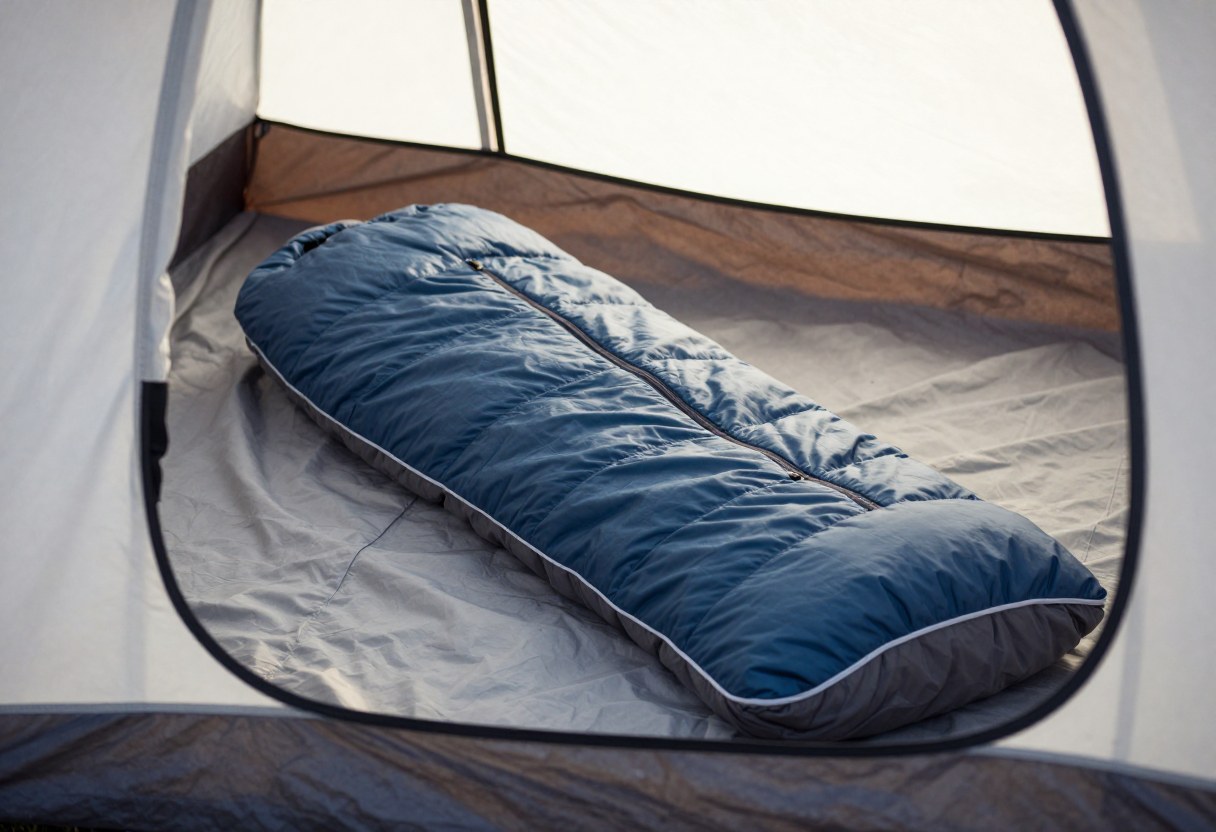
1. Understanding EN/ISO Temperature Ratings
- EN 13537 (and its successor ISO 23537) is a standardized testing protocol used by most major sleeping bag manufacturers, testing bags on a heated mannequin under controlled lab conditions to produce comparable ratings across brands.
- The rating typically includes multiple numbers: a "comfort" rating (the temperature at which an average cold-sleeping woman is expected to sleep comfortably), a "lower limit" rating (the temperature at which an average warm-sleeping man is expected to sleep without waking from cold, in a curled position), and sometimes an "extreme" rating (survival-only, not comfort).
- Most marketed bag ratings use the lower limit number, which is meaningfully colder than what most people would call "comfortable" — this is the core source of confusion when a "20-degree bag" leaves someone cold at 30 degrees.
- For most people, planning around the comfort rating (not the lower limit) is the more reliable approach, especially for beginners still calibrating their own cold tolerance.
Don't Skip This: If a bag's listing only shows one number without specifying comfort vs. lower limit, assume it's closer to the lower limit (colder, less comfortable) rating, and buy a bag rated meaningfully colder than the lowest temperature you actually expect to sleep in — a common rule of thumb is choosing a bag rated at least 10°F colder than your coldest expected night.
2. Individual Variation: Ratings Are a Starting Point, Not a Guarantee
- "Cold sleepers" and "warm sleepers" vary significantly in how warm a given bag actually feels, independent of the lab rating — the same bag can feel comfortable to one person and cold to another at the identical temperature.
- Body size, metabolism, what you're wearing to sleep, sleeping pad insulation, tent condition, and even what you ate that day all affect how warm you actually sleep, on top of the bag's rating itself.
- Treat the rating as a comparative benchmark between bags, not an absolute guarantee of your personal comfort — use it to compare options, then factor in your own known cold tolerance when deciding how much margin to build in.
3. Down vs. Synthetic Fill
| Fill Type | Warmth-to-Weight | Wet Performance | Cost | Compressibility |
|---|---|---|---|---|
| Down | Best available — significantly warmer per ounce than synthetic | Poor — loses most insulating value when wet (unless treated/hydrophobic down) | Higher | Excellent — compresses very small |
| Synthetic | Good, but heavier than down for equivalent warmth | Good — retains meaningful insulation even wet | Lower | Fair — bulkier when packed |
- Down is the better choice for dry conditions where weight and pack size matter most — backpacking, especially in dry climates or winter conditions where precipitation is snow rather than rain.
- Synthetic is the better choice for wet or humid conditions, or for budget-conscious buyers, since its performance doesn't collapse when damp and it costs less upfront.
- Hydrophobic (treated) down narrows the wet-weather gap somewhat, retaining more insulating value when damp than untreated down, at a price premium over standard down.
4. Fill Power: What the Number Means (Down Bags)
- Fill power measures down quality, specifically how much space (in cubic inches) one ounce of down loosely fills — higher fill power means more loft and warmth per ounce of down used.
- Common fill power ranges from around 550 (budget) to 900+ (premium ultralight) — higher fill power down allows a lighter, more compressible bag at the same warmth rating, at a real cost premium.
- Fill power alone doesn't determine total warmth — the actual amount (weight) of down used in the bag matters just as much; a bag with lower fill power but more total down can be as warm as a lighter bag with higher fill power but less total down.
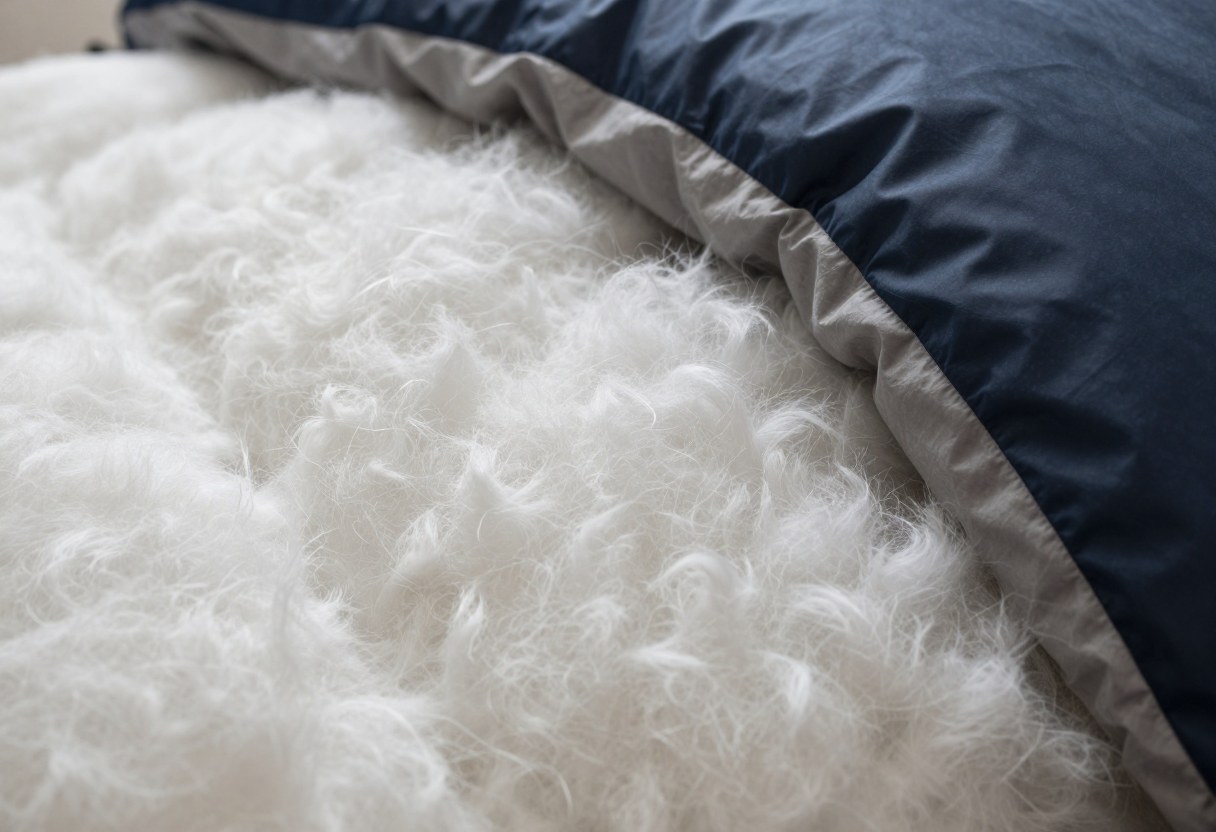
5. Bag Shape
| Shape | Warmth | Weight/Pack Size | Comfort/Room |
|---|---|---|---|
| Mummy | Warmest — tapered shape minimizes dead air space | Lightest, most packable | Least roomy, some find it restrictive |
| Semi-rectangular | Middle ground | Middle ground | More room than mummy, less than rectangular |
| Rectangular | Least warm — more dead air space to heat | Heaviest, bulkiest | Most roomy and comfortable for sleeping position freedom |
Mummy bags are the standard choice for backpacking where weight and warmth efficiency matter most; rectangular bags remain a reasonable choice for car camping, where comfort and cost matter more than weight, and colder ratings are less of a practical constraint since you're not carrying the bulk anywhere.
6. Season Ratings and Matching to Trip Type
| Season Rating | Typical Comfort Range | Best For |
|---|---|---|
| Summer | 30°F+ (comfort rating) | Warm-weather car camping and backpacking |
| 3-season | 20°F–30°F (comfort rating) | The most versatile default for spring through fall in most temperate regions |
| Winter/cold-weather | Below 20°F (comfort rating) | Winter camping, high-altitude, or genuinely cold-climate trips — see our winter camping guide for how to actually stay warm overnight beyond the bag's rating alone |
A 3-season bag covers the majority of trips for most beginner campers and backpackers, and is a reasonable single-bag starting investment before considering a dedicated summer-weight or winter-weight bag for more specific conditions.
7. Sleeping Pad: The Overlooked Half of the Warmth Equation
- A sleeping bag alone doesn't fully determine how warm you sleep — the ground conducts heat away from your body far faster than air does, and an underinsulated sleeping pad can leave you cold underneath even in a well-rated bag.
- Sleeping pads have their own R-value rating, measuring insulation from the ground — a higher R-value pad is warmer, and matching pad R-value to your bag's temperature rating and season is genuinely important, not an optional add-on.
- A warm-rated sleeping bag paired with an inadequate pad is a common beginner mistake that leads to a cold night despite an expensive, well-rated bag — don't evaluate bag warmth in isolation from the pad you'll actually be using with it.
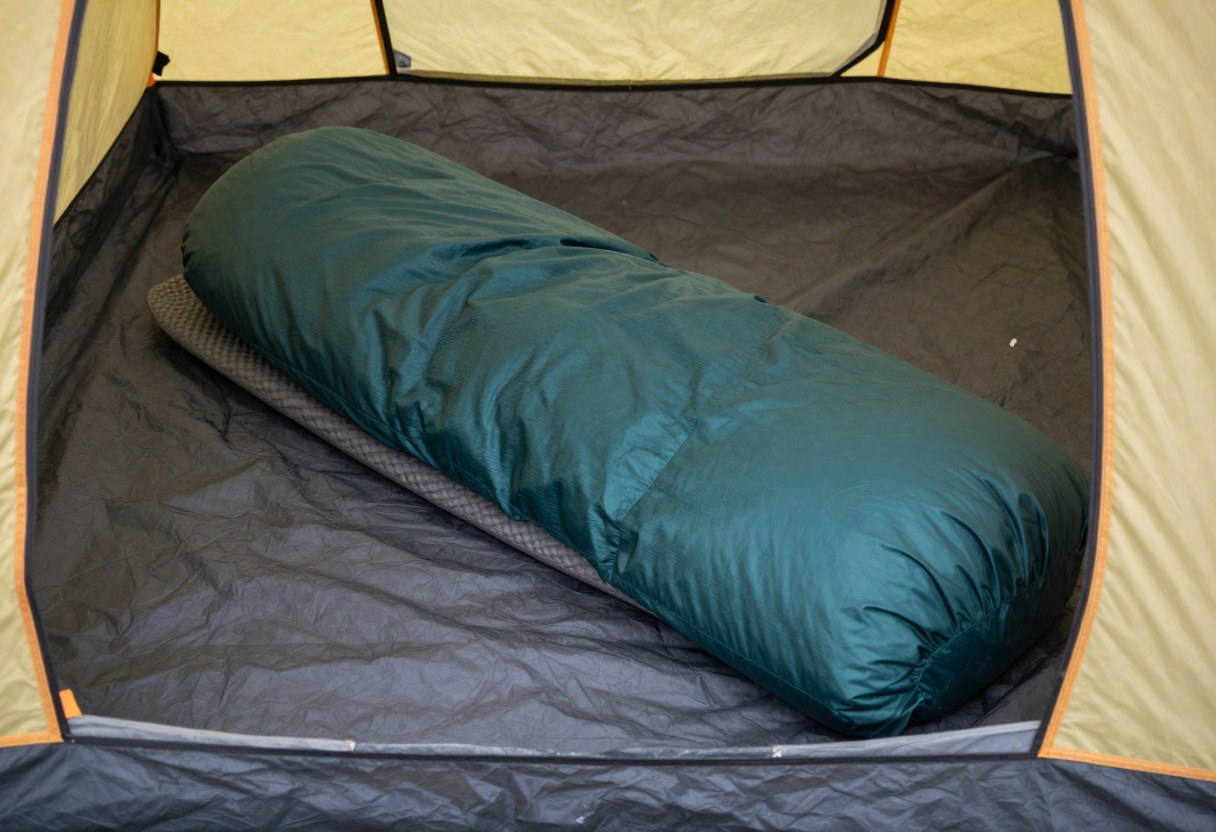
8. Common Sleeping Bag Buying Mistakes
- Confusing the lower-limit rating with a comfortable temperature, buying a bag that leaves them cold at the labeled rating.
- Not accounting for personal cold-sleeping tendency, buying to the rating alone without adjusting for known personal preference.
- Choosing down for consistently wet/humid trip conditions without considering synthetic or hydrophobic down's better wet-weather performance.
- Ignoring sleeping pad R-value, pairing a well-rated bag with inadequate ground insulation and still sleeping cold.
- Buying a rectangular bag for backpacking, taking on unnecessary weight and bulk for a use case where a mummy bag's efficiency matters more.
- Assuming fill power alone determines warmth, without considering total down weight/fill amount in the specific bag.
Quick Decision Checklist
- I understand my bag's rating is likely a lower-limit number, and I'm buying with appropriate margin for actual comfort
- I've chosen down or synthetic fill based on expected trip conditions (dry/weight-focused vs. wet/budget-focused)
- I've matched bag shape to trip type (mummy for backpacking, rectangular acceptable for car camping)
- I've chosen a season rating (summer/3-season/winter) matched to my most common trip conditions
- I've checked my sleeping pad's R-value and confirmed it's appropriate for the same conditions as my bag
- I've factored in my own known cold-sleeping tendency, not just the rating number alone
Glossary
- EN 13537 / ISO 23537: Standardized sleeping bag temperature testing protocols used by most major manufacturers to produce comparable ratings.
- Lower Limit Rating: The temperature at which an average warm sleeper is expected to sleep without waking from cold in a curled position — commonly the number used in bag marketing, colder than a true comfort temperature for most people.
- Fill Power: A measure of down quality, indicating how much space one ounce of down fills — higher fill power means more warmth and loft per ounce.
- R-Value: A sleeping pad's insulation rating, measuring resistance to heat loss through the ground — a critical companion factor to sleeping bag warmth.
Final Takeaway
Choose a sleeping bag by treating its temperature rating as a lower-limit benchmark rather than a comfort guarantee, matching fill type to your expected wet/dry conditions, and picking a shape suited to your trip type (mummy for backpacking, more relaxed shapes acceptable for car camping). Just as importantly, don't evaluate the bag in isolation — pair it with a sleeping pad whose R-value matches the same conditions, since ground-conducted heat loss is a major, often-overlooked factor in how warm you actually sleep.
Temperature rating standards and testing methods can vary between older and newer bags, and between manufacturers who don't fully adopt EN/ISO testing — check a specific bag's actual rating methodology when comparing options rather than assuming full consistency across all products.