
Winter Hut-to-Hut Hiking in the French Alps
If you're looking to tackle multi-day alpine treks without the cost of a guide or expensive lodge stays, this is it. We break down the safety rules and logistical realities of using unmanned mountain refuges in Europe’s toughest seasons.
Written by David Rodgers — October 23, 2026
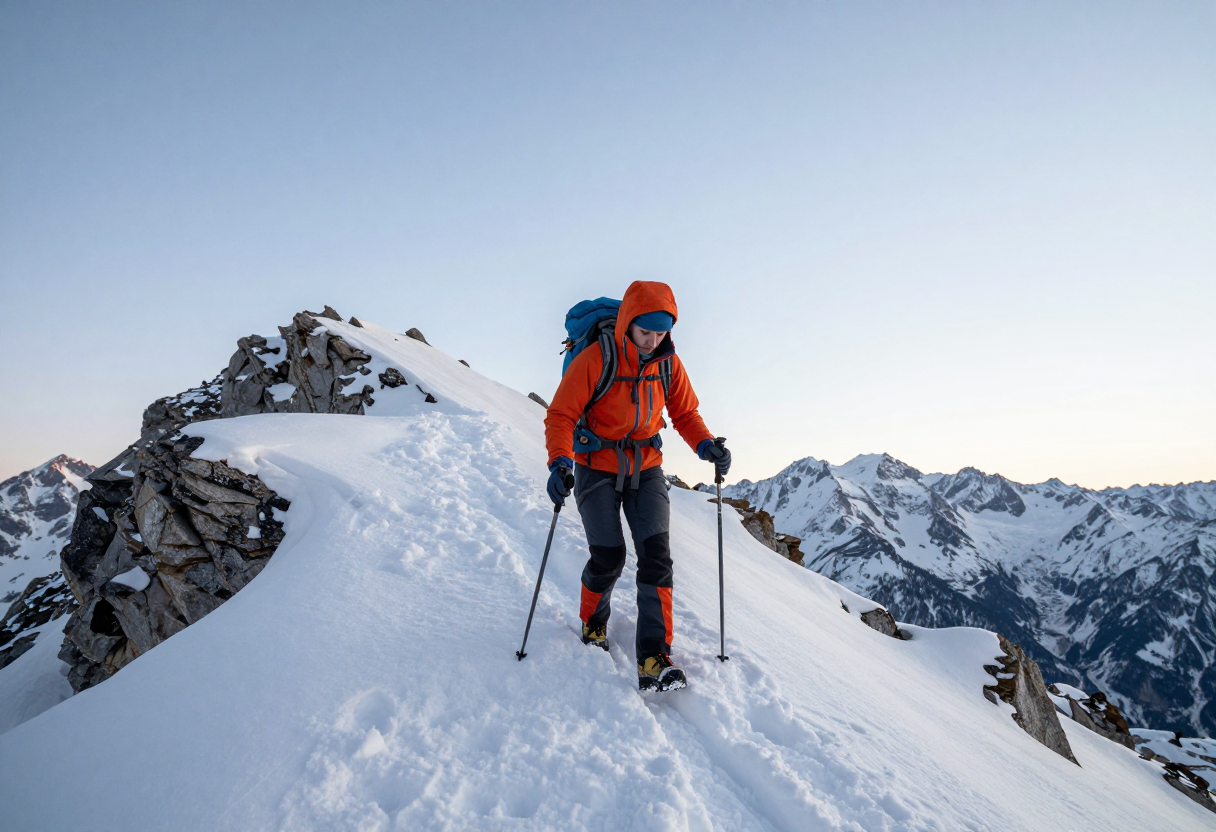
Why this trip requires more than just good boots
When people hear "hut-to-hut hiking," they often picture a comfortable trek where the hardest part of the day is deciding what to eat for dinner. In the French Alps during winter, that image doesn't hold much water. This isn't a casual stroll through a park; it’s an alpine environment where the margin for error shrinks significantly as soon as the temperature drops and the snow starts to pile up.
The biggest shift in mindset you need is moving from "hiking" to "alpine risk management." In my time with the Marine Corps, we learned that success often comes down to anticipating what can go wrong before it actually happens. That applies here just as much as it does on a battlefield. You have to understand avalanche awareness—knowing how to read the snowpack and identifying terrain that is high-risk. If you don't have a plan for what to do when the conditions turn sour, you’re just gambling with your life. This trip demands a disciplined approach to safety where "pushing through" isn't a badge of honor; it's a potential liability.
The Logistics Game: Understanding Unmanned Refuges
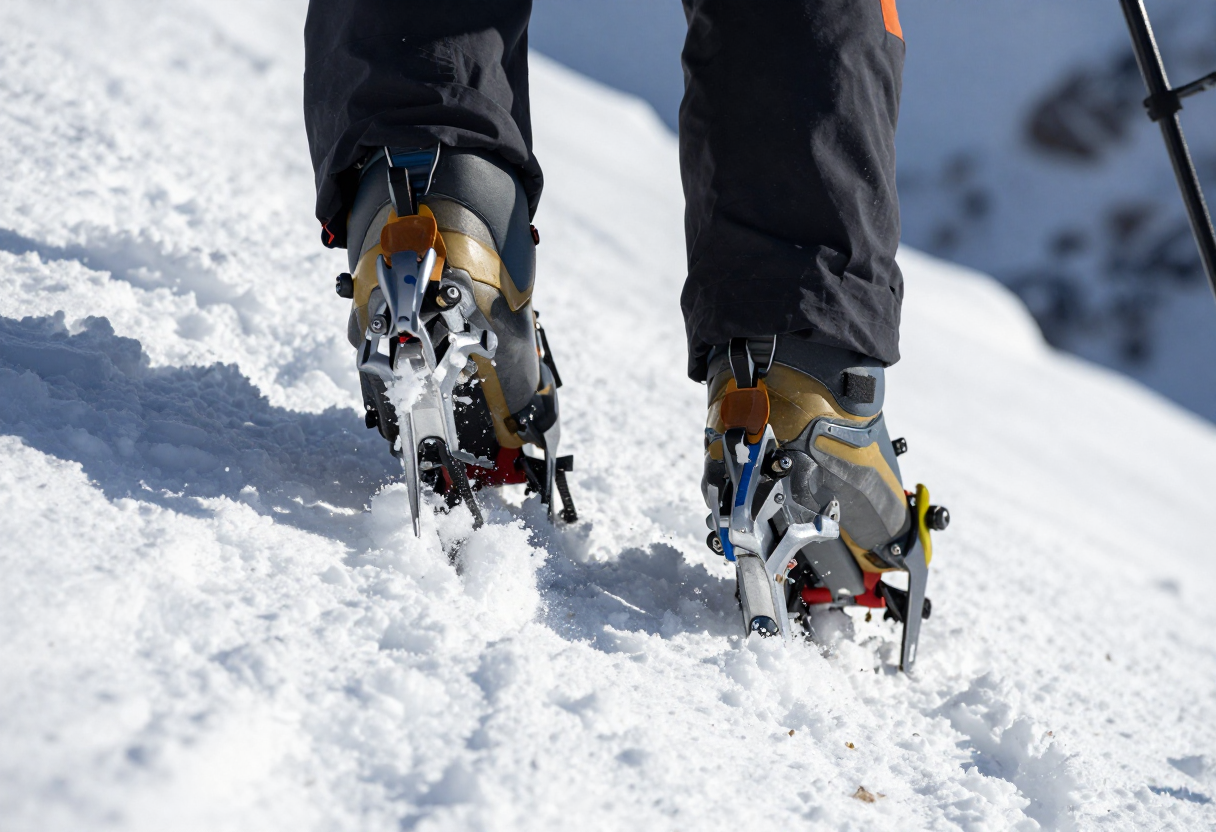
One of the most confusing parts for beginners is the difference between a managed mountain hut and an unmanned refuge (refuge non-gardé). If you’re trying to keep costs down, you’ll likely be looking at the latter. These are essentially stone or wooden shelters tucked into the mountainside. They provide a roof over your head and perhaps a small wood stove, but they aren't hotels.
How these huts function:
- Booking and Access: Many unmanned refuges require a key or a code that you must arrange in advance from a local village office or a mountain guide service.
- Supplies Provided: Generally, expect nothing. You might find a communal water source, but it's often frozen or needs to be melted over a stove. Most won't provide bedding or fuel for your stove.
- What you must carry: You are responsible for every calorie and every gram of warmth. This means carrying your own sleeping bag (rated for sub-freezing temps), your own cooking fuel, and all your food supplies from the start of the trek.
Budgeting for Alpine Survival (and why 'budget' is relative)
When I talk about "budget" travel in high-altitude environments, I don't mean buying the cheapest gear you can find at a big-box store. In the Alps, cheap gear that fails in a blizzard is more expensive than anything else because it puts your life at risk. Budgeting here is about making smart tradeoffs: spending on the essentials and cutting back on the "nice-to-haves."
Where to prioritize your spending:
- The Essentials: Invest in high-quality, reliable layers and a dependable navigation system. These are non-negotiable.
- Food Rationing: Alpine travel burns an incredible amount of calories. To keep costs down without starving, focus on calorie-dense items like nuts, dried meats, and fats—things that pack a lot of energy into a small weight.
- Permits and Fees: Depending on the specific region or national park status, there may be entry fees or refuge taxes. Always check your local resources to see what is required for your specific route.
The goal isn't to spend the least amount of money possible; it’s to ensure that every dollar spent contributes directly to your safety and ability to complete the trip.
The Core Gear List: What truly matters in deep cold
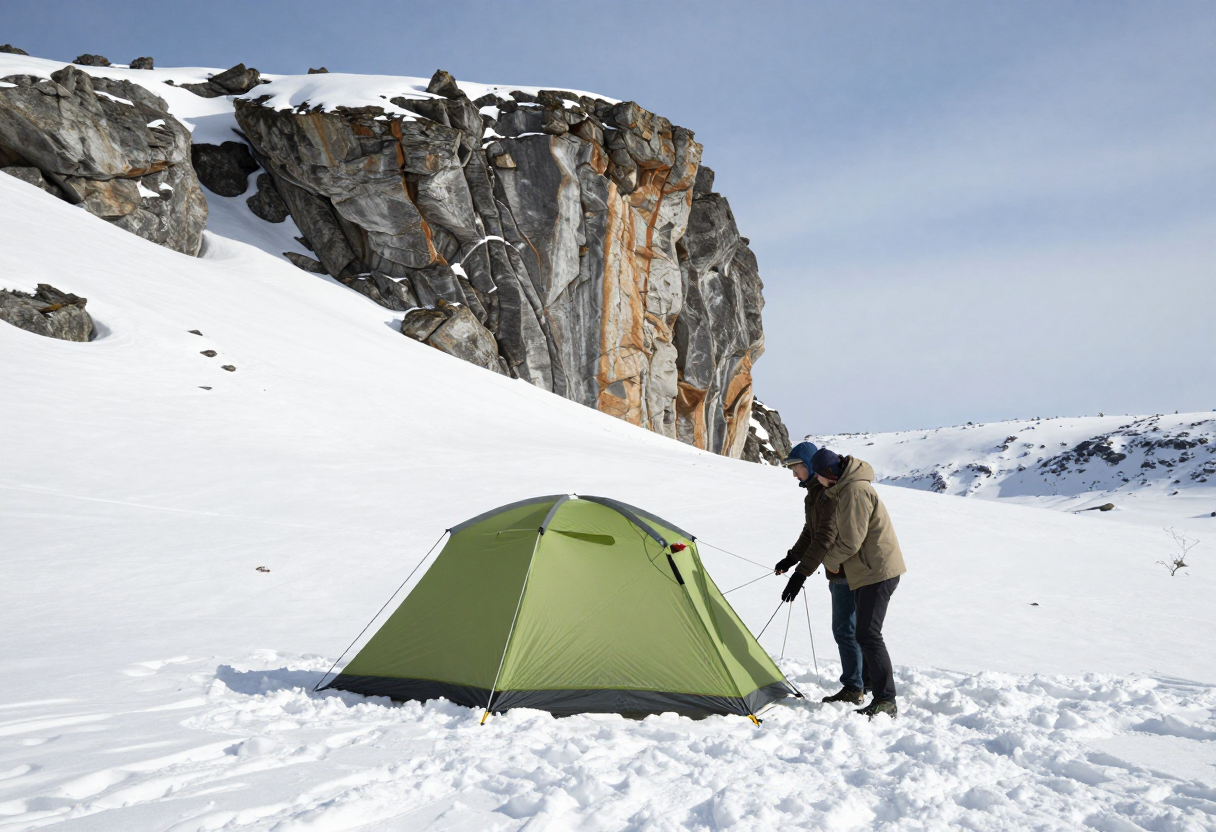
In a winter alpine environment, your gear is your life support system. I’ve seen people over-pack "luxury" items like high-end cameras or heavy specialty tools while forgetting the basic fundamentals of warmth and navigation. When you're moving through deep snow, weight management is key, but redundancy is even more important.
Non-negotiable safety gear:
| Item | Why it matters | Practical Tip |
|---|---|---|
| Layering System | Moisture management keeps you from freezing when you sweat. | Use a synthetic or wool base layer; avoid cotton at all costs. |
| Nav Redundancy | GPS units can fail or lose battery in extreme cold. | Always carry a physical map and a reliable compass (and know how to use them). |
| Emergency Shelter | Even with hut plans, you must be prepared for an unplanned night out. | A lightweight bivy sack or emergency tarp is essential. |
| Headlamp | Winter days are short; you'll likely be moving in the dark. | Carry a primary light and a small backup with fresh batteries. |
Making Decisions When the Snow Changes Fast
This is where field experience—and sometimes just plain old common sense—comes into play. In my time with the Civil Air Patrol, we focused heavily on weather judgment and situational awareness. In the mountains, this is your most critical skill. You have to be able to read the environment: How is the wind shifting? Is that cloud formation moving in faster than expected?
The hardest part of alpine hiking isn't the physical climb; it's the mental discipline to turn back when you realize the conditions are closing in on you. Fatigue plays a massive role here. When you’re tired, your judgment becomes clouded, and you might convince yourself that "just one more kilometer" is doable. It usually isn't.
Key decision-making principles:
- The Turn-Back Time: Establish a hard time by which you must turn around, regardless of how close you are to the next hut or peak.
- Weather Windows: If visibility drops to the point where navigation becomes difficult, stop and reassess immediately.
- Listen to your body: If someone in your group is struggling significantly with the cold or exhaustion, that's the signal to find a safe spot to hunker down.
Inspired by Backpacker Magazine.
About the Author
David Rodgers is the founder and writer behind Country Trailhead — a Marine Corps infantry veteran, Civil Air Patrol colonel, and Eagle Scout based in Oklahoma, drawing on decades of field-tested hunting, fishing, camping, and hiking experience. Read more about David and Country Trailhead →