
Why You Need to Stop Smelling and Start Listening in the Woods
Scent control is important, but it's only part of the equation. This guide focuses on advanced fieldcraft—reading micro-weather patterns and understanding how deer actually perceive their environment. Pay attention to what happens *before* you see anything.
Written by David Rodgers — October 3, 2026
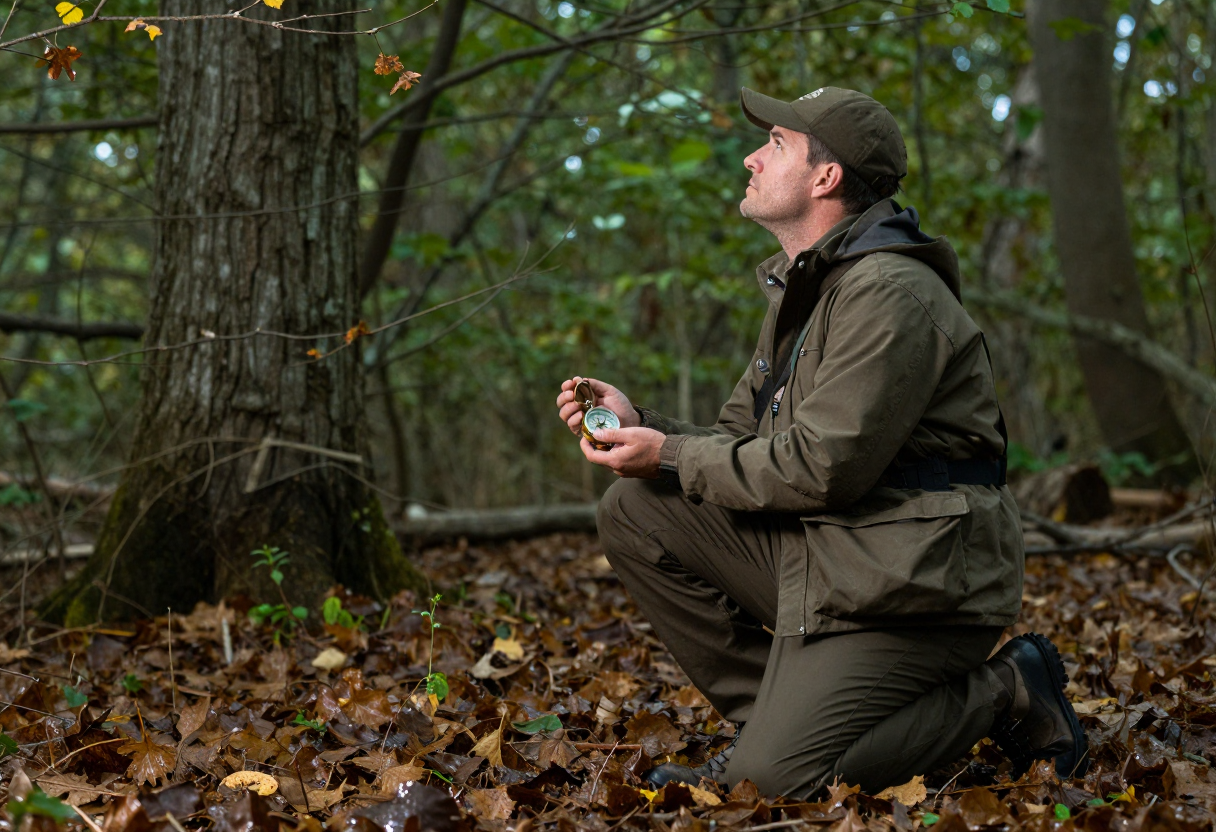
The biggest mistake in hunting: Thinking scent control is enough
I have seen plenty of hunters spend hundreds of dollars on specialized soaps and sprays before they ever step foot in a deer stand. They think that by neutralizing their personal odor, they are somehow becoming invisible to the woods. It isn't. Scent control is about lowering your signature just enough so you aren't a walking siren of "human" smell, but it does not replace the fundamental skill of reading how air moves over land. If you are standing downwind from an elk and decide to move toward them, no amount of high-tech spray will hide the fact that you are moving in their space or creating a physical presence. The mistake is thinking a product provides a total shield; it only buys you a small margin for error. If you rely solely on chemical barriers without understanding how wind interacts with trees and terrain, you're relying on a tool rather than a skill. You have to be able to read the environment first, then use scent control as your secondary layer of defense.
Don't follow your nose; read the wind first.
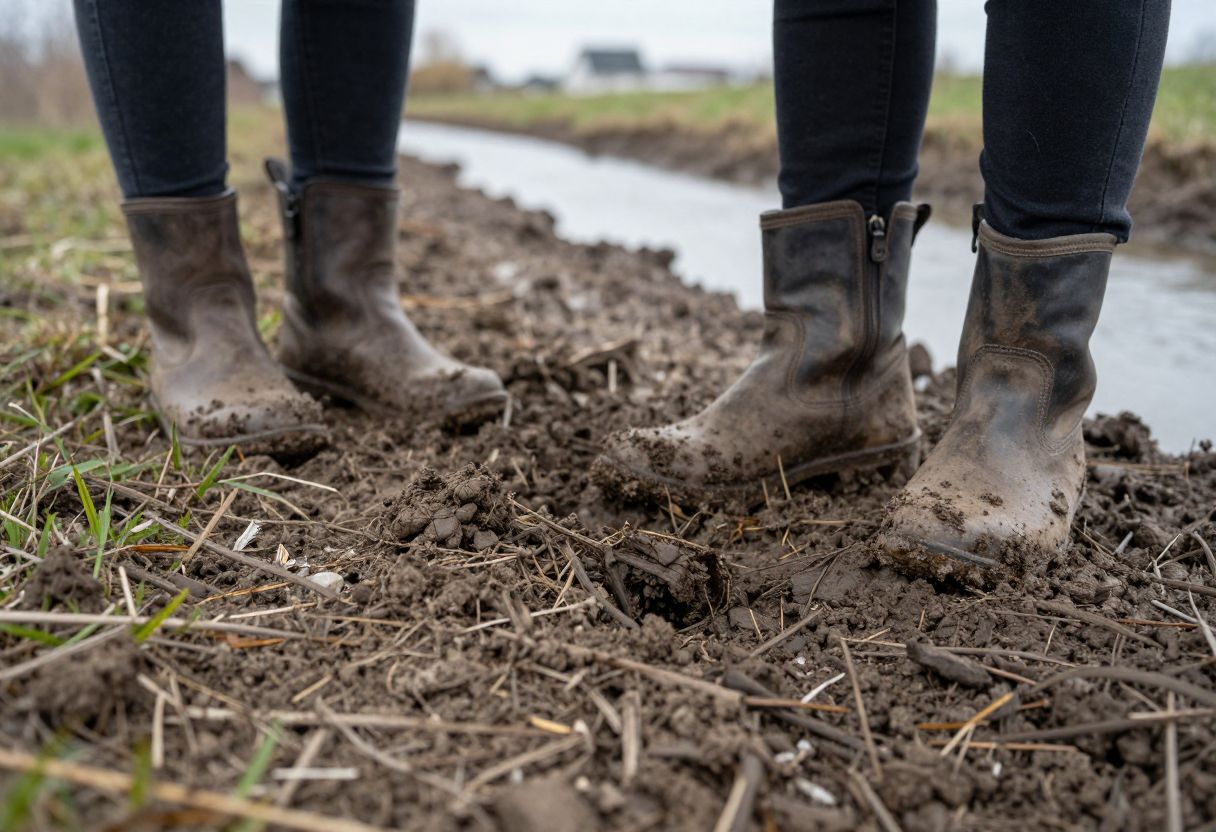
One of the most common errors I see beginners make is trying to "find" the wind by just feeling it on their skin or smelling where it comes from in that exact moment. By the time you can smell a change, it’s often too late. You need to be reading the land's indicators instead. Look for consistent cues: how do the grasses lean? What direction does the dust move at the edge of a clearing? Are there specific clumps of brush that seem to have been flattened by constant airflow? These are your visual gauges. Before you move into any "kill zone" or toward a potential area of high activity, stop and observe for several minutes. You want to know not just where the wind is now, but how it behaves consistently in that specific corridor. If the grass does not lean predictably, do not assume the air is still; local features can cause sudden shifts that your nose won't catch until you are already too close.
Mastering micro-weather patterns on game days
The ground is rarely flat, and air does not move uniformly across varied terrain. This is where many people get caught off guard by localized environmental factors. Features like drainage ditches, coulees, or steep ravines act as funnels for moving air; a breeze that feels steady on top of a ridge might swirl into a localized eddy when it hits a thicket of timber or a rock face. There's also the factor of solar shift and thermals. As the sun rises and warms specific slopes more than others, the rising heat can create "chimney effects," pulling air upward or pushing it sideways in ways that are not always obvious to someone just standing there. You have to consider how the time of day affects your position. A spot that was safe at dawn might become a liability by mid-morning as the ground warms up and changes how the local atmosphere behaves across different elevations, mountain passes, and valley floors.
What’s below your feet? Ground scent and behavioral signs.
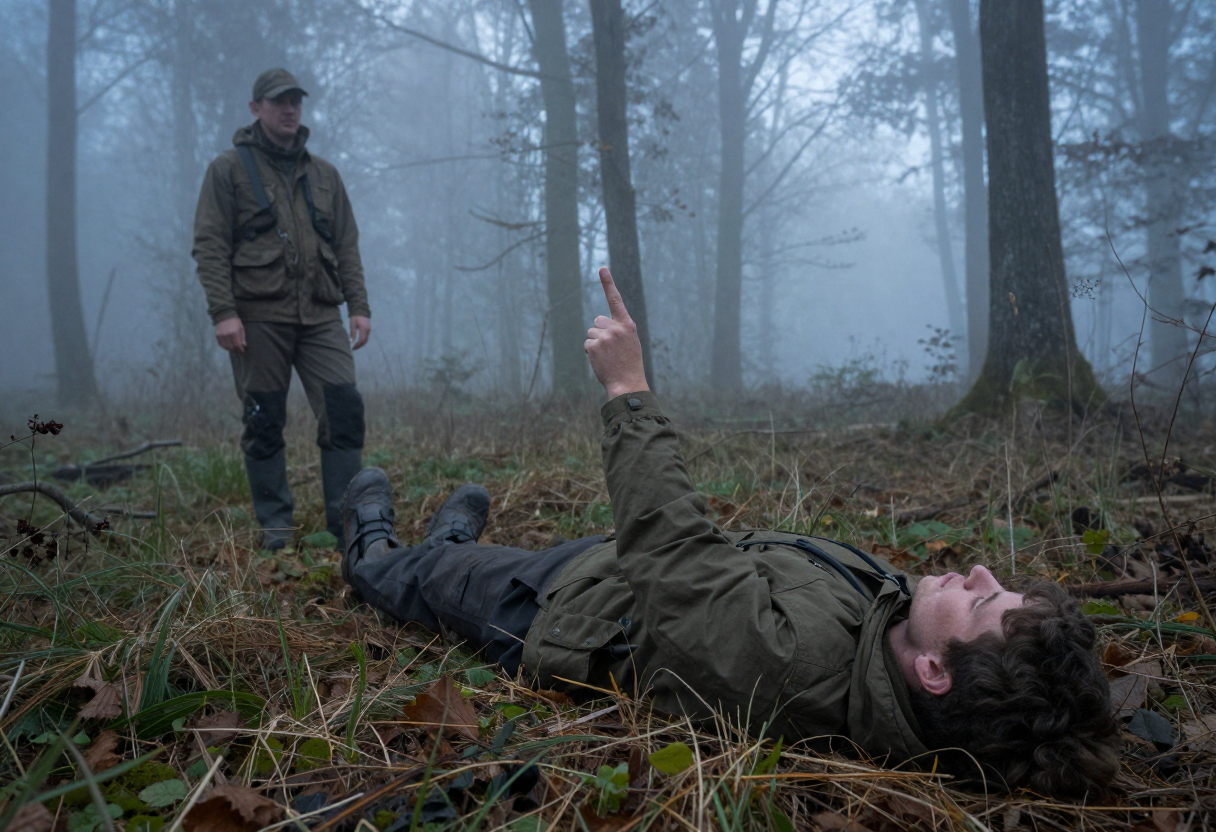
Once you move beyond what is in the air, you have to look at what’s on the ground. "Ground scent" isn't just about your boots; it's about identifying where an animal has spent its time and how that changes their behavior. If you are walking through a heavy bedding area or near fresh rub marks and scrapes, the physical evidence tells you more than any spray can ever will. You need to be looking for signs of recent activity—broken stalks, trampled grass, or soil pushed up by hooves. These aren't just indicators that an animal was there; they are markers of its habits and patterns. When you understand these cues, you stop guessing where the animals might go and start reading the story of their movements. If a piece of ground shows heavy use, it is often better to give it a wide berth than to risk being detected by something that is already alert to your presence in its home.
Inspired by Outdoor Life.
About the Author
David Rodgers is the founder and writer behind Country Trailhead — a Marine Corps infantry veteran, Civil Air Patrol colonel, and Eagle Scout based in Oklahoma, drawing on decades of field-tested hunting, fishing, camping, and hiking experience. Read more about David and Country Trailhead →