
Where to Set Up When Every Famous Spot is Covered
If the usual rut spots are seeing high traffic and low success, it means you need to shift your focus from famous locations to overlooked terrain features. We're digging into advanced spot selection that requires more than just a map reading ability.
Written by David Rodgers — November 2, 2026
When the Big Spots Get Too Crowded
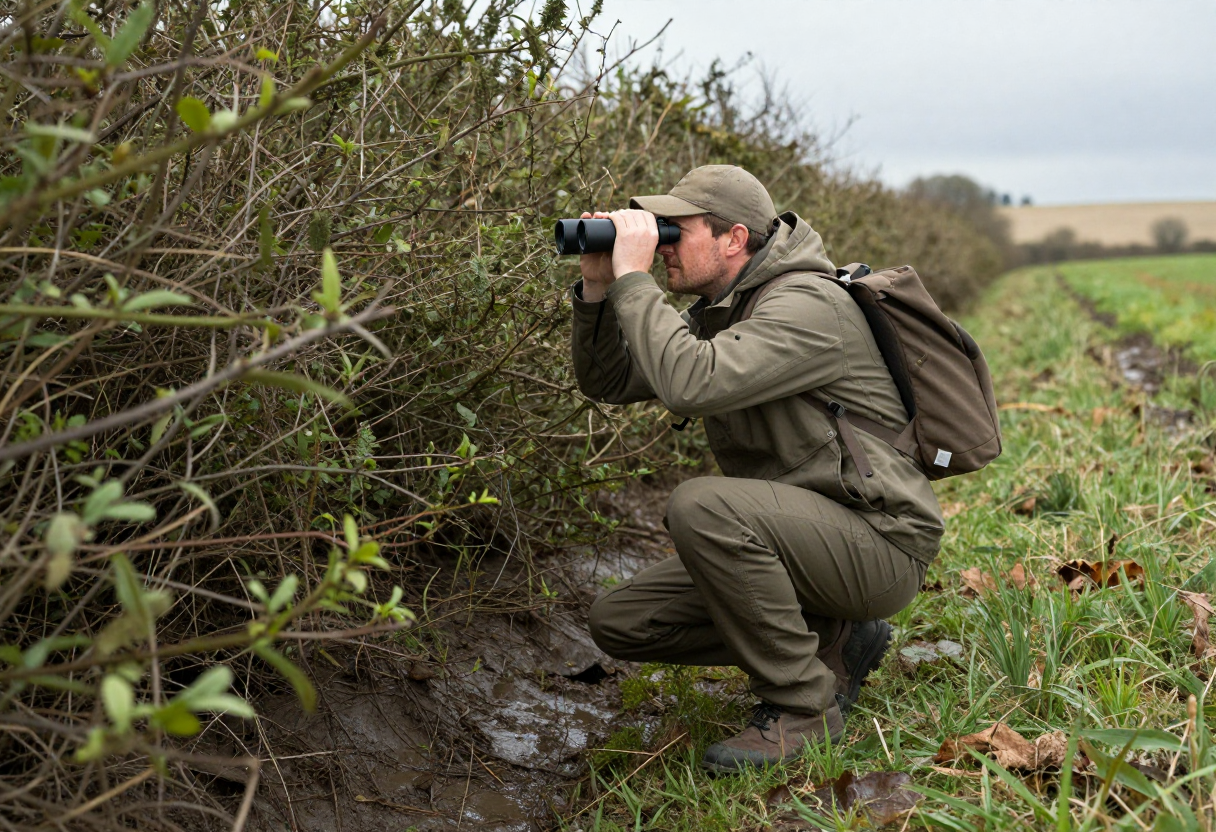
There is a specific kind of frustration that comes from showing up to a well-known rut spot—maybe a famous creek bed or a prominent ridge—only to find three other stands already established before you can get your gear settled. It’s a common experience for anyone who has spent enough time in the woods. When everyone is looking at the same popular maps and following the same "proven" advice, those spots become over-pressured. The deer are still there, but they are becoming more skittish as they notice the increased human presence.
To find success when the famous spots are full, you have to shift your mindset. You have to stop looking for where everyone says the deer are and start looking for where the deer feel safe being alone. This means moving away from the easy-to-reach landmarks and starting to think about the nuances of the land itself. It’s not about finding a "secret" spot that doesn't exist; it’s about having the discipline to look past the obvious choices and find the overlooked opportunities in the surrounding terrain.
Reading the Terrain, Not Just the Map: The Principle of Exploitation
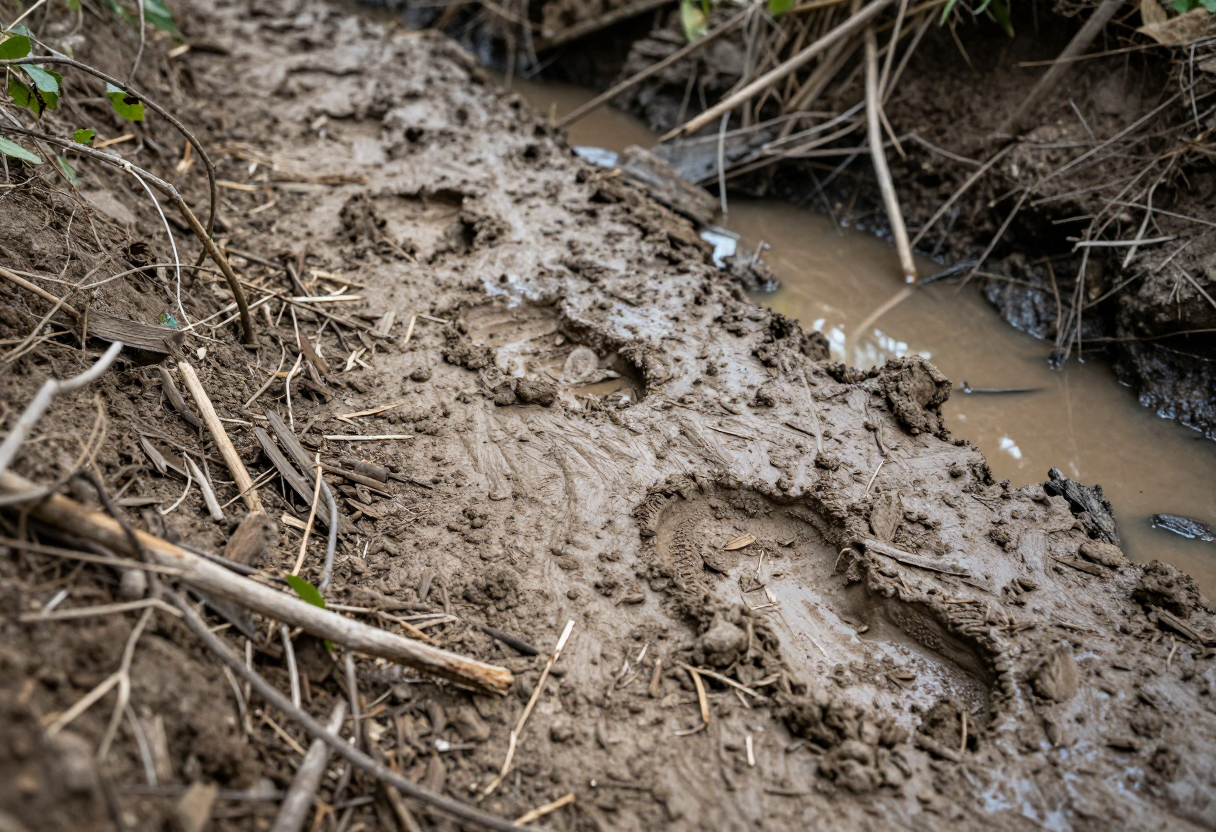
In my experience with land navigation—both in the Marine Corps and as an Eagle Scout—the most important skill isn't just knowing where you are on a piece of paper; it’s understanding the ground beneath your boots. Hunting works exactly the same way. Most hunters look for "the" trail, but deer don't always behave predictably. When they feel pressured by noise or frequent human activity, they change their habits.
The core principle here is exploitation: identifying and using natural terrain features that provide a tactical advantage. Instead of just looking for game trails, start looking at how the land naturally funnels movement or provides "soft" spots where an animal might pause. This means looking for benches (flat areas on a slope), drainage lines, and natural breaks in the vegetation. These are the elements that dictate deer behavior more than any map ever could. You want to find the transitions between different types of ground—where the forest opens up slightly or where the elevation changes just enough to offer an advantage without being a glaring landmark.
The Low-Third Bench and Drainage Ditch Advantage
One mistake I see beginners make is assuming deer always want the highest point of visibility. While that’s true in many situations, during heavy rut movement, they are often looking for the path of least resistance. This frequently leads them into drainage ditches or along the "low" side of a slope.
A particularly effective spot is what I call a low-third bench—a slight rise just a few feet above a creek bed or a primary drainage ditch. It provides an elevated vantage point over a travel corridor without being so prominent that it stands out to a deer moving through the area. These spots are often ignored by hunters who prefer "high ground" because they require more effort to navigate into, but that lack of competition is exactly what makes them valuable.
Common Low-Ground Features to Scout:
- Drainage Ditch Beds: Natural funnels for movement during heavy rains or high-traffic periods.
- Creek Bed Transitions: Where the water meets a slight incline; deer often use these as "stepping stones" across terrain.
- Low Benches: Small, flat areas tucked into the side of a hill that offer cover from above but visibility below.
Finding Cover Where You Least Expect It (Brush Piles & Brush Lines)
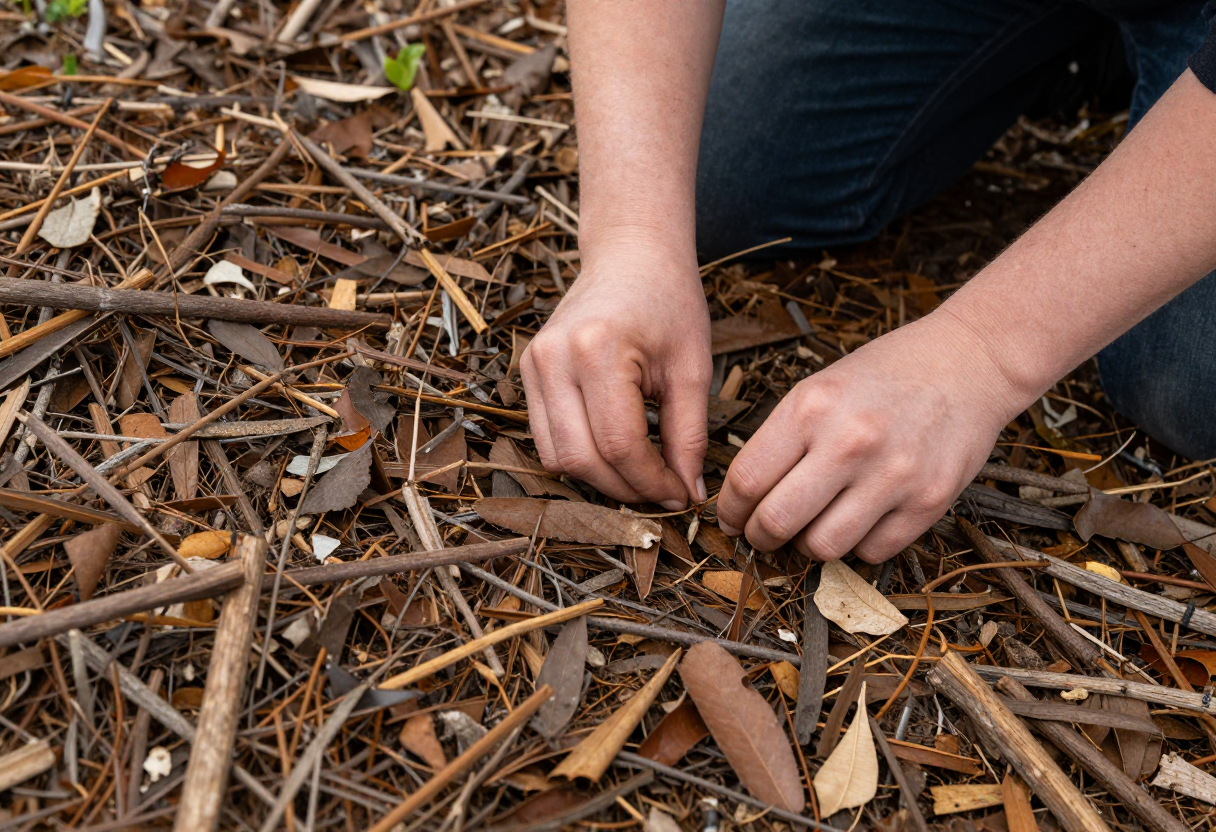
I used to think thickets and heavy brush were just obstacles—things that made moving through the woods more difficult and annoying. Now, I see them as some of the best concealment tools available. When a spot is over-pressured, you need to find "ambush" points that aren't immediately obvious.
Dense brush lines or naturally occurring piles of debris (like an old fence line where bushes have taken over) are often dismissed as clutter. However, these are prime locations for a stand because they offer immediate concealment from multiple angles. If you can find a spot where the brush is thick enough to hide your silhouette but still allows you to see an approach, you’ve found a winner. These spots work because they aren't "scenic" or easy to walk into; most people will skip them in favor of a clear path, leaving those high-concealment areas open for someone willing to put in the extra effort to get there.
The Discipline of Scouting: How Deep Does Your Search Go?
Moving into these overlooked spots usually means moving off-trail and into more rugged territory. This is where safety discipline becomes non-negotiable. I’ve learned through years of field experience that "winging it" in niche terrain is a quick way to get lost or injured, especially when the weather turns or you're dealing with heavy brush.
When you start looking for these types of locations, your scouting process needs to be more rigorous:
- GPS Waypoints: Never rely on memory alone in unfamiliar territory. Mark your entry points, your stand location, and any significant landmarks clearly on a GPS unit or a reliable mapping app.
- Proper Gear: If you're heading into heavy brush lines for concealment, ensure you have the right boots and clothing that can handle abrasions without compromising your mobility.
- Safety Awareness: Always let someone know your specific plan and expected return time, especially when operating in areas less frequented by other hunters.
Always check your state’s official wildlife agency website to ensure you are following all local regulations regarding stand placement and land access. For more information on these requirements, visit the State Resources page.
Inspired by Outdoor Life.
About the Author
David Rodgers is the founder and writer behind Country Trailhead — a Marine Corps infantry veteran, Civil Air Patrol colonel, and Eagle Scout based in Oklahoma, drawing on decades of field-tested hunting, fishing, camping, and hiking experience. Read more about David and Country Trailhead →