
Where to Place the Shot: A Guide to Deer Anatomy and Angles.
Before you step into the field with a rifle or bow, understanding deer anatomy and shot placement is non-negotiable. We start by nailing down the core terminology so we can talk about angles properly.
Written by David Rodgers — October 26, 2026
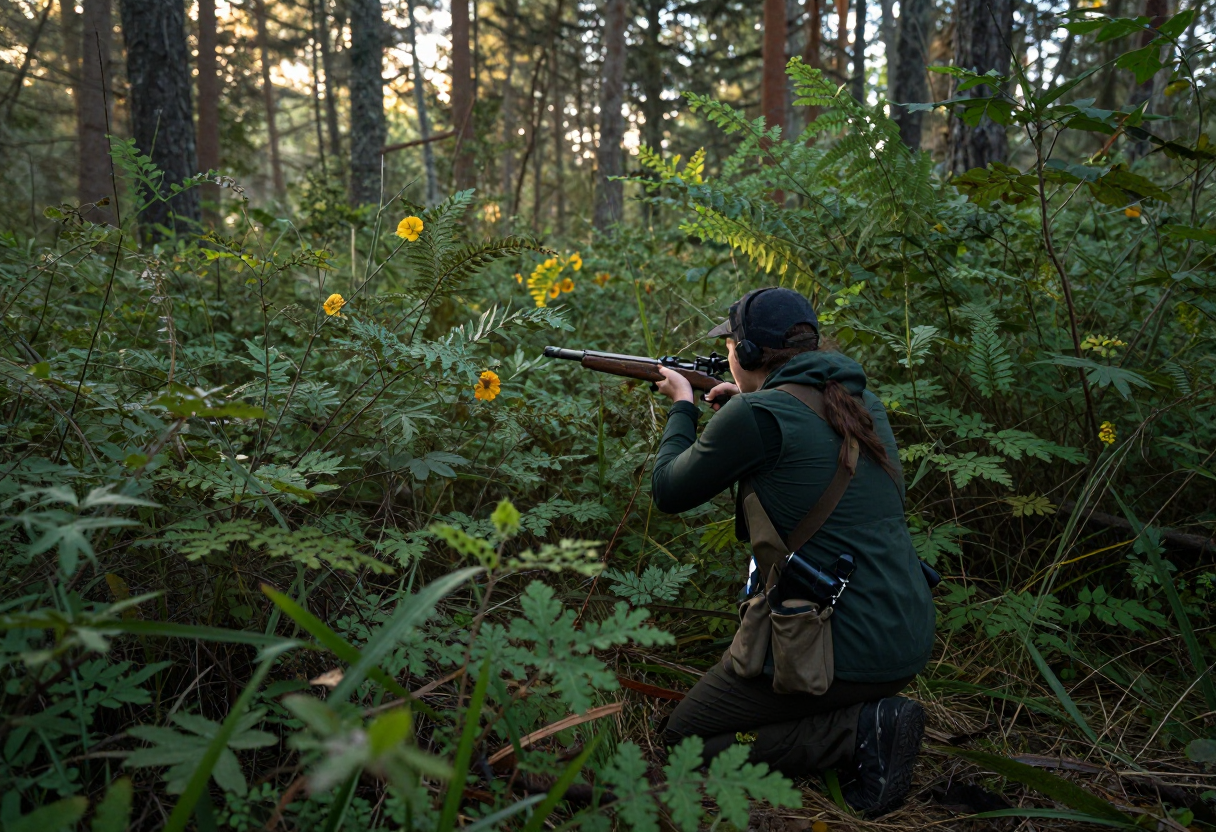
Why Shot Placement Isn't Just 'Hitting the Heart'
In my experience, one of the biggest hurdles for new hunters is the assumption that "close enough" is good enough. You see it all the time: a hunter gets a shot on an animal and assumes that because they hit the general chest area, the job is done. But hunting isn't about just making a mark; it’s about terminal ballistics—ensuring that the projectile reaches its intended destination inside the body to cause a quick, clean harvest.
When you miss the specific internal targets, the deer may run off and suffer, which goes against everything I believe about ethical hunting. It is about understanding how a bullet or an arrow interacts with bone and tissue. You want to maximize your chances of hitting the major organs—the heart and lungs—while avoiding heavy bone structures that can deflect a projectile. Understanding this isn't just about being a "better shot" in terms of steady hands; it’s about having the anatomical knowledge to know exactly where those vitals are located before you ever pull the trigger or release the string.
The Anatomy Primer: Understanding Crease vs. Vital V
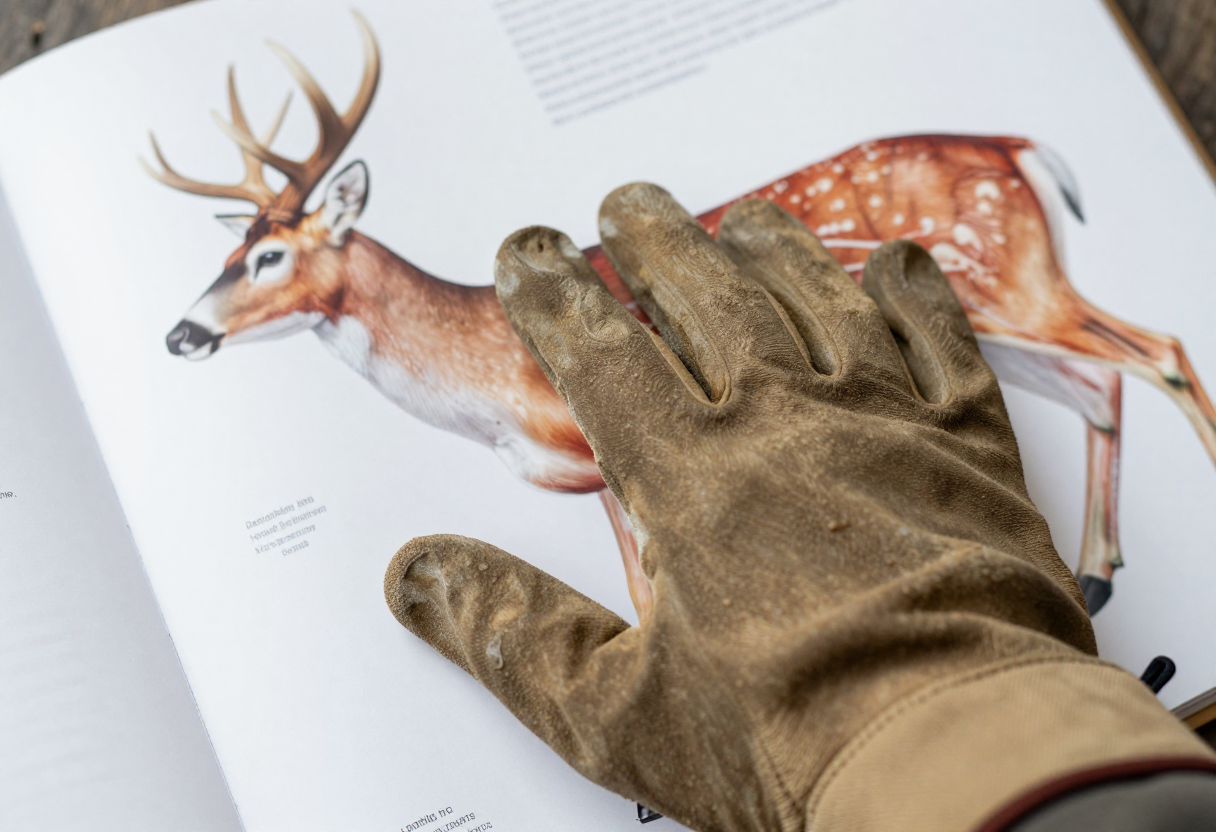
You don't need to be an expert biologist to hunt effectively, but you do need to recognize a few key landmarks on a deer’s body. When I’m looking through my scope, I’m not just looking for a "middle" spot; I’m looking for the crease. The crease is that distinct dip in the anatomy where the neck meets the shoulder area. This serves as your primary landmark for determining where the vital organs are situated relative to the outer frame of the animal.
The "vital zone" isn't just one specific point on a map; it’s an area of high-value targets like the heart and lungs. Because these organs sit behind the shoulder blade (scapula), your goal is to place the shot in a way that ensures the projectile passes through that chest cavity rather than hitting the heavy bone of the shoulder or the thick muscle of the neck. Knowing where that crease sits helps you visualize what's happening under the skin, allowing you to adjust your aim based on how the deer is standing.
Rifle Placement 101: Dealing with the Angles
When you are using a rifle, you have a lot of velocity and energy behind your shot, but physics still dictates where that bullet ends up. The angle at which the deer is standing relative to you changes everything about where you need to aim. Here is how I break it down based on what I've seen in the field:
- Broadside: This is the ideal scenario. The deer is facing directly sideways to you. In this position, your goal is generally to aim for the "pocket" just behind the front shoulder, aiming slightly toward the opposite side of the deer’s body.
- Quartering-Away: Here, the deer's rear end is angled away from you. Because of the angle, you have to account for the fact that the bullet will travel through more of the shoulder area. You generally want to aim slightly higher and deeper into the chest cavity than you would on a broadside shot.
- Frontal (Head-on): This is often avoided by experienced hunters because it’s much harder to guarantee a clean hit on vitals. If you must take this shot, precision is paramount, as any slight deviation can result in a hit on the heavy front bones of the shoulder rather than the organs behind them.
Archery Considerations: Different Physics, Same Goal
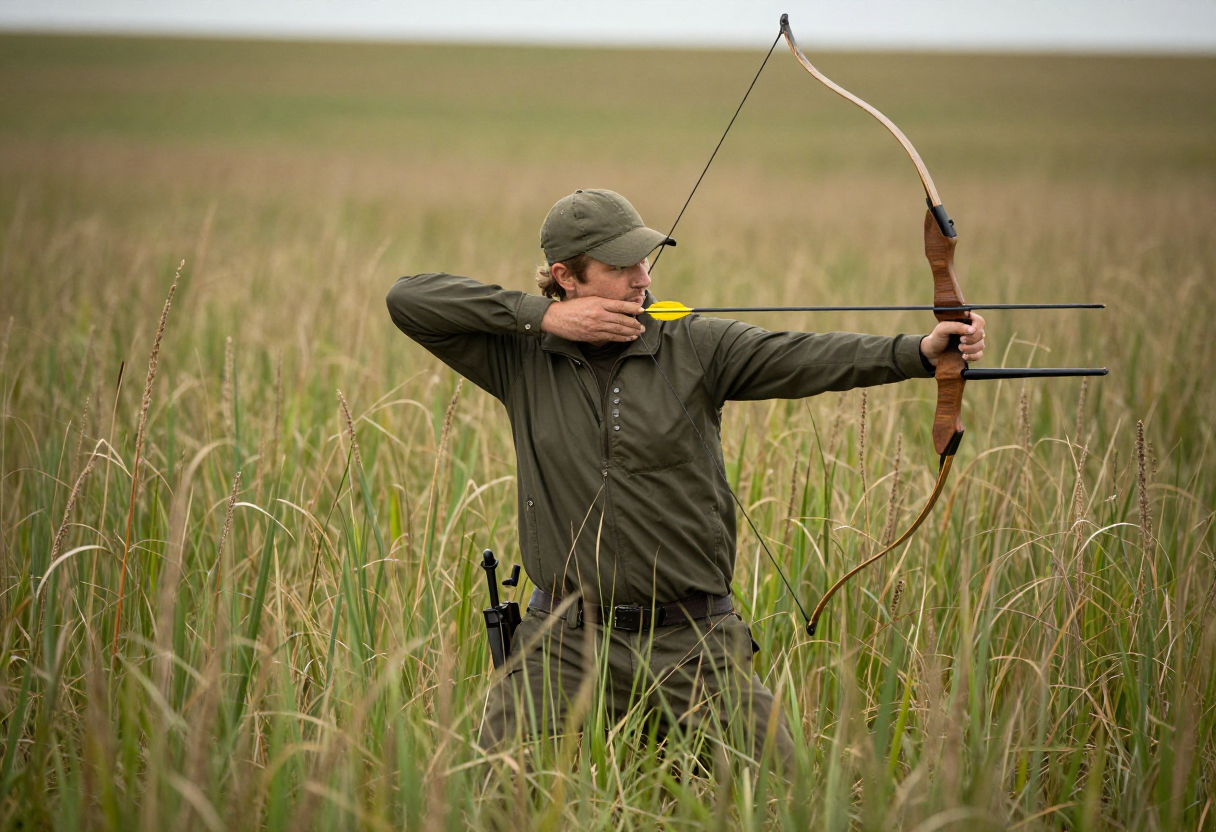
Archery changes the math significantly compared to rifle hunting. While the goal—hitting the vitals—remains identical, the physics of an arrow mean you have less "overkill" energy and a much more pronounced drop over distance. When I’m hunting with a bow, I have to be even more deliberate about my shot placement because an arrow doesn't have the same ability to "punch through" heavy bone as a high-velocity rifle round does.
Because of this, archery often requires a more conservative approach to angles. If you aren't perfectly lined up, the risk of hitting a shoulder bone and having the arrow deflect or stop short is much higher. You want to ensure your path of travel is clear of major skeletal structures. This means that for many bowhunters, it’s better to wait for a perfect broadside angle than to try and "force" a shot from a quartering angle where the shoulder bone might block your path to the heart and lungs.
Field Judgment and Ethical Responsibility
At the end of the day, hunting is about discipline. My time in the Marine Corps taught me that following a process under pressure is what keeps people safe and successful. In the woods, that means having the discipline to pass on a shot if the angle isn't right or the wind is too unpredictable. You have to read the conditions—how much cover is between you and the deer, how much distance is actually left in your gear’s effective range, and what the wind is doing to your trajectory.
Taking an aggressive shot just because you have a clear line of sight can lead to a "messy" harvest or, worse, a safety issue. Always prioritize a clean, ethical take-down over a trophy. It's also vital to remember that hunting regulations—including bag limits and specific zone requirements—vary wildly from one state to another. Never assume a rule is universal; always check your state’s official wildlife agency website to ensure you are staying within the law before you head out into the field.
To help you get started with these fundamentals, I recommend checking out our Guide Library for more detailed breakdowns on specific gear setups and shot types.
Inspired by Outdoor Life.
About the Author
David Rodgers is the founder and writer behind Country Trailhead — a Marine Corps infantry veteran, Civil Air Patrol colonel, and Eagle Scout based in Oklahoma, drawing on decades of field-tested hunting, fishing, camping, and hiking experience. Read more about David and Country Trailhead →