Where are they eating? Finding waterfowl by their food sources.
Understanding what waterfowl actually eat—from wild rice patches to specific aquatic vegetation—is one of the biggest keys to finding prime hunting grounds. This guide helps you read the landscape like a seasoned pro, saving you hours in the field.
Written by David Rodgers — September 11, 2026
Before you head out: Why food is everything
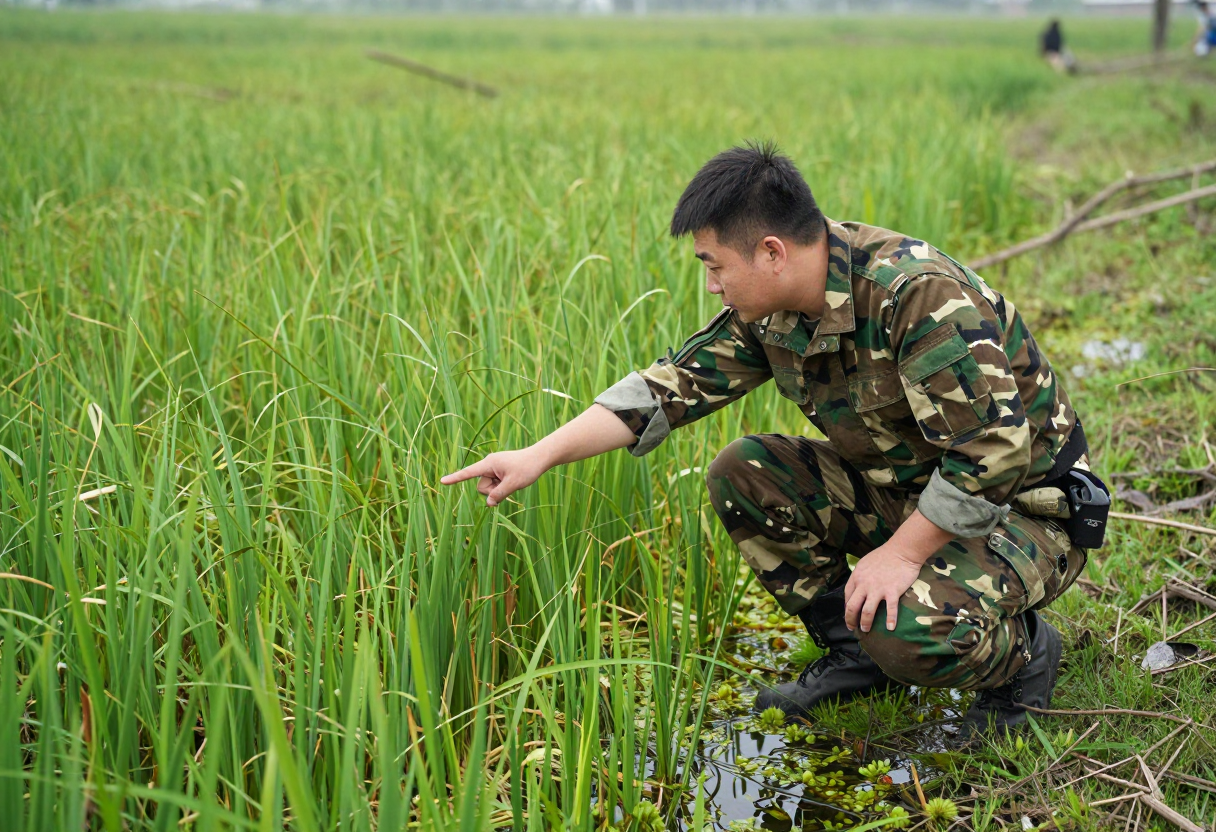
A common mistake I see from folks just starting out—and one I made plenty of times early on—is hunting for water first and food second. While waterfowl need water to survive, they move toward it primarily when there is a consistent source of calories nearby. If you find a beautiful pond in the middle of an arid plain with no surrounding vegetation or high-protein growth, it might be a watering hole, but it likely won't hold a heavy concentration of birds for long periods.
Think of water as the highway and food as the destination. Ducks and geese are looking for energy. They want to congregate where they can feed efficiently while remaining relatively safe from overhead threats or navigating difficult terrain. When you scout, your goal isn't just to find "wet land." You are looking for a caloric powerhouse. If you can identify where the high-quality food is located, you can predict exactly where those birds will choose to hang out and feed in large numbers.
Reading the landscape: What specific plants attract ducks?
Not all vegetation serves the same purpose. To find where they’re eating, you have to look for specific "magnet" plants that provide consistent nutrition throughout the season.
Primary Food Sources
- Wild Celery and Grasses: These are often among the first things a duck looks for in marshy areas. They offer high-protein content and are abundant in many lowland environments.
- Wild Rice: In specific regions, wild rice is a staple. It provides significant calories and can be found in shallower, slower-moving waters where it grows in dense clusters.
- Reeds and Cattails: While these provide some nutritional value through seeds and stalks, their primary role is often as a "buffer" zone that protects the more nutrient-dense plants from being trampled or washed away.
When you are scouting, look for diversity. A patch of land with multiple types of vegetation usually indicates a healthier ecosystem and a more reliable food source. If you see large stands of wild celery, you aren't just looking at grass; you’re looking at a buffet that will draw birds in from miles away.
The 'Edge Effect' — Where to set up your blind
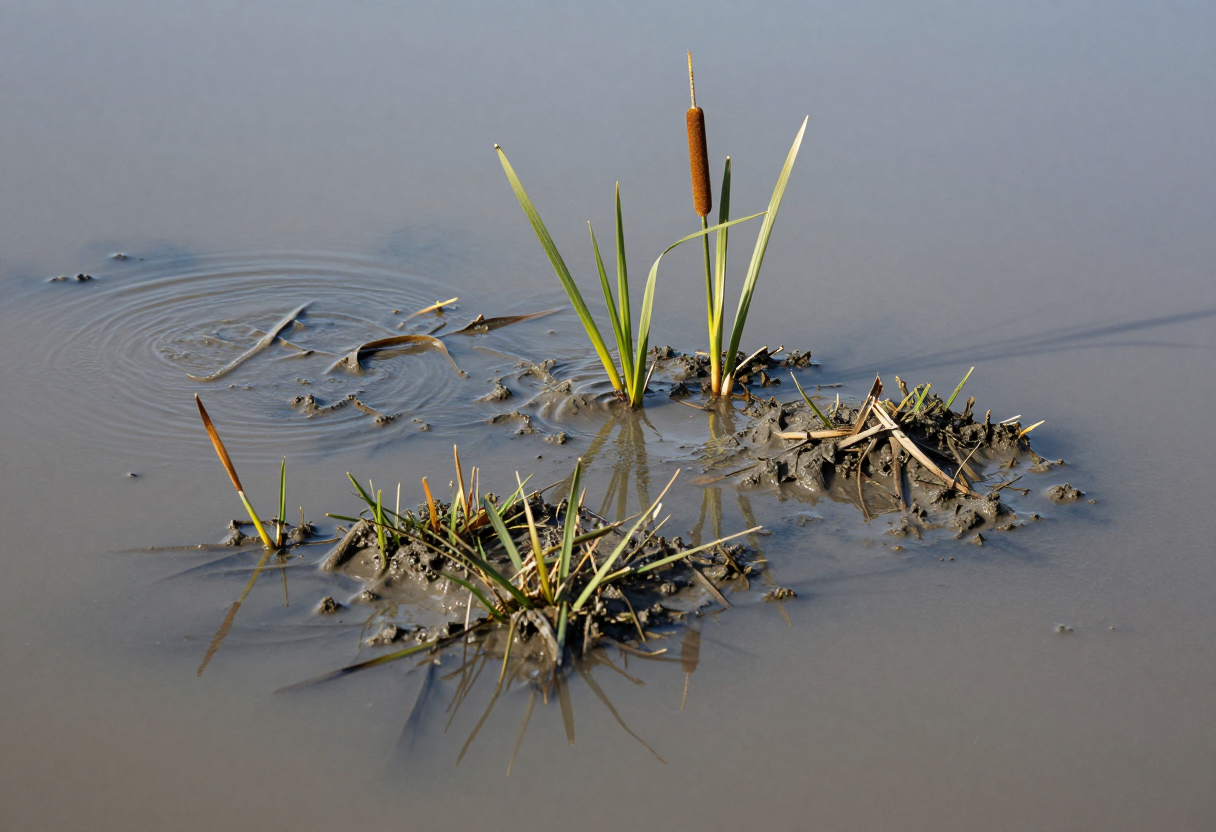
One of the most effective ways to narrow down your hunt is by identifying "edge" environments. In ecology, this is where two different types of habitats meet—for example, where an open waterway meets a thick marsh or where a grassy field gives way to dense brush.
Birds generally prefer these transition zones for several practical reasons:
- Ease of Movement: They can move quickly from the cover of heavy vegetation into open water to feed.
- Safety: They are rarely in the middle of "nowhere," but they aren't fully exposed in wide-open fields either.
- Accessibility: These areas often have shallower depths where it is easier for them to forage without getting stuck or exhausted.
When you find an edge, look for a spot where the bird has the shortest path between its "bedroom" (the thick cover) and its "dining room" (the food-rich area). If you place your blind in that transition zone, you are putting yourself directly in their natural routine. This is often much more effective than placing a blind on just any piece of water.
Beyond food: Reading for signs of activity
Even if the food source looks perfect on paper, you want to confirm that birds are actually using it before you spend hours setting up and waiting. Scouting isn't just about looking at what’s there today; it’s about seeing evidence of what happened yesterday.
When you scout a location, look for these specific signs:
- Tracks: Look for "pockmarks" in the mud or pushed-down grass. A fresh trail leading from a thicket to an open area is a clear indicator of a frequent path.
- Feather Patches: Finding clumps of feathers (especially molted ones) often indicates a spot where birds linger, rest, or feed frequently.
- Vegetation Disturbance: Look for areas where the grass looks matted down or "trampled." This usually means high traffic from many feet—or webbed feet—over time.
Finding these signs tells you that the area is a known destination. If you find all three, you’ve likely found a prime spot. Note that while these indicators help locate activity, always check your state's specific wildlife agency regulations regarding where you can legally place blinds and hunt near water sources before heading out.
Inspired by Outdoor Life.
About the Author
David Rodgers is the founder and writer behind Country Trailhead — a Marine Corps infantry veteran, Civil Air Patrol colonel, and Eagle Scout based in Oklahoma, drawing on decades of field-tested hunting, fishing, camping, and hiking experience. Read more about David and Country Trailhead →