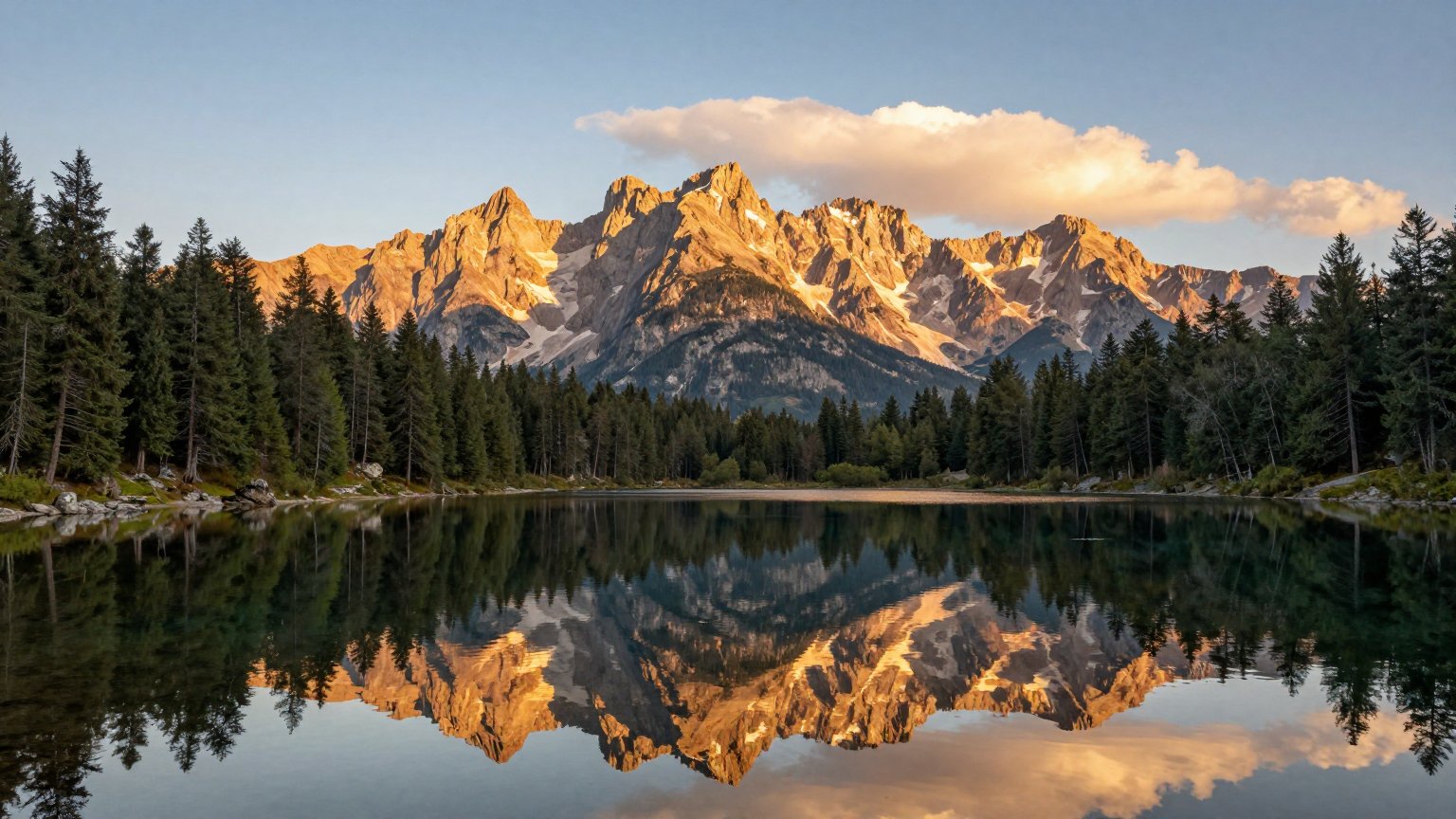

When Things Go Wrong: Group Preparedness in Steep Terrain
Steep ground and unexpected slips are part of the deal. This guide focuses not on the dramatic rescue, but on the roles you need to assign yourself—and your group—before you even step onto difficult terrain.
Written by David Rodgers — November 16, 2026
The First Rule: Assume Failure Is Possible
In my time in the Marine Corps and later with the Civil Air Patrol, I learned that the most dangerous thing you can bring into the woods is an overconfident attitude. When you’re hiking steep terrain or high-exposure ridges, nature doesn't have a "reset" button if things go sideways. The first rule of group safety isn't about how many ropes you carry; it’s about acknowledging that failure—a slip, a twisted ankle, or a sudden weather shift—is a distinct possibility.
Most people plan for the hike they want to have: clear skies and steady footing. I want you to spend ten minutes planning for the hike that goes wrong. This doesn't mean being pessimistic; it means being prepared. If you assume things will go perfectly, your first reaction to a crisis will be panic. If you’ve already accepted that a slip might happen, your brain stays in "problem-solving" mode instead of "freak out" mode. Preparation is the gap between an incident and a disaster.
Roles, Not Rescuers: Assigning Group Responsibilities
When an emergency happens in a remote area, the biggest threat isn't always the injury itself—it’s the chaos that follows. If everyone rushes toward a downed hiker at once, you end up with three people trying to help and no one watching the ledge they just stepped off of. To prevent this, I recommend assigning specific roles before you ever leave the trailhead. This keeps everyone focused on their own task rather than reacting emotionally to the situation.
The Lead Navigator
This person stays focused on the map and the route. They ensure that while the group is dealing with an incident, the "big picture" doesn't get lost. They know where the nearest exit point is and what the way back looks like from different vantage points.
The Safety Watch
Their sole job is to scan the immediate surroundings for hazards. If someone is being assisted on a steep slope, this person watches for falling rocks or shifting ground. They are the "eyes" of the group, ensuring that while others focus on the injured person, no one else creates a secondary hazard.
The Gear Manager
This person carries and manages the first aid kit, extra water, and communication devices (like a satellite messenger). When things get tense, you don't want to be digging through a messy pack looking for a bandage or a whistle. They stay organized so the "doers" can focus on the physical task at hand without worrying about supplies.
Discipline First: How to Hike Difficult Terrain Safely
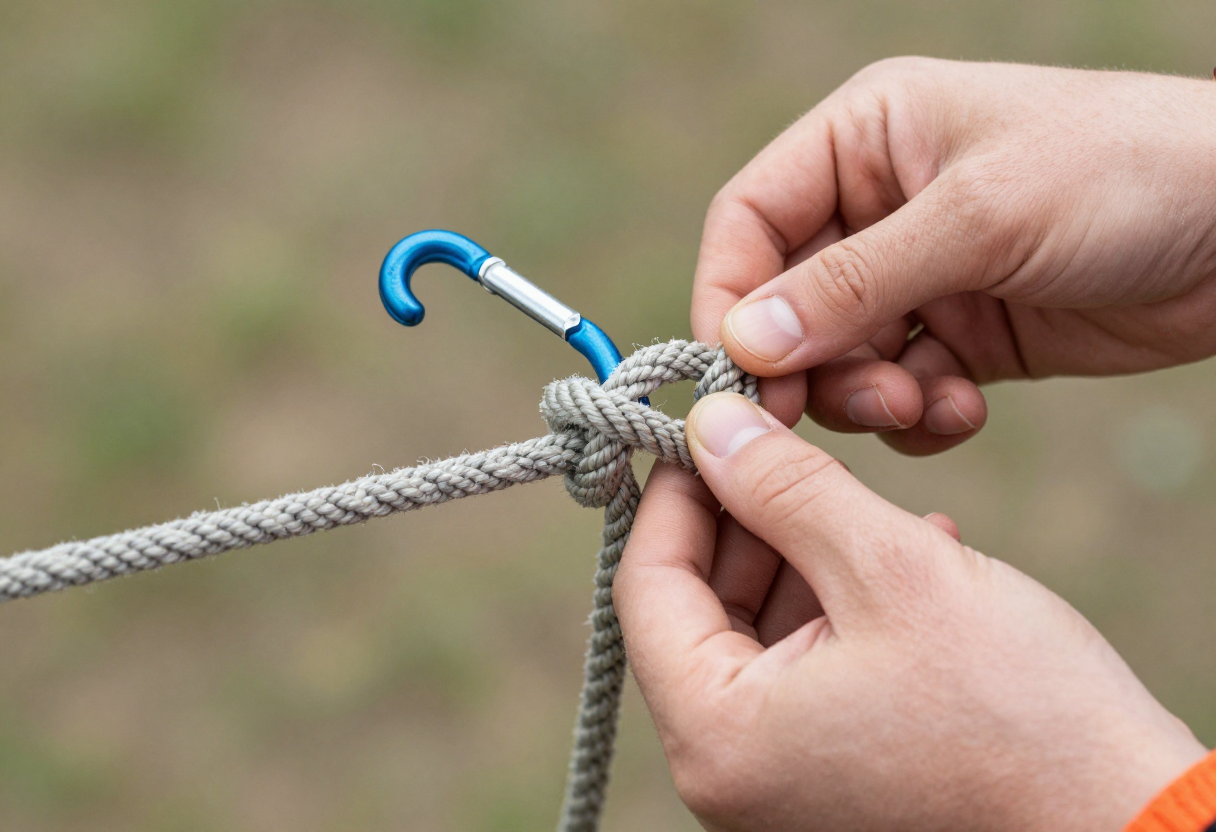
The best way to handle an emergency is to ensure it never happens in the first place. In my experience, most accidents in steep terrain are results of fatigue-induced mistakes or rushing. Discipline is your primary safety tool here; it's about managing your own body and awareness before you reach a point where you have to rely on others.
Controlled Pacing
It’s easy to push hard on a beautiful ascent, but that's when your focus starts to drift. I always tell people to find a "rhythm" they can maintain for hours without getting winded. If you're huffing and puffing, your peripheral vision narrows and your foot placement becomes sloppy. A steady pace keeps your head clear.
Micro-Navigation of Feet
On technical terrain, look two steps ahead. Don't just stare at the ground right in front of your toes; scan for "trap" spots like loose scree or slick mud a few feet out. Anticipate where your weight needs to land before you actually move there.
Awareness Cycles
Every twenty minutes, take a conscious "scan." Look around. Check on your partners. Is anyone looking tired? Are they favoring one leg? Identifying these signs early allows you to adjust the pace or stop for a break before someone actually loses their footing. Prevention is about being proactive rather than reactive.
The Immediate Response Protocol (If a Slip Happens)
If that moment comes when a partner slips or falls, the first thirty seconds are critical. The goal isn't necessarily a "heroic" rescue—it’s stabilization. In high-exposure areas, pulling someone upward without proper bracing can result in both people going down. You have to move methodically, not instinctively.
Stop and Assess
The person who slipped should stop immediately. Do not try to stand up until they have confirmed their footing is secure. The group needs to call out a "stop" command so no one else moves forward into the danger zone. Take a breath and identify what happened: was it a simple slip, or did something give way?
Bracing Techniques
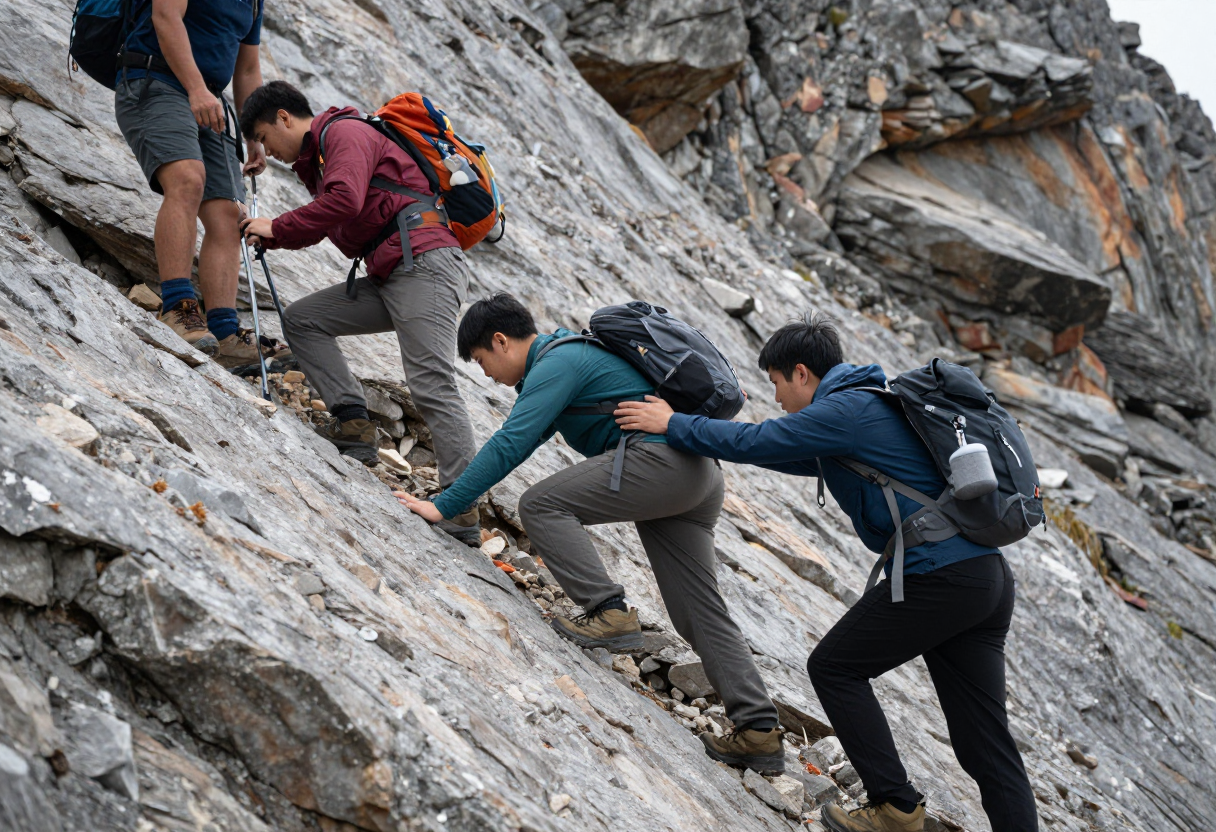
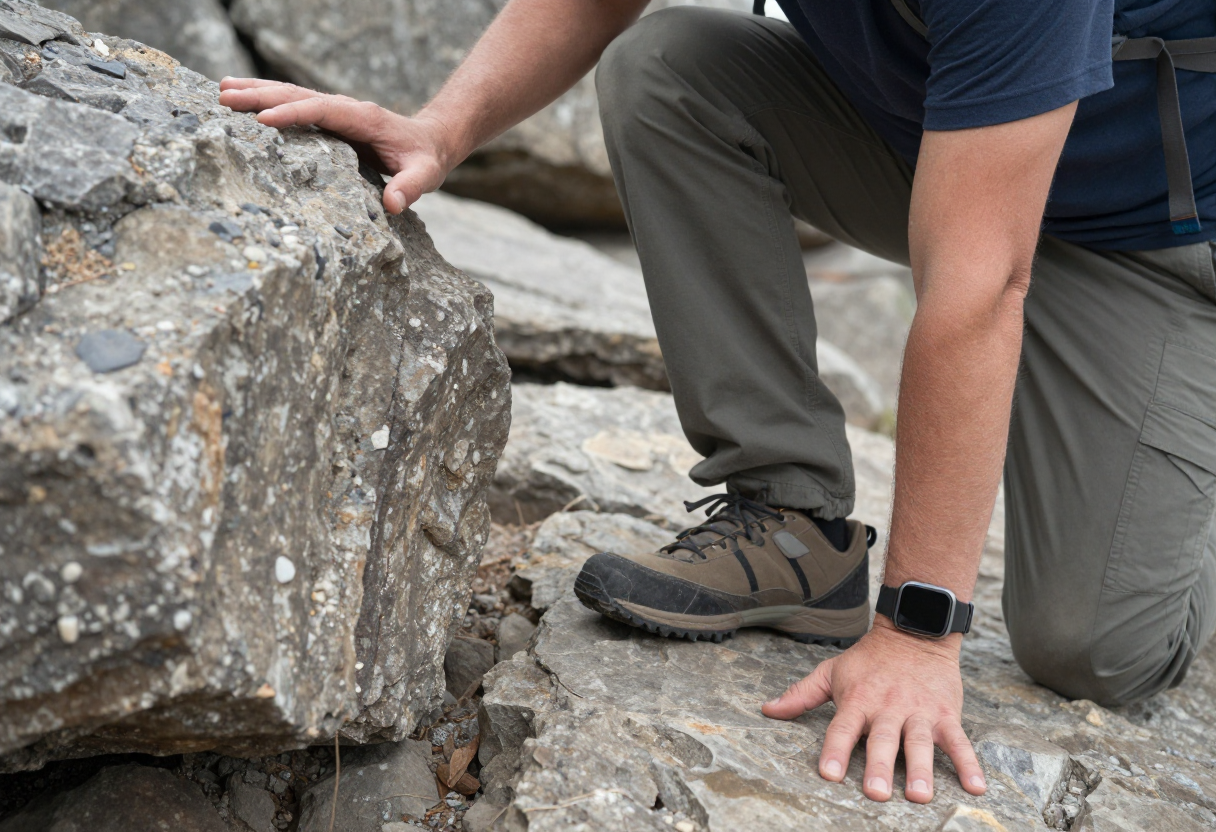
If the person is on a slope, use what you have. Trekking poles are invaluable here; they can act as outriggers to widen your base of support. If someone needs a hand up, they should reach for a stable anchor point—a large rock or a sturdy tree root—rather than just grabbing their partner's arm. Using the environment as an anchor is always safer than relying solely on human strength.
Body Positioning
Keep your center of gravity over your feet. If you are assisting someone, stay low and keep your weight distributed. Use "low-impact" movements: small steps and heavy leans into the hill. Avoid sudden lunges or reaching too far out. The priority is keeping everyone on the ground until a clear plan can be formed.
Post-Incident: The Slow Walk Back
Once the immediate danger has passed—meaning no one is actively sliding and everyone's footing is stabilized—the "slow walk back" begins. This is where many people make the mistake of trying to "make up for lost time." Don't do it. Adrenaline will be high, but your physical capacity might be lower than you think.
The Injury Audit
Before you move an inch further, perform a thorough check. Look for scrapes that might be deeper than they seem or joint pain that could indicate a sprain. Even if someone says they are "fine," keep them on your radar. Adrenaline masks a lot of minor (and some major) pain initially; what feels like a "scare" now might turn into an inability to walk in an hour.
Establish a Base
If the injury is significant or the group is exhausted, find a flat, safe spot to sit down for ten minutes. Drink water, eat a quick snack, and breathe. This "reset" helps lower heart rates and allows everyone to think clearly about the next move. It's much better to spend ten minutes sitting safely than five minutes moving recklessly toward an exit.
Coordinating Extraction
Decide on your path forward. Is it feasible to hike back out? If not, this is when you use your communication devices or call for help. Always check with your state's wildlife agency or local authorities regarding their specific protocols for backcountry extraction and what information they need from you (location, number of people, nature of the injury). Clear communication with officials is just as important as the physical move itself.
Inspired by The Trek.
About the Author
David Rodgers is the founder and writer behind Country Trailhead — a Marine Corps infantry veteran, Civil Air Patrol colonel, and Eagle Scout based in Oklahoma, drawing on decades of field-tested hunting, fishing, camping, and hiking experience. Read more about David and Country Trailhead →