
When the Weather Turns: Surviving Tropical Storms in Wetlands
Tropical storms introduce unique, severe hazards to coastal environments. This guide outlines immediate safety protocols—from assessing structural integrity on low roads to managing rapid tide changes—to keep you safe when the weather turns bad.
Written by David Rodgers — October 20, 2026
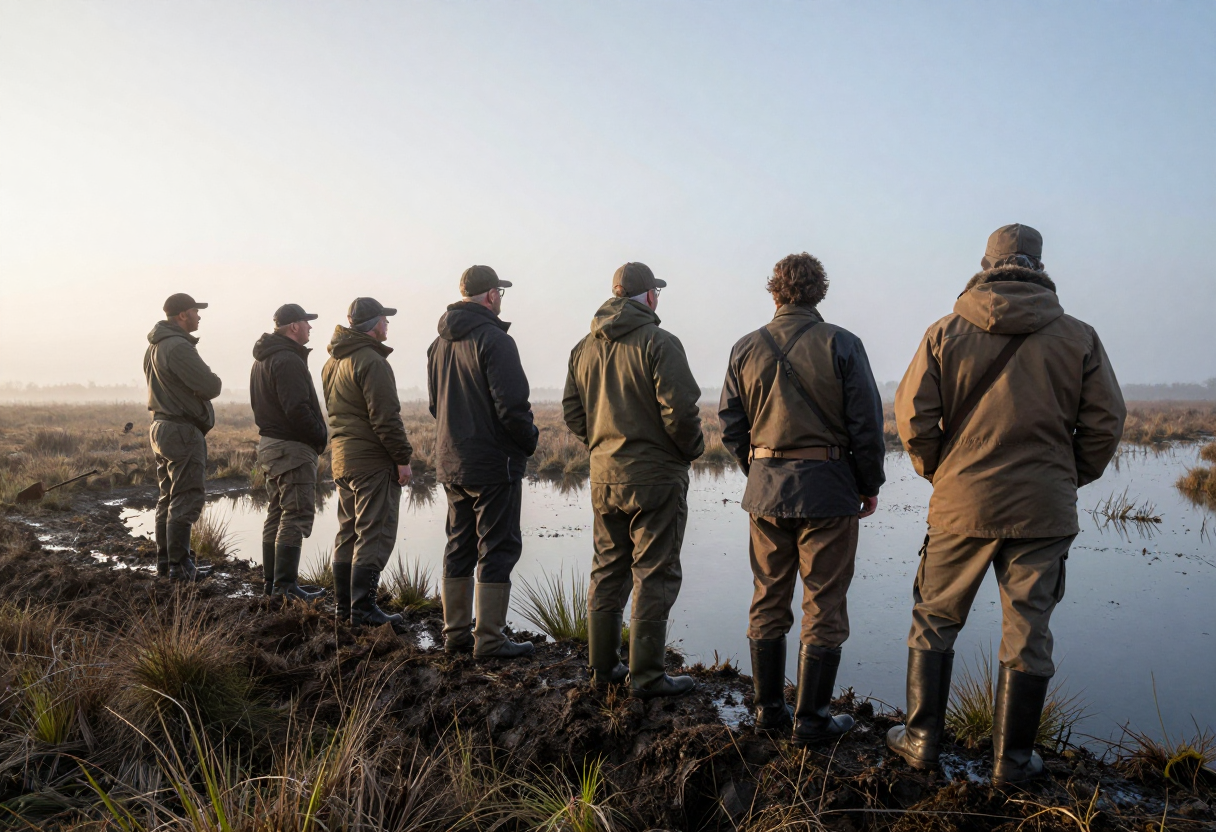
Before You Go: Reading the Warning Signs
When you’re planning an excursion into coastal marshes or inland wetlands, weather isn't just something to check on your way out—it is a primary component of your risk assessment. In my experience, "hoping" for better conditions doesn't keep anyone safe; it just leaves you unprepared when the clouds move in. You need to be actively monitoring official reports from agencies like NOAA and local authorities before you ever put gear in the truck. This isn't about being paranoid; it’s about having enough lead time to make a call on whether a trip is feasible or if you need to pivot to a safer location entirely. If there are watches, warnings, or even just "advisories" for your specific region, that is your cue to tighten up your protocols and ensure your exit plan is solid before the weather turns. Preparation must be proactive, not reactive.
The Immediate Hazards of Wetlands (Beyond Just Rain)
Wetlands present hazards that aren't always obvious until you are standing in them. When a storm moves in or water levels rise, "ground" becomes a relative term. What looks like firm grass can become saturated mud that pulls at your boots, making every step an exhausting struggle and potentially trapping you in soft spots. Low-lying areas can turn into basins for rising tides or runoff almost instantly. Beyond the mud, you have to account for moving water. Even in relatively still marshes, heavy rain creates currents and surges that move debris—logs, brush, and trash—through the vegetation. These items don't just sit there; they move with the flow of the water, creating unpredictable hazards. In coastal areas specifically, tidal surges can push saltwater inland faster than you can react, turning a predictable path into a maze of submerged obstacles and rapidly moving currents that can sweep someone off their feet in seconds.
Pre-Trip Checklist for Structural Integrity
Before heading out during a period of unstable weather, your scouting needs to be deliberate. This is where field discipline matters. You need to identify "hard" ground—areas with solid substrate like rock or compacted clay—versus the soft, unpredictable terrain that becomes treacherous when wet. Mapping out these zones before you leave gives you clear routes and safe havens if conditions deteriorate. I always recommend identifying natural anchor points along your planned route; think of these as high-ground waypoints where you can wait out a sudden surge or take shelter from heavy rain. If you know exactly where the land starts to give way, you won't be making split-second decisions while trying to navigate through mud and rising water. Knowing your "go/no-go" points on a map beforehand allows you to stay focused on the task at hand rather than panicking when the environment shifts.
On the Water: Managing Currents and Tides
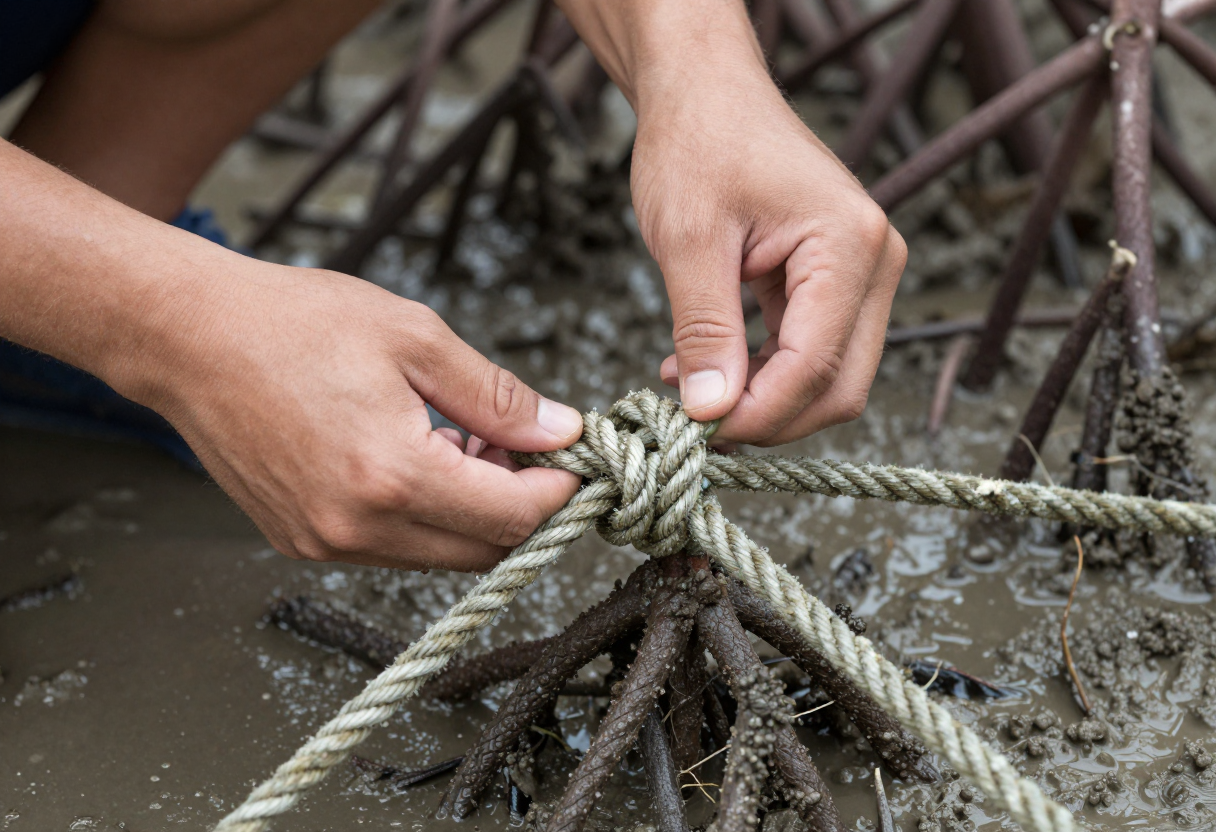
When conditions turn and you find yourself dealing with unexpected currents or high water, the goal is stability. If you are in a small craft and hit a strong current, your first instinct shouldn't be to fight it head-on—that leads to unnecessary exhaustion. Instead, focus on maneuvering toward an eddy or a point of resistance where the water slows down. If you have to move across a moving body of water, try to angle your movement toward the shore at a 45-degree angle rather than trying to paddle straight against the flow. Ensure all personal flotation devices are properly donned and secured; in these environments, they aren't just "recommended," they are essential gear for any situation where visibility is low or currents are unpredictable. If you become separated from your group or equipment due to rising water, stay put if possible until you can reach a designated high-point anchor mentioned in your pre-trip plan.
If Trapped: Shelter and Signaling
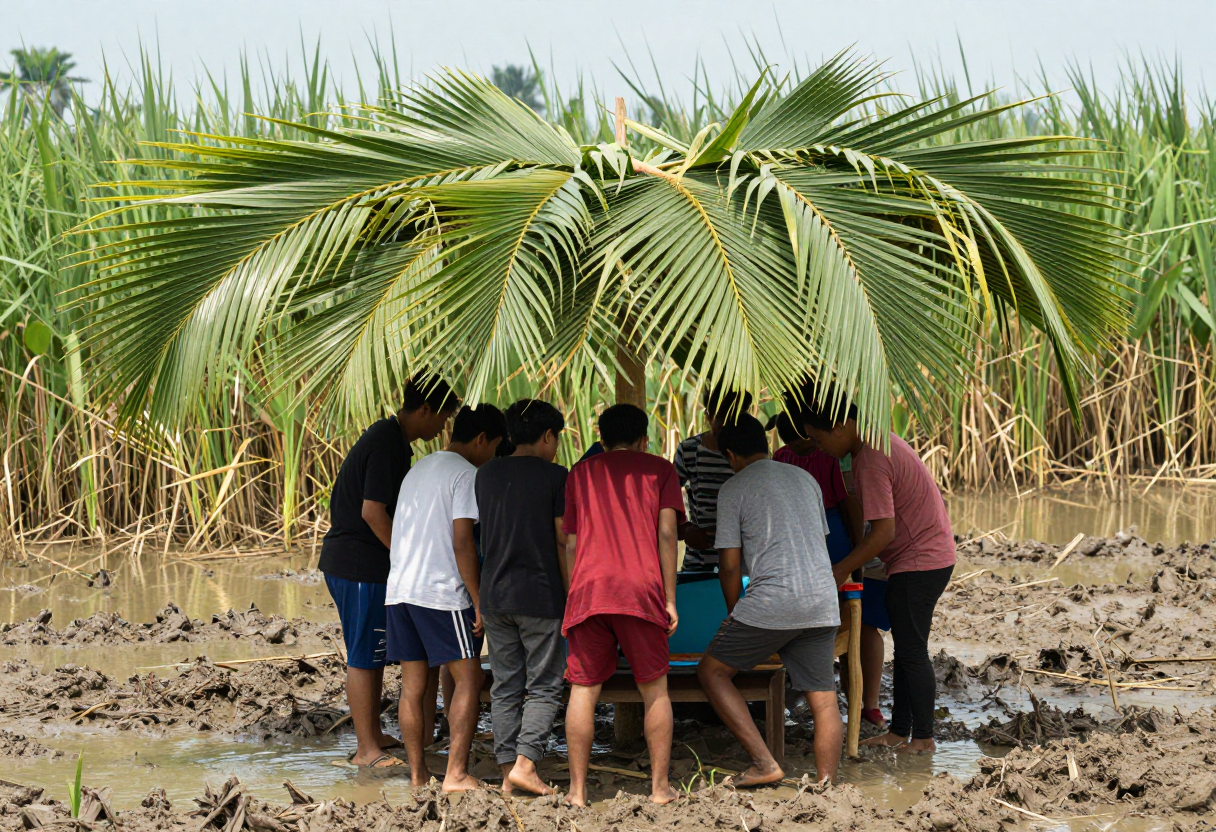
If the weather becomes severe and evacuation isn't an option, you move into survival mode. This is about staying visible and signaling for help. You should always carry basic signaling tools: a high-decibel whistle, a signal mirror (which works even in overcast conditions), and a high-visibility vest if you are working near water or in dense brush. These aren't extras; they are your primary ways to communicate when voices are drowned out by wind or rain. If forced to wait it out, find the highest ground nearby—even if that means moving away from your original target area. A simple emergency shelter can be as basic as a tarp and some paracord, but its main purpose is keeping you dry and identifiable. Keep your gear organized so you aren't digging through wet bags for essentials while trying to stay warm or signal someone passing by on the other side of a ridge.
What to Do After the Storm Passes (The Danger Lingers)
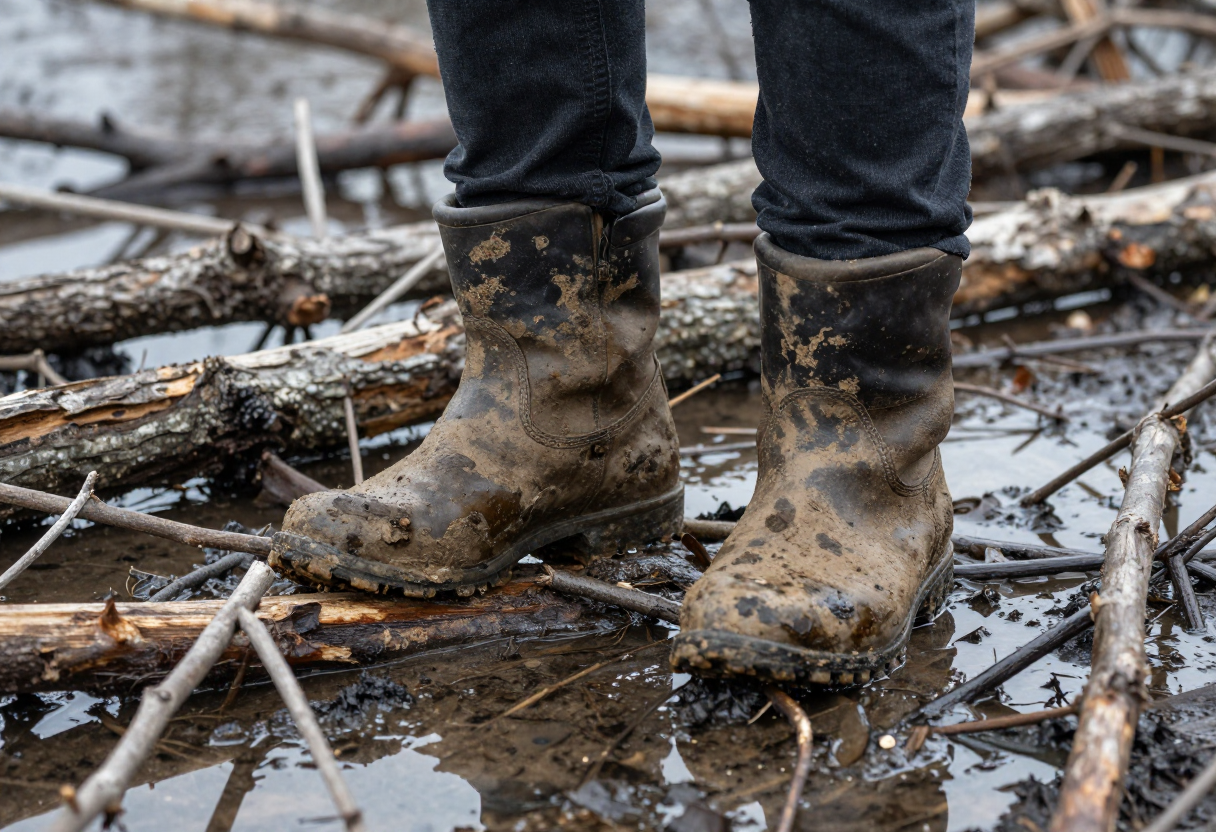
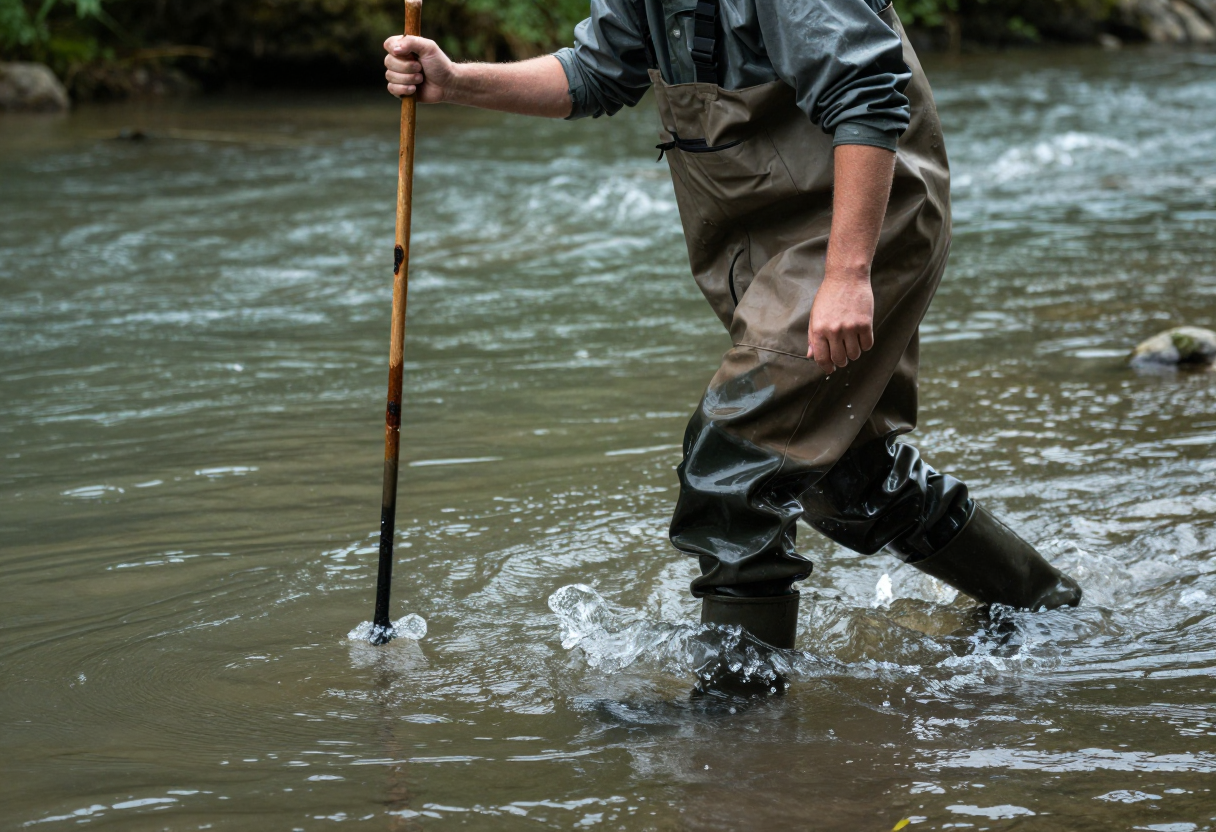
The danger doesn't end just because the rain stops. The period immediately following a storm is often when the most hazardous conditions emerge. Rapidly receding waters can leave behind "ghost" hazards—downed trees, washed-out embankments, and debris fields that are hard to spot in the mud or tall grass. In wetlands specifically, soil stability can be compromised for days after heavy saturation, making it easy to get stuck or cause a bank collapse. Before resuming your activities, take time to survey the area thoroughly. Just because you see a path doesn't mean it hasn't been altered by the water's movement. Be cautious of secondary hazards like downed power lines if you are near developed areas or unstable structures. For specific local regulations regarding land access and safety after weather events, check our State Resources page to find your state’s official wildlife agency information before heading back out.
Inspired by Outdoor Life.
About the Author
David Rodgers is the founder and writer behind Country Trailhead — a Marine Corps infantry veteran, Civil Air Patrol colonel, and Eagle Scout based in Oklahoma, drawing on decades of field-tested hunting, fishing, camping, and hiking experience. Read more about David and Country Trailhead →