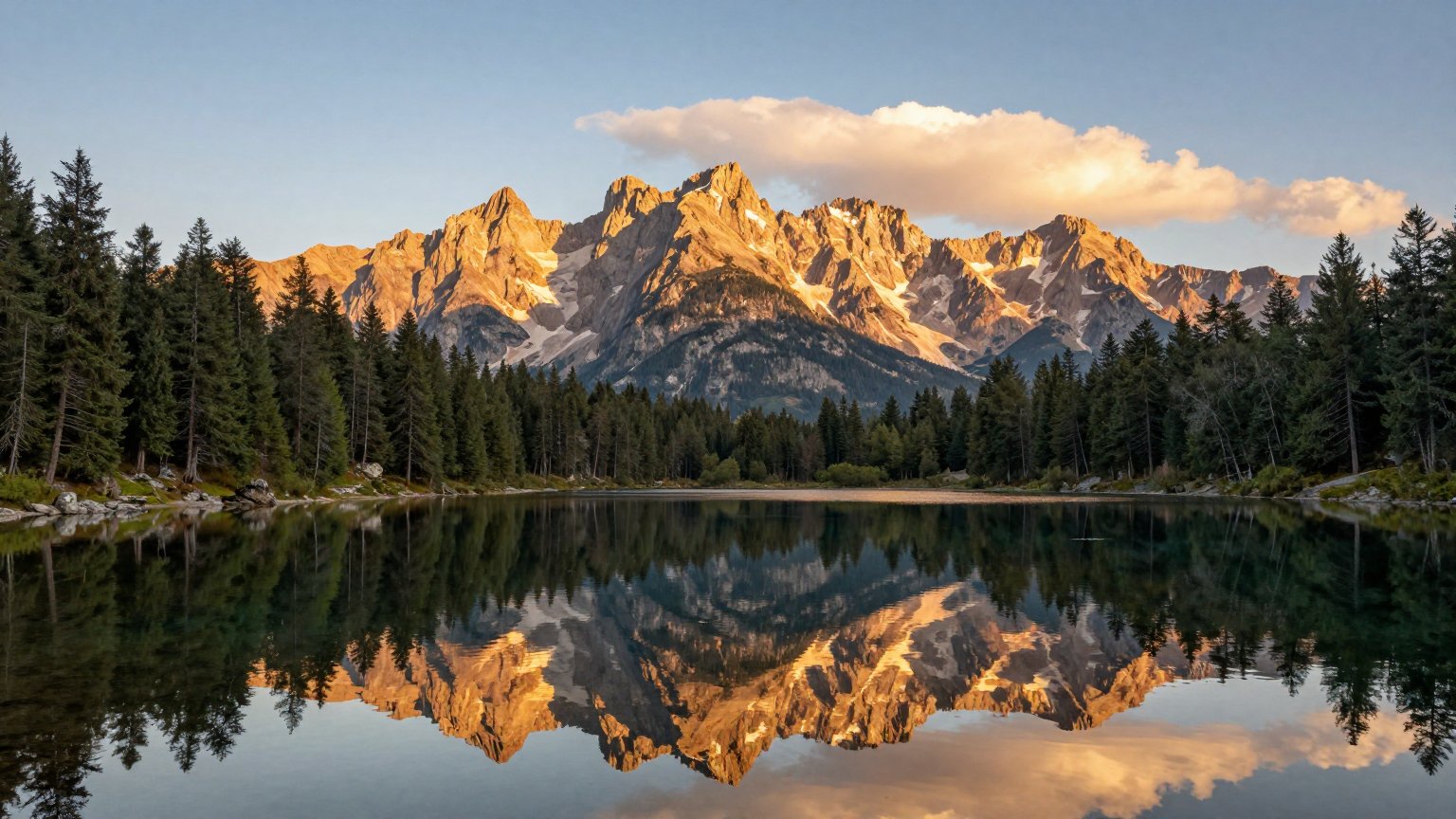

When the River Runs Low: Understanding American Basin Scarcity
We often treat rivers as stable resources, but systemic drought and complex water law mean that planning a trip requires understanding hydrology. This issue breaks down what 'water scarcity' really means in practice.
Written by David Rodgers — November 5, 2026
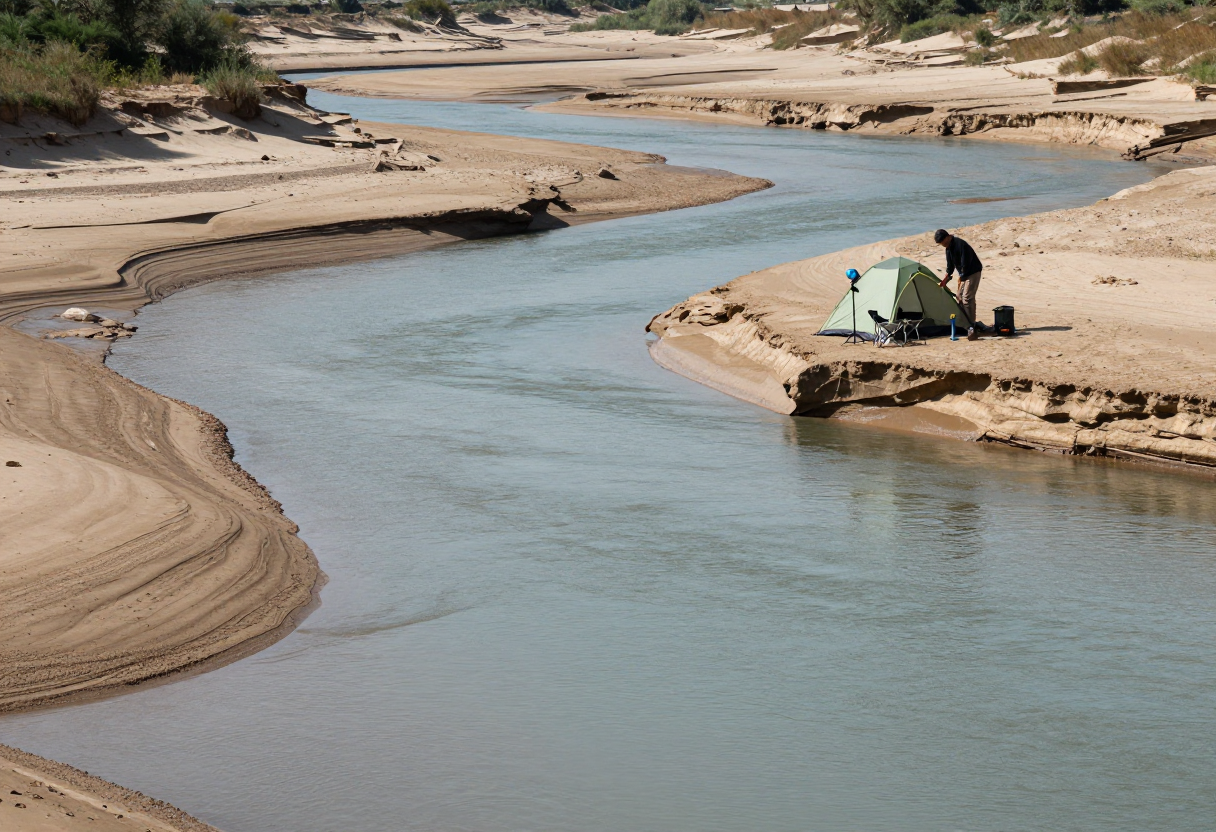
It’s not just about the weather—it's systemic failure
When we see a dry riverbed or a receding shoreline, it is easy to point at the clouds and blame a lack of rain for that specific season. While a drought certainly plays its part, the reality of water scarcity in many parts of the country, particularly in the American West and the Colorado River Basin, is much more complicated than just "bad luck" with the weather. We are dealing with systemic issues involving decades of legal agreements, infrastructure demands, and shifting climate patterns that have created a permanent state of tension over how much water can actually reach our rivers.
In my experience, whether you're looking at land navigation or resource management, understanding the underlying system is more important than just observing the immediate symptoms. Water isn't just flowing naturally from point A to point B anymore; it is being managed as a finite commodity by state governments and federal agencies. When you see low water levels, you’re seeing the intersection of climate reality and human policy. It means that for many regions, "normal" has shifted, and we have to adjust our expectations for what these outdoor spaces can provide us on any given trip.
The big picture: Understanding basin hydrology (and why it matters to your trip)
To understand why your favorite fishing hole might be looking different this year, you have to look at the "basin." Think of a river basin as a massive funnel. For places like the Colorado River and its tributaries, that water starts as snowpack high in the mountains—the "water towers" of the West. That snow melts and feeds the rivers that eventually provide water for millions of people, industrial agriculture, and, yes, our outdoor recreation.
Because so much of this water is diverted upstream for municipal use or irrigation before it ever reaches the lower basins, any reduction in snowfall or a slight increase in heat means there is less "surplus" left over for the river's natural flow. For you as an outdoorsperson, this matters because hydrology dictates the health and accessibility of your destination. When the basin is stressed, the water levels downstream don't just drop; the temperature can rise, the sediment load changes, and the very geography of the riverbed shifts. Understanding that your trip is tied to these massive, upstream decisions helps you realize why a "dry" year isn't just a fluke—it’s often a result of how we choose to move water across vast distances.
What low water means for fishing and habitat
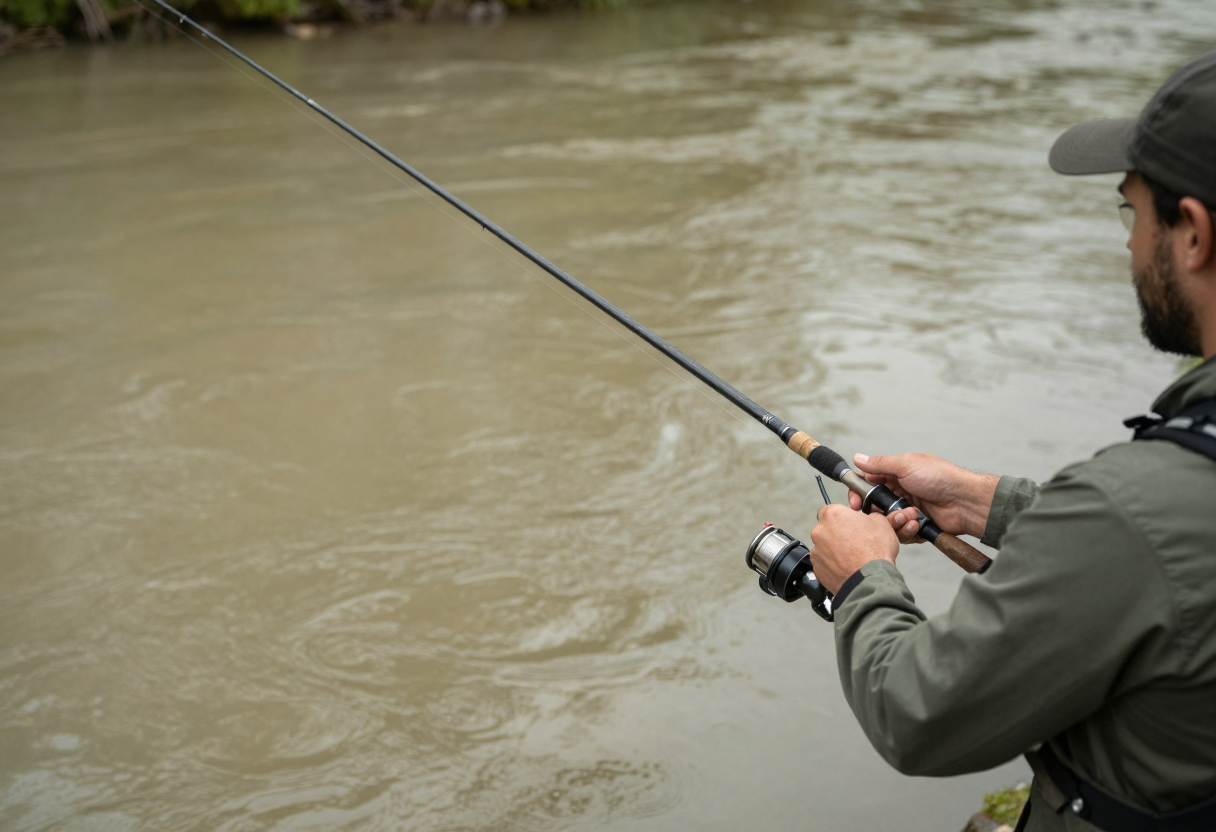
When the volume of water in a river drops, the fish don't just vanish into thin air; they react to their changing environment by moving to where they feel safest and most comfortable. For an angler, this is actually a piece of actionable intel. In low-flow conditions, fish tend to concentrate in "refuge" areas—deep pools with overhead cover, slower-moving eddies, or shaded sections of the river that maintain cooler temperatures.
Changes in Fish Behavior
- Concentration: Instead of being spread out across a wide stretch of water, fish will bunch up in high-quality habitat. This can make them easier to locate but also means more competition among the fish for limited resources.
- Aggression and Lethargy: Depending on the temperature spike caused by lower volume, fish may become more lethargic as they conserve energy, or they might become more aggressive if they are forced into smaller areas with less food.
- Structure Importance: Submerged logs and deep holes become even more critical. If you're fishing a river that’s running thin, focus your efforts on the "heavy" water—the spots where the depth stays consistent despite the lower overall flow.
Knowing these patterns helps you adjust your tactics. You aren't looking for fish in the middle of a dry stretch; you are hunting for the pockets of life that remain when the river is pushed to its limits.
Beyond the hook: Planning campings and hiking when resources are tight
Resource scarcity isn't just an issue for anglers; it changes the entire experience of camping and hiking. When water levels are low, the "rules" of your trip might need to change before you even pack the truck. One of the biggest shifts is how you source your own water. A creek that was a reliable source last year might be a trickle or completely dry this season. This means you may need to carry more water than usual or identify primary sources much further away from your intended campsite.
Safety and Terrain Considerations
- Water Sourcing: If you're hiking in an area experiencing high scarcity, assume your "on-the-go" water sources are unreliable. Plan for a higher volume of hauled water to ensure you have enough for both hydration and camp needs.
- Fire Risk: Lower water levels usually correlate with drier surrounding vegetation. This increases the risk of wildfires and often leads to stricter local fire bans or requirements for specific types of containment.
- Navigation Changes: In some cases, low water can expose new sandbars or dry out creek beds that you normally use as landmarks. If your route relies on following a waterway, be prepared for those "paths" to look different—or disappear entirely.
In my time in the Civil Air Patrol and with land navigation, I've learned that the most dangerous thing you can do is assume the terrain will behave like it did last year. Always plan for the worst-case scenario regarding water availability and fire safety.
Checking your local pulse: Preparing for 'Dry Seasons'
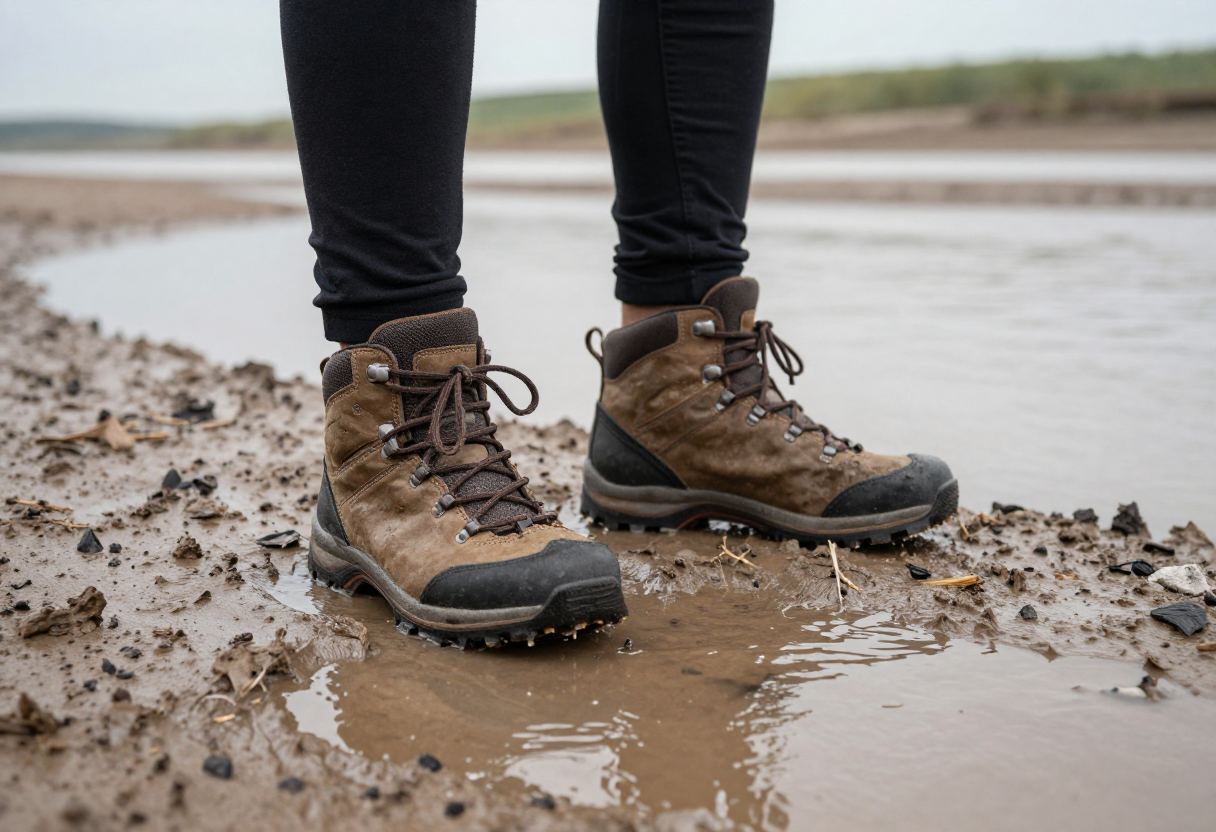
The best way to handle resource scarcity is to be proactive rather than reactive. You don't want to get three hours into a hike or a day of fishing only to realize the river is too low to fish or that the campsite water source is dry. Before you head out, do your homework on the specific basin and region you plan to visit.
Pre-Trip Checklist
- Check Flow Rates: Many state agencies provide real-time flow data for major rivers. If the cubic feet per second (CFS) are significantly lower than average for this time of year, adjust your expectations for fish behavior and water access.
- Verify Local Restrictions: Low water often triggers specific local regulations regarding fishing zones, water usage permits, or campfire restrictions.
- Consult State Resources: Because these rules change by state and even by county, you should always check the official wildlife agency site for your destination. They will have the most current information on "dry season" protocols.
By doing this work at home, you ensure that when you get into the field, you aren't guessing. You’ll know what to expect from the river and how to manage your resources responsibly so you can enjoy the trip without unnecessary stress or safety risks.
To see the most current conditions for your specific region, visit our State Resources page.
Inspired by MeatEater.
About the Author
David Rodgers is the founder and writer behind Country Trailhead — a Marine Corps infantry veteran, Civil Air Patrol colonel, and Eagle Scout based in Oklahoma, drawing on decades of field-tested hunting, fishing, camping, and hiking experience. Read more about David and Country Trailhead →