When the Land Itself Becomes a Commodity
Federal plans to sell off millions of acres of public land are reshaping the backcountry. We break down what these policy shifts mean for finding reliable hunting, fishing, and camping spots in the future.
Written by David Rodgers — November 17, 2026
What is Happening Out West: The Big Picture
If you spend any amount of time exploring the public lands of the Western United States, you know that access isn't a given—it’s something we have to be grateful for. However, there is a shift happening in how those lands are managed and owned. Recent strategic plans from federal agencies indicate a move toward "divesting" or selling off portions of public land. To put it plainly: the government is looking at pieces of what used to be common ground and making them available for private purchase or restricted use.
This isn't just some abstract bureaucratic shift; it’s about who gets to decide what happens on a piece of dirt. When federal land becomes a commodity, the priorities change from public recreation and conservation to industrial utility or private ownership. This can mean changes in how water is managed, how minerals are extracted, or simply who is allowed to walk across a certain ridge line. For those of us who rely on these spaces for our peace and our sport, it means the map we’ve been using—the one that shows open space as an invitation—is starting to get filled in with "No Trespassing" signs and restricted-use boundaries.
The Direct Impact on Hunters and Anglers
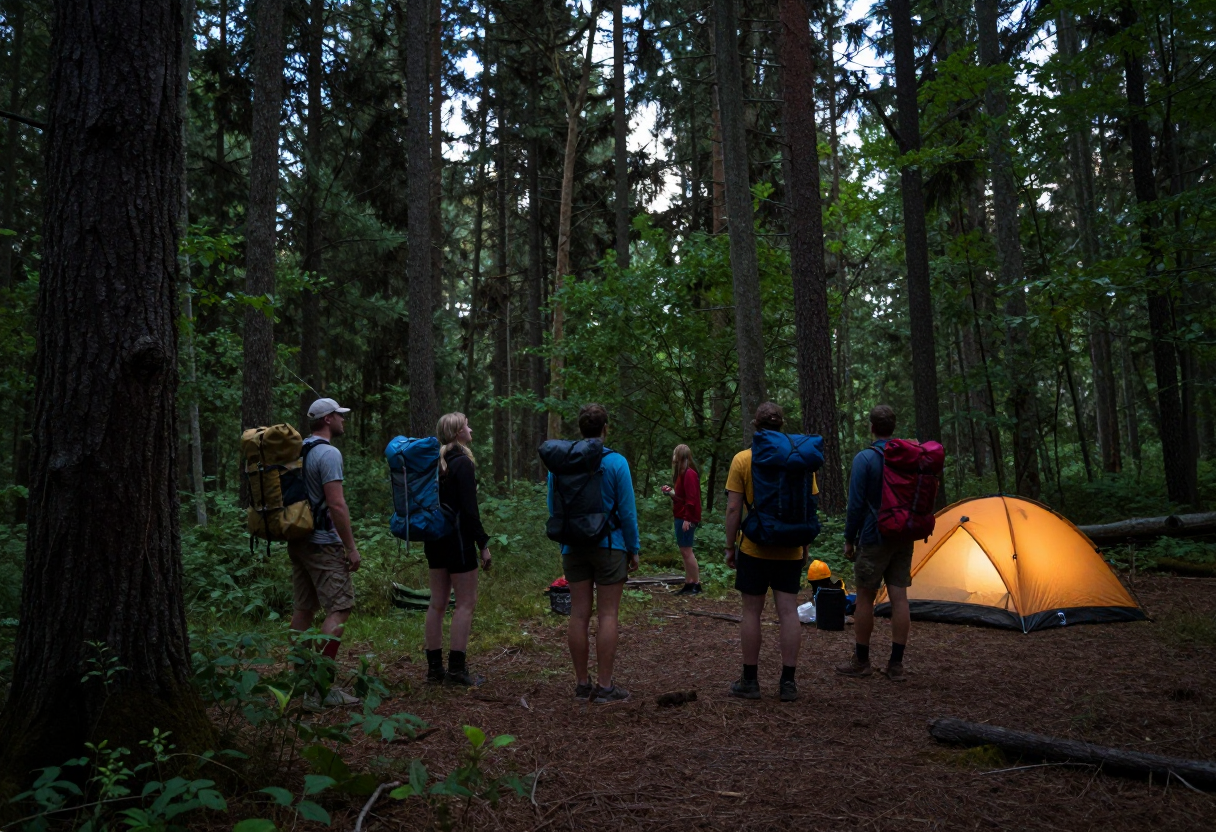
For those of us who head out into the backcountry, these selloffs translate directly into fewer places to go and a higher chance of being turned away. When public land is privatized, your options for dispersed camping, hiking trails, and hunting blocks shrink. I’ve seen this happen in smaller scales before, but when it happens on a federal level across large swaths of territory, the ripple effect is significant.
Loss of Access Points
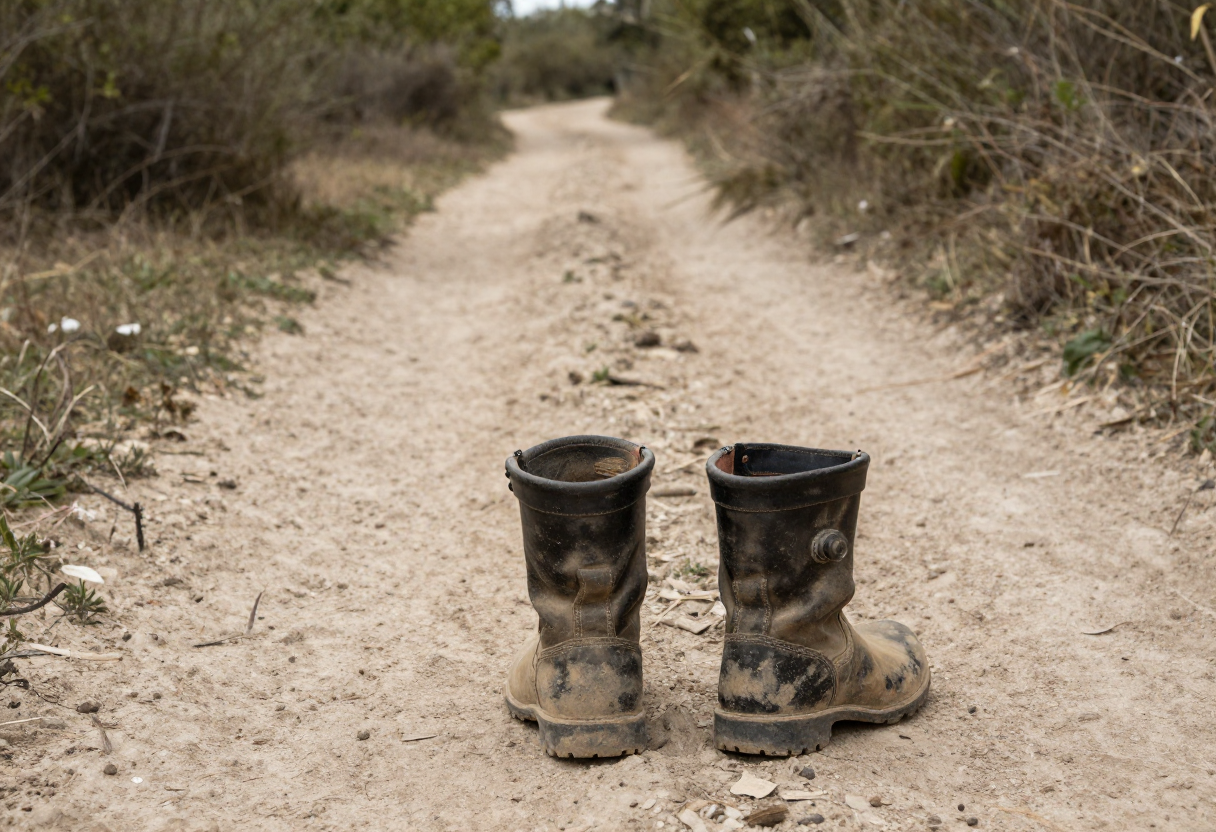
If a parcel of land near a popular river or mountain pass is sold to a private entity, that "shortcut" you used to take might suddenly be off-limits. This forces everyone onto the same few remaining public corridors.
Increased Competition for Space
When the total acreage available for recreation decreases, the pressure on what remains increases. You might find yourself in a situation where your favorite spot is now overcrowded because there are fewer "escape valves" in the surrounding area.
Changing Landscapes
Private ownership often comes with different rules regarding land use. A piece of land that was once managed for wildlife habitat might be repurposed for timber, mining, or industrial projects, which can degrade the very environment we enjoy and hunt in. Always remember to check your state’s official wildlife agency website because these changes are happening at different speeds across various regions.
Understanding the Tradeoffs: Why This Matters to Your Trip Plan
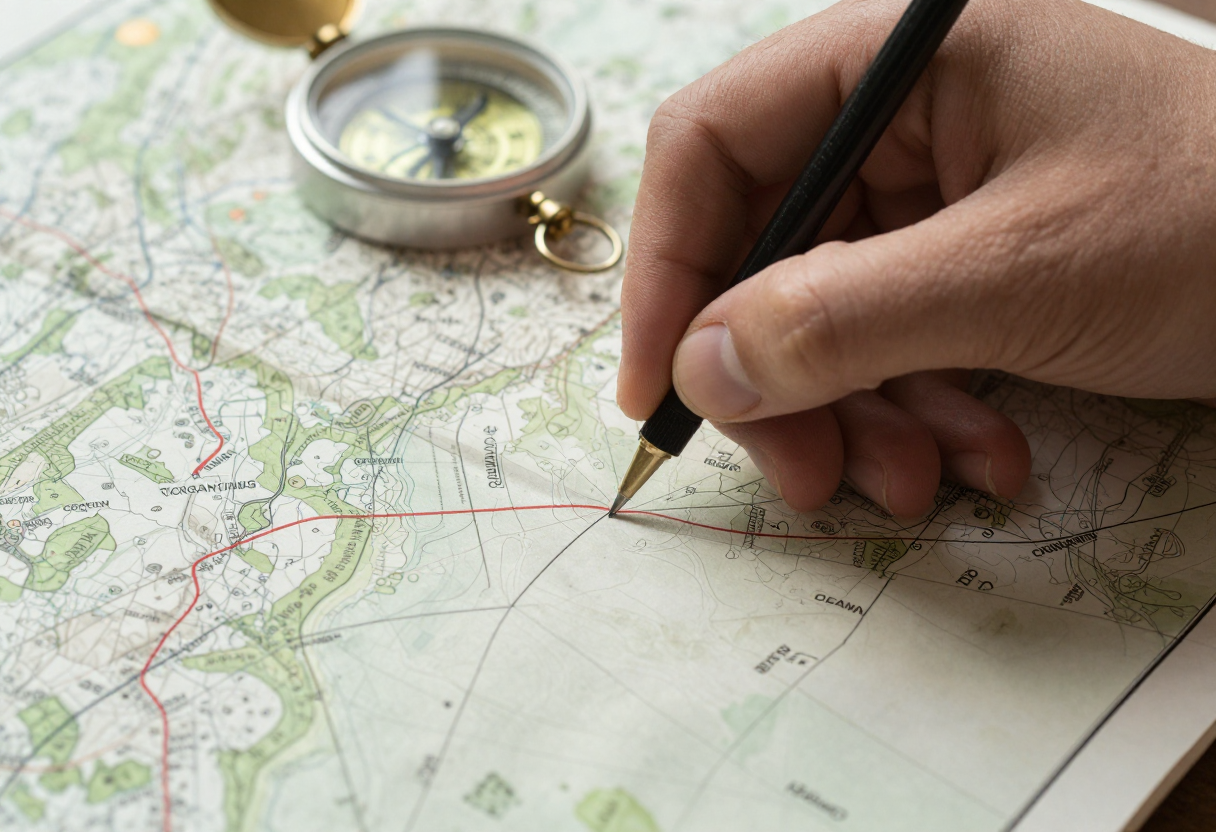
One of the things I learned during my time in the Marine Corps is that logistics matter—you have to plan for the reality of the ground you're standing on. When public land is restricted or sold, it fundamentally changes your trip planning. It’s no longer just about finding a good spot; it’s about navigating a more complex patchwork of ownership. This creates a systemic risk: as "easy" access points disappear, beginners and experienced hands alike are pushed into higher-traffic areas, which can lead to safety concerns and a diminished experience for everyone.
There is also the factor of reliability. If you rely on a specific public land area because it has consistent weather patterns or reliable water sources, that reliability is at risk if the management of that land changes from federal oversight to private hands. You have to start looking further afield and planning your routes with more flexibility. It means doing more homework before you head out—checking current maps, verifying ownership status, and being prepared for a "Plan B" when your primary destination is no longer accessible or has been significantly altered by new land-use policies.
What Can We Do Right Now? Local Action Steps
It can feel overwhelming to hear about massive federal shifts and wonder if there's anything an individual outdoorsperson can do besides just accept it. The truth is that public land management is often influenced by local pressure and consistent advocacy. You don’t have to be a lobbyist in D.C. to make a difference; you start where your feet hit the ground.
Stay Informed Locally
Keep an eye on what's happening in your specific region. Local land trusts, conservation groups, and state-level wildlife organizations are often the first to know about proposed selloffs or changes in management plans. These groups are usually the ones fighting to keep public access open.
Engage with Your Representatives
When a specific parcel of land is up for discussion, that’s when your voice matters most. Contacting your local and state representatives to express how public land access impacts your lifestyle—whether it's for hunting, fishing, or just getting some time in the woods—is a concrete way to stay involved.
Use Available Resources
Stay proactive by using tools like our State Resources page to keep up with regional changes. The best way to protect these lands is to show that they are being used and valued by the people who live near them and travel to them. Advocacy isn't just about big speeches; it’s about making sure the people in charge know that for many of us, this land is our backyard.
Inspired by MeatEater.
About the Author
David Rodgers is the founder and writer behind Country Trailhead — a Marine Corps infantry veteran, Civil Air Patrol colonel, and Eagle Scout based in Oklahoma, drawing on decades of field-tested hunting, fishing, camping, and hiking experience. Read more about David and Country Trailhead →