When Private Money Meets Public Land: What it Means for National Parks?
National parks are supposed to be open space. But when wealthy developers start buying up land adjacent to park boundaries, the promise of truly wild access gets complicated. We dive into how these private deals could change everything about places like Yosemite.
Written by David Rodgers — September 15, 2026
The Legal Landscape: What exactly is being proposed?
When we talk about land swaps, it sounds like something that only happens in a boardroom with lawyers and maps spread across a table. In plain terms, however, a land swap is when the government trades pieces of public land for private property or specific rights to use that land for non-public purposes. This often happens around National Parks under the umbrella of "multi-use" mandates. The goal is frequently to balance competing interests—like giving a timber company some acreage in exchange for protecting another tract, or allowing a developer to build infrastructure near a park boundary in exchange for certain conservation concessions elsewhere.
It isn't always a direct trade of dirt for dirt; sometimes it’s about "easements" or "concessions." These are legal permissions that allow private entities to operate on public land, such as building roads, lodges, or specialized facilities. While these deals are often framed as ways to generate revenue or provide "convenience," they create a complex web of ownership and access rights that can change the boundaries of what we consider "wild" versus "managed."
Beyond the Trailhead: Why do these deal matter to us, right now?
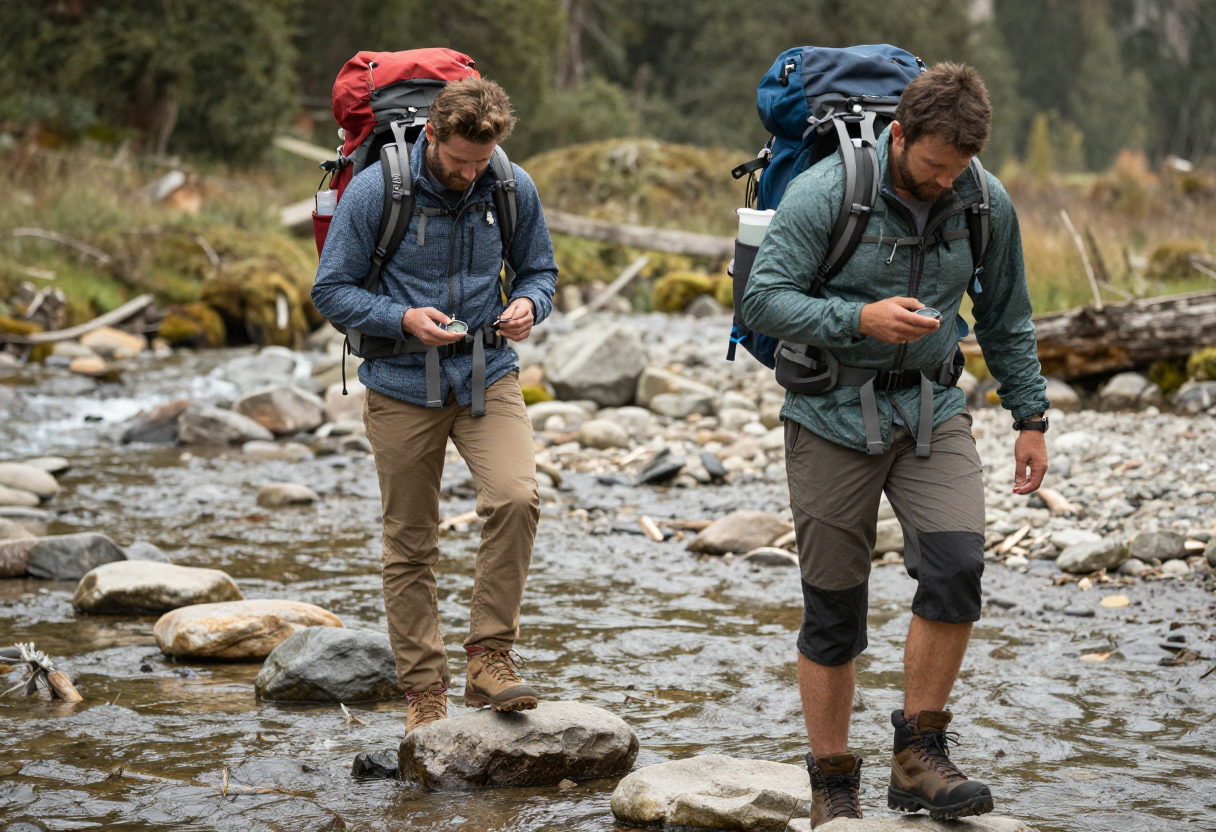
I don’t care much about how a contract is worded in D.C., but I do care when I get to my favorite trailhead and realize the quiet has been replaced by something else. These land deals aren't just lines on a map; they manifest as physical changes to our experience. A "minor" road expansion for a nearby development can fundamentally change how we access public lands, potentially funneling more traffic into areas that were once remote.
When private interests gain rights near park boundaries, it often leads to the erosion of buffer zones. These buffers are what keep the noise and light pollution of civilization at bay while you’re out scouting a hunt or trying to find a quiet spot for a weekend camp. If a piece of land right next to a National Park is sold with "commercial use" rights, that's where we start seeing more people, more vehicles, and less solitude. It changes the "feel" of the wilderness from something vast and untouched to something managed and partitioned.
The Developer’s Pitch vs. The Public Good
The debate over these deals usually boils down to a clash between immediate utility and long-term preservation. On one side, proponents—often including local governments or developers—argue that private investment brings infrastructure, jobs, and better access for the public. They might argue that by allowing some development on "marginal" lands near parks, they can fund improvements like paved roads or visitor centers that benefit everyone in the long run. It’s a play for convenience and economic growth.
On the other side is the reality of what we lose when those compromises are made. Once public land character is sold off or leased out to private interests, it is incredibly difficult to get back. We have to ask if the trade-off—a few more amenities in exchange for a piece of our wild heritage—is actually worth it. For many of us who spend our time outdoors, the "public good" isn't just about having a paved parking lot; it’s about preserving the integrity of the land so that it remains something we can share with the next generation without compromise.
What can the average visitor do?
You don’t have to be a lawyer or a politician to have a say in how our public lands are managed, but you do have to stay informed. The first step is staying local. Most of these decisions start at the county or state level before they ever reach a federal oversight committee. Attending local planning meetings or reaching out to your state representatives about specific land use issues can make a real difference in how "buffer zones" are protected.
Beyond that, supporting established conservation organizations provides you with a louder megaphone. These groups have the resources to monitor legislative changes and fight for public access. If you see something concerning—like a proposed road expansion or a change in local zoning near your favorite spot—the best move is to document it and share it with these advocacy groups. While I can't tell you exactly how every specific piece of land will be managed, staying engaged ensures that the "public" part of public land remains the priority. For any questions on state-specific regulations or local land use rules, always check your state’s official wildlife agency resources to see what protections are currently in place for your area.
Inspired by Backpacker Magazine.
About the Author
David Rodgers is the founder and writer behind Country Trailhead — a Marine Corps infantry veteran, Civil Air Patrol colonel, and Eagle Scout based in Oklahoma, drawing on decades of field-tested hunting, fishing, camping, and hiking experience. Read more about David and Country Trailhead →