
When Nature Stops Running: Planning for Post-Disaster Hiking
Disasters force us to rethink the fundamentals of outdoor travel. This issue covers protocols for managing water contamination, navigating closed routes, and making safe decisions when national parks are operating under emergency conditions.
Written by David Rodgers — September 30, 2026
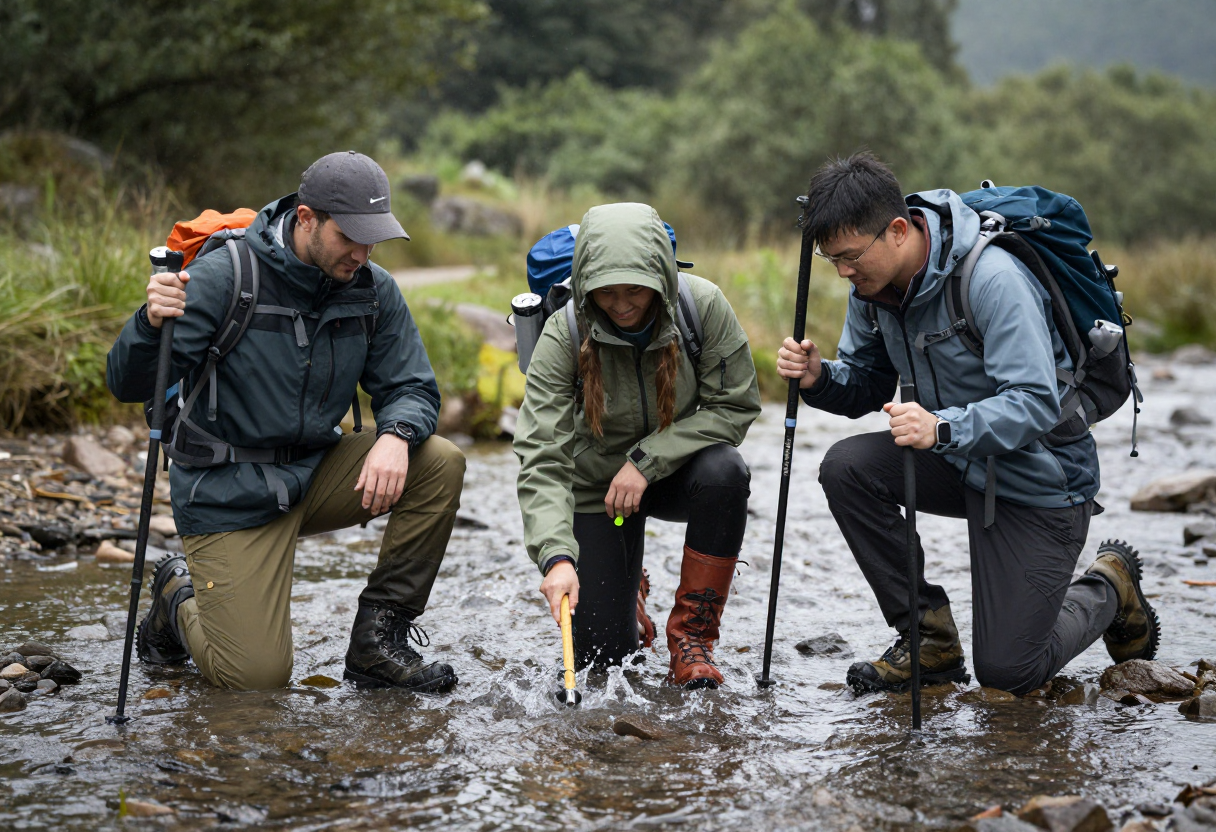
The biggest assumption we make: That the path exists
Most hikers operate under a fundamental assumption that if a trail is officially open, it is safe to travel. In my experience—both in the backcountry and during more disciplined operations—that is a dangerous way to look at things. A flash flood or a significant weather event doesn't care about park boundaries or official signage. It can wash out culverts, buckle roads, and turn established paths into treacherous terrain of mud, heavy debris, and unstable earth.
When you are deep in the backcountry after a major environmental event, your first rule is to assume that any infrastructure—bridges, signs, markers, and trail blazes—is compromised until proven otherwise. You aren't just following a pre-determined path anymore; you are navigating an environment where the "standard" rules have been suspended by nature. If the ground looks soft or a crossing looks unstable, don't assume it was built to handle your weight today. Stop looking for signs and start looking at the actual condition of the earth beneath your boots.
Water First: The triple-check protocol for survival
Water is the most critical factor when things go just slightly off-script. In a post-disaster scenario, specifically following heavy rains or flooding, any surface water must be treated as contaminated. You aren't just dealing with common bacteria; you are potentially dealing with agricultural runoff and other hazards that get stirred up and moved through systems during high-water events.
To manage this risk, I recommend a triple-check protocol for your water supply:
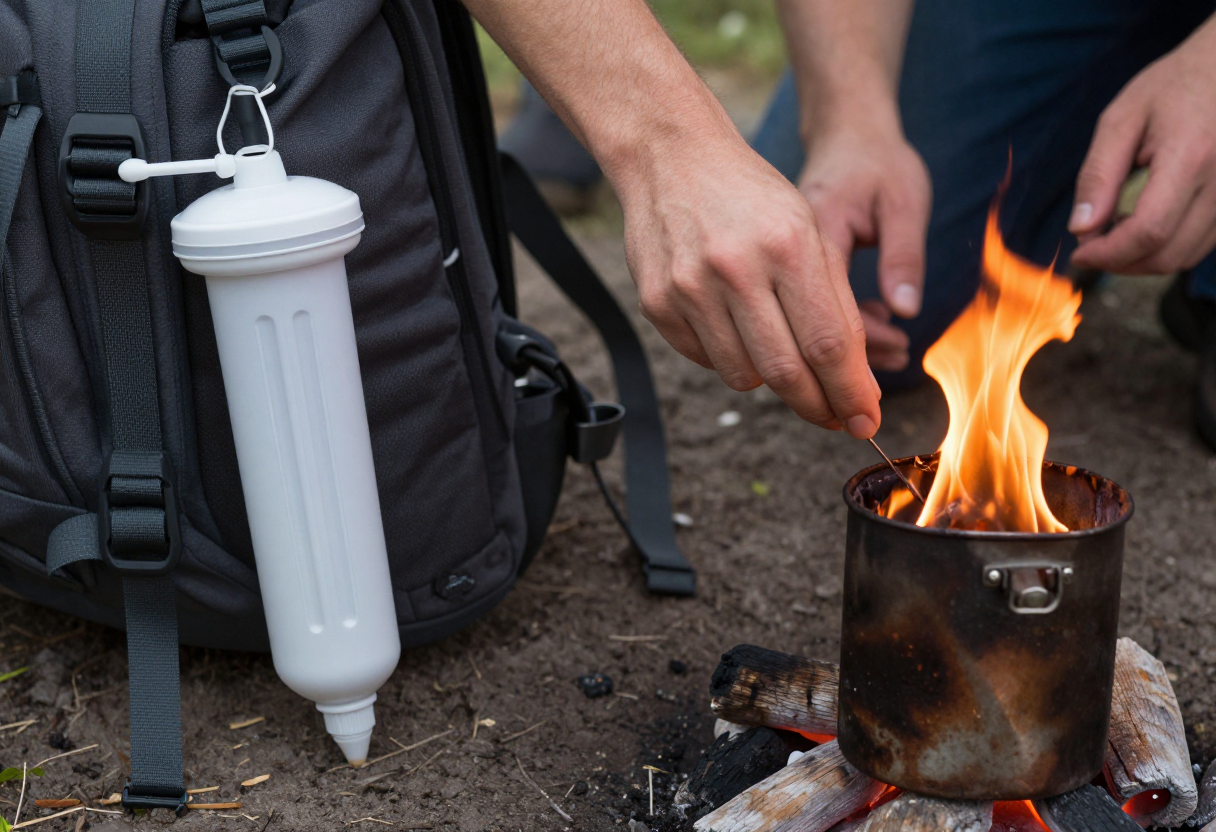
- Filter: Use a high-quality mechanical filter to remove sediment and protozoan organisms.
- Boil: If you have the means, boil the filtered water to kill viruses and other pathogens.
- Chemical Treatment: Add a chemical treatment (like iodine or chlorine dioxide) as an extra layer of defense or as your primary method when boiling isn't practical due to fuel constraints.
If you are relying on one single method in a disaster zone, you are taking a gamble you don't need to take. When the water source is questionable, redundancy is your best friend.
When the trail is closed, what do you do? Reading the landscape instead of the signposts.
When signs fail and the physical path is destroyed or blocked, your focus must shift from following markers to reading the land itself. This means looking at how water moves through the terrain. You should look for "scars" in the earth—dry creek beds, areas where soil has been stripped away, or sediment deposits—to understand local drainage patterns.
You need to identify high ground that won't become a collection point for runoff during subsequent rains. If you encounter a washed-out section or an impassable obstacle, don’t just try to forge ahead blindly into the brush. Stop and scout. Look for stable footing away from "trap" zones like low-lying basins or areas with heavy debris piles that could indicate a recent slide. Your goal is to move toward stability while avoiding the paths that water naturally wants to take. If you can't see the path clearly, it’s usually because nature has reclaimed it as its own drainage system.
The biggest mistake: Underestimating resource depletion time.
One of the most common mistakes I see from experienced hikers who get caught off guard by environmental changes is underestimating how long it takes for things to return to "normal." In a disaster scenario, your ability to reach an exit point or be rescued isn't guaranteed on your original timeline. Roads may be blocked by mudslides, and search-and-rescue teams will be stretched thin as they prioritize immediate life-safety issues.
You have to assume you could be stranded—not just for an hour while you wait for a storm to pass, but for a full day or more while waiting for conditions to clear or for roads to be cleared. This means your pack must contain enough calories and water to sustain you through a significant delay. Do not rely on the hope of reaching a trailhead by sunset; plan for the reality that you might have to hunker down and ration your supplies until you can move safely again.
Final Checks: The non-negotiable gear and mind prep list.
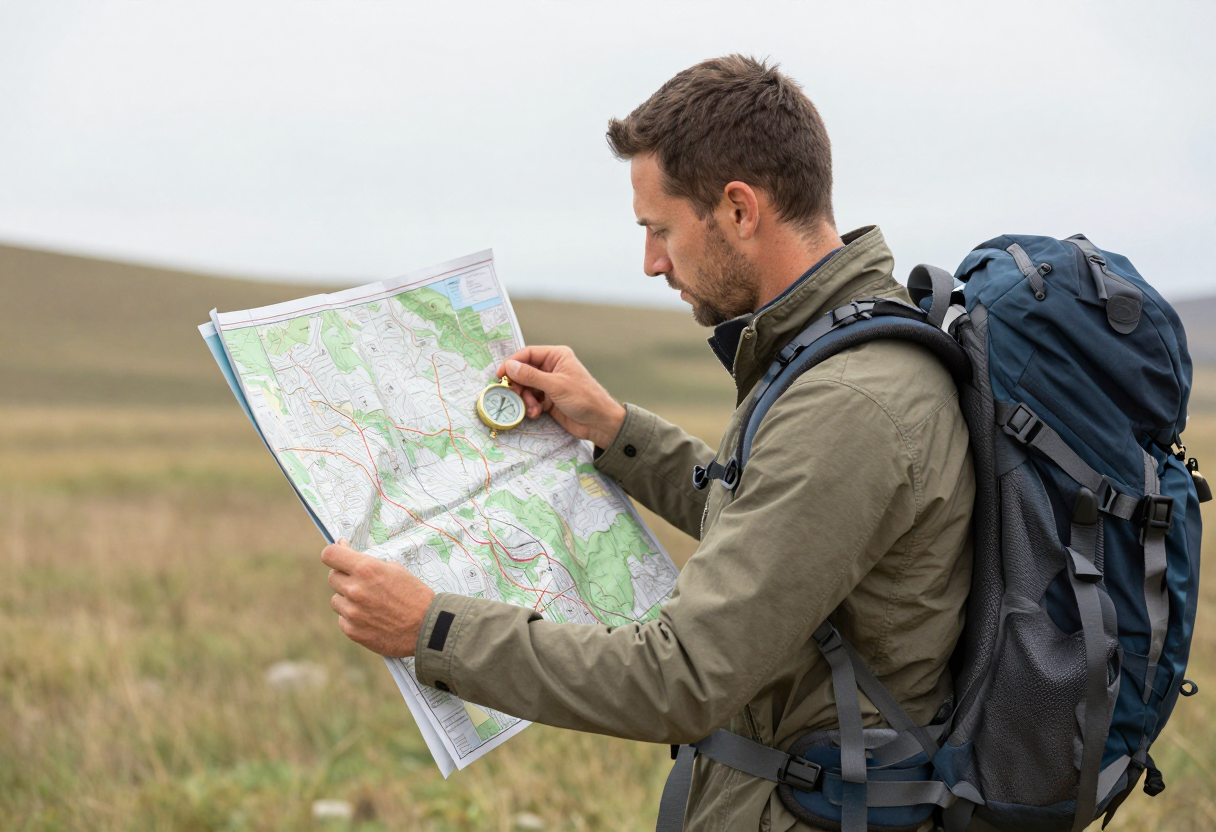
To navigate these scenarios effectively, your gear and mindset must be based on redundancy rather than convenience. You should never rely on a single point of failure when the "plan" falls apart.
Essential Gear
- Satellite Messenger: A dedicated device (like an InReach or Zoleo) is mandatory because cellular service is often the first thing to fail in a disaster zone. It provides your only reliable link for non-emergency coordination and emergency signaling.
- Redundant Navigation: Carry both a GPS unit/app and a physical map with a compass. If your electronics fail due to moisture or battery drain, you need a manual backup.
- Emergency Rations: Pack high-calorie, stable food that can sustain you for at least 48 hours beyond your expected "out" time.
Mindset Preparation
The most important tool is the ability to stay calm and make logical decisions when things get complicated. It is easy to let panic dictate your movements when a trail disappears or weather turns foul. Stick to the fundamentals: navigation, hydration, and situational awareness. When you keep your head, you can adapt your route without making impulsive choices that could lead to more danger.
Inspired by Backpacker Magazine.
About the Author
David Rodgers is the founder and writer behind Country Trailhead — a Marine Corps infantry veteran, Civil Air Patrol colonel, and Eagle Scout based in Oklahoma, drawing on decades of field-tested hunting, fishing, camping, and hiking experience. Read more about David and Country Trailhead →