
When Nature Gets Angry: Tropical Storm Safety for Outdoor Trips
Coastal adventures are amazing, but tropical systems demand serious planning. This guide covers everything from pre-trip logistics and understanding storm surge to immediate safety protocols in the field.
Written by David Rodgers — October 11, 2026
Reading the Warning Signs: When to start worrying
In my experience, the biggest mistake people make with tropical systems is waiting until they see the clouds on the horizon before making a move. By that point, your window for safe travel has already closed. You need to be looking at the forecast weeks out if you're planning a trip near the coast.
You have to understand the difference between a "watch" and a "warning." A tropical storm watch means conditions are possible within 48 hours; that is your signal to check your gear, double-check your fuel levels, and make sure your emergency contacts know where you're headed. A warning means it’s happening or about to happen. If you hear the word "warning," the time for planning is over and the time for action begins. Don't wait for a "feeling" in the air—humidity and wind are hard to gauge until they become dangerous. Rely on official weather channels, but use those warnings as your trigger points for decision-making. If you’re in a grey area of uncertainty, always lean toward the more cautious option.
Pre-Trip Logistics: The 72-Hour Plan
If a tropical system is brewing within a few days' radius, you need to treat the next 72 hours as your preparation window. This isn't about "preparing for a storm" in the abstract; it’s about ensuring you aren't stranded when the roads get messy or supplies run low.
- Communication: Give someone inland who is not on your trip your exact itinerary and a "hard" check-in time. If they don't hear from you by that time, they need to know exactly what to do.
- Fuel and Supplies: Fill up your tanks early. Gas stations in coastal areas often run dry or lose power during heavy systems.
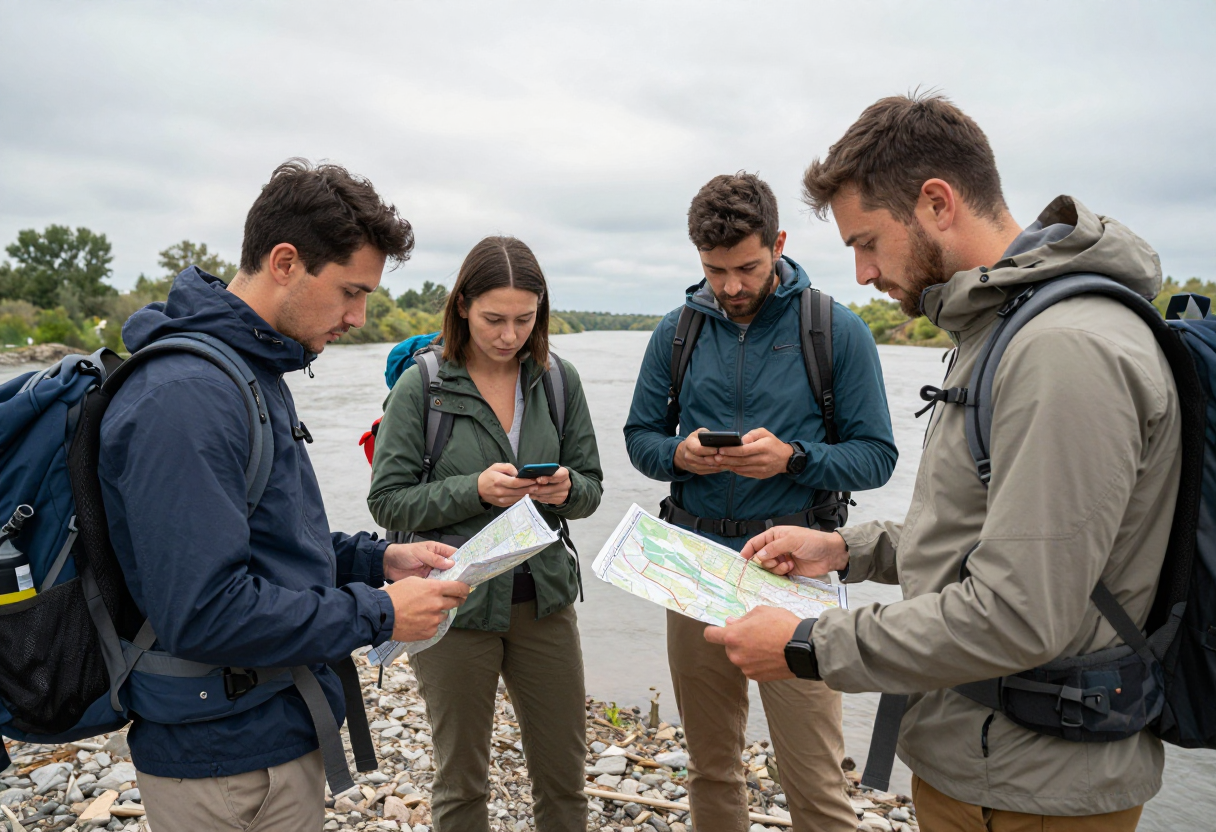
- Redundancy: Relying on a single GPS unit or a cell phone is a risk when towers go down or batteries drain faster in high-humidity, high-heat environments. Carry a physical map and a compass—tools I still rely on because they don't need a signal to work.
- Gear Check: Ensure your dry bags are sealed and your navigation tools are accessible. If you’re camping, ensure your site isn't in a low-lying area that could become a basin for runoff.
Understanding Your Threat: Surge vs. Flash Flood
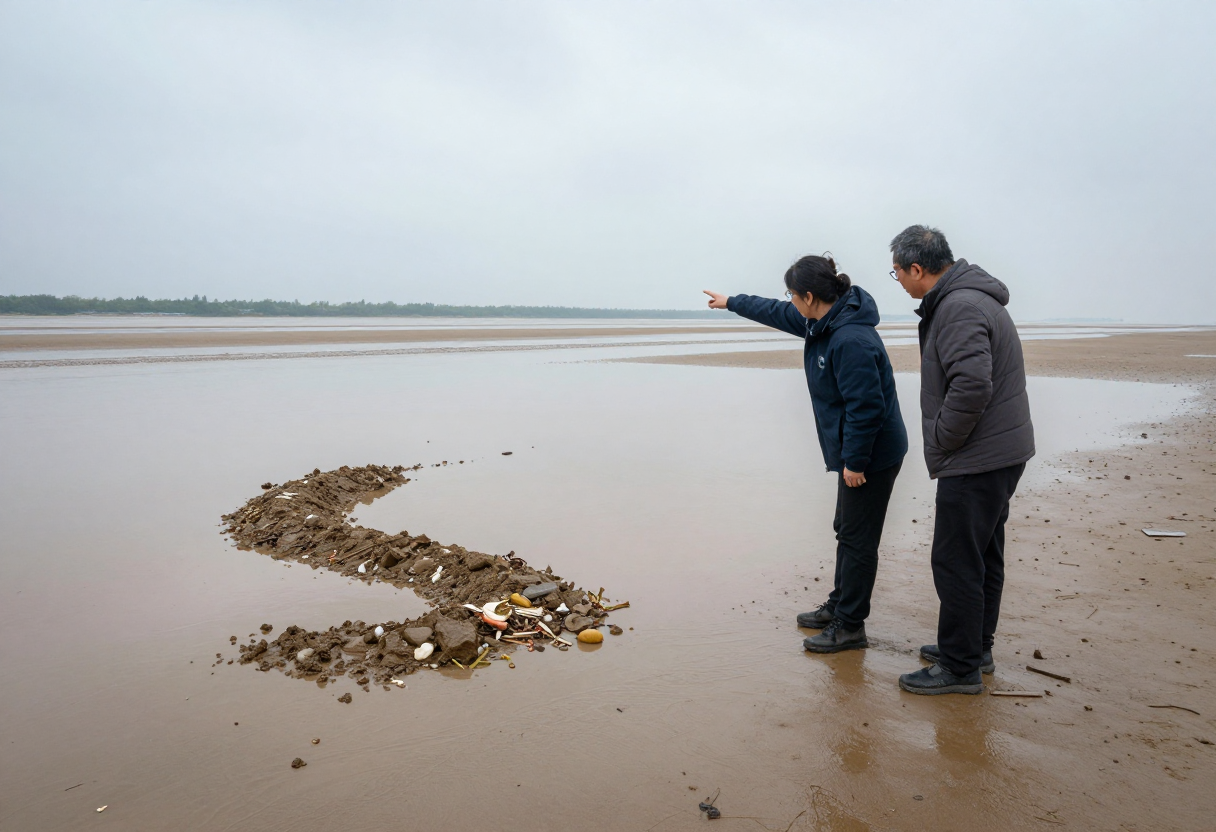
Not all water is the same when it hits. Knowing the difference between storm surge and flash flooding dictates how you move on the ground. Storm surge is essentially the ocean being pushed inland by wind; it’s a rising sea level that can travel miles inland, especially in low-lying coastal plains or estuaries. Flash flooding, however, is caused by heavy rainfall hitting the ground all at once. This happens in canyons, near riverbeds, and in urban drainage systems.
| Threat Type | Primary Cause | Movement Pattern | Decision Factor |
|---|---|---|---|
| Storm Surge | Wind/Pressure | Moves inland from coast | Seek high ground immediately; move away from shorelines. |
| Flash Flood | Heavy Rainfall | Rapid runoff in low spots | Avoid canyons, dry creek beds, and drainage basins. |
Because these threats manifest differently, your "safe" zone depends on where you are. If you're near the coast, surge is your primary concern; if you’re in a canyon or high-desert area with heavy rain, flash floods are the immediate danger. Check your state’s official resources to see how local geography affects these specific risks.
On The Ground: Route Deviation Protocol
If you are already out on the trail, at a campsite, or out on the water when the weather turns, you need a "go" plan. This isn't about trying to outrun the storm—you can’t. It’s about moving to a pre-scouted location that offers safety from the specific threats mentioned above.
If you see signs of rising water or receive an emergency alert while in the field, your first priority is reaching high ground that won't be cut off by mudslides or debris flows. For hikers and campers, this means identifying "high points" on your map before you leave home. If a trail becomes impassable due to flooding, do not attempt to cross moving water; even six inches of fast-moving water can sweep a person off their feet.
If the window for movement closes—meaning roads are flooded or winds become too high for safe travel—you must stop and find a stable, elevated location to wait it out. Don't try to "push through" to your original destination if that path involves crossing low-lying areas or river crossings. Find a spot where you can stay dry and out of the path of falling limbs or debris.
Surviving the Wait: Protocols When It Hits
Sometimes, despite your best efforts, you get caught in it. If you cannot evacuate before conditions become dangerous, you need to transition into "hold" mode. This is about safety over comfort.
First, find a sturdy structure or high ground and stay put. Moving during the peak of a storm increases your risk of injury from falling trees or debris. Second, manage your resources. If you're stuck in a tent or vehicle, ration your water and food strictly to ensure you have enough for the duration of the weather event, which can last longer than expected.
Third, prepare for a communication blackout. When towers go down, your primary way of communicating is through pre-arranged signals with your emergency contact at home (e.g., "If I don't call by 6 PM, assume I am hunkered down"). Keep your phone in airplane mode to save battery, and only turn it on at set intervals to check for any updates if you have a signal. Stay calm, stay dry, and wait for the official all-clear from local authorities before attempting to move toward your original destination. Always consult your state’s wildlife agency or local emergency management office for specific regional safety protocols.
Inspired by EarthSky.
About the Author
David Rodgers is the founder and writer behind Country Trailhead — a Marine Corps infantry veteran, Civil Air Patrol colonel, and Eagle Scout based in Oklahoma, drawing on decades of field-tested hunting, fishing, camping, and hiking experience. Read more about David and Country Trailhead →