When Mining Claims Threaten National Monuments
New mining claims are filing within historic areas like Bears Ears, raising serious concerns about immediate physical damage to archaeological sites and wilderness access. We break down what this means on the ground and what readers can do.
Written by David Rodgers — September 20, 2026
The problem: Why are mining claims a concern for backpackers?
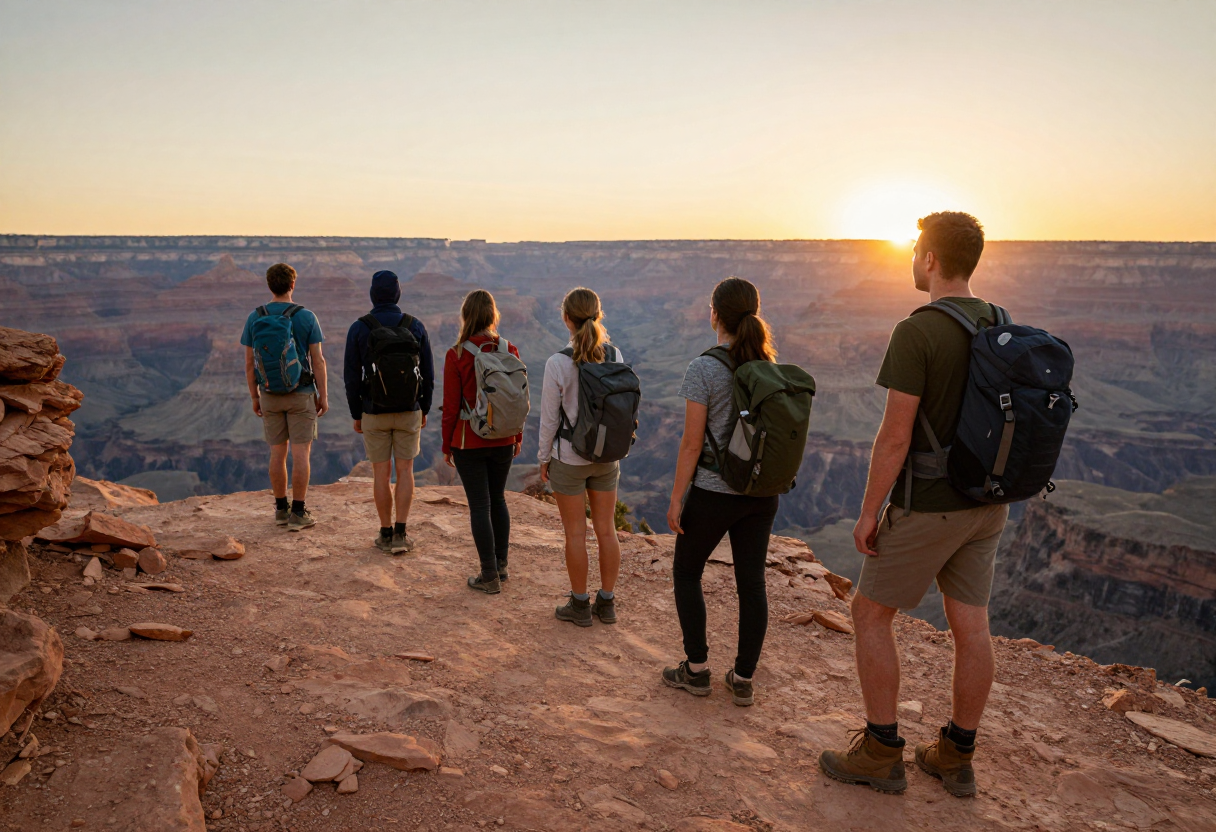
When you head out into a place like Bears Ears or any other National Monument, you aren’t just looking for a good hike; you’re seeking a connection to something older than current headlines. For many of us, that means seeking out "wild" spaces—areas where the history is written in the soil and the silence isn't interrupted by industrial activity.
Mining claims introduce a specific kind of threat to these experiences. While mining is often discussed as an economic or industrial issue, for those of us who spend our weekends on the trail, it translates into physical changes to the land. This includes:
- Archaeological Integrity: Many sites in Bear's Ears contain cultural artifacts and ruins that have existed for centuries. Mining activity can physically disturb or destroy these sites before they can be properly studied or preserved.
- Landscape Degradation: Beyond just digging a hole, mining often requires roads, heavy machinery access, and infrastructure. These elements don't just "go away" when the job is done; they permanently alter the wilderness character of an area.
For a backpacker, this means that if these claims aren't managed correctly, the very things that make these destinations special—the untouched nature and historical depth—are what get eroded first.
What actually happens when someone files a claim?
It is easy to think of "mining claims" as a vague political talking point, but there is an actual bureaucratic process involved that creates real-world consequences for land management. When a party files a mining claim on public lands managed by the Bureau of Land Management (BLM), they aren't immediately handed a permit to start blasting. However, it does grant them specific legal rights and "tenure" over that piece of ground.
This distinction is important because:
- It complicates management: When a claim exists, land managers may face significant hurdles when trying to implement conservation measures or restrict certain types of activities in those specific zones.
- The Long Game: A filed claim can sit on the books for years. It creates a legal "placeholder" that gives private interests a foothold in areas intended for public enjoyment and preservation.
This isn't just a debate happening in a distant capital; it is an active, ongoing process of land tenure. Every time a new claim is solidified, it becomes harder to maintain the status quo of protected wilderness. It’s about ensuring that "public land" remains open for everyone—hikers and campers included—rather than being carved up into industrial zones piece by piece.
Beyond the Trail: What we can do as outdoor enthusiasts.
It's easy to feel powerless when dealing with federal land management and mining law, but there are practical ways for us to advocate for these spaces without needing a degree in environmental policy. Our role as "regular" outdoorspeople is often about being an active presence on the land and an informed voice in its future.
- Support Advocacy Organizations: There are several non-profits specifically focused on protecting public lands from industrial encroachment. These groups do the heavy lifting of monitoring legislation and pushing for protections at the federal level.
- Document Your Experience: When you visit these areas, take photos and keep a log. Having a clear record of what these places look like in their current state provides valuable "ground truth" for those advocating to keep them that way.
- Engage with Public Comment Periods: Federal agencies often have periods where the public can weigh in on land use plans. It takes some effort, but your voice as a regular hiker or camper carries weight when it’s part of a larger chorus of outdoor enthusiasts.
By staying informed and active, we ensure that these lands remain accessible for the next generation of hikers who want to see what Bear's Ears looks like today—not what it might look like after an industrial expansion.
Where to go next (and how to stay safe).
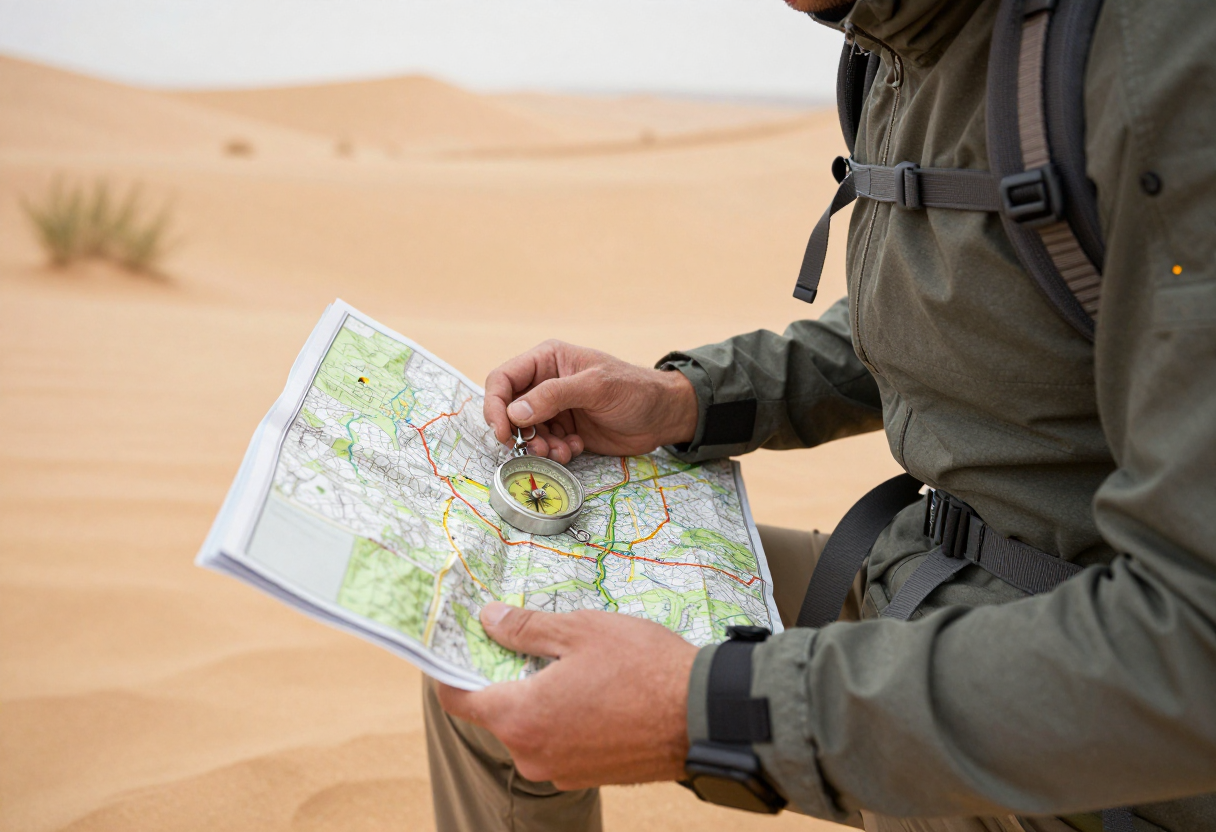
While national issues like mining claims are important for the long-term health of our public lands, your immediate priority should always be safety and preparation for your next trip. Whether you're heading into a National Monument or just a local state park, different areas come with vastly different rules regarding land use, camping permits, and wildlife interactions.
Because regulations change frequently based on location and season:
- Check State Resources: Always consult the official website of the relevant state wildlife agency before heading out to ensure you are compliant with local laws regarding hunting, fishing, and backcountry requirements.
- Review Local Guidance: Use our [State Resources page] to find the specific contact information for your region's authorities.
Knowing the rules in advance prevents unnecessary headaches at a ranger station or—more importantly—keeps you safe when things get unpredictable on the trail. If you need help narrowing down exactly what gear is necessary for the terrain you’re planning to tackle, our Gear Finder Wizards can help strip away the fluff and give you a practical list based on your specific goals.
Inspired by Backpacker Magazine.
About the Author
David Rodgers is the founder and writer behind Country Trailhead — a Marine Corps infantry veteran, Civil Air Patrol colonel, and Eagle Scout based in Oklahoma, drawing on decades of field-tested hunting, fishing, camping, and hiking experience. Read more about David and Country Trailhead →