
When Legs Give Out: Managing Heat and Exhaustion on Long Trails
Thru-hiking is an achievement, but pacing and managing environmental stress are what determine if you finish safely. We break down the fundamentals of heat management, recovery strategies, and how to make tough calls about continuing a trek.
Written by David Rodgers — September 5, 2026
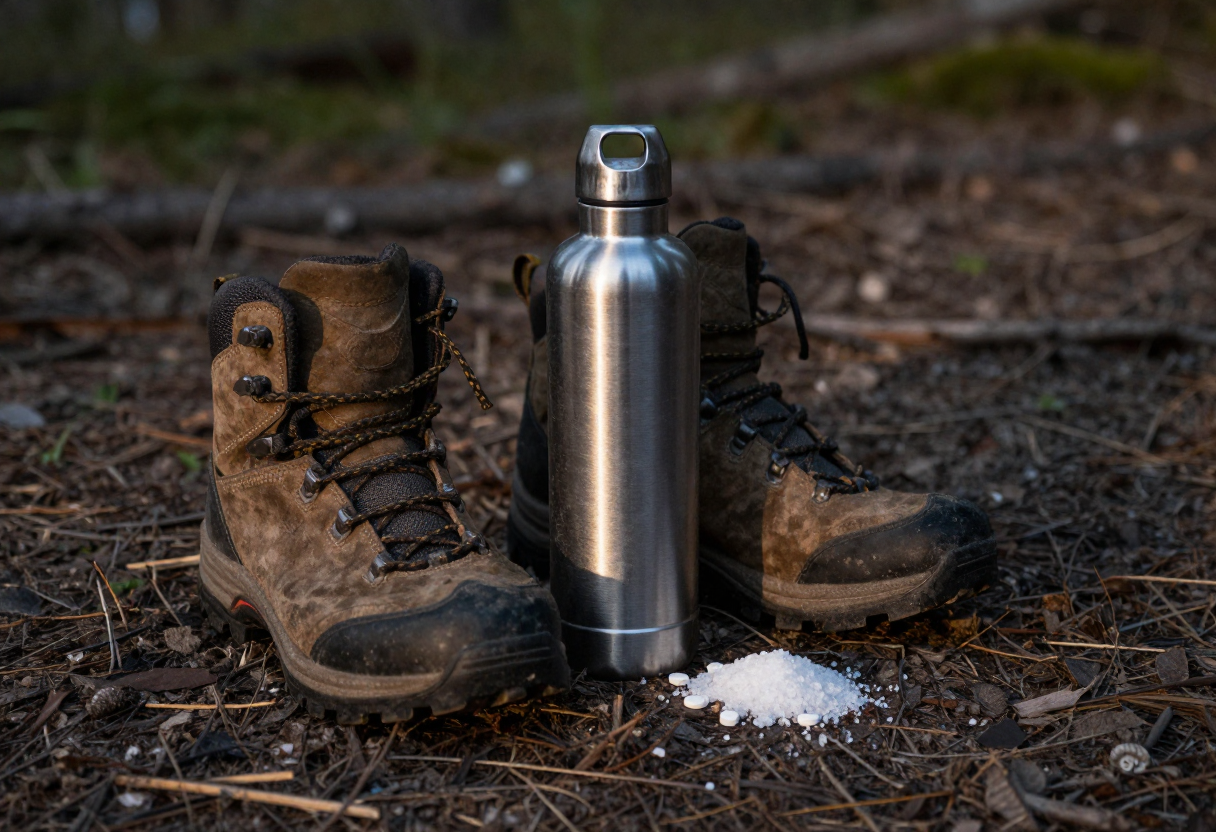
When the Goal Is Just to Keep Moving
In my time in the Marine Corps and later as a first responder with the Civil Air Patrol, I learned that there is a massive difference between "moving fast" and "moving effectively." On a long trail, your primary objective isn't to beat a clock or break a record; it’s to finish the day safely. When you are miles from a trailhead and the heat starts to climb, ego is your biggest liability. It is very easy to get caught up in the momentum of a hike and push through a period of exhaustion because "you’re almost there."
I have seen how that mindset leads to mistakes—tripping on uneven ground because of fatigue-induced heavy breathing, or pushing through heat until the body shuts down. You need to redefine success for yourself before you lace up your boots. Success is maintaining a steady, sustainable pace that allows you to stay alert and aware of your surroundings. If moving at half the speed means you actually make it to the campsite with your health intact, then that is the correct speed. Every mile is a victory, but only if you are in a condition to enjoy it when you get there.
The Fundamentals of Pacing: Slowing Down When It Matters Most

A common mistake I see from folks just starting out is trying to "power through" sections that demand consistency instead of intensity. If you find yourself gasping for air or your heart rate is spiking to the point where conversation becomes difficult, you are moving too fast for your current level of conditioning. You want to find a rhythm—a cadence where you can maintain a steady output over hours, not just minutes.
To manage this effectively on long-haul treks, keep an eye out for these early indicators that it's time to dial it back:
- Breathing patterns: If your breath becomes ragged or shallow, slow your stride until your breathing stabilizes.
- Muscle "burn": A bit of fatigue is expected, but a sharp, localized burning sensation usually means you are over-exerting in one specific movement pattern.
- Mental fog: If you find yourself struggling to focus on the trail ahead or making simple decisions feel taxing, your body is telling you it's reaching its limit for the current pace.
By slowing down early and often, you prevent the "crash" that happens when exhaustion hits all at once. Slowing down isn't a sign of weakness; it’s a tactical decision to ensure you have enough in the tank for the miles ahead.
Beating the Heat (And Other Environmental Stress)
Heat is an invisible weight on your body, and it compounds with every mile. On long trails where shade is sparse or conditions are extreme, hydration isn't just about drinking water when you feel thirsty—by then, you’re already behind. You need to be proactive. Water alone often isn't enough for sustained effort in high heat; your body needs electrolytes (salts and minerals) to actually retain that fluid and keep your muscles functioning correctly.
When the temperature climbs, I recommend a few non-negotiable strategies:
- Consistent Intake: Sip small amounts of an electrolyte mix throughout the day rather than gulping large amounts at once.
- Strategic Nutrition: Eat small, frequent snacks to maintain blood sugar levels. It is much harder to eat a full meal when your body is struggling with heat stress.
- Temperature Management: If you feel your internal temperature rising—signs include heavy sweating followed by a sudden stop in perspiration or dizziness—find shade immediately and lower your core temp before continuing.
Whether it’s extreme heat or unexpected cold, the goal is to keep your body's internal systems stable so they can focus on moving you forward rather than just trying to survive the environment.
The Companion Challenge: When to Pull Out
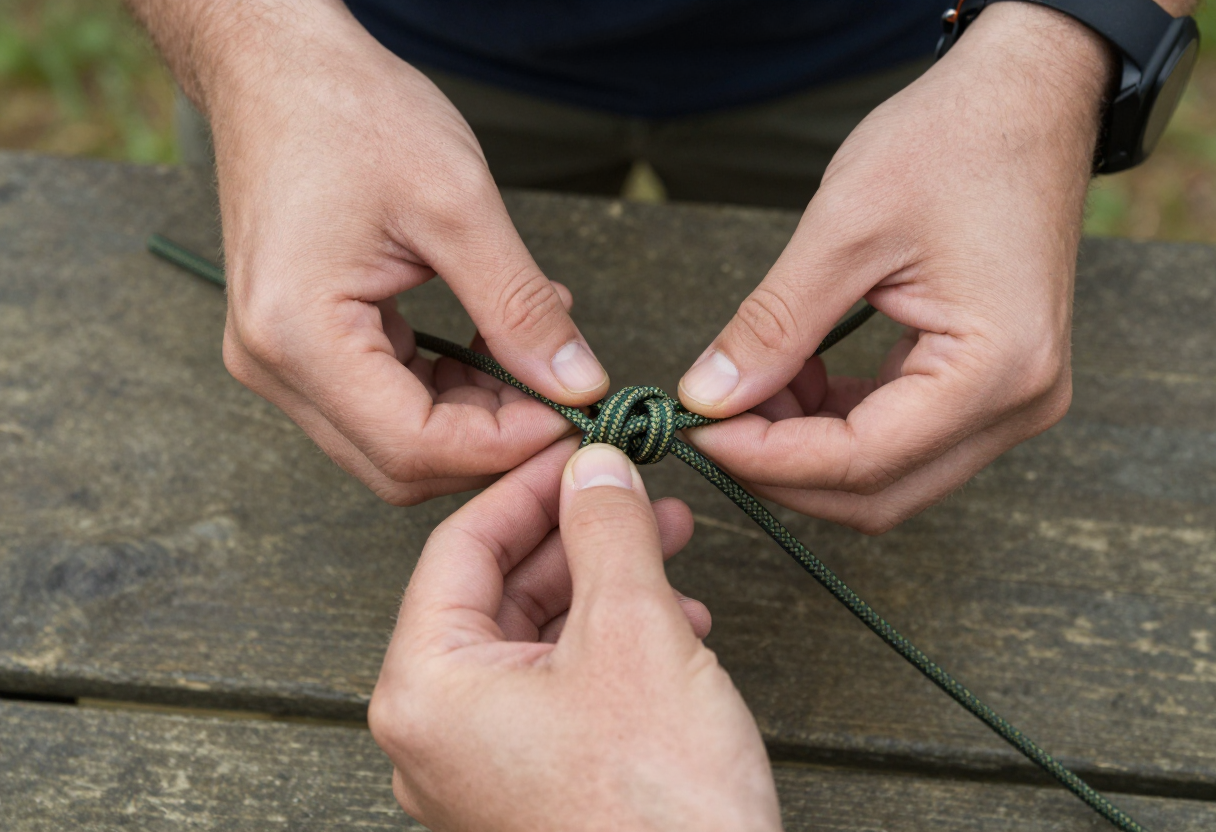
One of the hardest parts of any outdoor activity isn't something that happens in nature; it’s a decision made between two people. When you are hiking with a partner and one of you hits a wall, the dynamic shifts from "hiking" to "logistics." It can be difficult to tell a friend they need to stop because you don't want to hurt their feelings or ruin their day. However, your primary responsibility is safety.
If a partner shows signs of genuine heat exhaustion—heavy sweating, dizziness, nausea, or extreme fatigue—the decision isn't whether they should stop, but how you will manage the situation once they do. You need to have a plan for this before it happens:
- Assess the Situation: Is it just a "tough mile" that requires a 15-minute break, or is it true physical exhaustion?
- Communicate Clearly: Be honest about what you can and cannot do. If they need to stop, you may need to adjust your expectations for the day's mileage.
- Logistics of Stopping: If one person stops and the other continues (or if both stay), how will communication work? Do you have a way to signal for help or coordinate with others if needed?
Ultimately, no amount of "pushing through" is worth risking a medical emergency in a remote area. It’s better to turn around or call it a day early than to push someone into a situation they can't recover from.
Putting It Into Practice (Next Steps)
Managing your pace and staying safe in the elements requires both physical preparation and mental discipline. If you are planning for longer treks where heat management is a primary concern, start by auditing your gear and nutrition plan before you head out.
To help you prepare for these specific challenges:
- Review our Gear Finder Wizard to ensure your hydration system and pack weight are optimized for long-distance comfort.
- Check the Guide Library for more detailed breakdowns on identifying heat exhaustion versus common fatigue.
- Visit the State Resources page to review any local requirements or specific safety guidelines for the regions where you plan to hike, as conditions and regulations vary significantly by location.
Inspired by The Trek.
About the Author
David Rodgers is the founder and writer behind Country Trailhead — a Marine Corps infantry veteran, Civil Air Patrol colonel, and Eagle Scout based in Oklahoma, drawing on decades of field-tested hunting, fishing, camping, and hiking experience. Read more about David and Country Trailhead →