When Industry Meets the Wild: Protecting National Parks from Mining
We talk about the joy of getting out there, but what happens to those places when development encroaches? This issue discusses how mining and infrastructure projects threaten critical wildlife habitats—like bear grounds and clean river water. We focus on awareness and responsible wilderness interaction.
Written by David Rodgers — September 24, 2026
The Problem Isn't Always Obvious: What 'Mining Development' Really Means
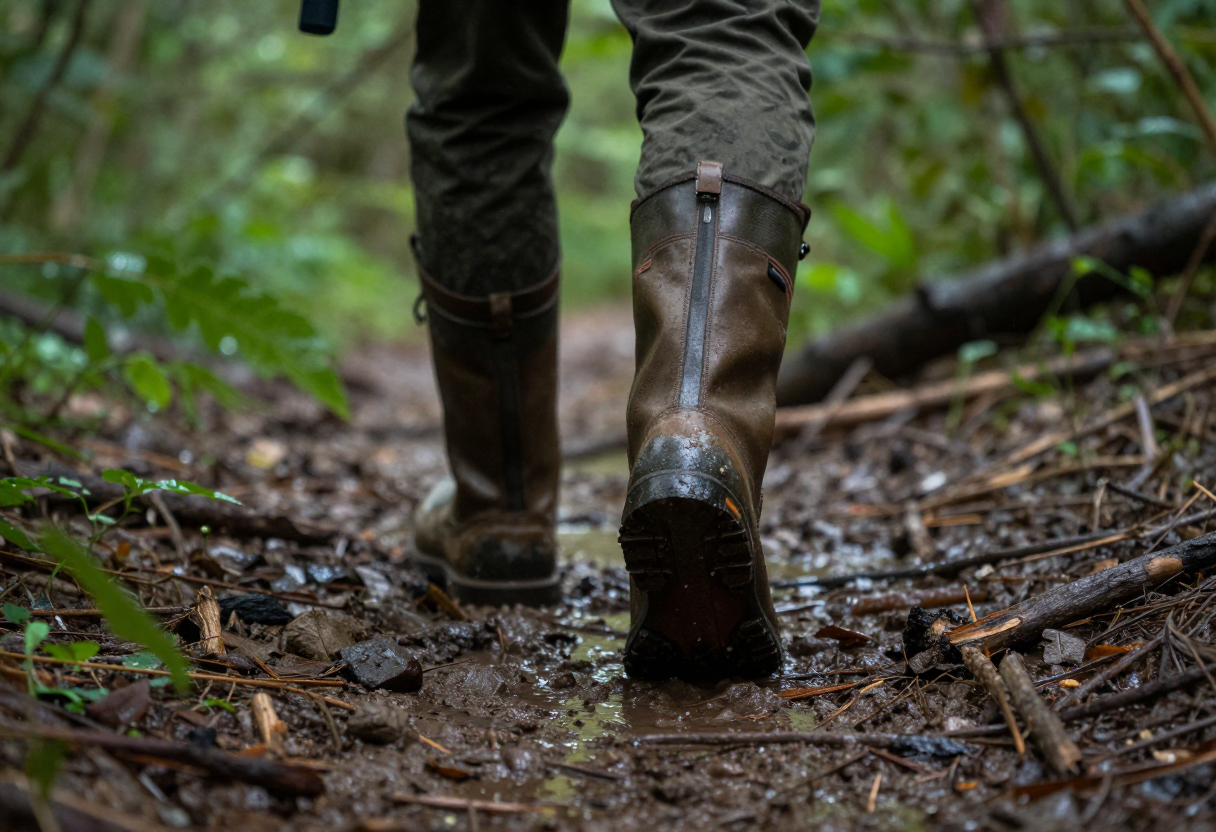
When we talk about "mining" in remote areas like Lake Clark or Katmai, it’s easy to picture a single hole in the ground and call it a day. But from my experience navigating backcountry terrain, industrial development is rarely that contained. It involves heavy machinery, permanent road construction, and the movement of massive amounts of earth. These activities don't just affect the specific plot where minerals are extracted; they create a footprint that ripples outward through the surrounding ecosystem.
The most critical impact often isn't what we see on the surface, but what happens beneath it—specifically regarding water sources. Mining operations require significant infrastructure to manage waste and process materials. This can lead to sediment runoff or chemical seepage into local watersheds. In high-alpine or remote wilderness areas, these water systems are the lifeblood of the entire region. Once a primary source is compromised by industrial activity, that degradation travels downstream, affecting every creek, pond, and spring in its path. It’s not just about one site; it’s about the integrity of the entire drainage basin.
Why the Bears Care: Habitat Fragmentation and Noise Pollution
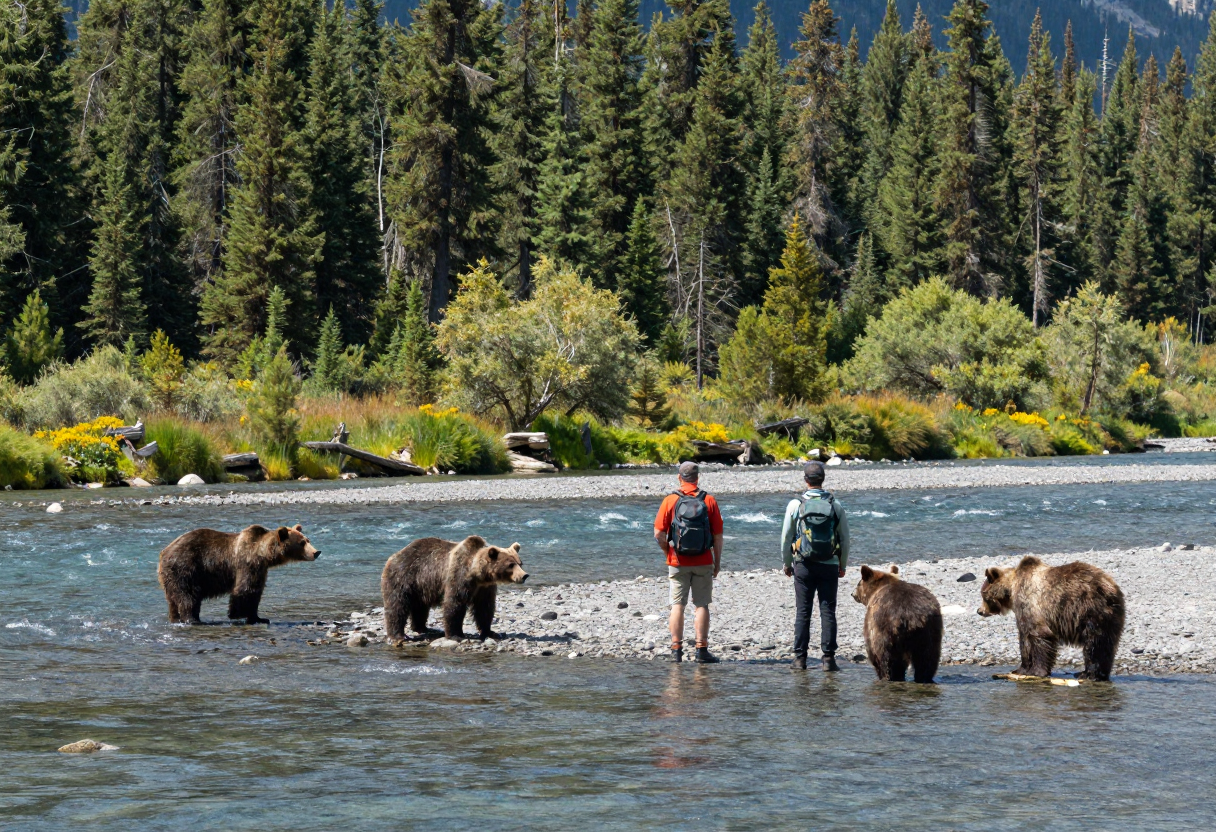
For large predators like the bears found in these regions, space is everything. A bear doesn't live on a single plot of land; they move through expansive territories to find seasonal food sources and mates. When industrial development moves into these areas, it creates what we call habitat fragmentation. It isn’t just about losing trees; it’s about the creation of barriers—like heavy-duty roads or high-noise zones—that cut off their natural corridors.
The Impact of Human Presence
- Disrupted Migration: Roads can create "no-go" zones where bears are forced to take longer, more dangerous routes to find food.
- Noise Pollution: Constant industrial noise creates a buffer zone that drives wildlife away from prime habitats, effectively shrinking their usable territory even if the land technically remains "wild."
When we see these landscapes as fragmented pieces rather than a continuous whole, it becomes clear why large mammals are so vulnerable to development. They need the freedom of movement and the silence of the backcountry to thrive on their own terms.
The Water Clock: How Everything Connects to Clean Rivers
In my time out in the field—whether I was navigating for the Corps or scouting fishing holes—I’ve learned that water is the ultimate equalizer. If a river is healthy, it supports everything from the trout we try to catch to the wilderness we seek to experience. When mining operations introduce runoff into these systems, they start a countdown on the health of the local environment.
Pollution in a high-altitude stream doesn't stay put. It affects:
- Fisheries: Contaminants can devastate fish populations or make them unsafe for consumption.
- Recreation: For us as campers and hikers, it means we have to rely more on hauled water rather than trusting a mountain spring.
- Ecosystem Stability: Aquatic insects and smaller organisms that form the base of the food chain can be wiped out by even minor changes in water chemistry.
When development threatens these waters, it isn't just an environmentalist’s concern; it is a direct threat to the quality of our outdoor experience. A compromised river means a diminished wilderness for everyone who uses it.
What We Can Do on the Trail: Responsible Citizenry
You don’t have to be a policy expert or a lawyer to take a stand for these lands, but you do need to be an active participant in their protection. When we spend time in and around national parks and wilderness areas, our presence gives us a unique vantage point. We are the ones seeing the changes firsthand before they become permanent records on a map.
Practical Steps for Outdoor Enthusiasts
- Stay Informed: Familiarize yourself with the specific issues facing your local regions by following reputable conservation groups that focus on land preservation.
- Report Observations: If you notice unusual sediment, industrial activity in restricted zones, or signs of heavy-duty equipment where it shouldn't be, report it to the appropriate park rangers or wildlife agencies.
- Advocate through Presence: Support organizations that work specifically for the protection of public lands and water rights.
While I can’t tell you exactly which laws apply in every county—you should always check your state's specific wildlife agency resources for current regulations—I can say that being an informed, vocal advocate is one way to ensure these spaces remain wild for those who come after us.
Leaving it Better Than You Found It (The Core Principle)
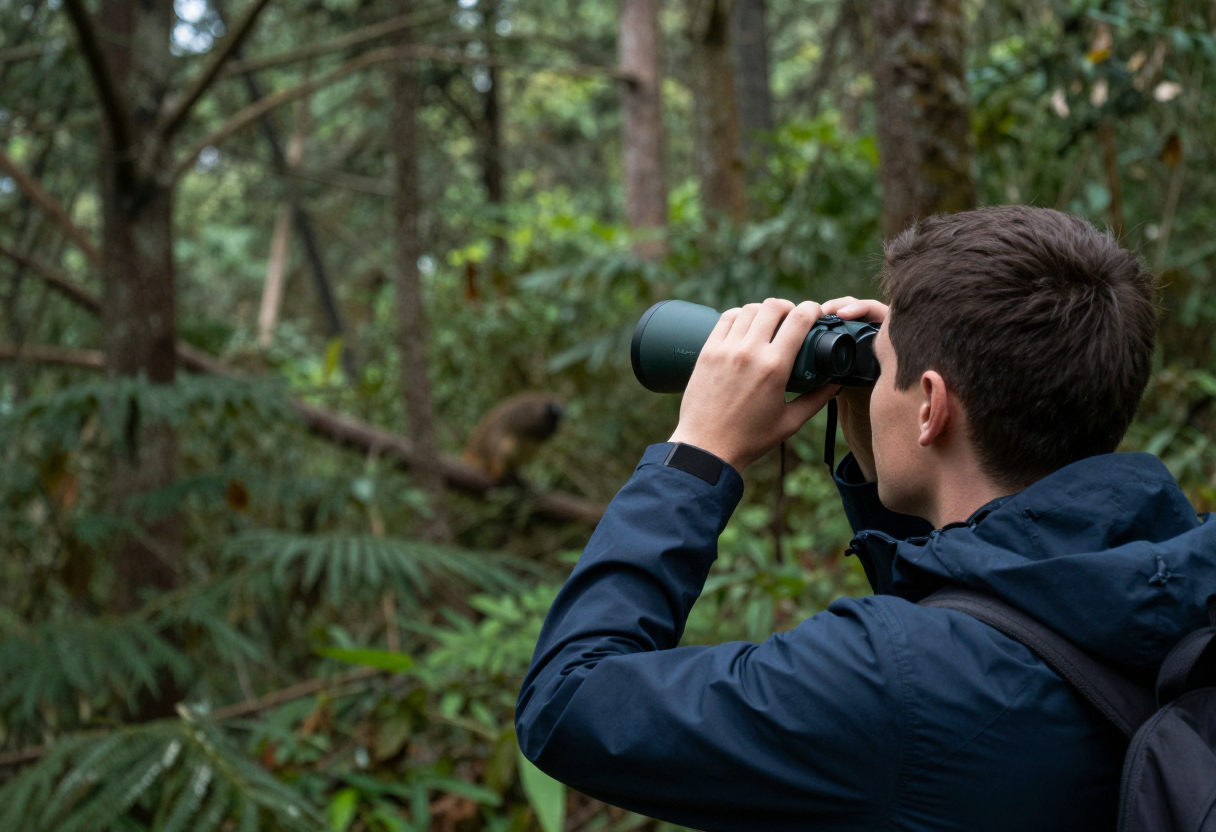
At its core, the fight against destructive development is about stewardship. This isn't a new concept; it’s something we learn from our first campfire and keep with us until our last hike. The "Leave No Trace" philosophy isn't just about picking up your orange peels or packing out your trash—it's about maintaining the integrity of the land so that its natural functions remain intact.
When we advocate for cleaner water and protected bear habitats, we are practicing a higher form of stewardship. We are ensuring that the "wild" in wilderness isn't just a word on a sign, but a reality you can feel when you step off the trail. Every piece of litter removed from a stream or every voice raised against irresponsible development helps keep these corridors open and clean. We aren't just visitors; we are temporary caretakers of these spaces. By making conscious choices today about how we use our voices and our gear, we ensure that the next generation can still find something real when they step into the woods.
Inspired by Backpacker Magazine.
About the Author
David Rodgers is the founder and writer behind Country Trailhead — a Marine Corps infantry veteran, Civil Air Patrol colonel, and Eagle Scout based in Oklahoma, drawing on decades of field-tested hunting, fishing, camping, and hiking experience. Read more about David and Country Trailhead →