
When Hunting Meets Hazard: Doing the Right Thing on Thin Ice.
This issue tackles one of the toughest calls in the woods: how do you balance the principle of fair chase with the ethical duty to help an animal that is suffering, especially when environmental hazards are involved?
Written by David Rodgers — October 22, 2026
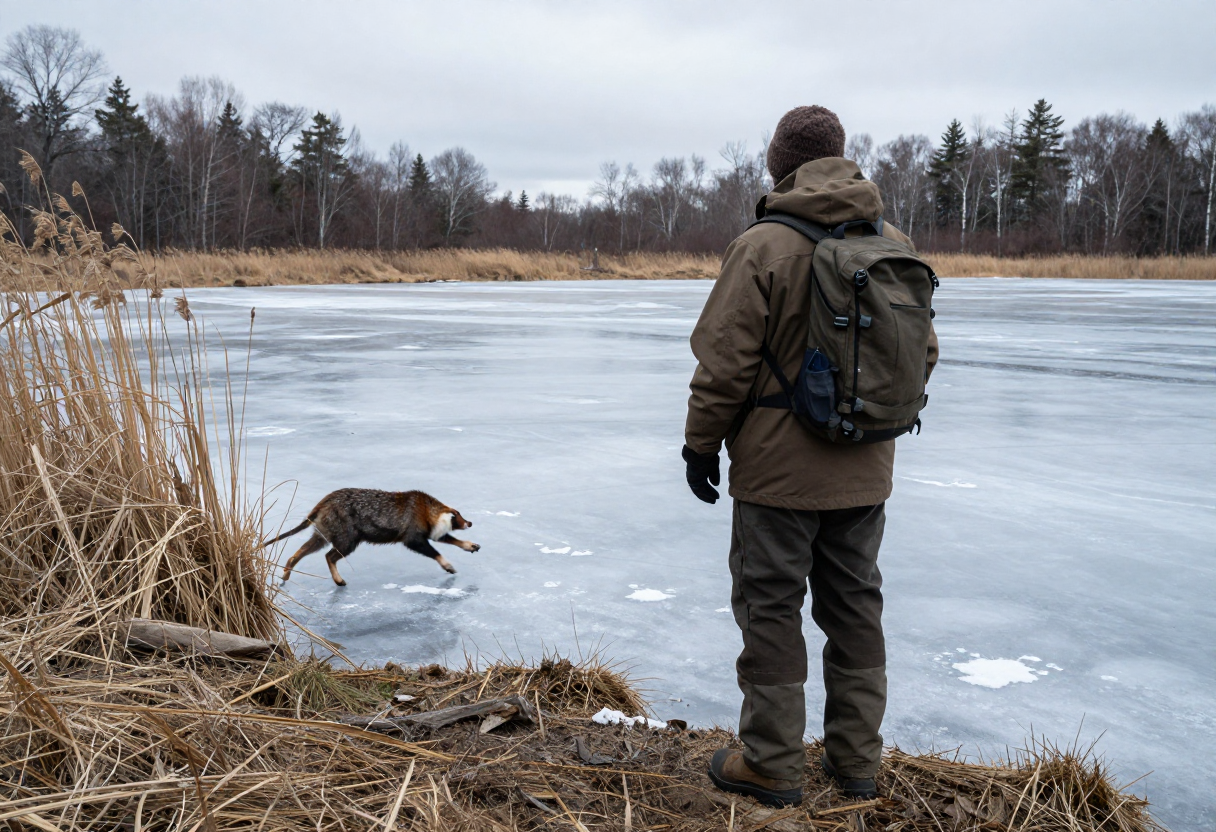
The Ethical Knot: When Fair Chase Collides with Survival
We talk a lot about fair chase—the fundamental principle that an animal should have a reasonable chance to escape or defend itself before we take its life. It is the bedrock of ethical hunting. However, nature doesn't always provide a clean playing field. You eventually run into situations where the environment becomes the primary adversary for the animal before you even enter the frame. This happens most often in volatile conditions like frozen water, deep mud, or heavy brush.
When an animal is struggling against these elements—perhaps it’s trapped in ice or exhausted by a difficult crossing—the "fair chase" calculation shifts into something much more personal and immediate: mercy versus ethics. You have to decide if the hunt is still a fair pursuit or if you are now stepping in as an end to their suffering caused by nature's hazards. It is a heavy mental load, but it’s one every serious outdoorsman eventually faces. These aren't just abstract debates; they are real-time decisions made in cold, quiet moments where your judgment of what is right for the animal and safe for yourself becomes the only thing that matters.
Pre-Hunt Assessment: Treating the Environment as Your First Target
In my experience—both in the military and on personal hunting trips—the best way to handle a crisis is to never let it become one in the first place. You have to treat the environment as your primary target before you ever focus on an animal. This means scouting for hazards like ice stability, water depth, and terrain consistency well before you step into the woods. If you are hunting near frozen lakes or rivers, you need a clear understanding of what is solid and what isn't based on current conditions, not just "what it usually looks like."
This is about discipline. You don’t wait until you see an animal struggling in a hazard to decide how you will react; you identify the hazards ahead of time so you can navigate around them or stay clear of them entirely. Knowing where the dangerous ground is allows you to make calm, calculated decisions when things do get complicated. By identifying these zones during your initial scouting phase, you ensure that your primary focus remains on a clean hunt and personal safety rather than reacting to an environmental emergency in real-time.
The Protocol of Intervention: Actions When Things Go Wrong
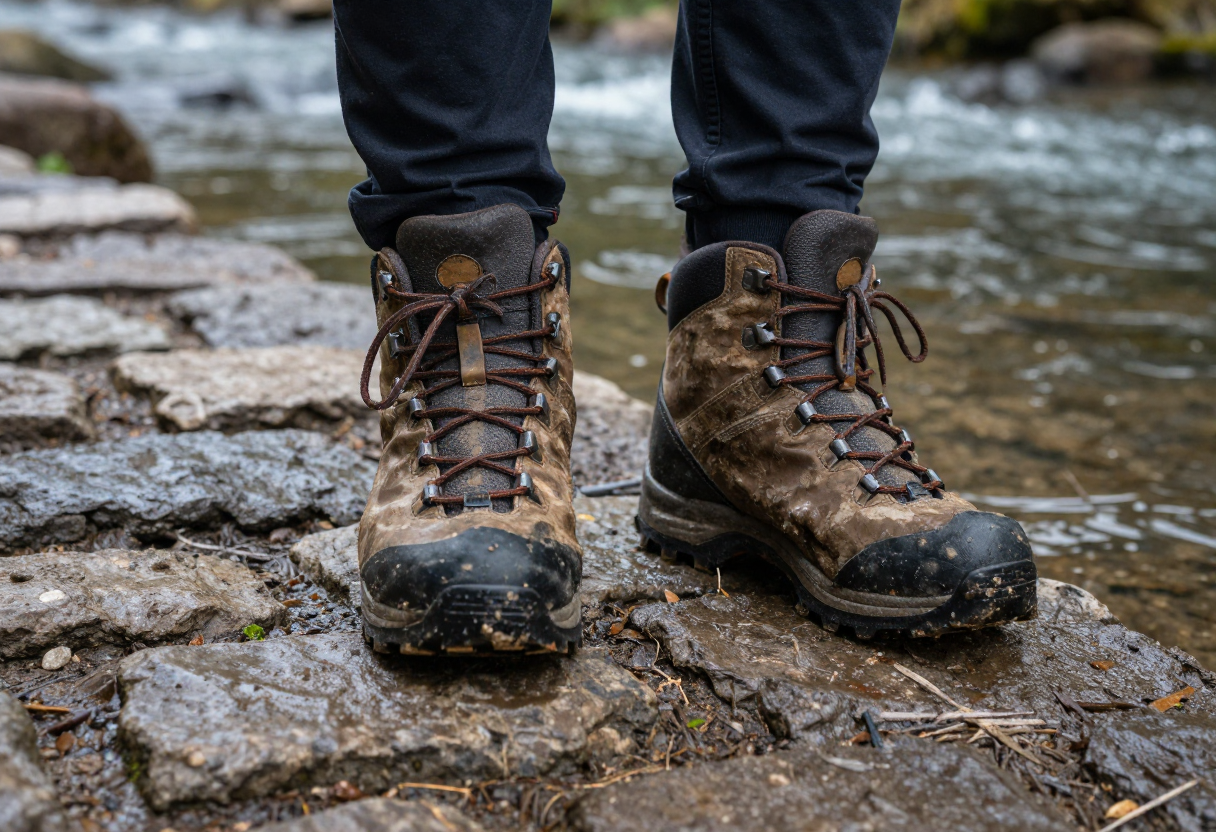
When an animal does become trapped or injured by environmental hazards, the first rule is always your own safety. You cannot help anyone—animal or human—if you become a second casualty. If you encounter an animal struggling in ice or water, take a moment to assess the scene before moving. Is the ground beneath you stable? Is there a risk of hypothermia if you have to enter the water?
Once you've established your own safety, you must determine the best way to provide a clean shot without creating additional danger for yourself. If an animal is pinned or struggling in a way that makes a standard hunt impossible, you need a plan for how to end its suffering quickly and humanely. This might involve moving into a position where you have a clear line of sight while staying on stable ground. In any situation involving hazardous environments like frozen water, the goal is to minimize risk for everyone involved. Because conditions vary wildly by region, always consult your state's wildlife agency regarding specific protocols for handling distressed animals in these areas.
Learning from Mistakes and Staying Prepared
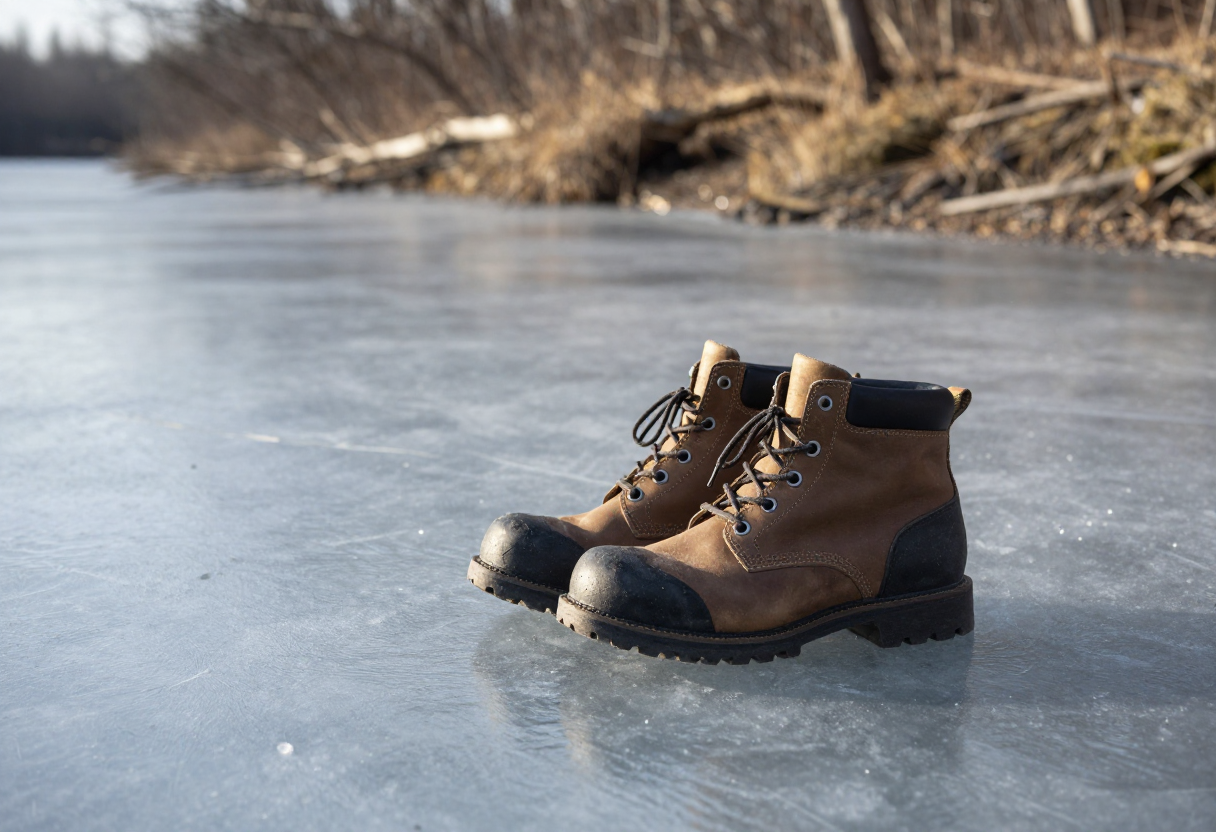
The reality is that the best ethical decisions are rarely made on impulse; they are the result of thorough preparation. When you know the terrain, have the right gear, and understand the local conditions, your ability to make a calm decision when an animal is in distress improves significantly. I’ve learned over years of scouting and hunting that being "ready" means having enough information before you leave home so that you aren't guessing once you are out in the field.
Preparation reduces panic. When you have already scouted the hazards, identified your exit points, and checked the local conditions, you can act with confidence rather than hesitation. If you find yourself unsure about how to handle a specific environmental hazard or what the legal requirements are for certain types of terrain, that is where you turn to professional resources. You should always check your state's official wildlife agency website to understand the specific rules and safety guidelines for hunting in hazardous areas near water. For more tailored advice on gear and preparation, explore our Gear Finder Wizards or our full library of guides to ensure you are prepared before you head out.
Inspired by Outdoor Life.
About the Author
David Rodgers is the founder and writer behind Country Trailhead — a Marine Corps infantry veteran, Civil Air Patrol colonel, and Eagle Scout based in Oklahoma, drawing on decades of field-tested hunting, fishing, camping, and hiking experience. Read more about David and Country Trailhead →