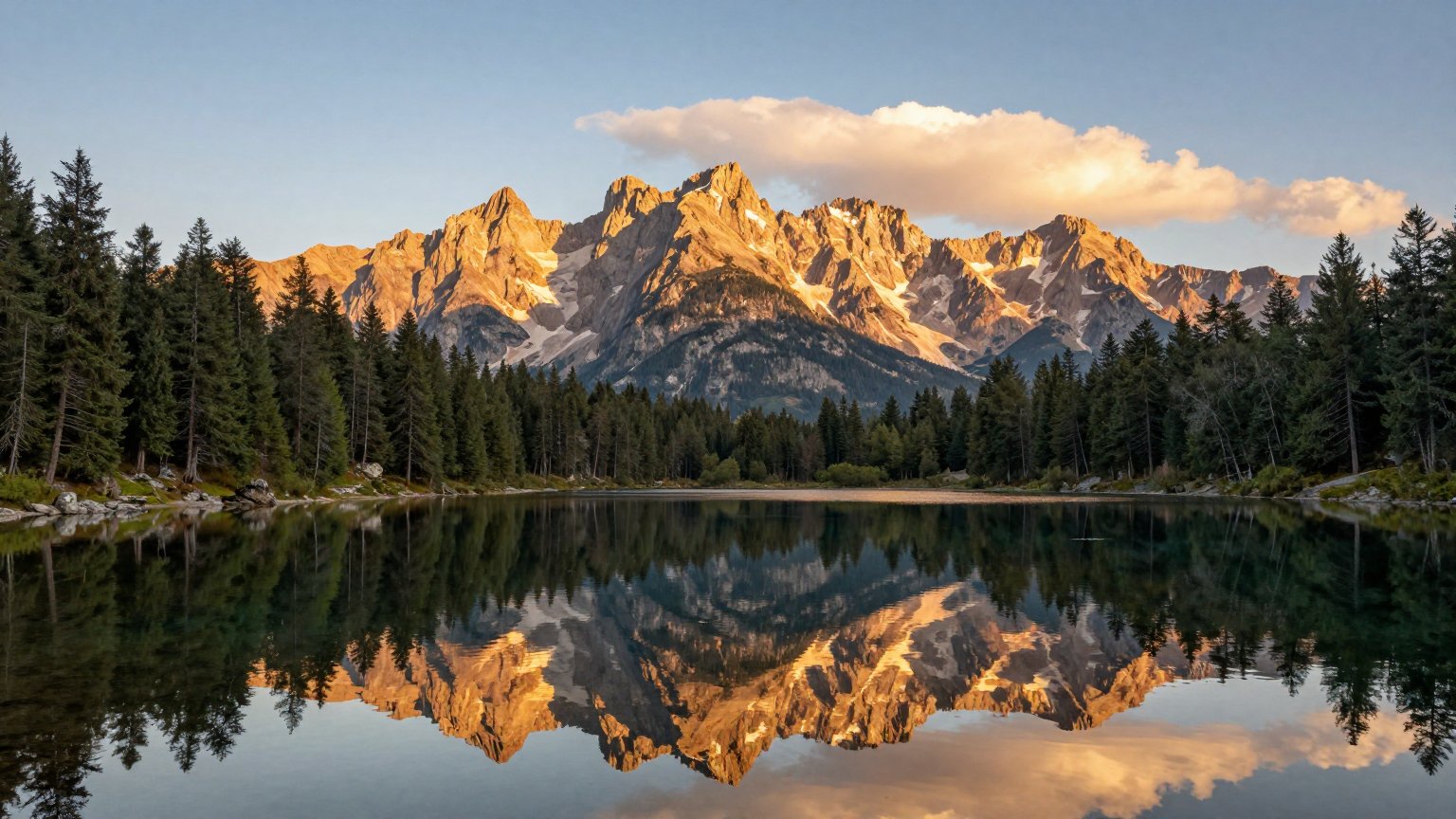

When Fall Turns Winter: Hiking Safety at High Altitude
Transitional seasons at altitude are some of the most unpredictable places to hike. We break down critical safety protocols—from proper gear layering to emergency communication plans—to help you respect the wild and stay safe on your trip.
Written by David Rodgers — October 28, 2026
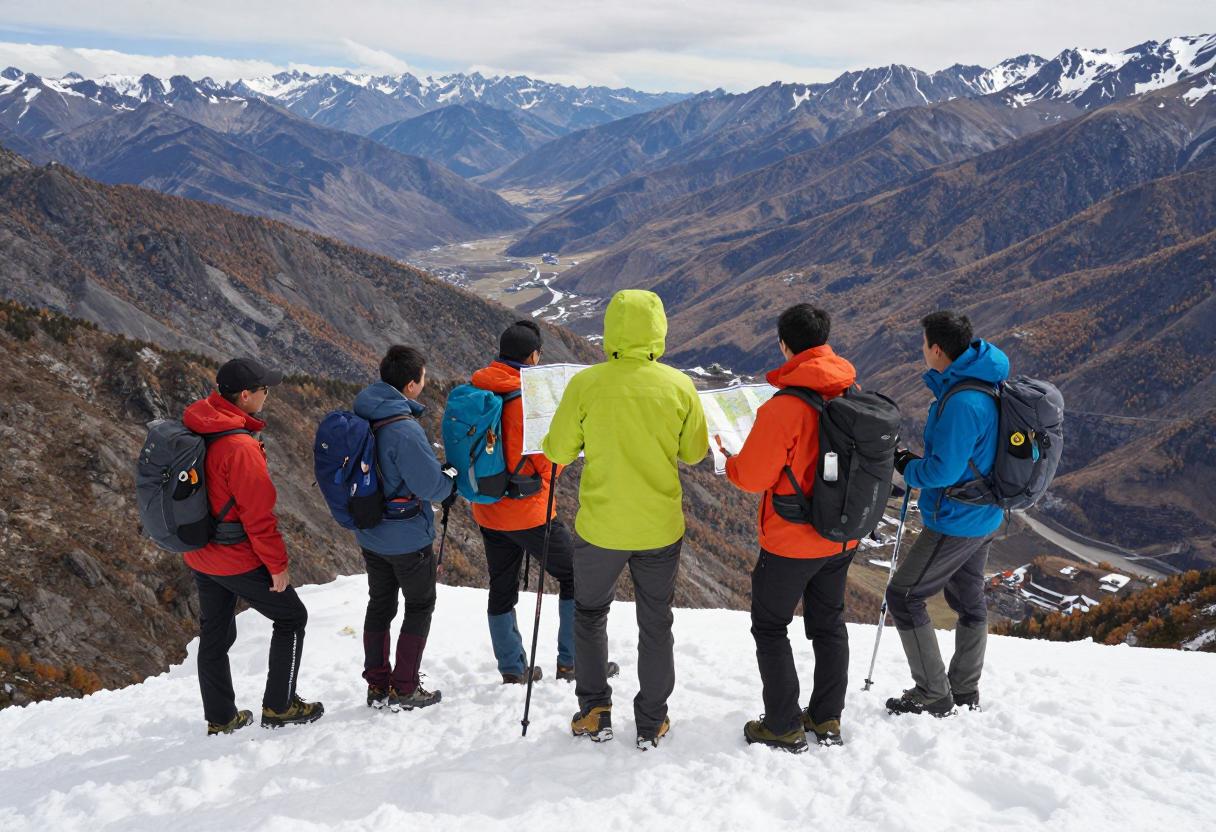
The biggest lie in mountain hiking: 'It'll be fine.'
In my time spent outdoors—from the woods of Oklahoma to high-altitude peaks—I’ve seen one phrase more often than any other, and it is usually uttered just before things go sideways: "It’ll be fine." This overconfidence is a silent killer in mountain environments. When you're hiking during those transitional months between fall and winter, the margin for error shrinks significantly. A trail that felt like an easy morning stroll at 10:00 AM can turn into a frozen, treacherous mess by 3:00 PM because of a localized weather shift that didn’t show up on your phone's general forecast.
I’ve watched people push through "just one more mile" while the sky turns that specific shade of bruised gray. They assume their physical fitness can overcome a mountain’s mood, but nature doesn't care about your training schedule. In high-altitude environments, seasonal shifts mean the ground is softer, the air is thinner, and the temperature drops exponentially faster than it does in the lowlands. "It'll be fine" isn't an optimistic outlook; it's a failure of judgment.
Reading the weather (and reading yourself).
High-altitude meteorology is different from what you see at home. In the mountains, the atmosphere reacts to terrain and elevation changes rapidly. Relying on a single snapshot from a weather app provided for a nearby town is a recipe for disaster. You need to look at mountain-specific forecasts that account for wind speeds at various elevations and potential "microclimates." I always look for pressure trends—if the barometer is dropping steadily, you need to be looking for your exit strategy regardless of what the sun looks like right now.
Just as important as reading the sky is learning to read your own body. Altitude sickness isn't just a "headache"; it’s an indicator that your body is struggling to compensate. Fatigue can cloud your decision-making, making you less likely to notice the subtle cues of an approaching storm or a failing piece of gear. If you start feeling lightheaded, unusually exhausted, or lose your sense of coordination, those are your internal "weather alerts." Listen to them before they force you to listen.
The Gear Checklist: When 'good enough' isn't good enough.
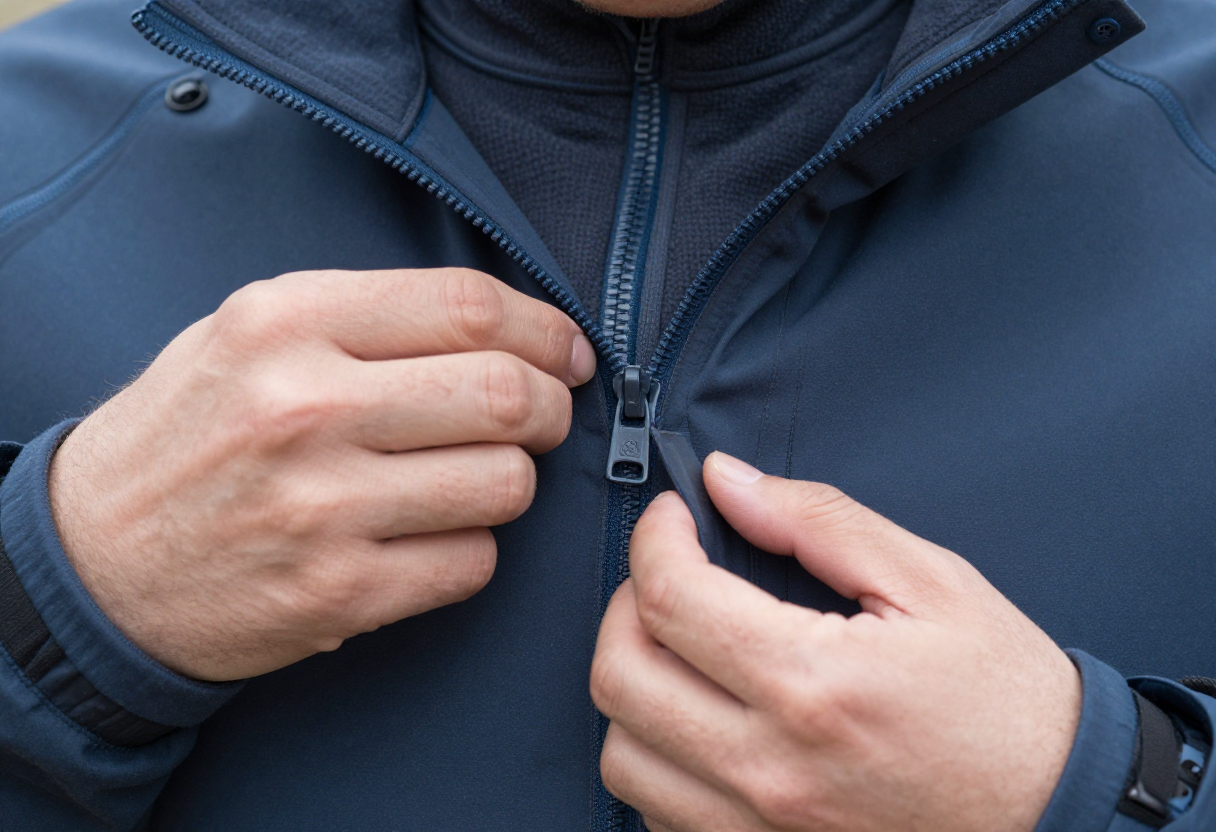
When I was an Eagle Scout and later in the Marines, the rule was simple: if your gear fails, it’s your problem alone. In a high-altitude fall hike, "good enough" clothing is often just one layer away from being "lethal." You need redundancy in your insulation. If you're wearing a single fleece, you don't have an option when the wind picks up and the temperature plummets. I recommend a system where you can add or remove layers without stopping to struggle with complicated zippers—you want to stay warm while staying mobile.
Mandatory Emergency Items:
- A Bivvy Sack: This isn't "extra" gear; it’s your insurance policy if you have to spend an unplanned night on the mountain.
- Dedicated Stove Fuel: Ensure you have enough for a full boil, even if you don't plan on cooking every meal.
- High-Calorie Food: Your body burns massive amounts of energy just trying to stay warm in thin air.
Don't buy the most expensive "ultralight" gear out there just because it looks good in a catalog; find reliable, durable pieces that have been field-tested and can handle moisture without losing their loft.
Trip Planning 101: The Redundancy Principle
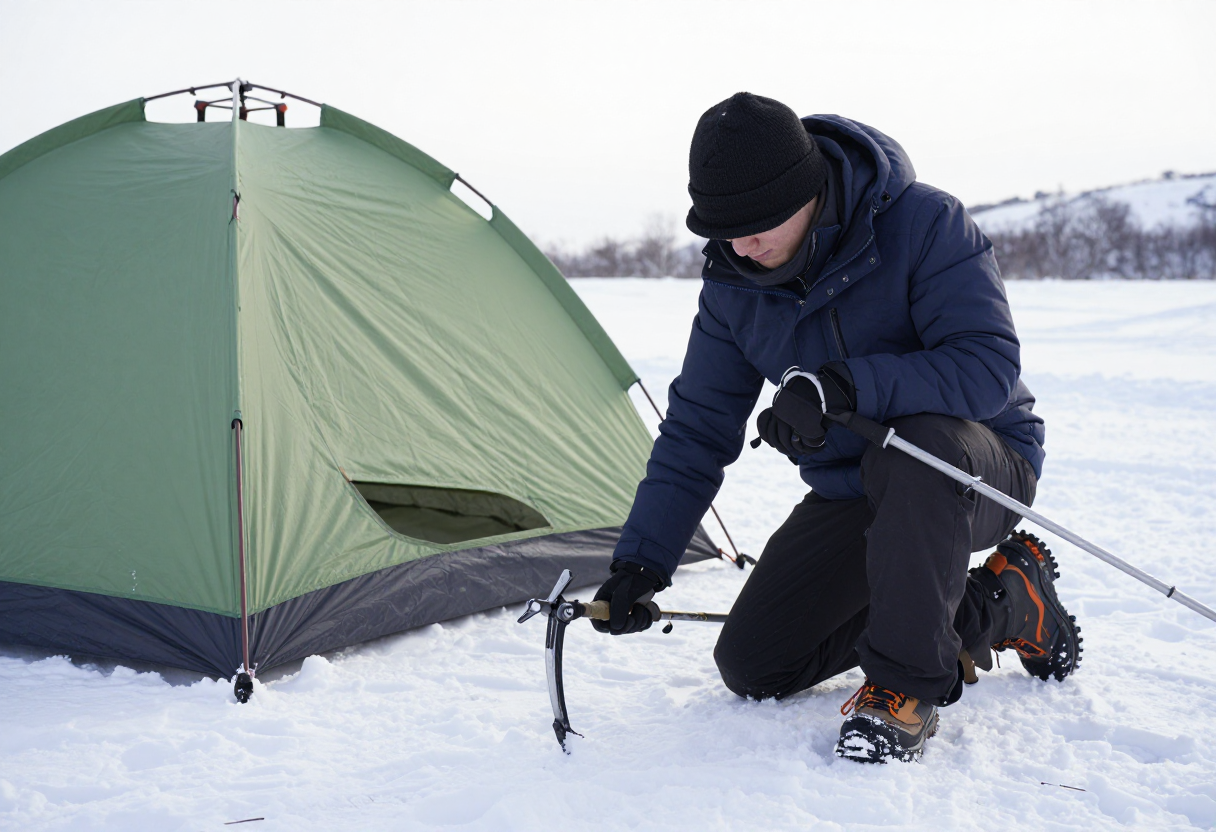
I approach trip planning with a mindset of redundancy—a habit from my time in the Civil Air Patrol. You should never assume your "Plan A" will go perfectly. Every high-altitude hike needs a defined turn-around time that is non-negotiable. If you haven't reached the summit or your destination by 1:00 PM (or whatever time fits your specific route), you turn around regardless of how close you feel to the goal. This ensures you aren't caught on exposed terrain when the light fails and temperatures drop.
Communication Protocols:
- The "Dead Man's" Plan: Tell a reliable person exactly where you are going, which trail you are taking, and your expected return time.
- Bail-out Points: Identify specific locations on your map where it is safe to turn back if the weather turns or an injury occurs.
- Check-in Times: Establish a hard deadline. If they don't hear from you by a certain hour, they should know to contact the appropriate authorities.
What to do when things go wrong.
If conditions deteriorate rapidly and you find yourself in trouble, your first instinct must be to slow down and assess—not panic. If you are caught in a whiteout or a sudden heavy snow squall, the most common mistake is trying to "push through" it. Movement often makes navigation harder and can lead to wandering off-trail into dangerous terrain. In many cases, staying put, hunkering down, and preserving your body heat is the safest move until visibility improves.
Managing Specific Issues:
- Altitude Sickness: If you experience severe dizziness or persistent nausea, stop immediately and descend. Even a few hundred feet of elevation drop can make a significant difference in how your body feels.
- Cold Exposure: Recognize the "umbles"—mumbling, stumbling, and fumbling. These are early signs of hypothermia. Get into your layers, put on your hat/gloves, and start moving slightly to generate internal heat if you can still move safely.
- Getting Lost: If you lose the trail in low visibility, stop. Use your map and compass (or GPS) to find a landmark you recognize rather than trying to "guess" the way forward.
For specific information on local land use, permit requirements, or seasonal closures for high-altitude trails, always check your state's official wildlife agency website.
To help you prepare for your next trip, visit our State Resources page to find the correct links for your specific region.
Inspired by Backpacker Magazine.
About the Author
David Rodgers is the founder and writer behind Country Trailhead — a Marine Corps infantry veteran, Civil Air Patrol colonel, and Eagle Scout based in Oklahoma, drawing on decades of field-tested hunting, fishing, camping, and hiking experience. Read more about David and Country Trailhead →