
When AI Doesn't Know How to Hike Out of a Problem.
We talk about the real-world dangers of over-relying on technology—from advanced AI planning tools to GPS readouts. Proper wilderness training and old-school discipline are still non-negotiable.
Written by David Rodgers — September 4, 2026
AI Planning: The Shiny New Toy, But Is It Reliable?
AI tools are becoming incredibly capable at synthesizing data and organizing information quickly. They can help you build a gear list based on your intended mileage or suggest potential trail names for a weekend trip in a matter of seconds. However, there is a fundamental difference between "data" and "ground truth." An AI model processes information from a database; it doesn't know if the creek crossing at mile four was washed out by a flash flood last night, or if the specific trailhead you’re heading toward has been closed for maintenance this week.
When I’m in the backcountry, my primary tools are my eyes and ears—the ability to read the weather moving over a ridge or judge the stability of a footing underfoot. An algorithm cannot experience these things. AI can be an excellent starting point for research and organization, but it shouldn't be your sole source of truth when safety is on the line. It’s a useful assistant, but in high-stakes environments like mountaineering or remote backcountry hiking, you need to rely on information that has been physically tested by people who have actually stood in the mud.
The Three Failure Points (And How to Avoid Them)

When technology fails—or provides inaccurate data for critical situations—it usually happens in three specific areas: resource management, reliance on electronics, and site selection.
- Resource Management: AI can estimate calorie needs or water requirements based on standard averages. It cannot account for how much more you will sweat in high humidity, the extra weight of a heavy pack, or your specific pace when exhausted.
- Electronic Reliance: A smartphone is an excellent tool until it isn't. Batteries drain faster in cold weather, and GPS signals can drop in deep canyons or under heavy tree cover. If your navigation depends entirely on a screen, you have a single point of failure.
- Site Selection: An algorithm might suggest a site because it’s "near water," but it doesn't know if that spot is a flood zone during seasonal rains or exposed to high winds at night. Real-world safety comes from looking for natural windbreaks and firm ground—factors an AI can only guess at based on static maps rather than real-time conditions.
Before You Hit the Trail: The Old School Checklist
Before you step off the pavement, your plan should be built on layers of redundancy. This means that if a piece of technology fails or provides confusing information, you have a secondary—and tertiary—method to stay safe and informed. To ensure you aren't left stranded by a dead battery or a lack of signal, I recommend these core practices:
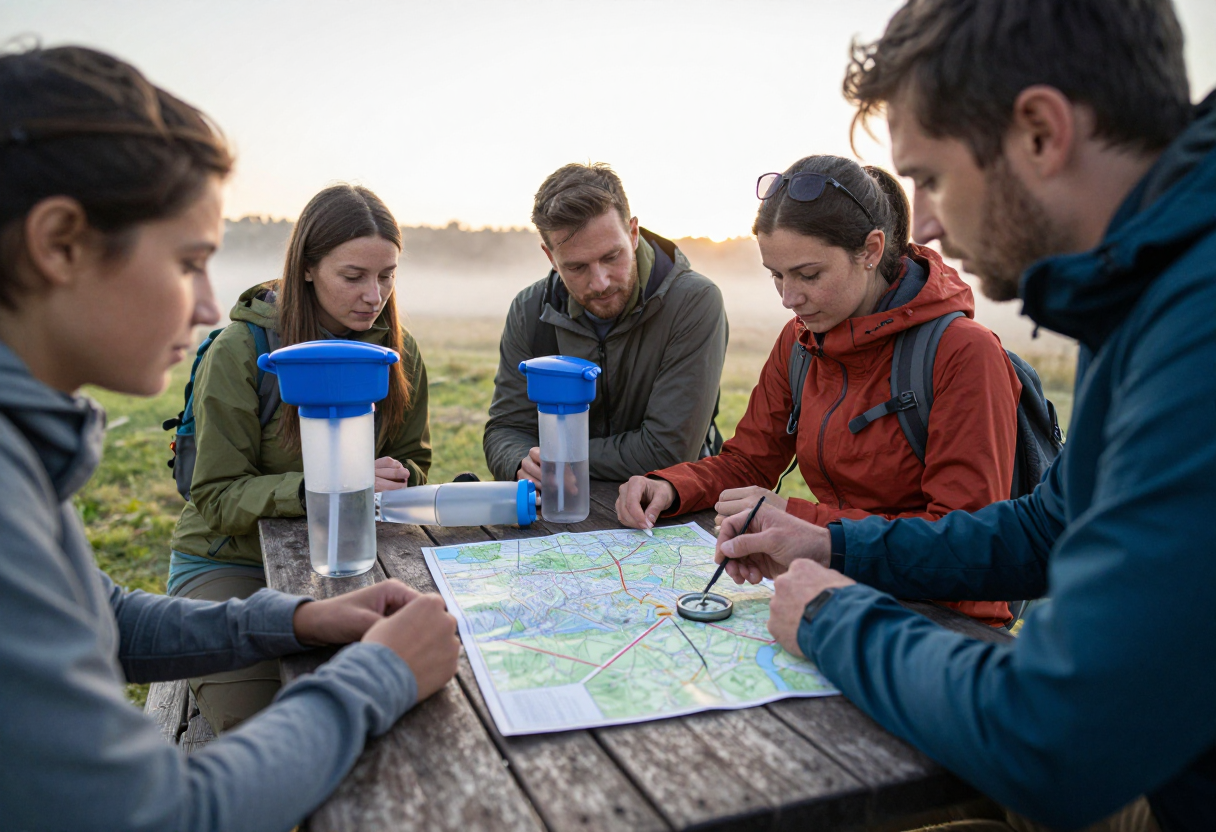
- Physical Navigation: Carry a dedicated paper map and a compass of the area. More importantly, know how to use them together without relying on any electronic assistance.
- Communication Plans: Leave a detailed itinerary with a reliable contact who knows exactly when you are expected back. This is your lifeline if things go wrong far from cell service.
- Local Knowledge: Instead of general online advice, seek out local reports. Check recent trip logs or trail reports to see what the conditions were like in the last 48 hours.
These aren't just "old-school" habits; they are essential safety protocols that ensure you have options when the situation changes.
Knowing When to Stop Asking for Help
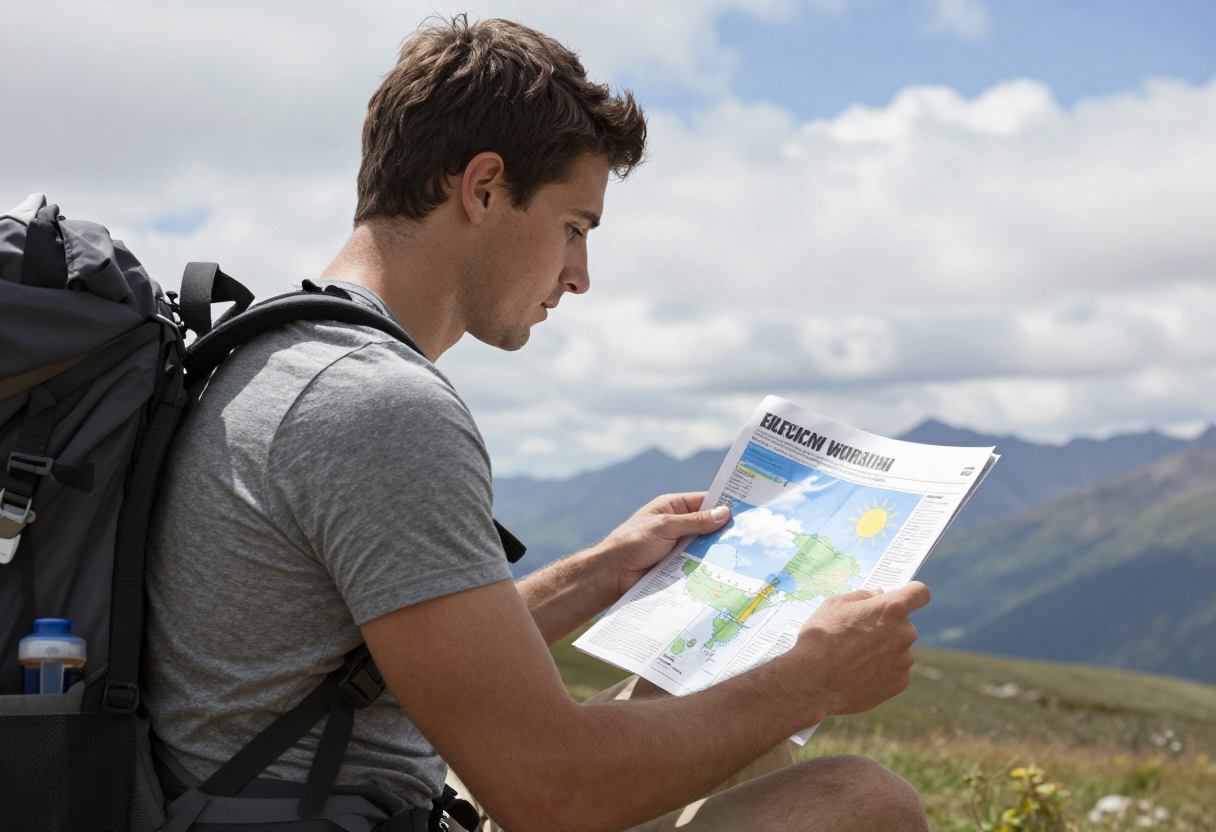
There is a specific moment in any long hike or backcountry trip where the "plan" must take a backseat to your own judgment. This usually happens when conditions shift unexpectedly: a sudden thunderstorm rolls in, a trail becomes impassable due to debris, or you find yourself significantly more exhausted than anticipated. At this point, your primary source of information shouldn't be an app or a piece of software; it should be your experience and intuition.
Experience is what allows you to look at a darkening sky and decide to turn back early, or look at a swollen creek and choose the long way around. AI cannot feel fatigue in your legs or recognize the specific smell of rain on the wind. When things get difficult, trust your training and your gut feeling over whatever a screen tells you. If something feels wrong—whether it’s the terrain, the weather, or your own energy levels—it usually is. In those moments, prioritize safety over following the original itinerary to the letter.
A Quick Note on Staying Safe in the Wild
Regardless of how much technology you use to plan your trip, certain core principles remain constant. Safety and environmental stewardship are non-negotiable. You should always be aware of your surroundings and practice Leave No Trace (LNT) ethics—packing out everything you pack in and respecting the land for those who come after you.
Because regulations regarding fire permits, camping zones, and local wildlife management change frequently based on location and season, never assume a rule is universal. Always check with your state’s official wildlife agency to confirm the specific requirements for your area before heading out. They are the final authority on what is permitted in your backyard. For more information on how to prepare for your next trip or to see our full library of guides, visit our State Resources page to find links tailored specifically to your region.
Inspired by Backpacker Magazine.
About the Author
David Rodgers is the founder and writer behind Country Trailhead — a Marine Corps infantry veteran, Civil Air Patrol colonel, and Eagle Scout based in Oklahoma, drawing on decades of field-tested hunting, fishing, camping, and hiking experience. Read more about David and Country Trailhead →