
What To Do When Wild Animals Are Sick in the Field
When local animal populations face viral die-offs, knowing the risks and following strict protocols is critical. This guide outlines how to safely navigate an outbreak while respecting both yourself and the wildlife.
Written by David Rodgers — October 16, 2026
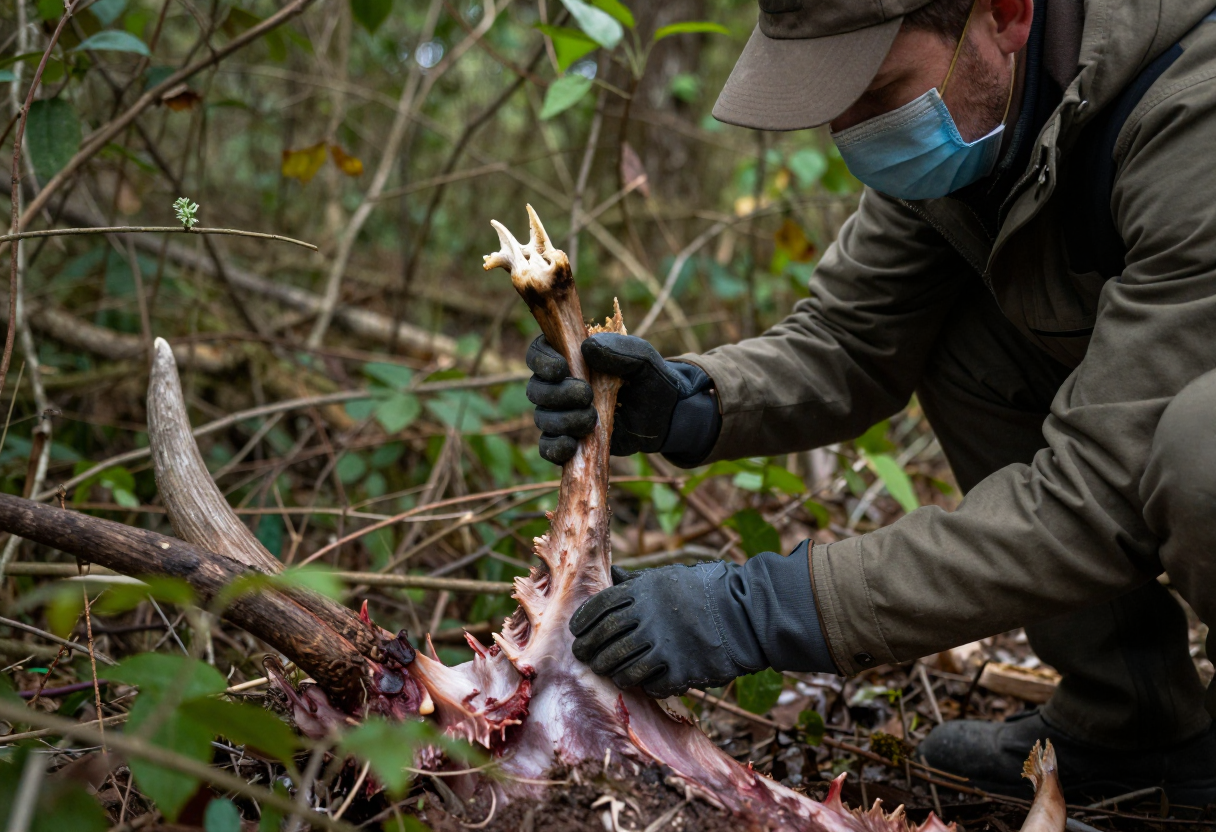
Getting Started: Why This Matters Now
In the past, a few downed deer in a single pasture might have been dismissed as an old hunter’s mistake or a tragic accident of nature—a vehicle strike or a predator taking out a weak individual. However, with the rise of viral diseases like Epizootic Hemorrhagic Disease (EHD) and other emerging pathogens, the landscape is changing. These aren't just "bad luck" events; they are biological hazards that can sweep through local populations rapidly.
When these outbreaks occur, they create immediate risks for both wildlife management and personal safety. For those of us who spend our time in the woods—whether we are scouting a late-season buck or checking a fishing spot—it is important to recognize that an infected animal isn't just a potential hazard; it can be a vector for illness. Understanding how to identify these situations before you encounter them is part of modern situational awareness. It’s about moving beyond the "business as usual" mindset and adopting a proactive stance on safety when things look out of the ordinary in the field.
Understanding the Risk and The Signs in the Field
When dealing with wildlife disease, your primary tool isn't a high-powered optic; it’s your observation skills. You aren't looking for microscopic viruses; you are looking for physical manifestations of illness that tell you to keep your distance. In many cases, these diseases manifest through noticeable signs: sudden lethargy in animals, visible sores or ulcers on the skin, and—most importantly—the grouping of carcasses.
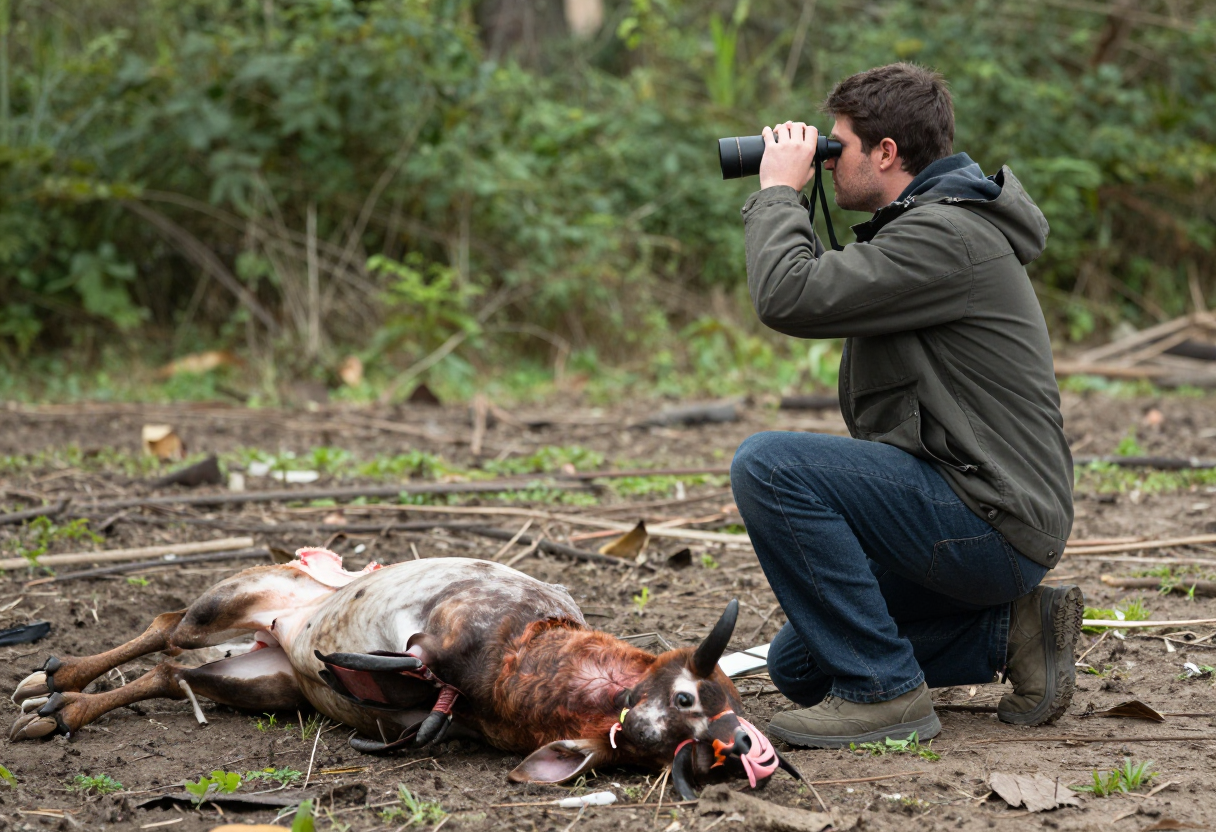
If you come across a single deer with an old wound from a coyote, that is standard forest life. If you find three or four deer in one small area, all showing signs of distress or appearing recently deceased without obvious predator intervention, that is a red flag. These "clusters" are often the first sign of a localized outbreak. You don't need to be a biologist to recognize that something isn't right. When you see these indicators, the rule of thumb is simple: do not approach. If an animal looks sick or if there are multiple carcasses in one area, treat it as a potential hazard and maintain your distance until you can assess the situation from afar.
Safety Protocols: Treating It Like a Biohazard

When I spent time in the military and later with the Civil Air Patrol, "operational protocol" was everything. When dealing with something that could potentially be infectious or hazardous, we didn't guess; we followed established procedures to mitigate risk. You should view a suspected disease site in much the same way. It isn't just about avoiding a sick animal; it’s about treating the area as a potential biohazard zone.
If you must move through an area where infected remains are present, follow these non-negotiable steps:
- Maintain Distance: Do not enter the immediate vicinity of any carcass or group of carcasses to "get a better look."
- Personal Protective Equipment (PPE): If your path requires you to be near potentially contaminated areas, wear heavy-duty leather work gloves and a face mask. This isn't about being paranoid; it’s about creating a barrier between yourself and potential pathogens in the dust or fluids of an animal carcass.
- Decontamination: If you happen to brush against something suspicious or if your gear comes into contact with a site, clean your boots and equipment thoroughly before moving on.
Treat these situations as a tactical problem: identify the hazard, establish a perimeter, and minimize direct contact until the situation is cleared by professionals.
The Ethical Way to Handle Infected Wildlife
As hunters and land managers, we have an ethical responsibility to be good stewards of the land. This means making decisions that prioritize the health of the local ecosystem over our curiosity or convenience. If you encounter a site that looks like it could be part of a disease outbreak, your role is to observe without disturbing.
Do not move carcasses for "easier" hunting paths later in the day, and do not disturb remains just to see what’s going on inside. Instead, document the location. Note exactly where you saw the issue so you can provide accurate information to officials. If a carcass poses an immediate threat—such as being located in a high-traffic area for hikers or near a public road—you may need to move it, but only after putting on your protective gear and taking the necessary precautions. The goal is to report the findings accurately so that wildlife agencies can track the spread of disease. By following these steps, you help contain the problem rather than inadvertently spreading pathogens further across the landscape.
Local Rules Change Fast—Check Before You Go
One of the biggest mistakes a hunter or landowner can make is assuming that "common sense" replaces local law. When a significant outbreak like EHD occurs, state and county agencies may implement emergency orders almost overnight. These could include closing specific parcels of land to public access, changing how you must report found carcasses, or even altering hunting season dates in affected zones.
Because these regulations are fluid and vary significantly by state and county, I cannot provide a definitive rule for your specific area. What is legal in one county might be a violation in the next during an active outbreak. Before you head out, check with your official state wildlife agency to see if there are any active alerts or special instructions regarding disease-related management. Their website will have the most current information on local protocols and how they impact your specific plans for the season.
What To Do Next Time: A Quick Field Checklist
When things get complicated in the field, a simple checklist helps keep you focused on the fundamentals of safety and stewardship. If you encounter an area that looks like it might be affected by a wildlife disease outbreak, follow these steps:
- Stop and Observe: If you see multiple carcasses or animals showing obvious signs of illness (sores, lethargy), stop your advance.
- Maintain Distance: Do not approach the carcass to investigate; stay back until you can determine if it's a safe area for you to move through.
- Don't Touch: Unless you are wearing full protective gear and have been instructed by officials to do so, never touch an unknown animal carcass.
- Document and Report: Note the GPS coordinates or specific landmarks of the site. Contact your state’s wildlife agency via their hotline or website to report what you found.
- Protect Your Gear: If any part of your equipment (boots, bags) comes into contact with a suspicious area, clean it thoroughly before use on another animal or in another location.
Inspired by Outdoor Life.
About the Author
David Rodgers is the founder and writer behind Country Trailhead — a Marine Corps infantry veteran, Civil Air Patrol colonel, and Eagle Scout based in Oklahoma, drawing on decades of field-tested hunting, fishing, camping, and hiking experience. Read more about David and Country Trailhead →