What Happens to the Land We Hike On?
Public lands are foundational to American recreation. This issue breaks down complex legal battles over monuments like Bears Ears and Grand Staircase so you understand the importance of conservation efforts affecting your favorite trails.
Written by David Rodgers — September 3, 2026
The basics: Why do these fights even happen?
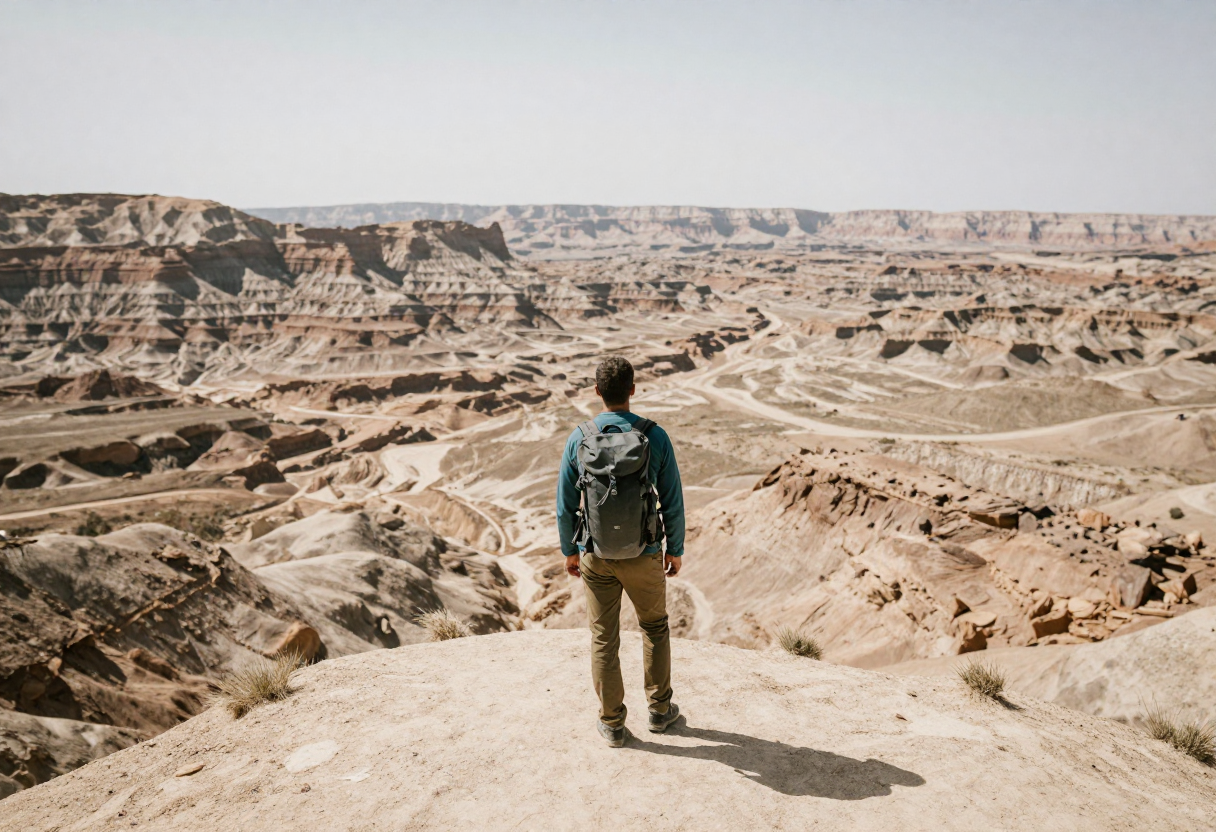
When you head out into the backcountry, it’s easy to forget that most of the land we enjoy isn't just a blank space on a map; it is managed under specific legal frameworks. These "fights" over public lands—like those seen with the Bears Ears or Grand Staircase areas—usually stem from conflicting philosophies on how land should be used. One group might prioritize industrial use, like mining or grazing, while another focuses strictly on preservation and recreation.
Because these goals are often at odds, federal agencies and private interests frequently clash over "designations." These aren't just academic debates; they represent the difference between a public trail being maintained for hikers or closed off to protect a specific ecosystem. Policy shifts happen every few years as administrations change their priorities on land management. For those of us who rely on these spaces for our sanity and recreation, staying aware of these shifts is important because it affects everything from where we can camp to how many people are allowed in certain areas. Understanding the background helps you realize that the "status" of a piece of land isn't always permanent.
What does it mean when a monument is 'at risk'?
When news breaks that a monument or protected area is "at risk," it usually involves legal maneuvers to either withdraw protections or change how resources are managed on those lands. In plain terms, if a designation is rolled back, the rules of engagement for the land can shift overnight. This might mean:
- Access Changes: New restrictions on where you can camp or park your vehicle.
- Resource Management: A shift in how much "human impact" the land can handle before it begins to degrade.
- Permit Requirements: An increase in red tape as agencies try to manage a less-protected area more strictly.
While these legal battles are complex, the practical reality for us is simpler: any change in status means the rules on the ground might be different than they were last year. A piece of land that was "wild" and open may suddenly require specific permits or have restricted zones. It’s why I always suggest checking current local guidance before heading out to a remote area, as legal shifts don't always result in immediate physical changes to the landscape, but the regulations governing your behavior there often do.
Practical takeaways for hikers and campers.
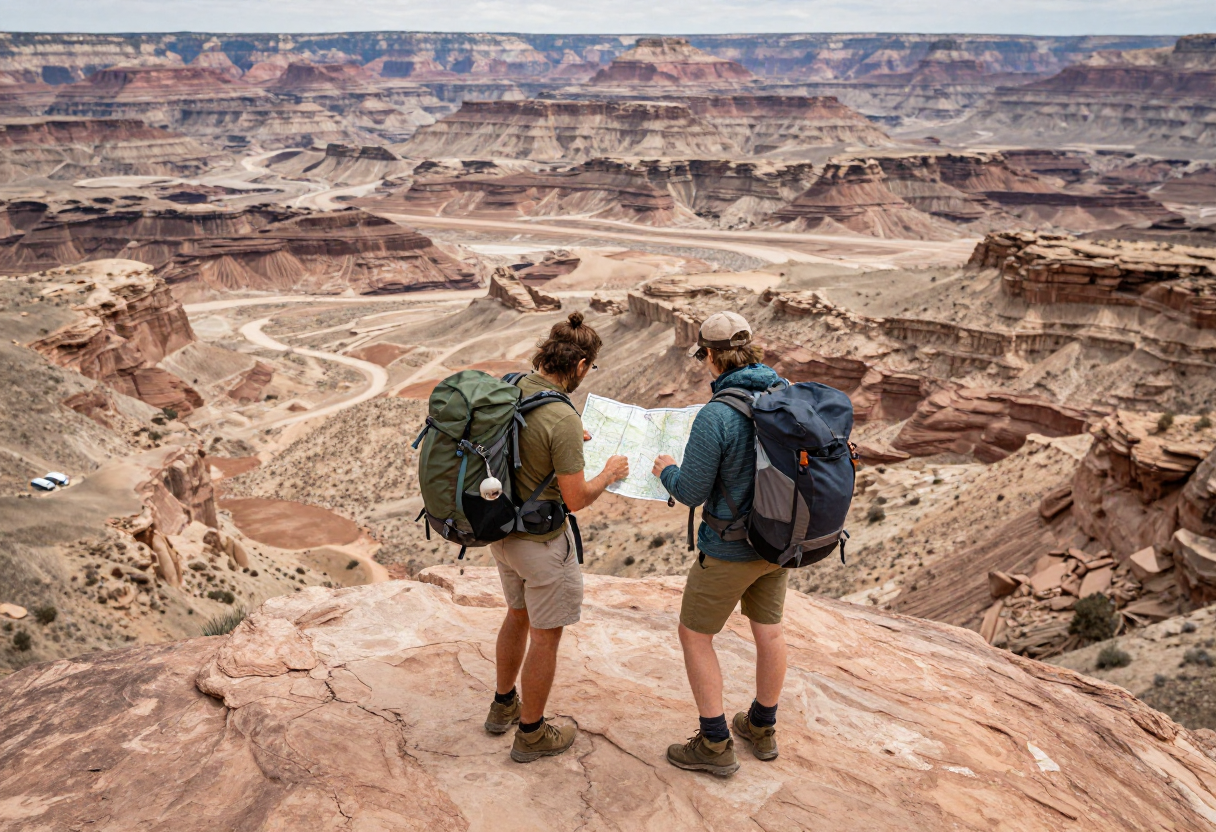
Regardless of what is happening in a courtroom or a state capital regarding land ownership, you are still a guest in these spaces. Whether you are on BLM land, within a National Forest, or inside a protected Monument, the way you carry yourself matters. If you want to ensure these lands remain accessible for others—especially those just starting out—you need to be an advocate through your actions rather than just your words.
To do this effectively:
- Follow Leave No Trace (LNT) principles strictly. This isn't a suggestion; it’s the baseline for staying in the outdoors.
- Pack out everything you pack in. If people see trash or evidence of poor camp management, they will push for more restrictive rules and "harder" boundaries.
- Respect local closures. Even if a closure seems arbitrary to you, it's often there because of seasonal hazards (like river levels) or sensitive wildlife cycles.
By being the kind of person who leaves no trace and respects existing boundaries, you make it much harder for others to argue that "the public isn't taking care of the land." You become a silent advocate for keeping these areas open.
The fundamentals never change (and that's the important part).
At the end of the day, while policy shifts and legal battles can be frustrating to follow, they don’t change the fundamental requirements for being safe and successful in the outdoors. A mountain doesn't care who owns it; a river doesn't care what its official designation is. The core skills that keep you out of trouble remain constant regardless of the political climate:
- Navigation: You still need to know where you are on a map and how to read the terrain around you.
- Weather Judgment: Knowing when a storm is moving in or when temperatures will drop below your gear's limits remains vital.
- Self-Reliance: Having the right tools, enough water, and the ability to manage your own safety are non-negotiable.
Whether you’re hiking through a high-profile monument or just down the road on state land, these fundamentals stay the same. Don't let the noise of legal debates distract you from the basics of preparation and respect for the environment. If you have the right skills and a disciplined approach to your trip, you’ll be prepared for whatever changes come with the landscape over time.
Inspired by Backpacker Magazine.
About the Author
David Rodgers is the founder and writer behind Country Trailhead — a Marine Corps infantry veteran, Civil Air Patrol colonel, and Eagle Scout based in Oklahoma, drawing on decades of field-tested hunting, fishing, camping, and hiking experience. Read more about David and Country Trailhead →