What Changes to Public Land Mean for Your Trip?
Major changes are happening across the American West regarding how federal agencies manage our best backcountry areas. We break down what this means practically for your next trip, whether you're camping, fishing, or hunting.
Written by David Rodgers — September 8, 2026
The Big Picture: What's Actually Changing Out There?
When you hear about things like the "Roadless Rule" or shifts in federal land management, it can sound like a lot of bureaucratic noise that has nothing to do with your actual experience on the trail. However, these policy decisions are what ultimately dictate the physical reality of our public lands. In plain terms, these rules determine where roads are built and maintained, which areas are set aside for wilderness preservation, and how much "human" activity is allowed in specific zones.
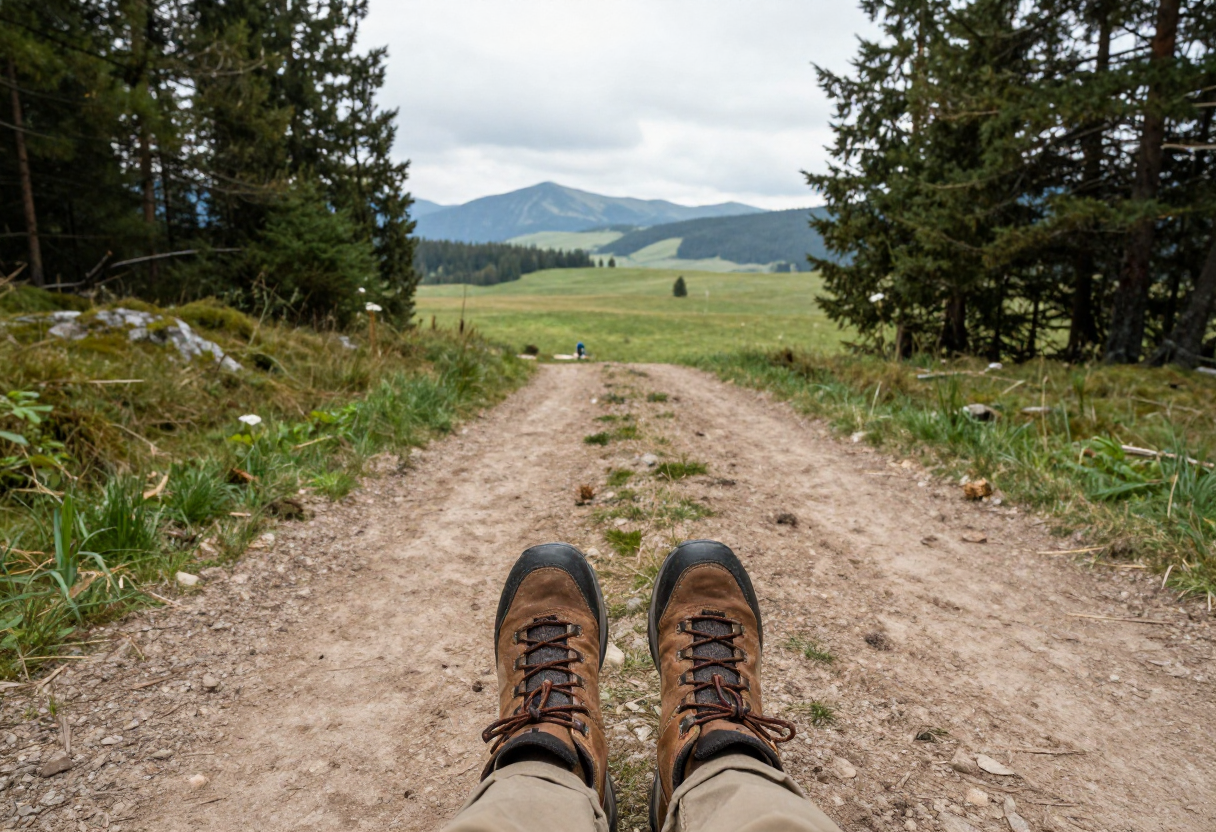
For example, a change in roadless area status might mean that certain backcountry routes will no longer be groomed or patrolled by rangers. While this preserves the rugged feel of the land, it also means the infrastructure we often take for granted—like clear turn-offs and maintained gates—might disappear or become less reliable. It isn't just about "saving" nature; it’s about deciding how much maintenance a piece of land gets. When these policies shift, they change the geography of access. They decide where you can legally ride your ATV, where you are allowed to camp, and which areas will remain untouched by modern development for decades to come.
Why This Matters to Your Trip: Hunter and Angler Impact
For those of us who spend our weekends in the woods or on the water, these policy shifts hit home when we try to plan a trip. A change in land management can directly affect your "point of entry." If a certain area is reclassified as more protected, it might mean that motorized access is restricted, forcing you to hike several miles just to reach a fishing hole or a prime hunting stand.
This also impacts the reliability of your route. When maintenance budgets are shifted based on new policies, roads can degrade quickly after one heavy rain or snowstorm. What was an easy gravel road last year might become a muddy, impassable mess this season because it’s no longer part of a high-priority maintenance circuit. It changes how you pack—you might need higher-clearance vehicles or more self-sufficiency if your "quick" trip to a nearby creek suddenly requires navigating unmaintained terrain. Ultimately, these policies dictate the distance between where you start your day and where the action happens.
Don't Guess the Rules: How To Stay Informed (and Plan Accordingly)
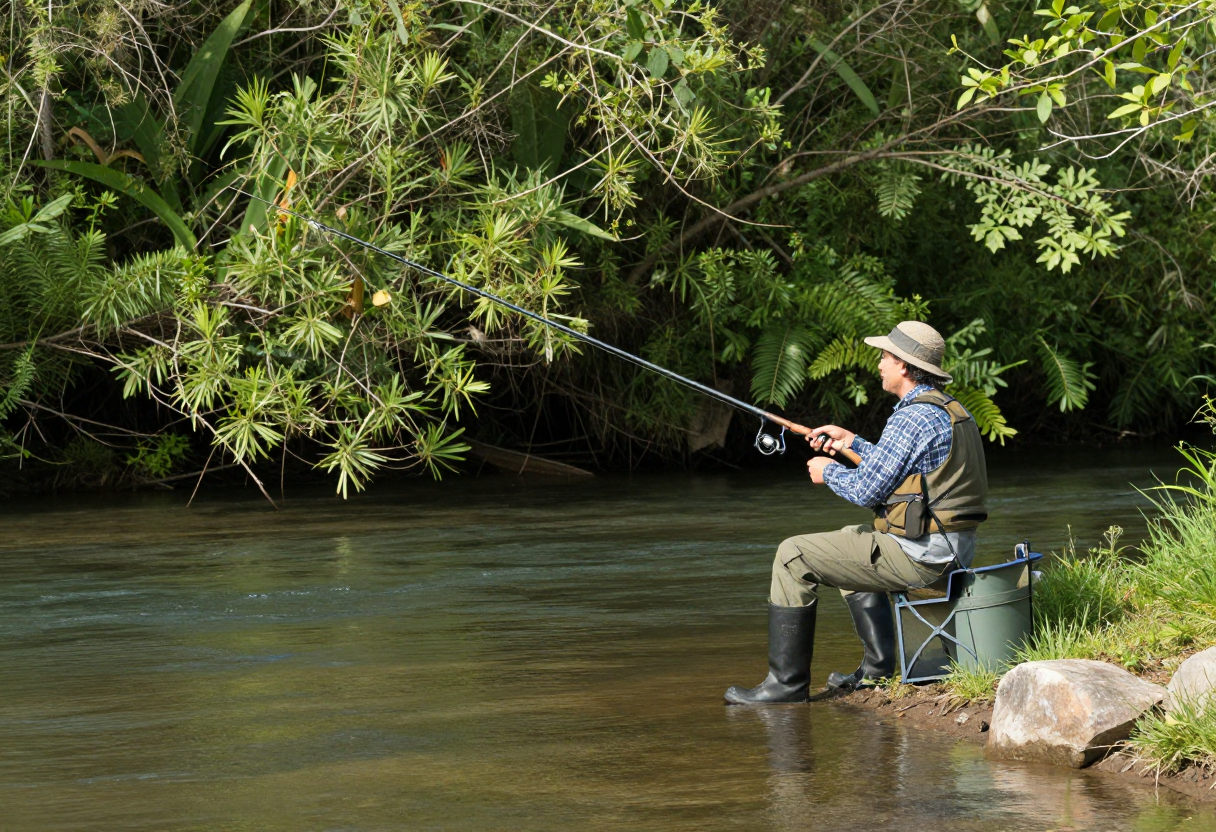
One of the biggest mistakes I see beginners—and even some seasoned folks—make is trying to plan a trip based on a general "feeling" or an old blog post they read years ago. Land management and hunting regulations are moving targets. Because these rules vary wildly by state, county, and specific land tract, you cannot assume that what was legal last year holds true today.
The only way to be sure is to go straight to the source. Before you head out, check your specific state’s wildlife agency website for current seasons, bag limits, and access restrictions. I highly recommend using our State Resources page; it points you toward the official government portals so you don't have to hunt through confusing websites yourself. If you are heading into federal land (like National Forests or BLM land), check their specific local office maps as well. It takes an extra twenty minutes of work at your desk, but it saves you from a massive headache—or a heavy fine—when you’re actually out in the field.
The Basics of Responsible Backcountry Use
Regardless of what the current policy says or how "remote" a piece of land is supposed to be, there are core principles that never change. These aren't just suggestions; they are the foundation of outdoor ethics and long-term access for everyone. Following Leave No Trace (LNT) principles means ensuring that your presence doesn't degrade the environment for the next person who follows in your footsteps.
This includes several key behaviors:
- Pack it in, pack it out: Every piece of trash, including food scraps and wrappers, needs to leave with you.
- Respect wildlife: Keep a respectful distance and don't habituate animals to human presence.
- Minimize your footprint: When camping or hiking, stay on established trails where possible to prevent soil erosion and damage to local flora.
Whether you are there for a weekend of backcountry fishing or a week-long hunting trip, these habits ensure that the land remains healthy. If we don't take care of the ground we walk on today, it won't be available for us—or anyone else—to enjoy tomorrow. To get started with your next trip planning, visit our State Resources page to find the specific rules and maps for your next destination.
Inspired by MeatEater.
About the Author
David Rodgers is the founder and writer behind Country Trailhead — a Marine Corps infantry veteran, Civil Air Patrol colonel, and Eagle Scout based in Oklahoma, drawing on decades of field-tested hunting, fishing, camping, and hiking experience. Read more about David and Country Trailhead →