
Understanding Auroras: How Earth Meets Space
We're going beyond just 'pretty lights.' This issue explains the science—from solar flares to geomagnetic fields—that causes auroras, helping you time your viewing window and understand what you're looking at.
Written by David Rodgers — September 19, 2026
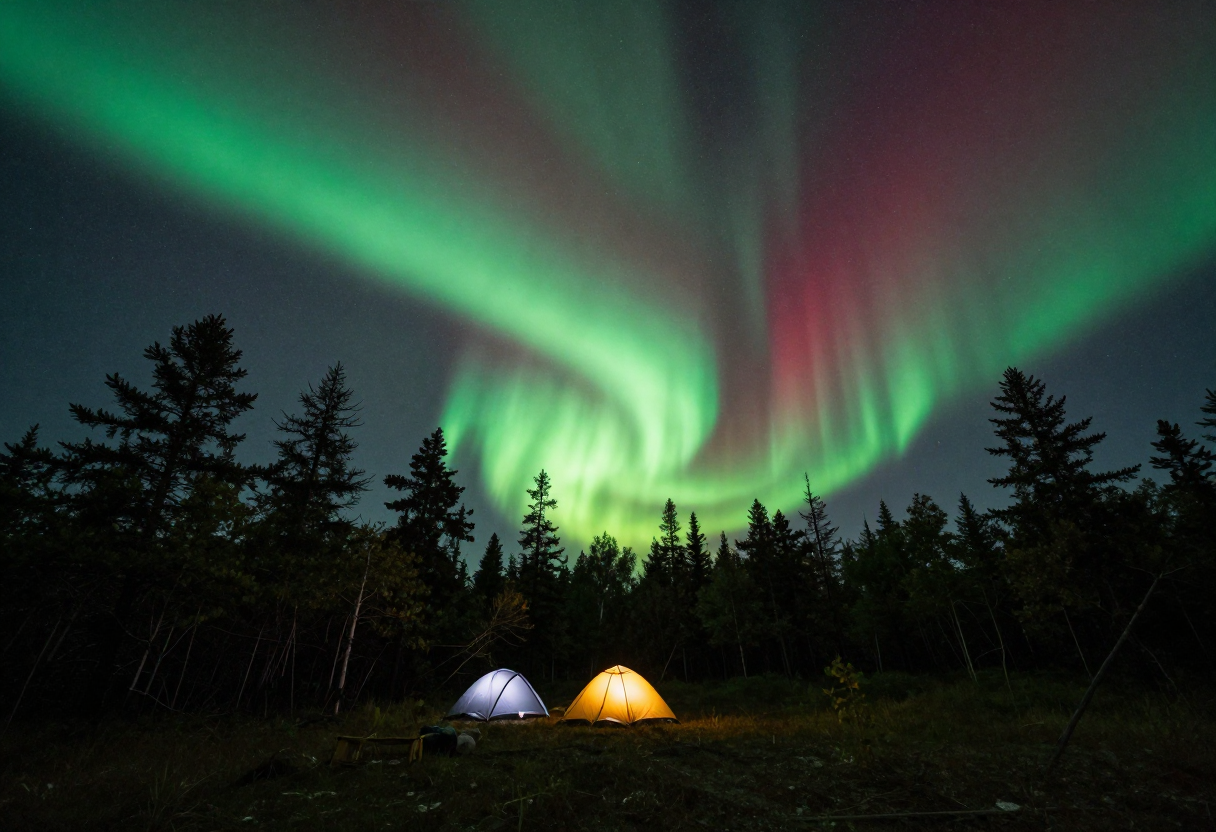
What are auroras, really?
If you’ve ever seen photos of those vibrant ribbons of green and purple dancing across the night sky, it is easy to think of them as something mystical or otherworldly. In reality, an aurora is a physical reaction happening in our atmosphere. It occurs when charged particles—mostly electrons and protons—from the sun collide with gases in Earth's upper atmosphere.
Think of it like a massive collision on a planetary scale. These particles are moving at high speeds, and when they hit oxygen or nitrogen atoms in our air, those atoms become "excited." As they settle back down into their normal state, they release that extra energy as light. The specific color you see depends mostly on which gas is being hit and at what altitude the collision occurs. While it looks like a supernatural display, it’s actually an atmospheric response to solar activity. It isn't magic; it’s physics playing out in the high atmosphere, creating one of the most distinct visual indicators of our planet's interaction with the sun.
The science behind the glow: Solar winds and magnetic fields
To understand why this happens here on Earth specifically, you have to look at how we handle "trash" from the sun. The sun constantly emits a stream of charged particles known as solar wind. If these hit our atmosphere directly without any interference, it would be much more intense—and less beneficial for us. Fortunately, Earth has a magnetic field that acts like a shield.
Most of that solar wind is diverted by our magnetosphere, but some of it gets trapped and funneled toward the north and south poles where the magnetic field lines converge. When these particles finally hit our atmosphere at those points, they create the aurora. It’s essentially our planet's way of processing a massive amount of energy from the sun. While we don't see this as a "glow" in our daily lives because it happens so high up and is often diffused by the atmosphere, these interactions are a constant part of how our planet protects itself while still reacting to the environment around us.
Timing it right: The role of equinoxes and solar cycles
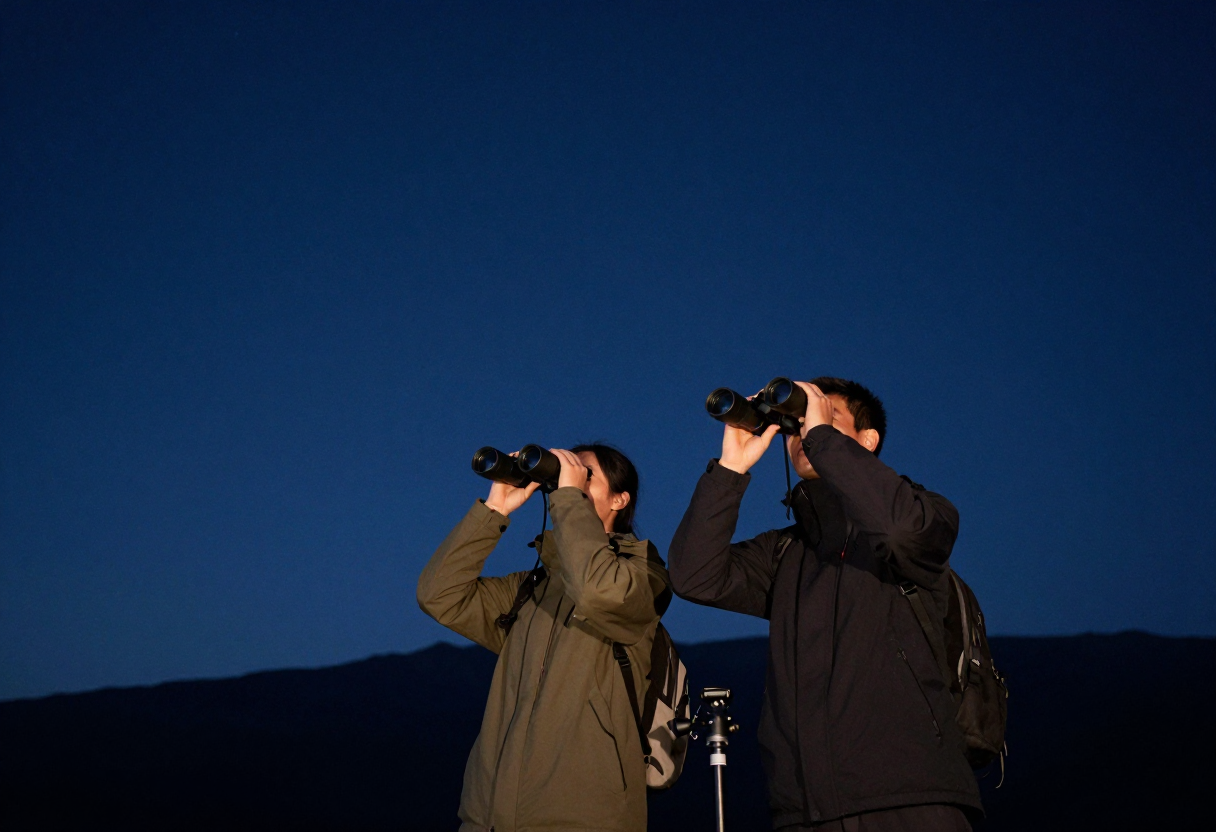
One question I get often from people starting out with stargazing is whether there is a "best" time of year to see an aurora. There is some truth to the idea that auroras are more frequent during the spring and fall equinoxes, but it isn't a guaranteed calendar date for every observer. These periods can sometimes see increased geomagnetic activity due to how the Earth’s magnetic field aligns with the sun’s flow of particles.
However, you cannot rely on an equinox as a "guarantee" for a show. The most significant factor is actually the 11-year solar cycle. During periods of high solar activity (solar maximum), auroras can be seen much further toward the equator and more frequently regardless of the season. Instead of trying to pin down a specific date on a calendar, it is better to think of it in terms of cycles and conditions. If you are looking for a consistent opportunity, check current space weather reports rather than just checking the date on your phone.
How far do you need to get to see them?
The biggest hurdle for most people isn't actually how many miles they have to drive; it is often about light pollution and atmosphere clarity. You don’t necessarily need to fly to a remote tundra if you can find a spot where the "sky glow" from cities doesn't drown out the horizon. For an aurora to be visible, you need three things: high solar activity, a clear sky (no clouds or heavy haze), and enough darkness to see the faint colors.
| Factor | Impact on Visibility |
|---|---|
| Light Pollution | High levels of city lights can wash out even a strong aurora. |
| Cloud Cover | Clouds are an absolute barrier; you need a clear line of sight. |
| Altitude | Higher elevation puts you above some haze, though it isn't strictly required if the air is clear. |
If you live in a rural area, getting away from city lights might be enough to see them during a peak solar event. If you are in a major metro area, your chances of seeing anything but the brightest flares will be slim regardless of how far out you drive.
Safety tips for deep-sky stargazing
When you decide to head out to find an aurora or just get some serious time under the stars, treat it with the same discipline as any other trip into the backcountry. Because these displays can be unpredictable, people often end up staying out much later than they planned, which leads to two main risks: cold and navigation.
- Dress for the "Wait": You might be sitting still in a remote spot for hours. A standard light jacket won't cut it. Wear layers that keep your core warm even when you aren't moving.
- Know Your Limits: If you are heading into remote areas to escape city lights, ensure you have the proper navigation tools and communication means. Just because a location is "remote" doesn't mean it's safe without preparation.
- Respect the Environment: Always follow local land use guidelines. While aurora viewing is mostly about what’s above your head, being on the ground requires following standard outdoor ethics.
If you are planning to travel into remote areas for stargazing or hunting, always check with your state's wildlife agency regarding specific land access and safety regulations before heading out.
Inspired by EarthSky.
About the Author
David Rodgers is the founder and writer behind Country Trailhead — a Marine Corps infantry veteran, Civil Air Patrol colonel, and Eagle Scout based in Oklahoma, drawing on decades of field-tested hunting, fishing, camping, and hiking experience. Read more about David and Country Trailhead →