
The Winter Trail Kit: Keeping Yourself Safe in Deep Snow and Cold,
Winter backcountry travel requires more than just good boots. We break down the technical gear—from specialized layering systems to satellite communication devices—needed for safe, multi-day trekking in deep cold.
Written by David Rodgers — November 13, 2026
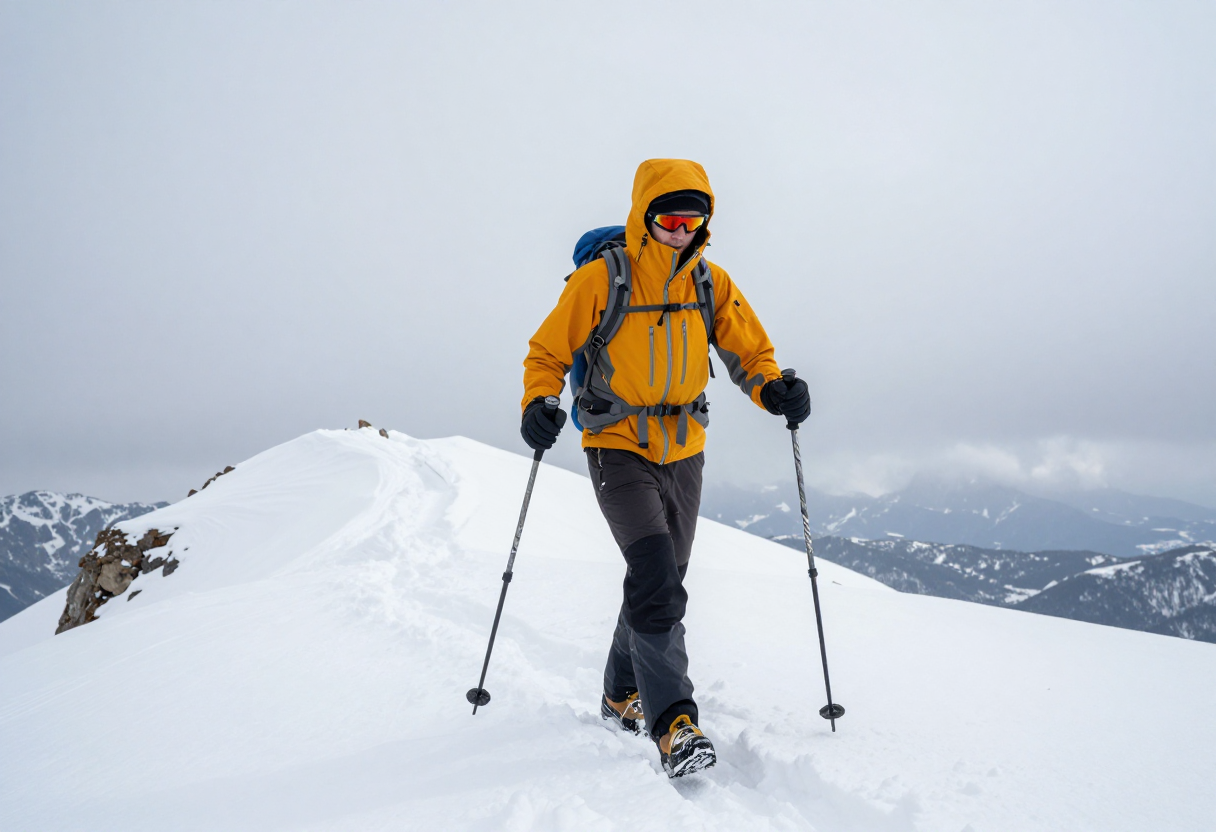
The truth about cold-weather planning
I’ve spent enough time in the backcountry to know that winter doesn't care about your intentions. When the temperature drops and the snow starts to pile up, the margin for error shrinks significantly. In my experience—and I speak from a background of land navigation and field discipline—winter isn't just "hiking with extra clothes." It is a different environment entirely where environmental factors like wind chill, moisture management, and caloric expenditure become life-safety issues rather than mere inconveniences.
A lot of people think they can wing it by grabbing a heavier coat and heading out. That’s how you end up exhausted, soaked through, and shivering in a situation that quickly turns from uncomfortable to dangerous. Proper planning means anticipating what happens when things go wrong: What if your stove fails? What if the wind picks up 20 mph on an exposed ridge? You need to have a "Plan B" for every piece of gear you carry. If you aren't thinking about how you’ll stay dry and warm during a three-hour stationary break or a forced overnight, you aren't prepared for winter yet.
Layering isn't just piling things on; it's managing moisture
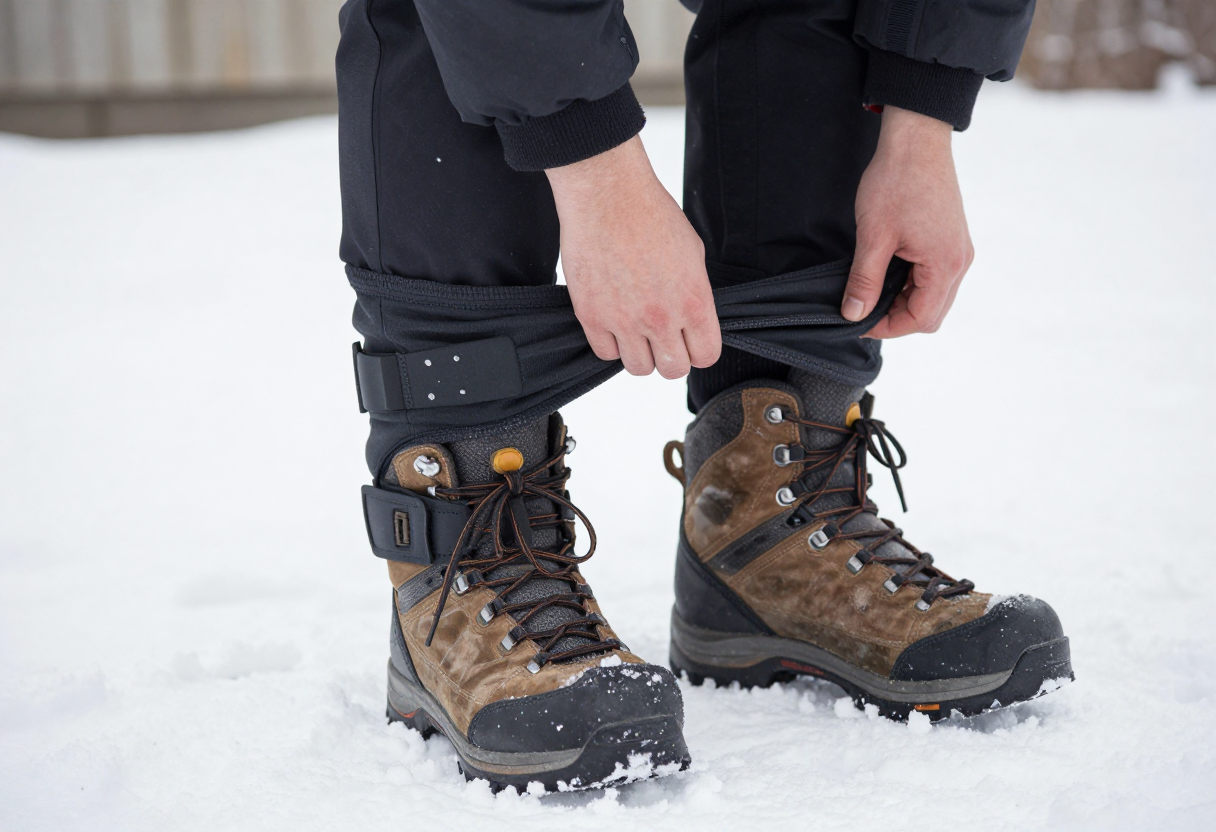
One of the biggest mistakes I see beginners make is thinking that "more clothes" equals "more warmth." In reality, if those clothes are wet from your own sweat, they will pull heat away from your body faster than almost anything else. The goal of a winter system is to move moisture away from your skin and trap air as close to your body as possible.
The Three-Layer System
- The Base Layer (Wicking): This is your first line of defense. You want synthetic fabrics or merino wool. Avoid cotton at all costs; once it gets wet, it stays wet and loses all insulating properties. A good base layer should feel like a second skin that moves moisture outward.
- The Mid-Layer (Insulation): This is where you trap your body heat. This could be a heavy fleece or a high-loft "puffy" jacket. I’ve found that having two thinner mid-layers is often more versatile than one massive one because you can add or remove them as your exertion levels change.
- The Shell (Protection): Your shell's job isn't to keep you warm; it's to keep the wind and snow out of your insulation layers. A breathable, waterproof membrane is essential here.
When it comes to cost, don't feel pressured to buy the highest-end technical shells immediately. A reliable, mid-range waterproof jacket that actually keeps the wind out will outperform a "premium" brand that lets moisture seep through during a heavy snow.
Traction: Getting your feet where you need them to go
In deep snow or on icy slopes, your movement is dictated by how much grip you have. If you’re struggling to move, you’re burning calories at an unsustainable rate and increasing the risk of a fall. Depending on the terrain, different tools are required for the job.
Choosing Your Traction
- Microspikes: These are excellent for packed snow or icy trails where you don't need to break trail. They are lightweight and easy to strap over your existing boots. If you’re just following a path that has been trodden before, these are usually sufficient.
- Crampons: When the terrain gets steep and the ice becomes hard-packed, microspikes won't cut it. Crampons provide much more aggressive bite into the surface but require a specific boot compatibility and a bit of practice to use without slipping.
- Snowshoes: If you are heading into deep powder where there is no established path, snowshoes are non-negotiable. They distribute your weight so you don't "post-hole" (sink deep into the snow with every step).
The key here isn't just owning the gear; it’s knowing which one to pull out of your pack for a specific condition. Using the wrong tool—like trying to navigate a steep icy slope in only microspikes—is a recipe for a twisted ankle or worse.
The sleep system and shelter: Staying dry from the ground up
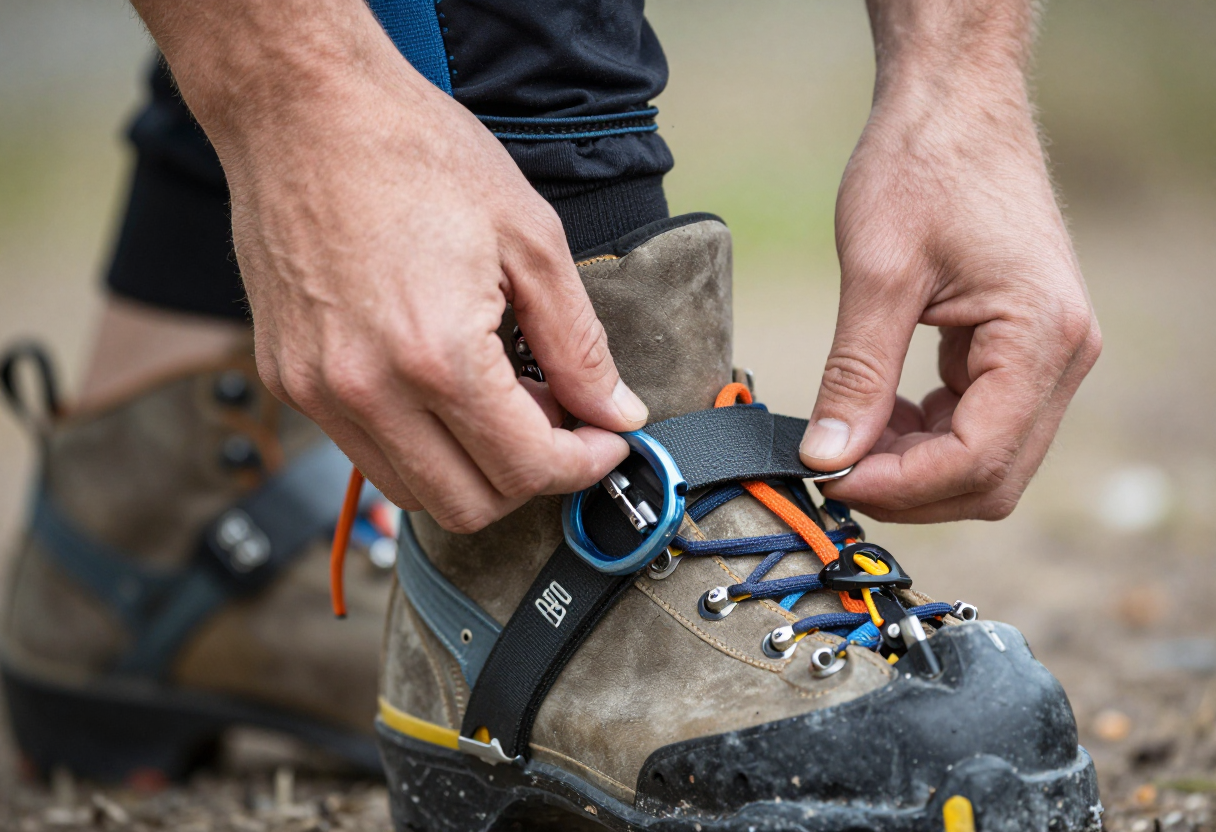
The most common mistake people make when winter camping is focusing entirely on their sleeping bag while ignoring the ground. The frozen earth acts as a massive heat sink; if your body is touching it, that heat will leave you faster than even the best down insulation can replace it.
Insulation and Ratings
When looking at sleeping bags, pay close attention to the "Comfort" rating rather than just the "Extreme" or "Lower Limit" rating. Extreme ratings are often for stationary use in laboratory conditions. For a real-world trip where you might be moving around or dealing with wind, you want a bag that provides a comfortable experience at temperatures well below what you expect to encounter.
The Ground and Shelter
- Sleeping Pads: You need a pad with a high R-value (usually 4.0 or higher for winter). A thick foam pad is often more reliable than an inflatable one because it won't lose its loft if it gets punctured.
- Tent Setup: In winter, your tent is your fortress. It needs to be able to handle significant snow loads on the fly and have a low profile to minimize wind resistance. Ensure you know how to properly stake out for high winds before you arrive at your site.
When the trail disappears: Communication safety gear
In many backcountry areas, especially in deep winter, cell service is non-existent. Relying on a smartphone as your primary safety device is a gamble that doesn't pay off when things go sideways. You need a dedicated redundancy layer for communication and emergency signaling.
Modern satellite messengers have changed the game here. These devices allow you to send "I'm okay" check-ins to family or friends and, more importantly, provide a way to trigger an SOS if you are injured or lost. While these aren't something I recommend carrying for every casual hike, they are a critical piece of equipment for any winter backcountry trip where help might be hours—or days—away.
This is about discipline as much as it is about technology. You should have a plan for when to check in and what your "no-contact" window looks like before you head out. If the device works, great; if it doesn't, you need to have already made the decision on how long you will be out before someone starts looking for you.
Final checks and field wisdom
You can buy every piece of high-tech gear on the market, but none of it replaces your own judgment and skill. In my time in the Marine Corps and as an Eagle Scout, I learned that tools are only as effective as the person using them. Gear is a multiplier, not a substitute for basic competence.
Before you head out into the winter backcountry, make sure you are confident in three core areas:
- Navigation: Can you read a map and use a compass when your GPS unit dies or your phone screen freezes?
- First Aid: Do you know how to treat common outdoor injuries like hypothermia, frostbite, or a sprained ankle in a remote setting?
- Self-Awareness: This is the most important piece of gear. You have to be honest with yourself about your limits. If the weather turns and you're feeling exhausted, that is the time to make the call to turn back.
Always check your state’s official wildlife agency for any specific backcountry requirements or permits before heading out. For more detailed breakdowns on how to select the right gear for your specific needs, visit our State Resources page or explore our full library of outdoor guides.
Inspired by Section Hiker.
About the Author
David Rodgers is the founder and writer behind Country Trailhead — a Marine Corps infantry veteran, Civil Air Patrol colonel, and Eagle Scout based in Oklahoma, drawing on decades of field-tested hunting, fishing, camping, and hiking experience. Read more about David and Country Trailhead →