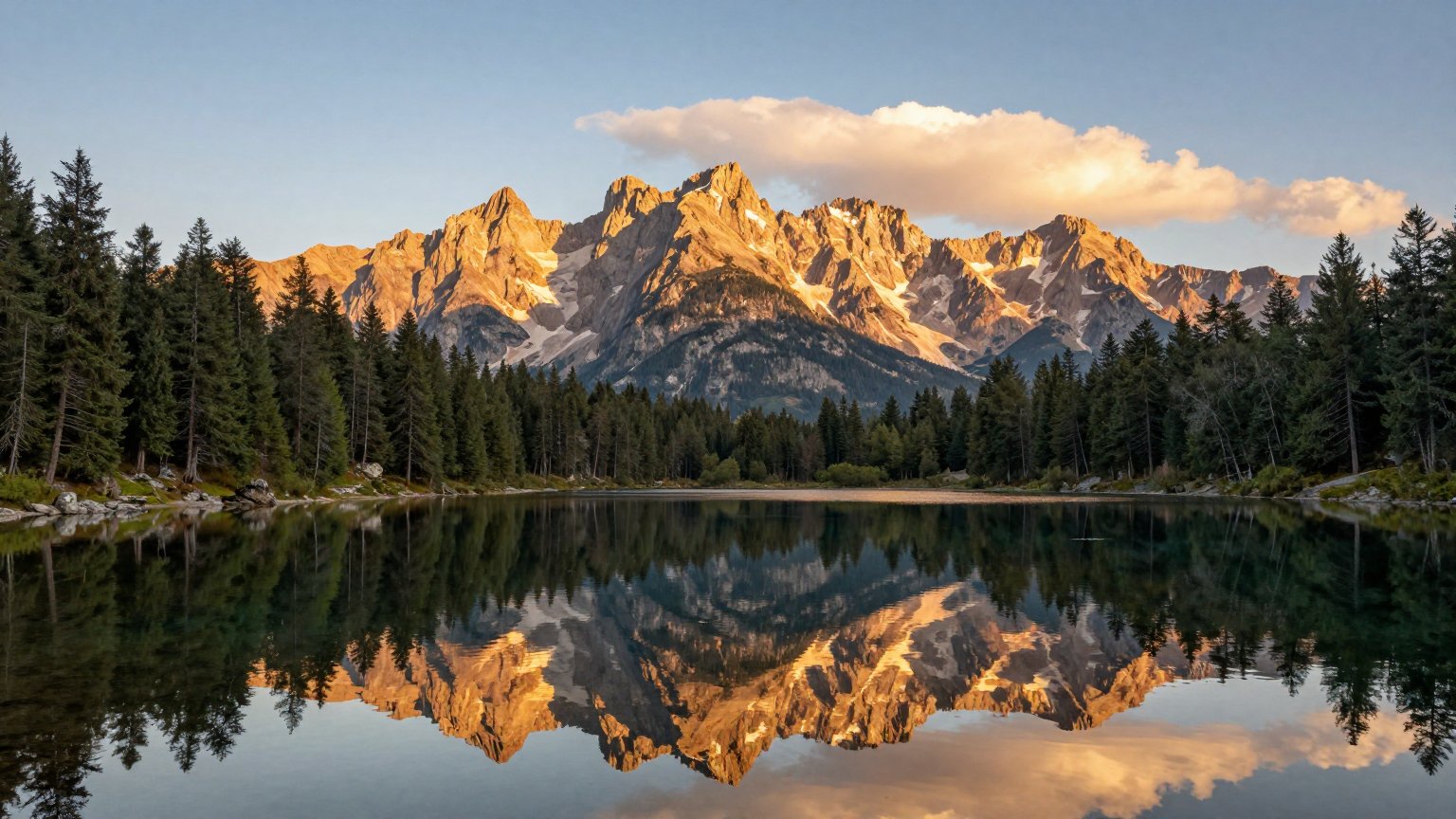

The November Calendar for Better Dark Sky Camping
Don't just pick random dates. I'll show you how to use planet conjunctions and meteor showers to plan a camping trip that maximizes your chance at truly dark skies.
Written by David Rodgers — November 17, 2026
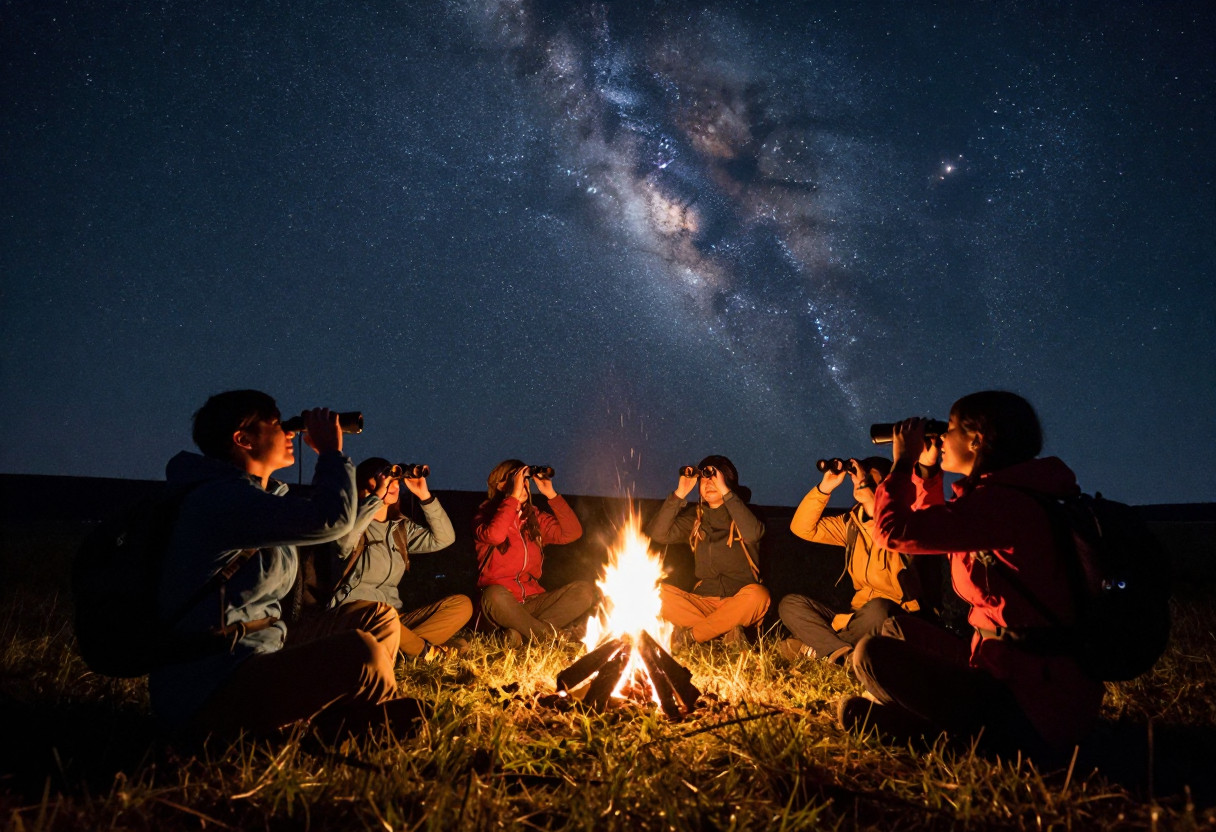
Why Planning Around Stars is Different Than Picking a Weekend
Most people approach camping by looking at a calendar and picking a Friday-to-Sunday window that fits their work schedule. That works perfectly fine if your goal is just to get some campfire time or hit a trail. But when you’re trying to see the stars—really see them—you have to flip that logic. You aren't just planning a trip; you are timing an observation.
In my experience, the difference between a "okay" night and a "life-changing" night of stargazing comes down to celestial mechanics. If you show up on a weekend where the moon is at its peak brightness (a full moon), it doesn't matter how far into the wilderness you hike; the sky will be washed out, and those faint constellations won't pop. Planning around stars means looking for the "dark windows." You want to align your trip with low-moon phases and specific planetary alignments. It’s about choosing the right time so that when you finally get out there, the environment is actually cooperating with what you want to see.
Reading the Cosmic Calendar: What Does Jupiter/Mars Mean for My Tent?
When you look at a celestial calendar, it can feel like looking at a different language. You’ll see terms like "conjunctions," "oppositions," and names of planets scattered across dates. For your camping trip, you don't need to be an astrophysicist; you just need to know what these mean for your actual experience in the woods.
Identifying Your Targets
When a calendar shows Jupiter or Mars in a prominent position, it’s telling you that those objects will be bright and easy to spot with the naked eye. If they are in "opposition," they are at their closest point to Earth, making them shine like beacons. For a camper, this means these are your primary targets for the night.
Timing Meteor Showers
Meteor showers are another big factor. These aren't random; they happen when Earth passes through the debris trail of a comet. If you see a shower peaking in November, that is your "go" date. On those nights, you don't need to look for specific planets—you just need to point your eyes upward and wait for the streaks. Understanding these basics helps you move from "I hope I see something cool" to "Tonight is the night for X."
The Biggest Mistake: Forgetting the Environment
The most common mistake I see people make when planning a dark sky trip is focusing entirely on the calendar and completely ignoring the ground reality. You can have the perfect celestial alignment on paper, but if you're camping in a valley surrounded by city lights or under a thick blanket of November clouds, that plan is useless.
Light Pollution
Light pollution is the "noise" of the night sky. Even a small town nearby can ruin your ability to see fainter objects. You have to be honest about where you are going. If there's a major highway or a residential area within twenty miles, your view will be compromised regardless of what the calendar says.
Weather Judgment
This is where my background in weather judgment and safety discipline comes in. In the field, "it might be clear" isn't good enough for planning. You need to look at the broader forecast—humidity, cloud ceiling heights, and wind speeds. If there’s a high chance of overcast skies, your celestial calendar won't matter. Always have a backup plan or a secondary location that offers better protection from local environmental factors like heavy fog or localized cloud cover.
Building Your Ideal Trip Plan, Step by Step
If you want to move beyond "hoping for the best" and actually execute a successful dark sky trip, I recommend following this specific workflow before you ever pack the truck. It’s about narrowing your options until only the best possibility remains.
- Identify Your Goal: Decide what you actually want to see. Is it the Milky Way? A specific planet like Jupiter? Or just general meteor activity? This determines which dates on the calendar matter most to you.
- Select a "Dark Zone": Use a light pollution map to find a location that is truly remote. Look for areas with minimal human infrastructure.
- Sync with the Moon: Cross-reference your chosen location with the moon phases. You are looking for the days leading up to—or following—a new moon, when the sky is at its darkest.
- Verify Local Conditions: Check the specific weather for your destination. Look for "clear sky" forecasts rather than just "sunny," as humidity can create haze that obscures distant objects.
- Check State Resources: Always check your state’s official wildlife agency website to ensure you are following all land-use regulations and permit requirements for your chosen area.
Gear Checklist: What You Actually Need Under the Stars
You don't need a professional observatory on wheels to enjoy the stars, but having the right basics makes the experience much more comfortable and successful. I’m a proponent of simple tools that do the job reliably without overcomplicating things.
Essential Tools
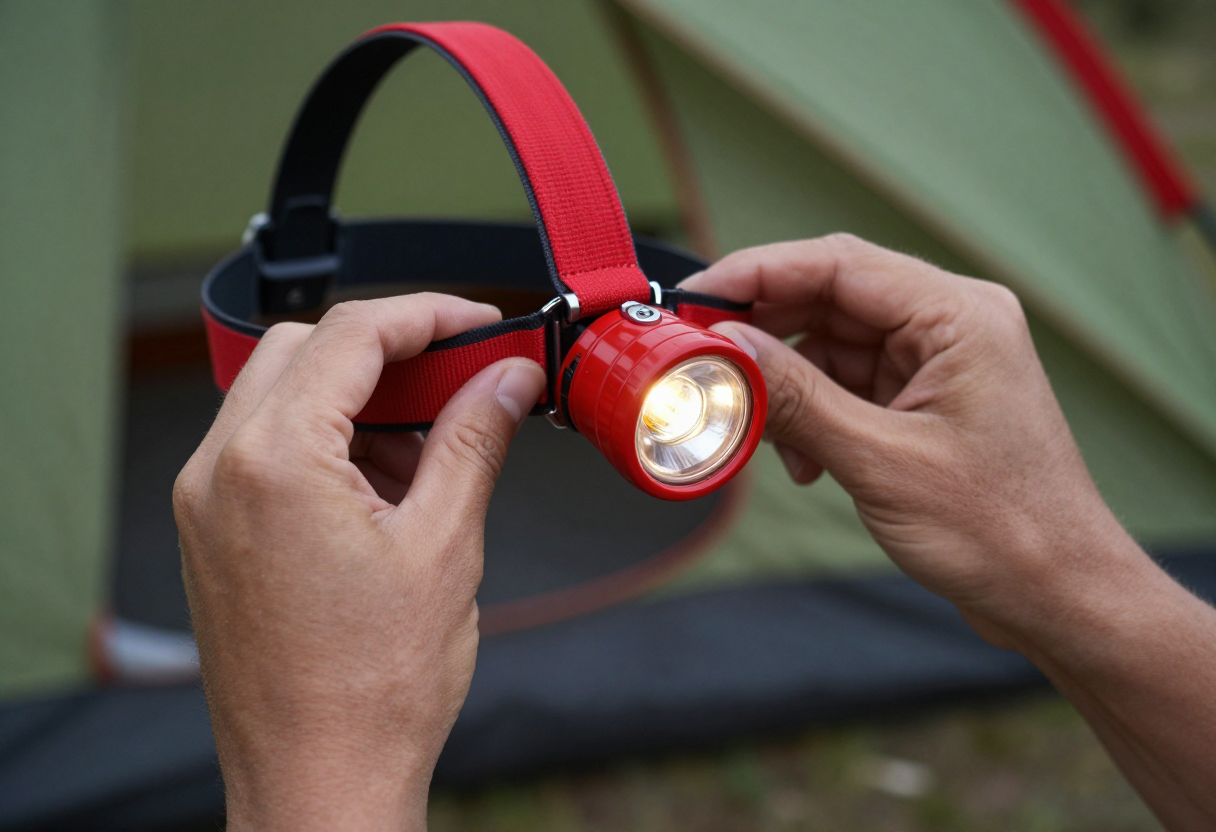
- Red Light Headlamp: This is non-negotiable. White light ruins your "night vision" (the ability of your eyes to adjust to the dark). A red light allows you to see your map or gear without washing out the stars around you.
- Basic Binoculars: You don't need a telescope for every trip. A decent pair of 8x42 or 10x50 binoculars will let you see craters on the moon and details in Jupiter’s clouds.
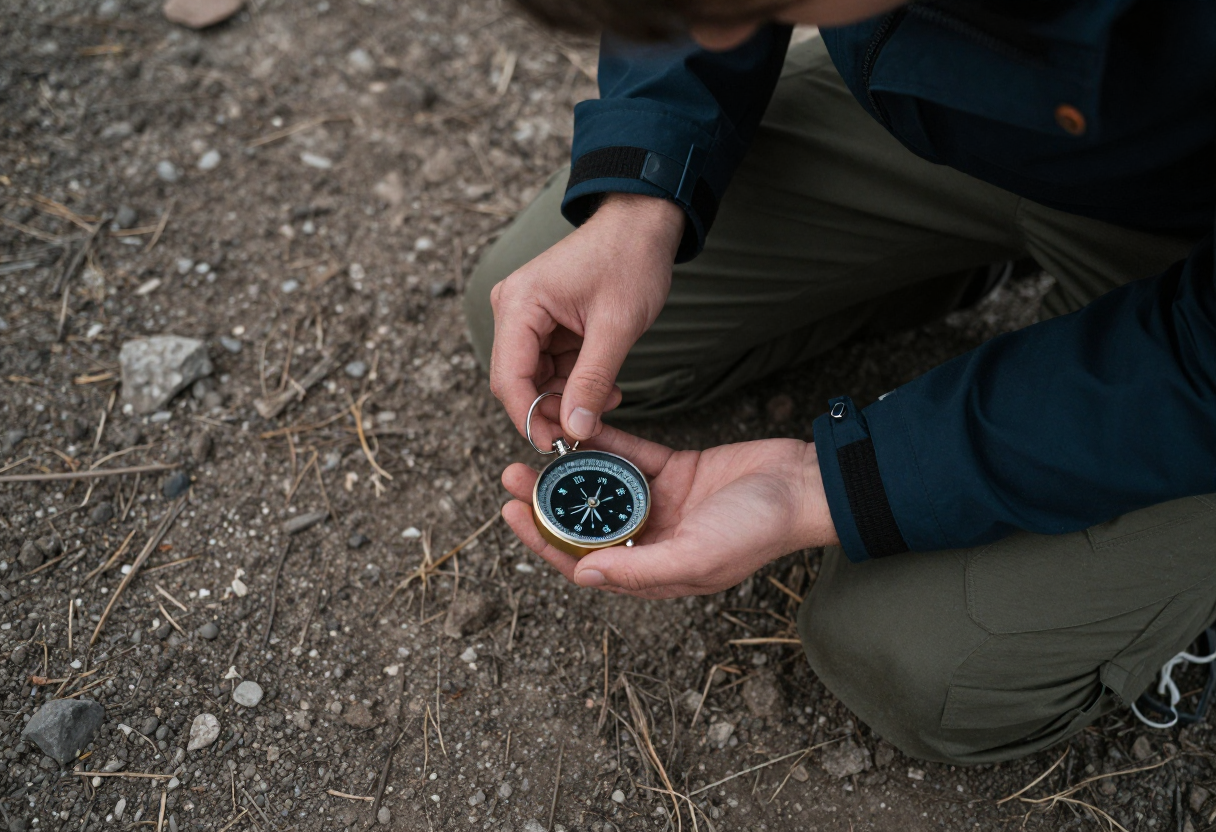
- Physical Map and Compass: When it gets dark, electronics can be finicky or drain quickly. Trust your training—have a physical way to know exactly where you are standing.
Comfort and Safety
- Layered Clothing: November nights get cold fast. If you're shivering, you won't enjoy looking at the stars. Pack layers that handle significant temperature drops.
- A Comfortable Chair: It sounds simple, but if your neck is aching from looking up for an hour, you’ll want to head inside. A portable camp chair makes a huge difference in how long you can stay out there.
Inspired by EarthSky.
About the Author
David Rodgers is the founder and writer behind Country Trailhead — a Marine Corps infantry veteran, Civil Air Patrol colonel, and Eagle Scout based in Oklahoma, drawing on decades of field-tested hunting, fishing, camping, and hiking experience. Read more about David and Country Trailhead →