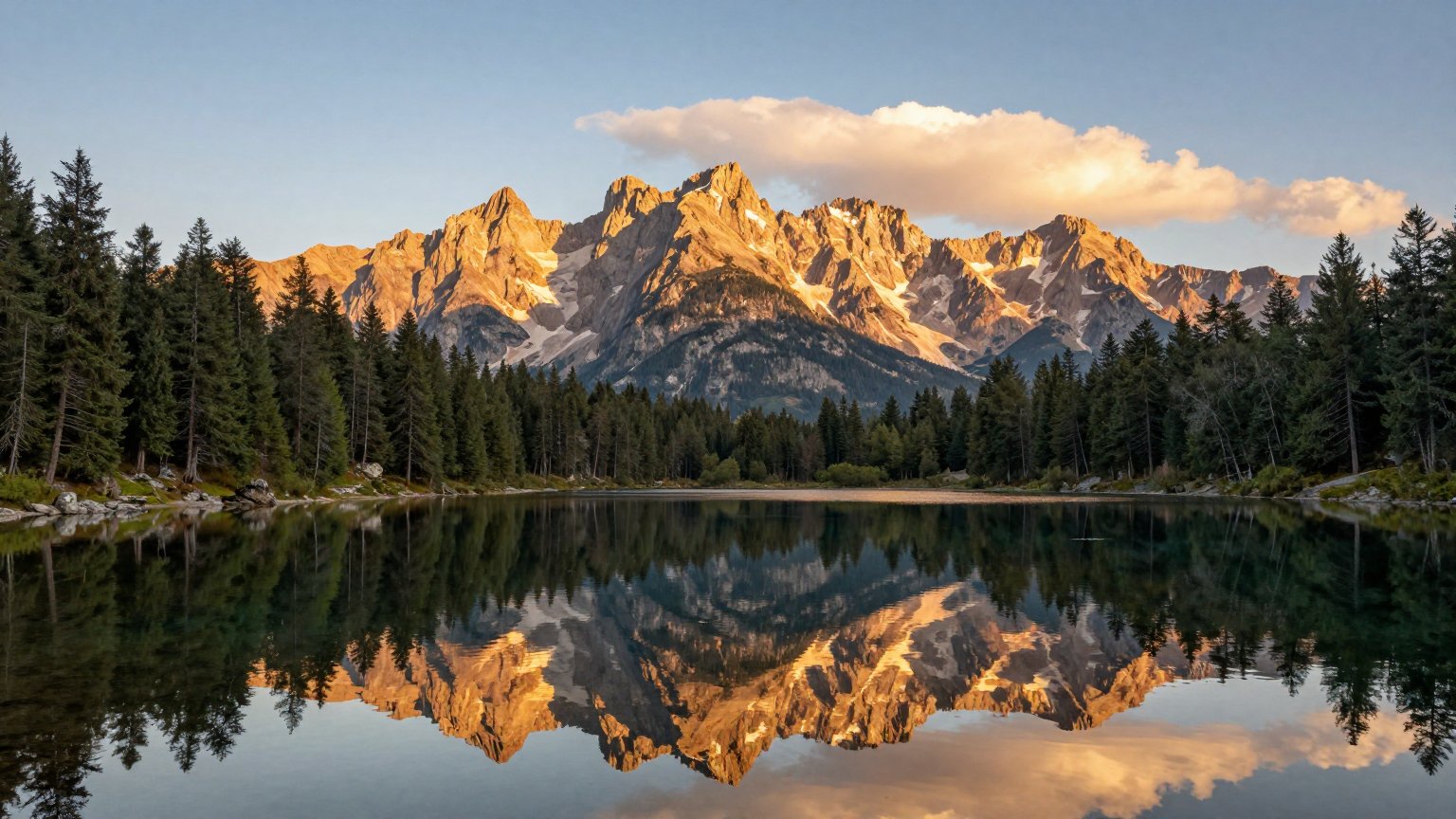

The New Rules for Bear Storage on the Appalachian Trail
U.S. Forest Service regulations are changing how we store food along a critical section of the Appalachian Trail in Georgia. This guide breaks down what 'mandatory' means, why it’s happening, and how to prepare your gear list for 2027 without overpacking yourself into oblivion.
Written by David Rodgers — November 14, 2026
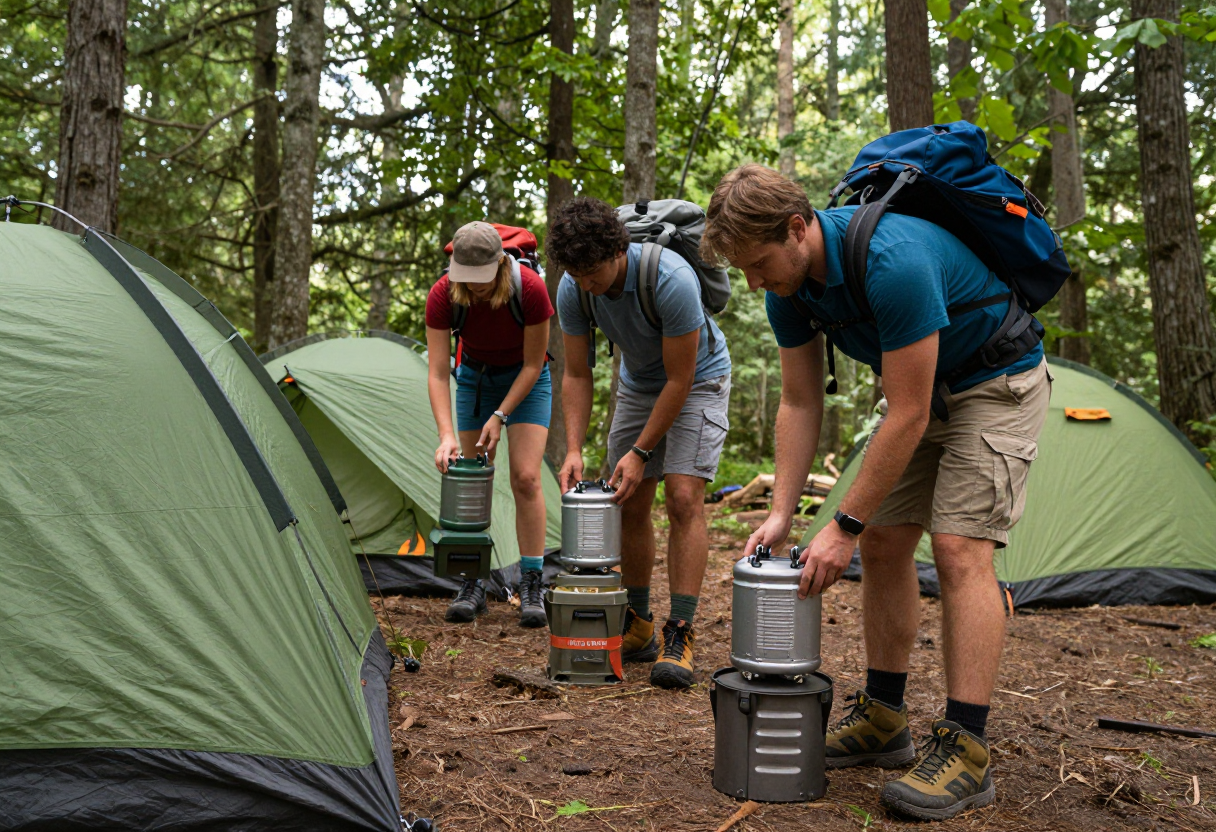
Heads up: Something big is changing for AT hikers in Georgia
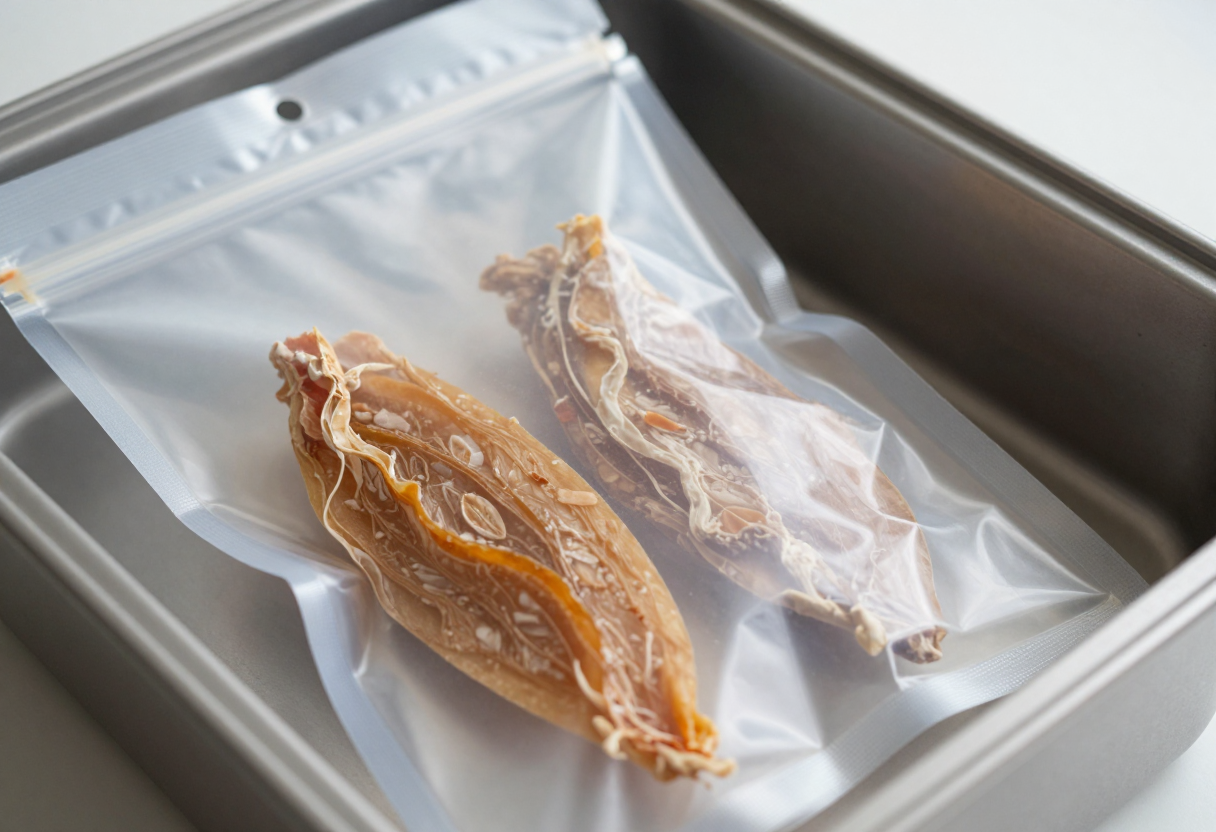
If you’re planning on hitting the Appalachian Trail—specifically the Georgia section—you need to start looking at your gear list differently than you might have a few years ago. Starting in 2027, mandatory bear canisters will be required for all hikers in this stretch of the trail. I know that feels like a long way off, but in the world of backcountry planning, "future" is often just another word for "now."
I’ve seen how quickly logistics can trip up a trip if you leave them until the last minute. If you're planning to be on the trail in 2027, you need to start factoring this into your pack weight calculations and gear research today. This isn't just about having something to carry; it’s about understanding how a hard-sided container changes your entire approach to food storage, pack organization, and weight distribution over those long miles of Georgia terrain. It is a significant shift in the way we manage our footprint on the trail.
What does 'mandatory canister' actually mean?
For many of us who have spent time in the woods, "bear safety" has traditionally meant hanging a bag of food from a sturdy branch or using paracord to hoist supplies high enough that a bear couldn't reach them. In some areas, that’s still the standard. However, the move toward mandatory canisters means those old methods are being phased out in favor of a specific, hard-sided container designed to be bear-proof and tamper-resistant.
This requirement applies to everything with a scent. We aren't just talking about your dinner; we’re talking about every ounce of food, any trash, and even "scented" items like toothpaste, lip balm, or deodorant. Every single one of these items must be stored inside the canister when you are at camp. This effectively removes the "hanging" option from your toolkit for this section of the AT. It’s a shift toward a more standardized system that ensures your supplies stay inaccessible to wildlife regardless of how complex the local trees and branches might be.
The reality behind the rule (It’s about safety, not rules)
I’ve spent plenty of time in the field, from my days in the Marine Corps to my work with the Civil Air Patrol, and one thing I've learned is that "rules" are usually just a formal way of addressing a practical problem. In this case, the problem is bear habituation. When bears learn that human campsites provide an easy meal, they stop behaving like wild animals and start seeking out people. That’s when things get dangerous for everyone—the hikers and the bears alike.
This regulation isn't about making your life harder; it's a preventative measure to keep bears wild. A bear that associates humans with food is a bear that eventually becomes a threat, often leading to "problem" bears that have to be relocated or, worse, euthanized. By requiring canisters, the land managers are creating a physical barrier that breaks that association. It’s about ensuring that your presence on the trail doesn't lead to a situation where a bear feels entitled to what you’re carrying.
How do I plan for 2027? The gear checklist.
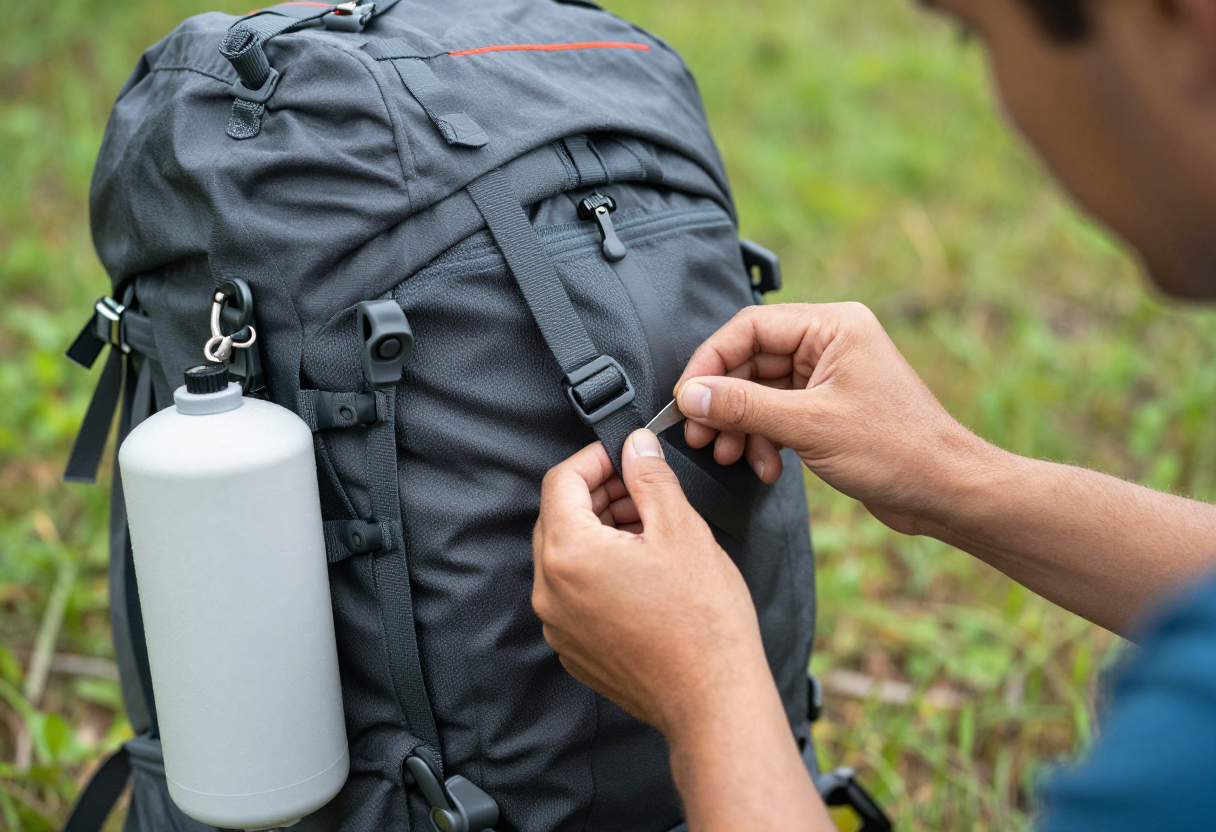
Since we have some time before the 2027 deadline, the goal isn't to rush out and buy the first canister you see on a shelf today. Instead, you should start thinking about how this fits into your "pack math." A bear canister is a piece of gear that takes up significant volume and adds dead weight to your pack. You need to balance the capacity of the container against the amount of food you realistically need to carry for your trip duration.
When you eventually go to select your gear, consider these three factors:
- Weight vs. Volume: Some canisters are lighter but smaller; others offer massive space but can be heavy. Choose based on how many days you plan to stay out at once.
- Pack Compatibility: Make sure the canister fits comfortably in your pack without making it impossible to reach other essential gear.
- Food Budgeting: Plan for a more compact food strategy if you choose a smaller, lighter canister.
| Factor | Consideration |
|---|---|
| Weight | Every ounce counts on the AT; balance durability with weight. |
| Capacity | Ensure it holds all meals plus your "scented" toiletries and trash. |
| Access | Test how easily you can reach for a snack without emptying the whole bin. |
Don't forget field discipline—it applies everywhere
Even though the canister is going to be a requirement in Georgia, I want to stress that it isn’t a "get out of jail free" card for general backcountry ethics. A canister is a storage tool, not a substitute for good trail discipline. Whether a canister is mandatory or not, you should always practice proper site hygiene. This means keeping your cooking area separate from your sleeping area as much as possible and never leaving food scraps on the ground.
Maintaining situational awareness remains your most important piece of gear. You need to be aware of your surroundings—where the bears are active, what the local wildlife behavior looks like, and how to react if you encounter a bear in the wild. These are fundamentals I learned back when I was an Eagle Scout: respect the environment, leave no trace, and stay alert. The canister handles the storage, but your habits and awareness handle the safety. For specific rules regarding other sections of the trail or different states, always check with your state's official wildlife agency to see what is required in your specific area.
Inspired by Backpacker Magazine.
About the Author
David Rodgers is the founder and writer behind Country Trailhead — a Marine Corps infantry veteran, Civil Air Patrol colonel, and Eagle Scout based in Oklahoma, drawing on decades of field-tested hunting, fishing, camping, and hiking experience. Read more about David and Country Trailhead →