
The Long Haul: Making Sense of Trail Gear Longevity
We talk about the 'best' gear all the time, but what happens when that gear breaks, wears out, or just isn't enough? This is a guide to treating your kit like an investment that lasts years, not weeks.
Written by David Rodgers — November 10, 2026
The Myth of 'Perfect Gear' and the Reality Check
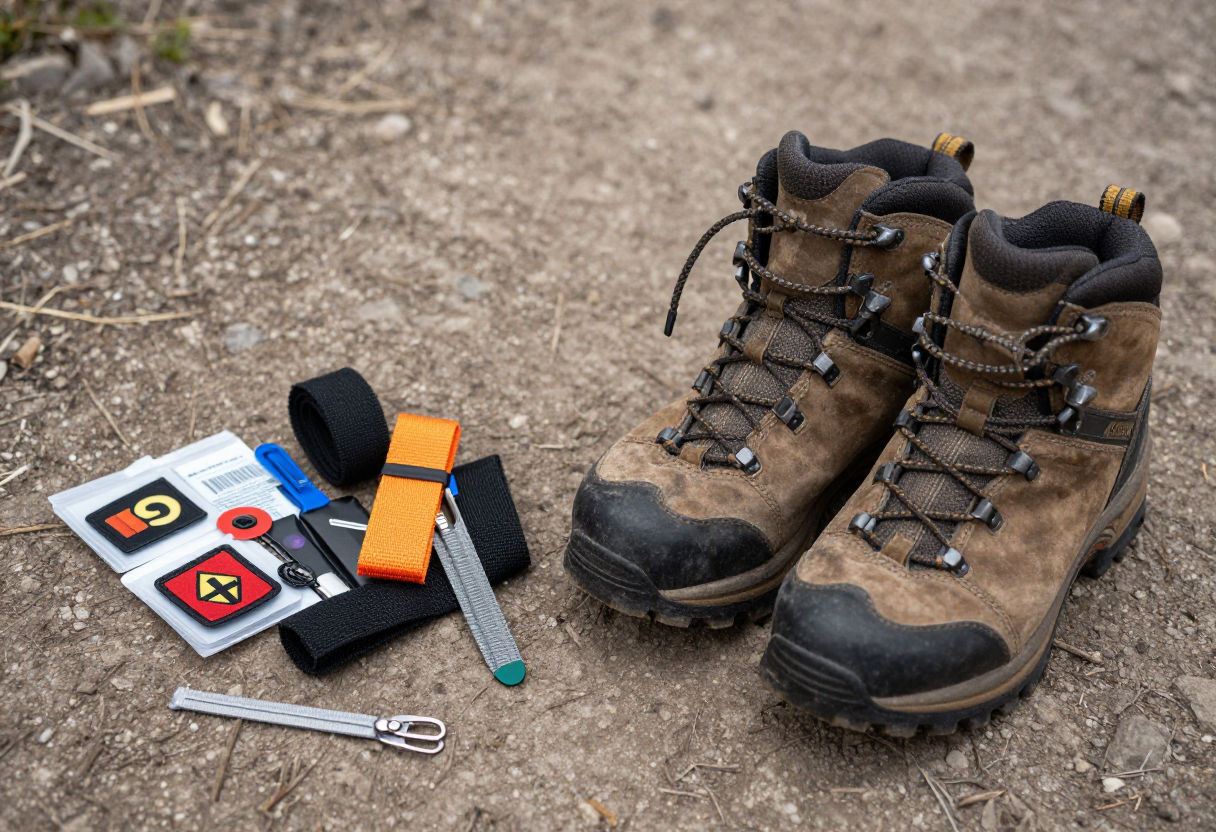
In the outdoor community, there is a constant stream of "perfect" setups—gear lists that promise to make your experience seamless if you just spend enough on the right kit. I’ve seen it happen plenty of times: someone spends a small fortune on high-end equipment, only to have a primary component fail because they didn't understand how the material behaves in the field or neglected basic upkeep.
Here is the reality check: Gear is not a magic wand that replaces skill or preparation. Every piece of equipment has a lifecycle. Whether it’s a heavy-duty pack, a lightweight tent, or a pair of leather boots, everything eventually wears down, tears, or loses its integrity. The goal isn't to find gear that never breaks; the goal is to own kit that lasts as long as possible and to recognize when something has finally reached its limit. Aspirational gear lists are great for inspiration, but they don't account for the grit of a muddy trail or the constant friction of a multi-day haul. Your kit is an investment in your safety and comfort, but it requires a commitment to maintenance to see that investment pay off over years rather than months.
Routine Maintenance: The Daily Discipline That Keeps You Going
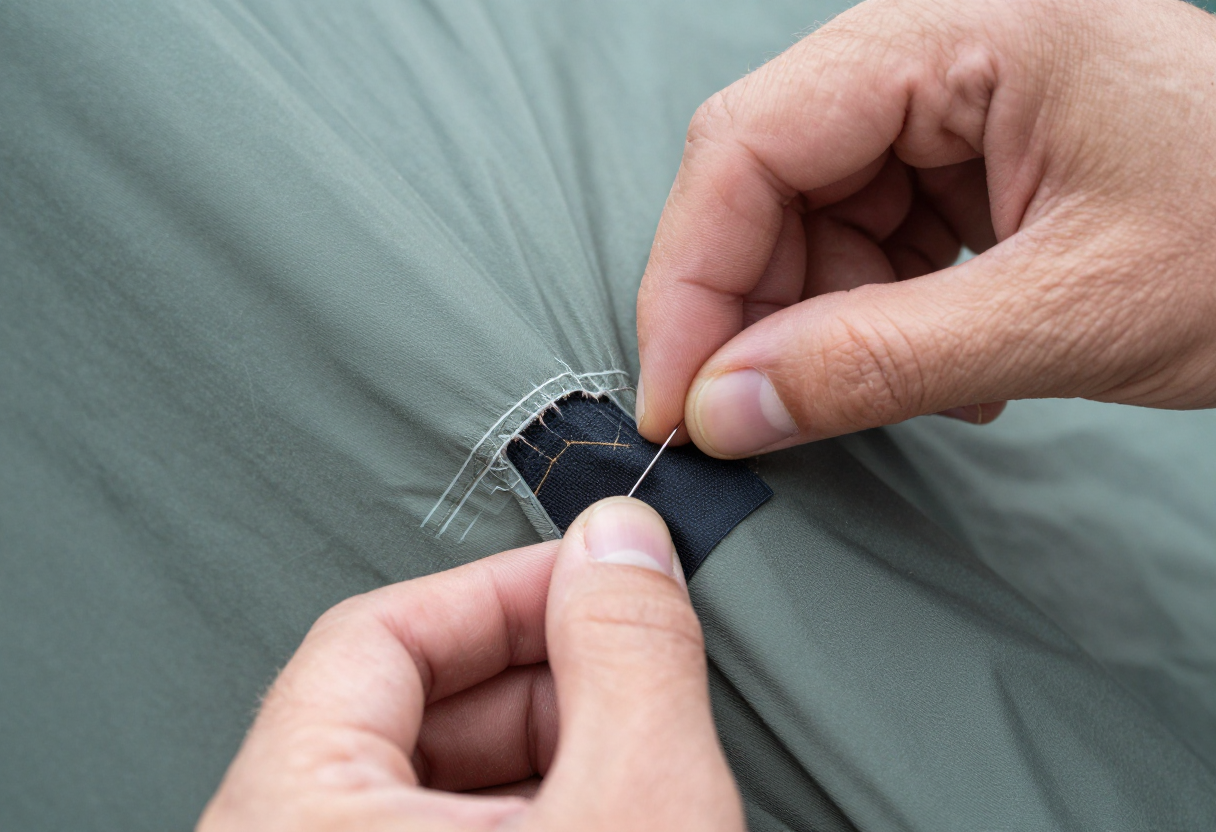
I’ve found that most gear failures are actually "preventable" failures—problems that could have been caught or stopped with five minutes of attention at the end of the day. Think of this like land navigation; if you ignore a small error in your bearing early on, you'll be miles off course by sunset. Maintenance is about catching those small errors before they become catastrophic.
The Daily Check
When you set up camp, take a moment to inspect your primary systems. Look for frayed stitching on your pack straps or tiny pinholes in your tent floor. If you see them now, you can address them with a bit of seam sealer or a patch kit while you're still at the site, rather than trying to do it in the rain later.
Protecting Moving Parts
Zippers are often the first thing to go on a long trip. To keep them moving smoothly:
- Clean and Lube: Periodically wipe down teeth and apply a bit of wax or a dry lubricant.
- Avoid Over-stuffing: Forcing items into a bag can stress zippers beyond their design limits.
- Pole Integrity: Check your trekking poles for hairline fractures in the joints. A small crack today becomes a snapped pole halfway up a ridge tomorrow.
The Hard Choices: Weight vs. Durability When Things Break
When something does break, you have to make a calculated decision about how to fix it or replace it. This is where most beginners get tripped up—they try to make everything "ultralight," which often leads to gear that fails under stress. In my experience, there are certain components where durability should always trump weight savings. If a failure puts your safety at risk (like a pack frame buckle or a tent pole), you want the heavy-duty version every time.
Prioritizing Your Investment
Not all gear is created equal when it comes to "failure points." Use this logic to decide where to spend more on durability:
| Gear Category | Priority | Why? |
|---|---|---|
| Pack Frame & Straps | Durability | A failure here can lead to injury or lost gear. Weight is secondary to structural integrity. |
| Shelter Poles/Stakes | Durability | These are your primary defense against weather. They need to withstand high winds and heavy loads. |
| Sleep System | Balance | You want a balance of warmth-to-weight, but prioritize materials that won't tear easily under constant movement. |
| Mess Kits / Accessories | Weight/Cost | If your spoon breaks or your mug cracks, it’s an inconvenience, not a safety issue. Don't overspend on "indestructible" versions here. |
Beyond the Basics: Knowing When an Upgrade is Worth the Money
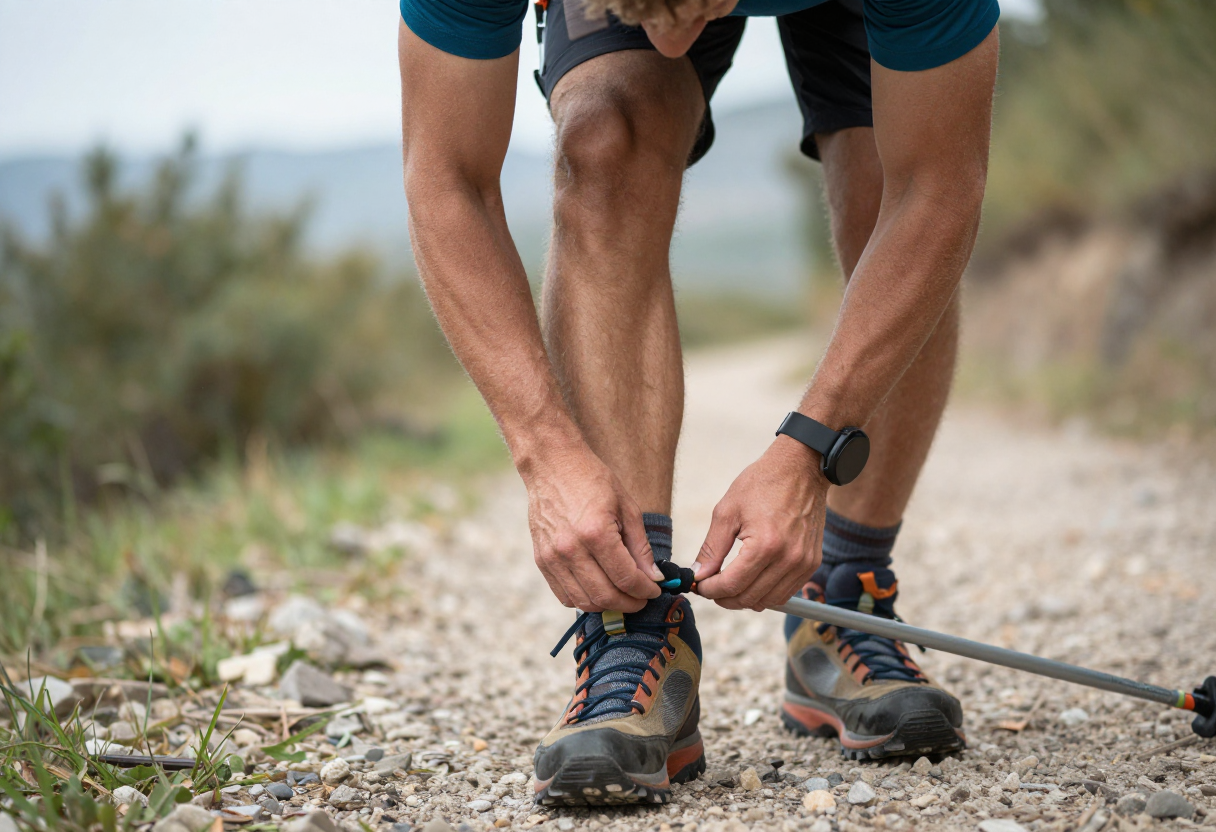
It is easy to fall into the trap of thinking that buying more expensive gear will solve a problem that might actually be caused by a lack of technique or poor planning. Before you drop $300 on a new piece of equipment, ask yourself if your current gear is genuinely failing under normal use, or if it's just not performing how you expected.
For example, if your tent keeps getting wet in the rain, the solution might be a better tarp setup or a more disciplined site selection, rather than buying a "waterproof" tent that costs double what you paid for your current one. However, there are times when an upgrade is simply necessary because of wear and tear. If your boots have lost their support and are causing hot spots, or if your pack's suspension has sagged to the point where it’s causing back strain, those are "systemic" failures. In those cases, a high-quality replacement isn't an indulgence; it's a necessary correction to keep you on the trail safely and comfortably.
Putting the Kit Together: A Lifetime of Trail Reliability
Building a reliable kit is about more than just shopping—it’s about stewardship. It requires a mindset where you view your gear as tools that need care, much like how I viewed my equipment during my time in the Marine Corps or while working on search-and-rescue tasks. You want to be able to trust that when you're miles from civilization and the weather turns, your gear will hold up.
That reliability comes from a combination of three things:
- Consistent Maintenance: Taking those few minutes every evening to clean, dry, and inspect your kit.
- Smart Planning: Knowing which items are "mission-critical" and ensuring they are the most durable parts of your setup.
- Honest Assessment: Being willing to admit when a piece of gear has reached its end-of-life and needs to be retired or replaced properly.
Focus on the fundamentals first. A well-maintained, mid-range kit will almost always outperform an expensive "pro" kit that hasn't been looked after in months. Build your kit for the long haul by prioritizing reliability over trends.
Inspired by The Trek.
About the Author
David Rodgers is the founder and writer behind Country Trailhead — a Marine Corps infantry veteran, Civil Air Patrol colonel, and Eagle Scout based in Oklahoma, drawing on decades of field-tested hunting, fishing, camping, and hiking experience. Read more about David and Country Trailhead →