
The Field Guide to Backpacking Packs That Don't Weigh You Down.
We dive into the technical differences between modern ultralight packs—from dual stays to Dyneema fabric—and help you figure out if an expensive upgrade is actually worth it for your specific trip. Don't buy gear until you read this.
Written by David Rodgers — September 11, 2026
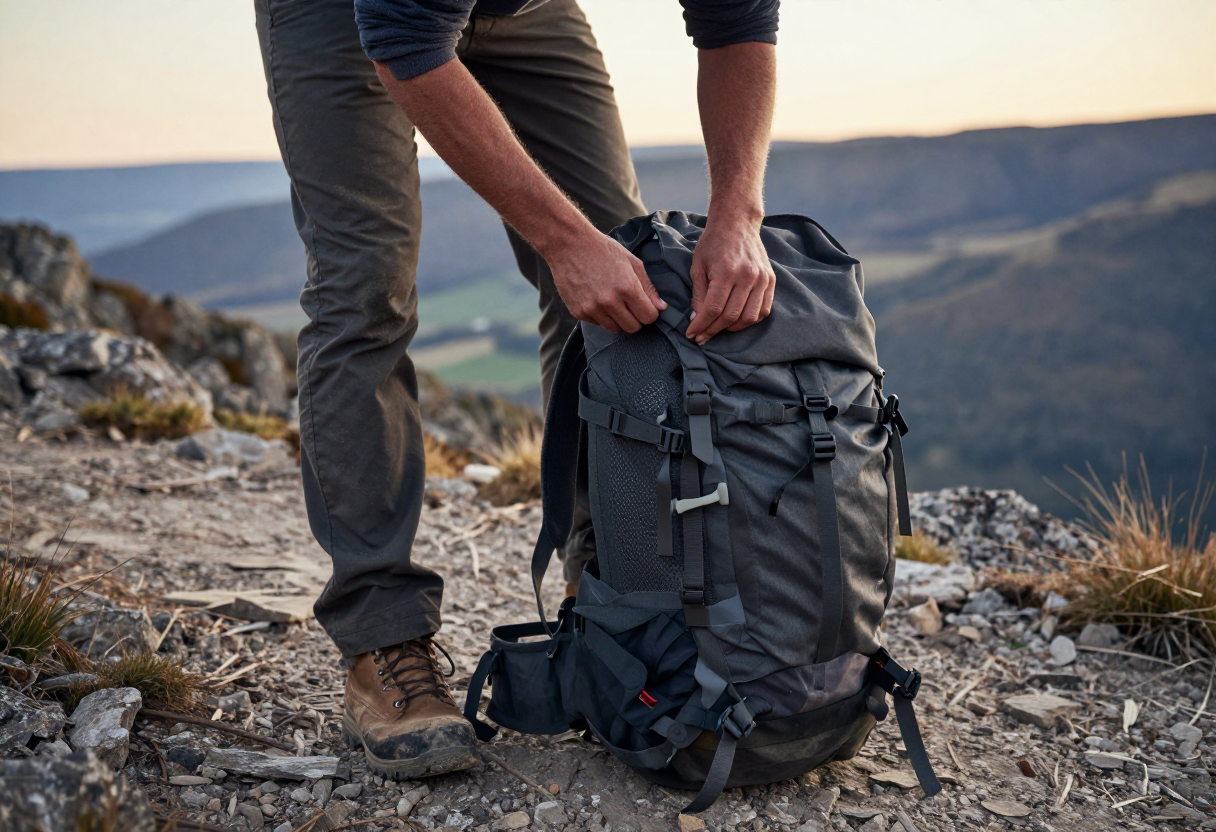
Before you buy: What is 'ultralight' really supposed to mean?
When people start talking about "ultralight" (UL) backpacking, it’s easy to get caught up in a rabbit hole of high-tech fabrics and weight specs that seem more like aerospace engineering than hiking. In my experience, ultralight isn't just about making the pack as light as humanly possible; it’s about removing "dead weight"—the gear you carry but never actually use.
A common mistake I see from folks starting out is assuming a lighter pack automatically means a better experience. That isn't necessarily true. A pack that weighs under two pounds but lacks any internal structure will punish your shoulders and lower back after five miles of steady climbing. The goal of an ultralight philosophy should be to find the balance between weight and durability. You want a bag that is light enough to reduce fatigue over long distances, but sturdy enough to survive being shoved into a trunk or brushed against by a branch. If you have to choose between a 14-ounce pack that tears in three months and a 2-pound pack that lasts five years, the latter is often the smarter investment for most people.
The technical comparison: Stays, fabrics, and structure.
You’ll see a lot of marketing talk about "innovative materials" when looking at high-end packs like those from HMG or other specialty brands. Let's strip that back to what it actually means for your back. One big distinction is the choice between nylon (or Robic) and Dyneema (DCF). Nylon is the workhorse; it’s durable, relatively affordable, and handles abrasion well. Dyneema is incredibly light and waterproof but comes with a significant price tag and less "give" when caught on something sharp.
Then there are the frames—specifically stays and poles. A single-pole system provides basic structure for most loads, while dual stays (or more robust internal frames) distribute weight better across your hips and shoulders. If you’re carrying a heavy load of gear like heavy tools or lots of water, those extra support points matter. You are paying for the engineering that keeps the pack from sagging away from your spine. When comparing packs, don't just look at the total weight; look at how much of that weight is "functional" and how much is just a result of using expensive materials to shave off a few ounces that you might not even notice on a weekend trip.
Matching the pack to the trip: Thru-hiking versus weekend warrior.
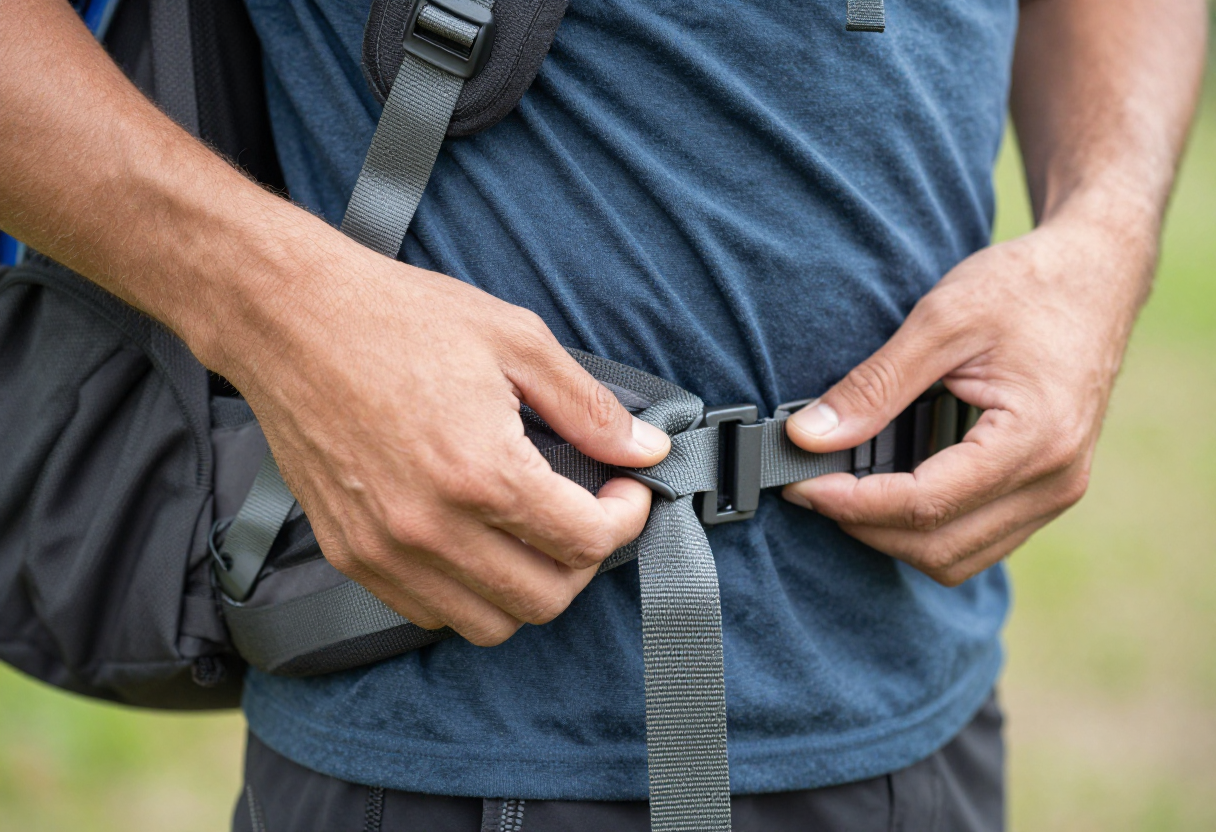
One of the biggest wastes of money in this hobby is buying a specialized piece of gear for a task it wasn't designed for. There is a massive difference between what a thru-hiker needs and what a "weekend warrior" needs. A thru-hiker—someone spending months on the trail—needs extreme weight savings because every ounce matters when multiplied by hundreds of miles. They can often justify the high cost of ultralight materials because they are stripping their gear down to the absolute minimum.
If you are planning to hike a local loop or go out for 2-3 days, your priorities shift toward versatility and volume. You might need a pack that can accommodate more food, extra layers, or even some larger pieces of camping gear. In this case, spending hundreds of dollars on an ultralight masterpiece is often overkill. You want something comfortable enough to carry for several hours but robust enough to handle a variety of conditions. Before you buy, ask yourself: "Am I trying to minimize weight at all costs, or am I just looking for a reliable bag that makes my weekend trips more comfortable?" Knowing the answer will save you from over-engineering your kit.
Practical realities and common mistakes (The Bear Canister Problem).
A technical spec sheet won't tell you everything about how a pack performs in the real world, and this is where many beginners get caught off guard. One of the most common issues with moving toward "ultralight" setups is forgetting to account for mandatory safety gear that doesn't fit the minimalist aesthetic.
For example, if you plan to hike in areas requiring bear canisters—which are often required by law or local policy in many regions—you have to ensure your pack can actually accommodate one. Many ultralight packs are designed for "minimalist" systems and may lack the volume to house a bulky canister while still leaving room for your food, water, and clothes. Another common oversight is rain protection. A lightweight fabric might be great until it’s soaked through; always ensure you have a plan for dry bags or a pack cover regardless of how "waterproof" the outer shell claims to be. For any specific requirements regarding bear safety, storage regulations, or local wildlife protections, check your state's official wildlife agency website before heading out. They will provide the definitive rules for your specific region.
Inspired by Section Hiker.
About the Author
David Rodgers is the founder and writer behind Country Trailhead — a Marine Corps infantry veteran, Civil Air Patrol colonel, and Eagle Scout based in Oklahoma, drawing on decades of field-tested hunting, fishing, camping, and hiking experience. Read more about David and Country Trailhead →