The Deep Science of Asteroids and Our Place in the Cosmos
We often focus on what’s right under our boots. This issue takes a step back to look at how we study celestial mechanics and planetary defense, from Earth-based observation to deep space missions like Hera.
Written by David Rodgers — November 8, 2026
When We Look Up: Why Celestial Mechanics Matters to the Ground Crew
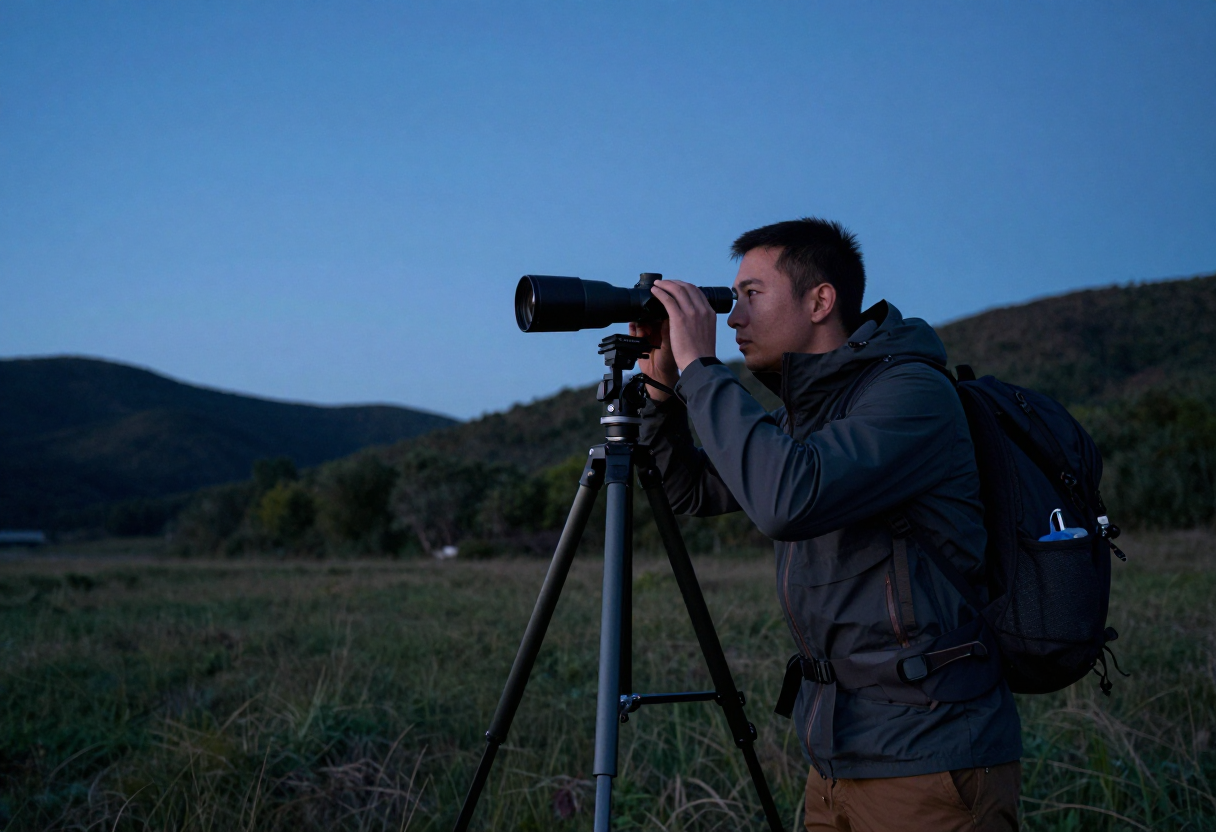
When you’re sitting by a campfire in the middle of nowhere, it is easy to get lost in the "pretty" side of astronomy—the way the Milky Way looks like spilled milk across the sky or how the planets seem to hang perfectly still. But for me, looking up has always been about more than just aesthetics; it’s about understanding our environment. My background as an Eagle Scout and a Marine taught me that navigation is fundamentally tied to what's happening above us. Whether you are reading the position of the stars to find your way or judging how cloud formations might signal a shift in pressure, you are engaging with celestial mechanics.
Understanding these movements isn't just for scientists at NASA; it’s about recognizing natural cycles and managing risk. In the outdoors, we rely on predictability. We know when the seasons turn because of the heavens. When we start to look at the bigger picture—the movement of bodies in our solar system—we are really just extending that same discipline of observation from our backyard to the cosmos. It’s about knowing where you stand and what forces are moving around you, whether those forces are a coming storm or an orbiting rock.
The Deep Problem: What Are Asteroids Anyway?
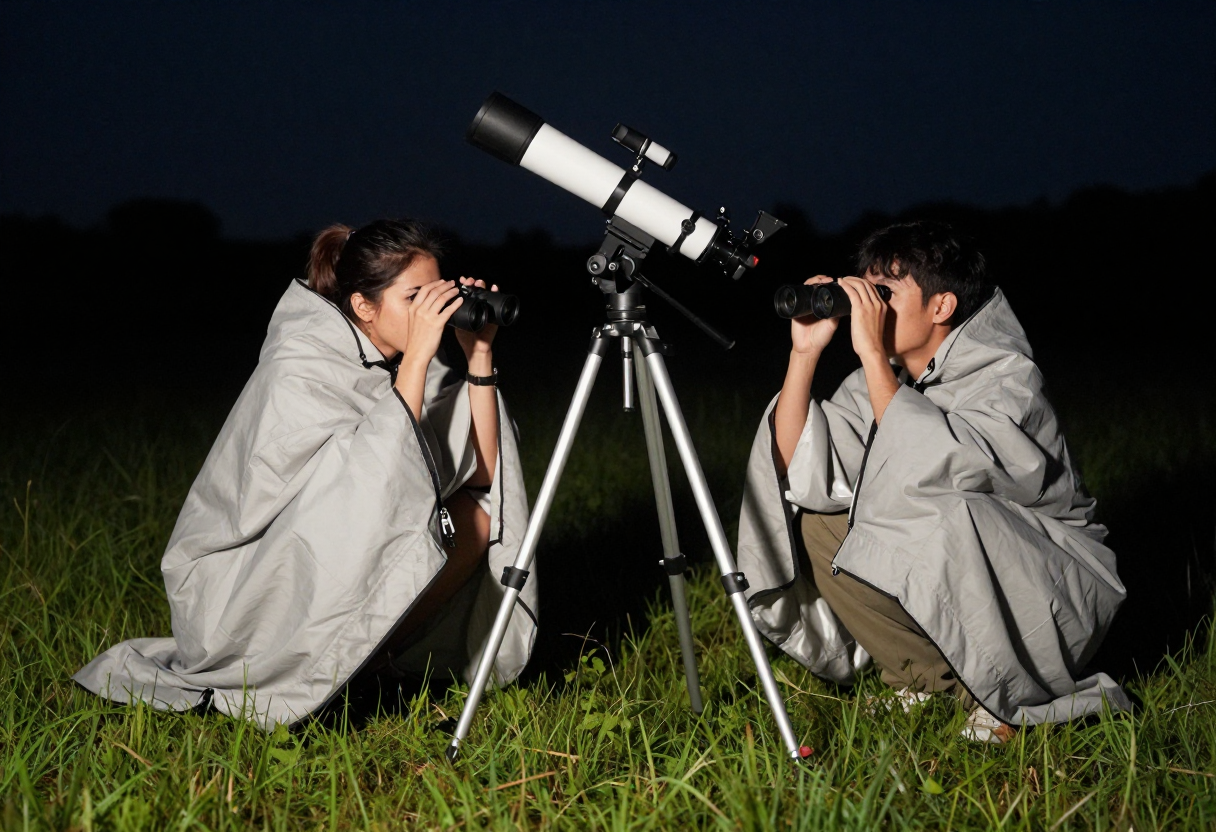
To talk about missions like Hera, we first have to understand what we're actually looking at. In plain terms, asteroids are the leftover scraps of our solar system’s construction—chunks of rock and metal that never quite joined a planet. While most stay in their own lanes, some become "Near-Earth Objects" (NEOs). These are the ones we keep an eye on because they have the potential to cross paths with our home base.
This is where "planetary defense" comes into play. It sounds like something out of a movie, but it’s actually a very practical, data-driven field of risk management. The goal isn't just to find these rocks; it’s to know their size, their speed, and their trajectory. We treat them much like we might treat a looming wildfire or a flash flood—you want to know exactly where the threat is coming from so you can decide what moves to make next. Detection is our first line of defense. By identifying these objects early, we move from being reactive to being proactive, which is a fundamental principle in both space science and wilderness safety.
Learning from Impact: The Value of Studying Collisions
One thing I’ve learned over the years—whether it was studying land navigation or watching how gear fails under stress—is that you can't understand a system until you see what happens when it breaks. This is why missions like Hera are so critical. They aren't just "taking pictures" of rocks; they are investigating the physics of impact and the behavior of debris fields.
When an asteroid hits another body, it creates a mess of fragments. By studying how those pieces fly off or stick together, scientists can build better models of what would happen if something similar occurred closer to Earth. It’s about understanding energy transfer: how much force is required to shatter a surface? How does the debris scatter? This information is vital for our "planetary defense" plans. If we know how an object breaks apart, we can better understand how to deflect it or mitigate its effects. It's the difference between guessing what will happen in a crisis and having a field-tested set of physics to back up your plan.
The Observer’s Role: How We Connect Space Science to Earth Skills
There is a common misconception that space science is something "other" people do, but I see it as an extension of the same skills we use every day in the woods. Whether you are tracking a celestial body or reading the subtle signs of a deer's movement, you are practicing the core scientific method: careful observation and pattern recognition.
In my experience with land navigation and weather judgment, success comes down to your ability to take raw data—the position of a landmark, the direction of the wind, the tilt of the sun—and turn it into a reliable plan. Space science does the exact same thing on a massive scale. They watch, they record, and they calculate. By connecting these two worlds, we see that "field skills" aren't just about knots and maps; they are about a mindset. It’s about being an active observer of your surroundings, no matter how large those surroundings happen to be. If you can learn to trust your eyes and the data they provide on a hiking trail, you’re already practicing the same discipline required to monitor our solar system.
Closing Out: The Scale of Wonder, On Our Own Terms
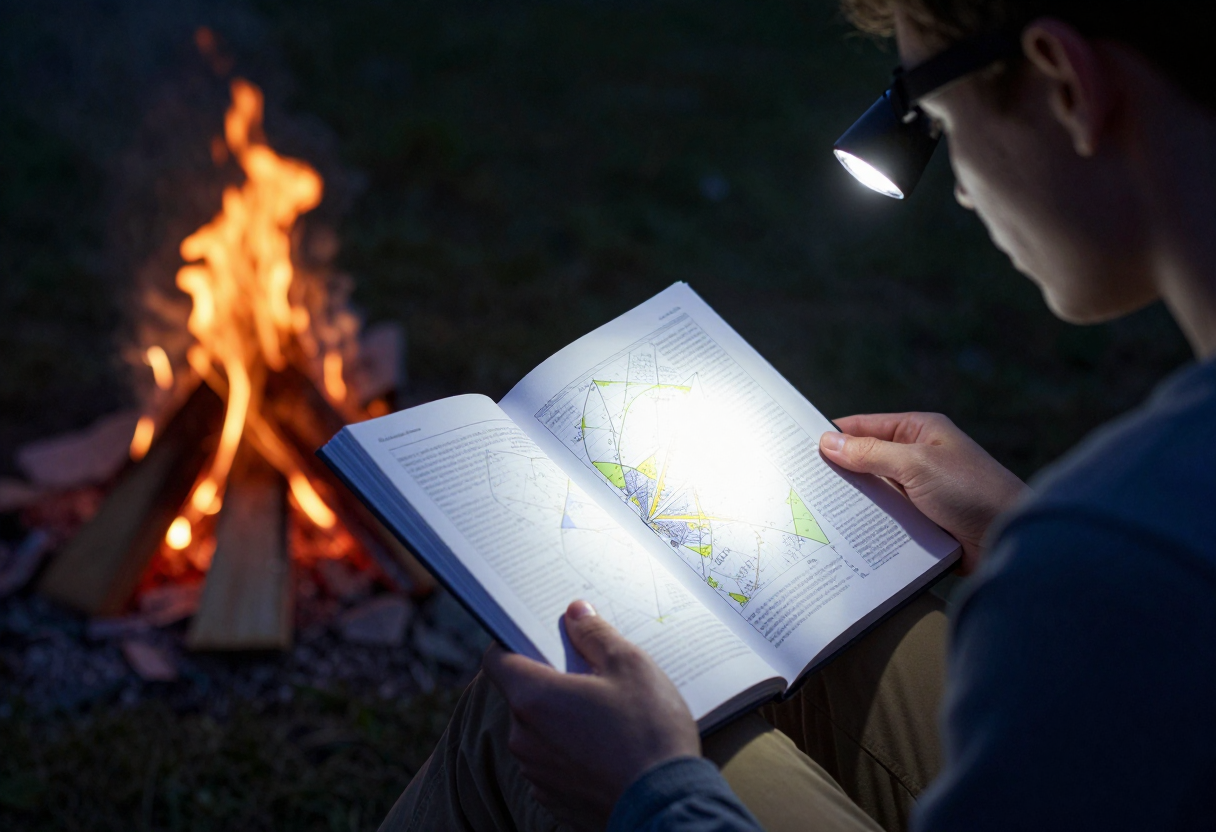
It is easy to feel small when you think about the sheer scale of an asteroid or the vastness of the vacuum between stars. But I've always found that perspective doesn't have to be overwhelming; it can be grounding. When we realize how massive and indifferent the cosmos is, it actually makes our immediate experiences more meaningful. It puts the campfire into a different light—a small but resilient spark of warmth in a very large universe.
We don’t need to be astrophysicists to appreciate this. We just need to take a moment to acknowledge the contrast between the "deep science" of the stars and the tangible reality of our own backyard. The same curiosity that drives us to explore the Hera mission is what drives us to pack our gear, head into the woods, and find our own place in nature. Whether you're looking at a rock millions of miles away or a trail just five miles from your house, the goal remains the same: stay curious, stay prepared, and keep observing.
For more on how to prepare for your next trip, including gear lists and navigation basics, check out our Guide Library or use one of our Gear Finder Wizards to get started.
Inspired by EarthSky.
About the Author
David Rodgers is the founder and writer behind Country Trailhead — a Marine Corps infantry veteran, Civil Air Patrol colonel, and Eagle Scout based in Oklahoma, drawing on decades of field-tested hunting, fishing, camping, and hiking experience. Read more about David and Country Trailhead →