
The Critical Variables Separating Range Practice from Field Success
It’s easy to assume that if you know how to shoot a bow, you're ready for the field. But real-world hunting adds variables—wind, distance error, and unpredictable game movement—that turn skill into pure physics. We break down what separates practice from success.
Written by David Rodgers — October 13, 2026
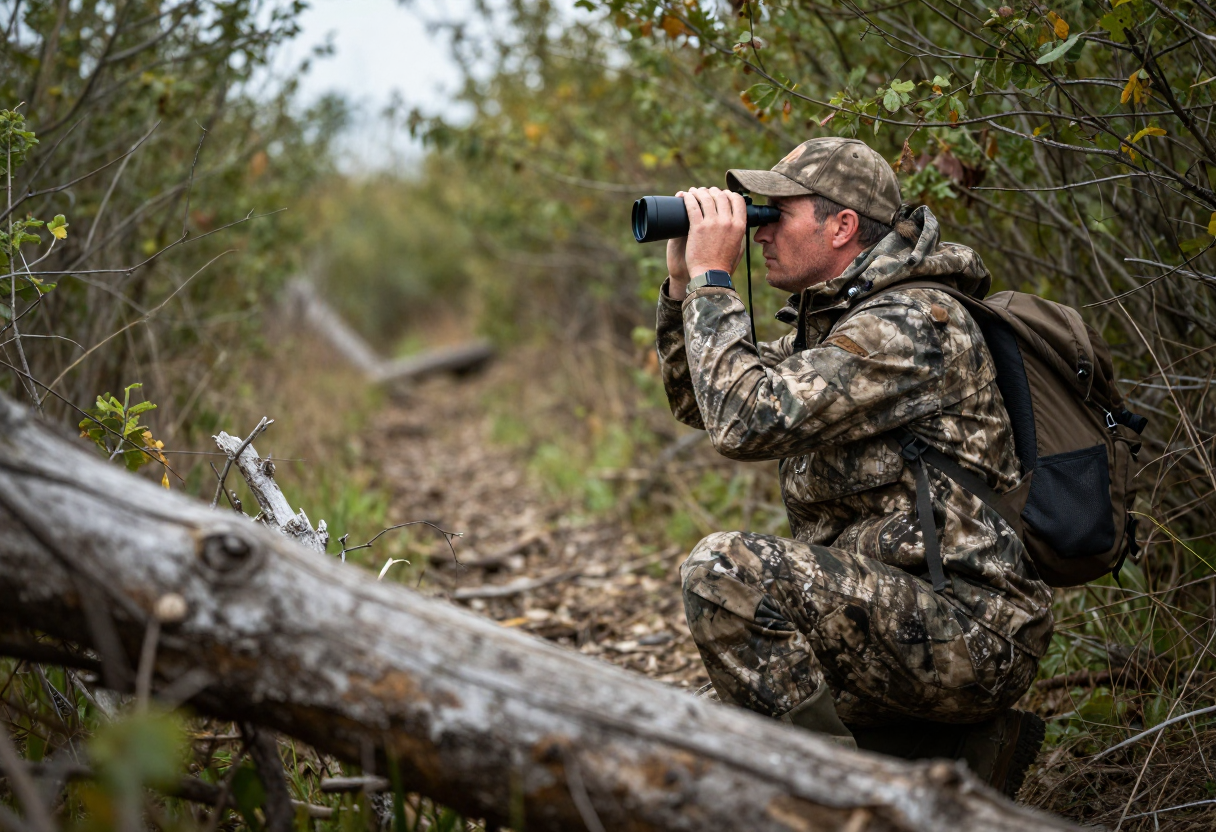
The Myth of the 'Sure Thing' Shot
It is easy to walk onto a range, put in some hours with a compound bow, and start feeling like you’ve mastered the art of the hunt. On a range, everything is controlled: the target doesn't move, the wind is manageable—or non-existent—and the distance is marked by clearly visible signs. It builds confidence, which is necessary, but it can also create a dangerous sense of certainty.
The reality of a field and the dynamics of an actual hunt are entirely different beasts. In my experience, many hunters get caught off guard because they assume that "good shooting" on a Saturday morning at the range translates directly to success in the timber. But while your skill with the bow is what allows you to take a shot, it doesn't negate the physical variables of nature. You can be an incredibly skilled archer and still miss a shot if you don’t account for how wind moves through trees or how distance perception changes when you aren't looking at a painted circle. Success in the field isn't just about your skill; it’s about how well you manage the variables that are outside of your control.
Range Error: Why Yardage Is Your Single Biggest Variable
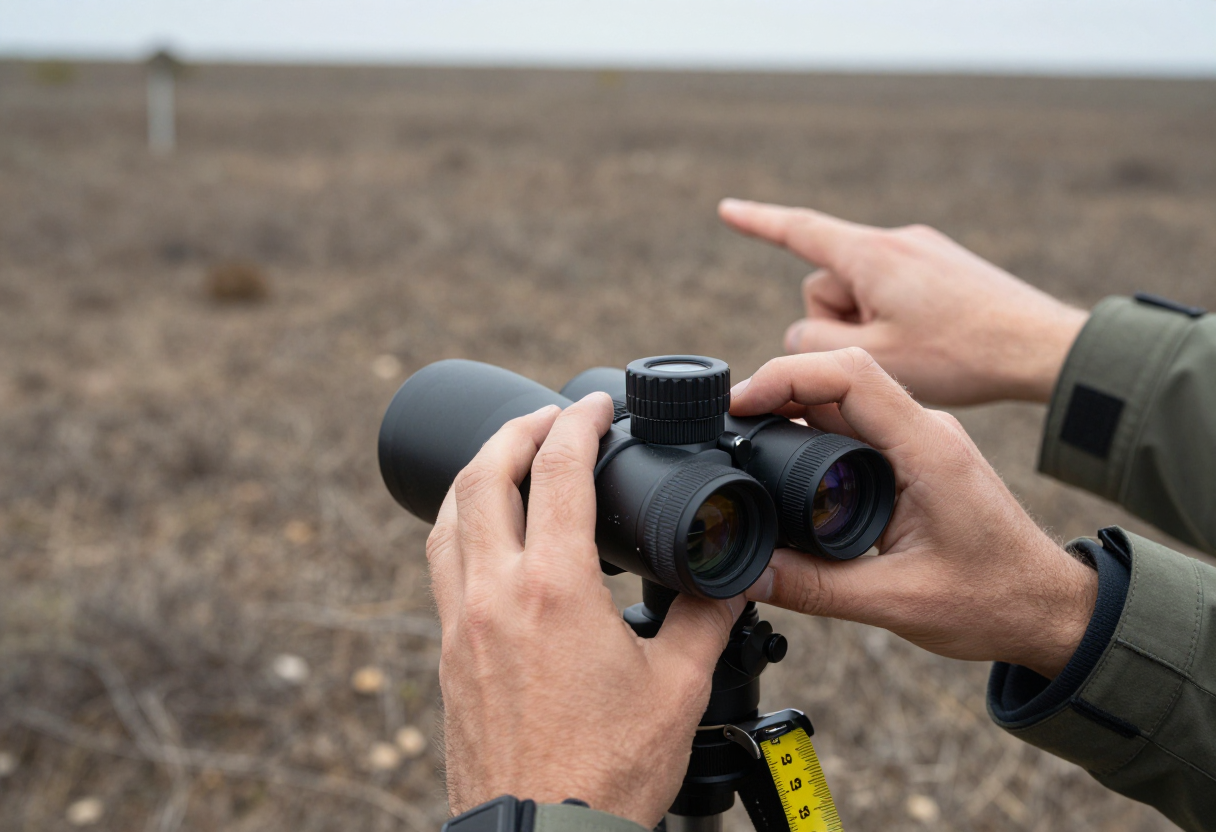
In my time outdoors, I’ve seen plenty of hunters make the mistake of overestimating their ability to "eye" a distance accurately in heavy cover. On a range, if you think an arrow is going 30 yards and it actually goes 30 yards, your point of impact will be exactly where you expected. In the field, even a small discrepancy in your perception of distance can result in a catastrophic failure at longer ranges.
The Math of Perception
- Proportional Error: A five-yard error on a thirty-yard shot is manageable; a ten-yard error on an eighty-yard shot can be the difference between a clean hit and a total miss.
- Environmental Distortion: Dense brush, varying light levels, and uneven terrain can all trick your brain into thinking an animal is closer or further than it actually is.
Because of this, you have to treat every yardage estimate as a variable that needs verification whenever possible. If you aren't certain about the distance, you shouldn't be confident in your shot. You need to account for the fact that "close enough" isn't good enough when dealing with high-stakes ballistics.
Wind Correction isn't Just Lateral Drift (It Affects Drop)
One of the most common mistakes I see from folks transitioning from range practice to field hunting is treating wind as a simple side-to-side calculation. Most people think, "The wind is blowing from my left, so I’ll aim slightly to the left." While that's a start, it doesn't account for how wind interacts with the physics of an arrow in flight over significant distances.
When you have enough distance and a strong enough gust, the wind actually changes the arc of your shot. Because wind creates resistance, it can slow an arrow down or push it into different air currents, which affects how much it drops. It’s not just drifting left; it's being pushed out of its intended path through three-dimensional space. To get this right, you have to be reading the local conditions—watching how grass moves, looking at debris in the air, and understanding that a heavy crosswind can actually cause an arrow to fall short or long because of the way it interacts with your trajectory. It’s about mastering the environment as much as the equipment.
Reading the Game: The Unpredictable Factor
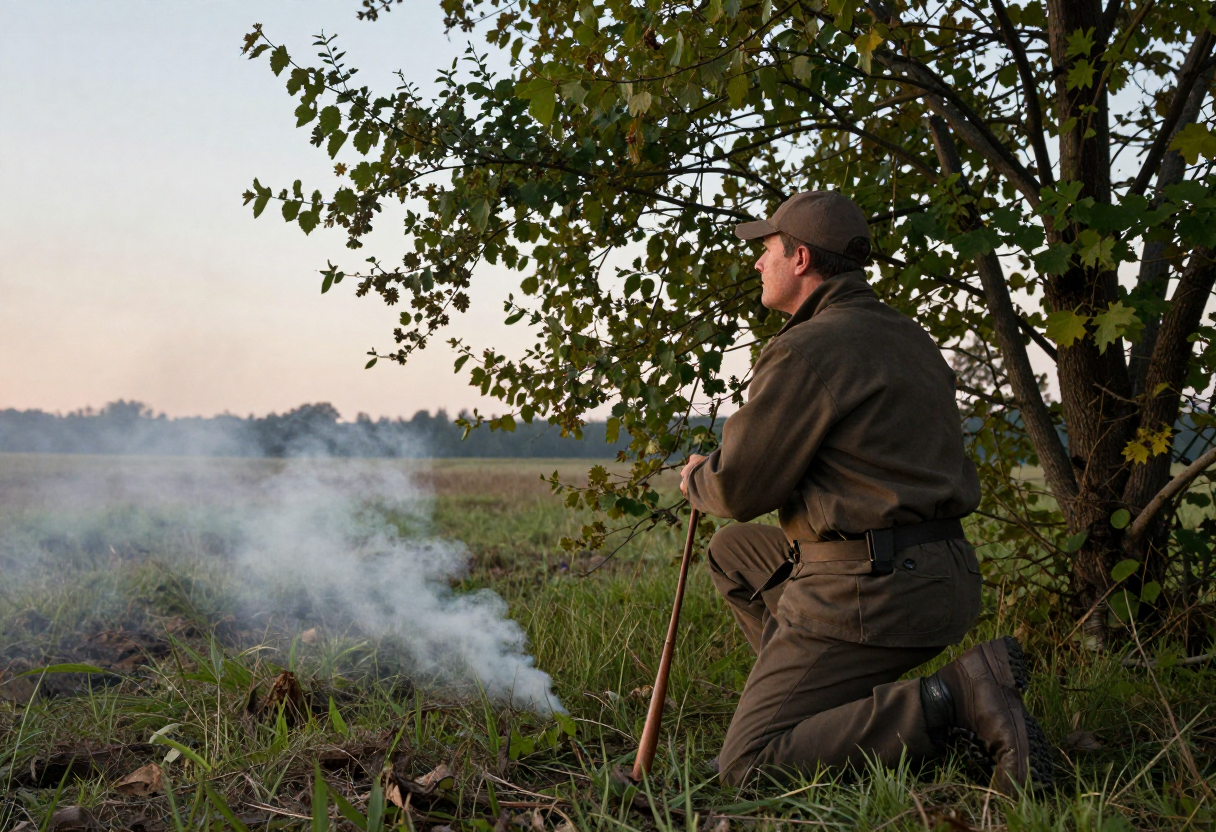
Even if you have perfectly gauged the yardage and accounted for every gust of wind, there is still a variable that no amount of practice can fully eliminate: the animal itself. A target on a range doesn't have an adrenaline dump; it doesn't decide to shift its weight or turn its head at the last second because it heard a twig snap behind it.
The Dynamics of a Live Target
- Movement: A sudden step or a change in posture can move the vitals out of your point of aim instantly.
- Reaction: High-stress situations cause animals to react unpredicty, often moving toward perceived threats.
This is where ethics come into play. You aren't just trying to hit a target; you are trying to ensure a clean, ethical harvest. If an animal moves, if the shot becomes "messy" because of their movement, or if you have to hesitate even for a second, that’s your cue to hold fire. A perfect ballistics calculation doesn't mean much if the animal isn't in a position to receive a clean hit.
The Discipline of Waiting It Out
The ultimate test of an experienced hunter isn't how well they can shoot; it’s their ability to wait for the right moment. There is a massive difference between "taking a shot" and "taking the right shot." In my experience, the most frustrating thing you can do is let your adrenaline spike because you see an animal, only to realize halfway through the process that the wind shifted or the deer moved into a position where a clean hit is unlikely.
True discipline means being willing to walk away from a tempting opportunity if the conditions aren't perfect. You have to be okay with letting one go today so that you can ensure a successful harvest tomorrow. It’s about putting your ethics and your long-term success above the immediate urge to pull the trigger. If you find yourself doubting the variables or the quality of the shot, the best move is almost always to wait for the next opportunity where the conditions align perfectly with your skills.
If you want to dive deeper into how to manage these specific environmental factors in your backyard before you hit the woods, check out our Gear Finder Wizards to see which tools can help simplify your prep work. For those looking to get started on the basics of local rules and regulations, visit our State Resources page to find the official information for your specific area.
Inspired by Outdoor Life.
About the Author
David Rodgers is the founder and writer behind Country Trailhead — a Marine Corps infantry veteran, Civil Air Patrol colonel, and Eagle Scout based in Oklahoma, drawing on decades of field-tested hunting, fishing, camping, and hiking experience. Read more about David and Country Trailhead →