The Ambler Road Threat: Defending Alaska’s Brooks Range Wilderness
When proposed industrial corridors threaten historic public lands, it changes more than just fishing spots—it threatens our fundamental connection to true solitude. Here’s what you need to know about the Ambler Road fight and how we can help defend these critical areas.
Written by David Rodgers — September 27, 2026
The Stakes: Why the Ambler Road Matters to Us
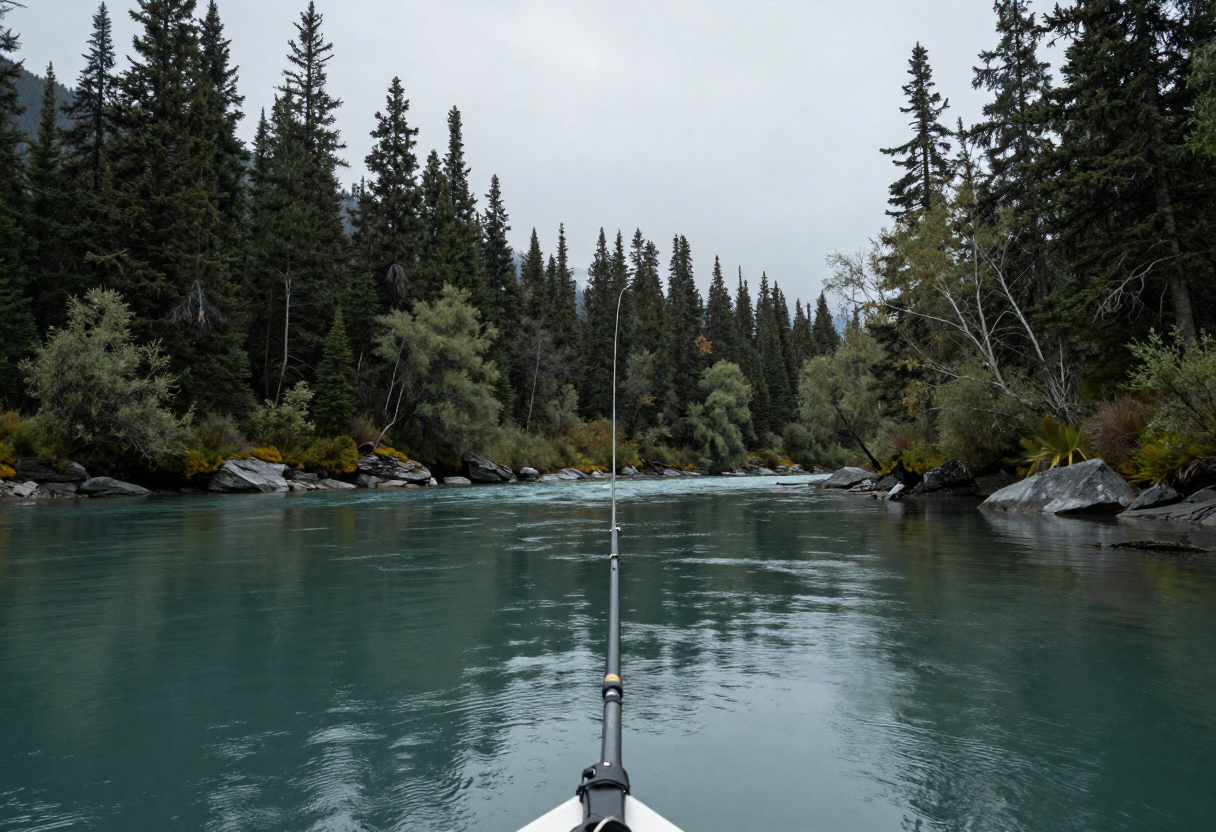
When we talk about "wild" land in Alaska—specifically the Brooks Range—we aren't just talking about pretty scenery for photos. We are talking about some of the most intact ecosystems left on this continent. For those of us who spend our time hunting, fishing, or hiking out there, that wilderness is what makes the trip meaningful. It’s the integrity of the habitat that ensures fish populations remain healthy and game species have enough room to thrive without constant human interference.
The Ambler Road project isn't just a single road; it represents a push for industrial expansion into these core areas. When large-scale infrastructure moves into remote regions, the impact ripples outward. It can fragment habitats, disrupt migratory paths, and eventually degrade the very qualities that make these lands "wild." If we lose these areas to heavy industry, they don't just become slightly less wild; they often change permanently. For a hunter or an angler, this isn't about being against progress in general—it’s about protecting the specific landscapes that provide us with our primary connection to the outdoors.
Understanding the Threat: What 'Corridor' Development Means on the Ground
In policy discussions, you’ll hear the word "corridor" used a lot. In plain terms, a corridor isn't just one road; it is an invitation for everything that follows. When a corridor is established for mining or industrial use, it brings heavy machinery, increased traffic, and potential runoff into pristine watersheds.
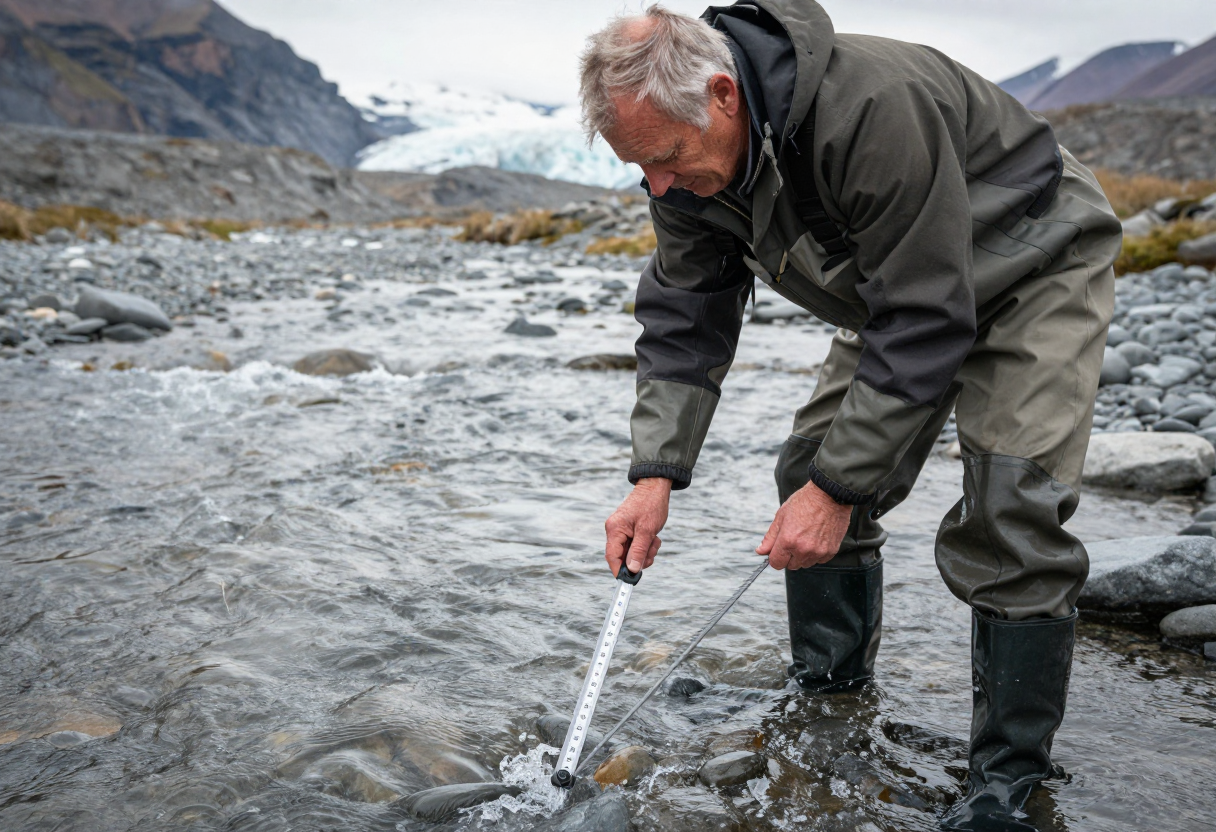
On the ground, this means things change quickly. Roads can lead to habitat fragmentation, where wildlife is forced into smaller pockets of land, making them more vulnerable. Industrial activity often involves waste management issues that can affect water quality—something any fisherman will tell you is a non-negotiable concern. Furthermore, once these routes are open and paved, it becomes much harder to "close" the door on further expansion. It’s like cracking a seal; once it's broken, the original state of the land is rarely recovered. We aren't just looking at one project today; we are looking at how that project changes the long-term viability of the region for everyone who uses it.
The Fundamentals of Wilderness Stewardship (It’s Not Just About Shooting or Casting)
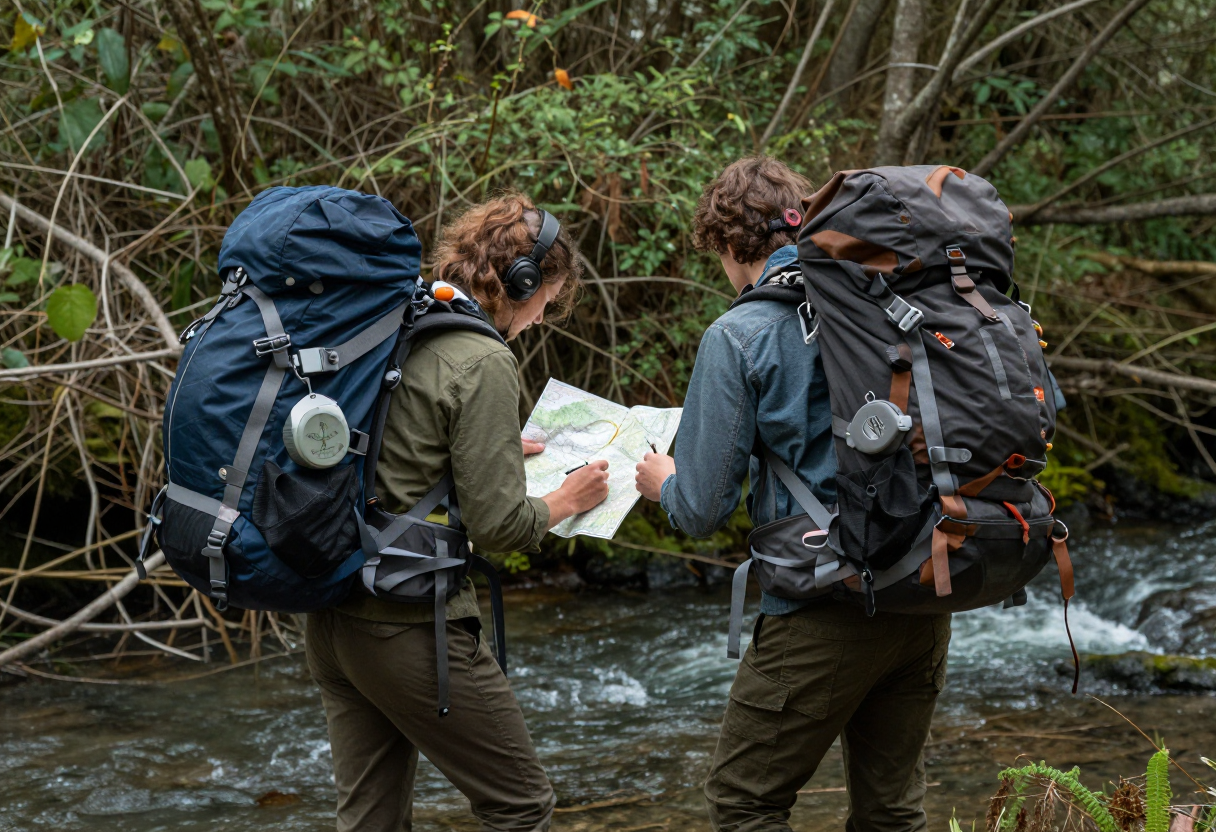
There is a difference between being an outdoorsperson and being a steward of the land. I learned early on—partly through my time in the scouts and later in the military—that taking care of your gear and following safety protocols is just the baseline. True stewardship means understanding that our presence in these places comes with a responsibility to maintain them for those who come after us.
Stewardship isn't about being an activist; it’s about self-sufficiency and awareness. It means knowing how to move through a landscape without leaving a trace, but it also means recognizing when the land itself is under threat from outside forces. When we advocate for wild spaces, we are advocating for the "quiet" of the woods, the purity of the stream, and the health of the elk herd. These aren't just abstract concepts; they are the foundation of our hobby. If we don’t have a say in how these lands are managed, we lose our seat at the table when decisions about access and conservation are made.
Practical Action: How Your Knowledge is a Tool for Advocacy
You don't need to be an expert in land law or a politician to make a difference. You just need to speak from your experience as someone who actually uses these lands. When you talk to others, or when you participate in community discussions about land use, focus on the practical impacts of development. Talk about how a degraded river affects fishing, or how industrial noise and traffic change the behavior of local wildlife.
Here is how you can start:
- Stay Informed: Follow organizations that specialize in Alaska's wilderness. They often provide clear updates on where these developments are moving.
- Support Local Groups: Join or support organizations dedicated to preserving public land access. Their work ensures that the voices of hunters and anglers are heard by those making the decisions.
- Share Your Story: When you talk about your trips, mention why it's important for these areas to stay wild.
Your experience in the field is a powerful tool. You know what "wild" looks like because you’ve spent time out there. Use that perspective to help ensure those lands remain available for every generation of hunters and anglers who come after us. For specific local regulations or updates on land status, always consult your state's official wildlife agency.
Inspired by Outdoor Life.
About the Author
David Rodgers is the founder and writer behind Country Trailhead — a Marine Corps infantry veteran, Civil Air Patrol colonel, and Eagle Scout based in Oklahoma, drawing on decades of field-tested hunting, fishing, camping, and hiking experience. Read more about David and Country Trailhead →