
Shoulder Season: When the Trail Turns Dangerous
Late fall or early spring trekking can be beautiful, but the lack of predictable weather and rapidly changing conditions demands a higher level of preparation than most people realize. This issue covers what to do when things go wrong on multi-day treks.
Written by David Rodgers — November 3, 2026
The Unforgiving Nature of Shoulder Season
There is something about "shoulder season"—those periods in late fall and early spring—that catches people off guard because they assume a middle ground that doesn’t actually exist. In my experience, these are some of the most volatile times to be out in the backcountry. You aren't dealing with the predictable heat of summer or the consistent blanket of winter; you’re dealing with transition.
On one trip, I saw how quickly "manageable" conditions could turn into a survival situation because the weather shifted faster than someone expected. In these windows, a sunny morning can give way to a blinding snow squall in an hour, or a dry creek bed can become a raging torrent after a sudden thaw. Standard preparation—the kind that works when the weather is cooperative—isn't enough here. You have to prepare for the extremes of both seasons simultaneously. It’s about acknowledging that the environment is currently undecided, and your gear and mindset need to be ready for whatever it chooses.
When Vigilance is Your Best Gear (Weather & Navigation)
In the Marine Corps and later in the Civil Air Patrol, I learned that land navigation and weather judgment aren't just skills you check off a list; they are habits of observation. When you’re hiking or camping during shoulder season, your most important piece of gear isn't what’s in your pack—it’s your situational awareness.
Reading the Environment
Don't just look at the forecast on your phone and assume it will hold true for the next eight hours. You need to be reading the "real-time" data:
- Cloud Formations: Watch how clouds are building over peaks or moving in from a specific direction.
- Wind Shifts: A sudden drop in temperature paired with a shift in wind direction is often your first warning of a front moving in.
- Ground Conditions: Pay attention to how the ground feels underfoot. Rapidly melting snow can turn a stable trail into an ice-slicked mess or a mud trap within minutes.
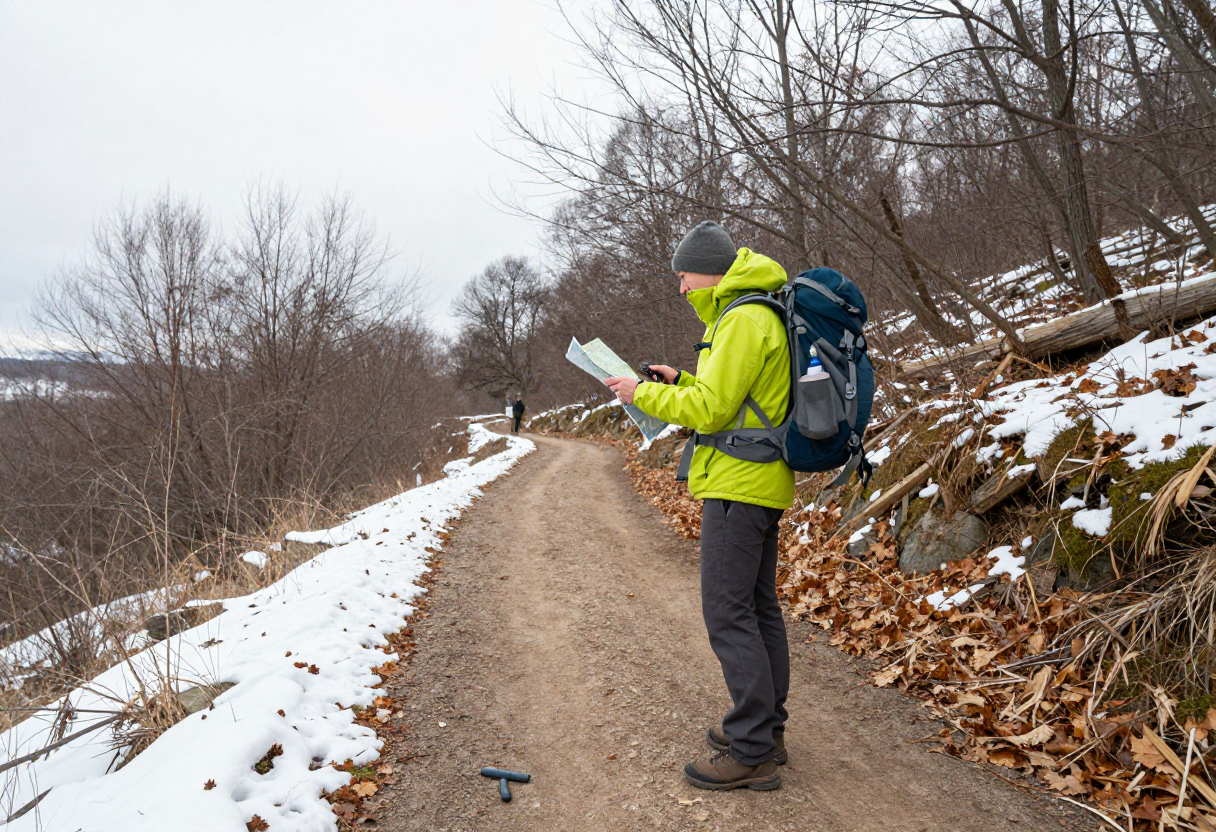
Navigation becomes harder when landmarks are obscured by heavy mist or fresh snowfall. You have to be proactive, checking your position more frequently than you would in clear summer conditions. If you find yourself unsure of the path, it’s better to stop and reassess while you still have the light and energy to do so.
The Lifeline: Why Communication Devices Matter
I’ve seen a lot of folks rely on their cell phones as their primary safety net. That works fine in many places, but the moment you drop into a canyon or head toward a high ridge during a storm, those bars disappear. In shoulder season, when conditions can turn sour rapidly, "hoping" for a signal is a dangerous gamble.
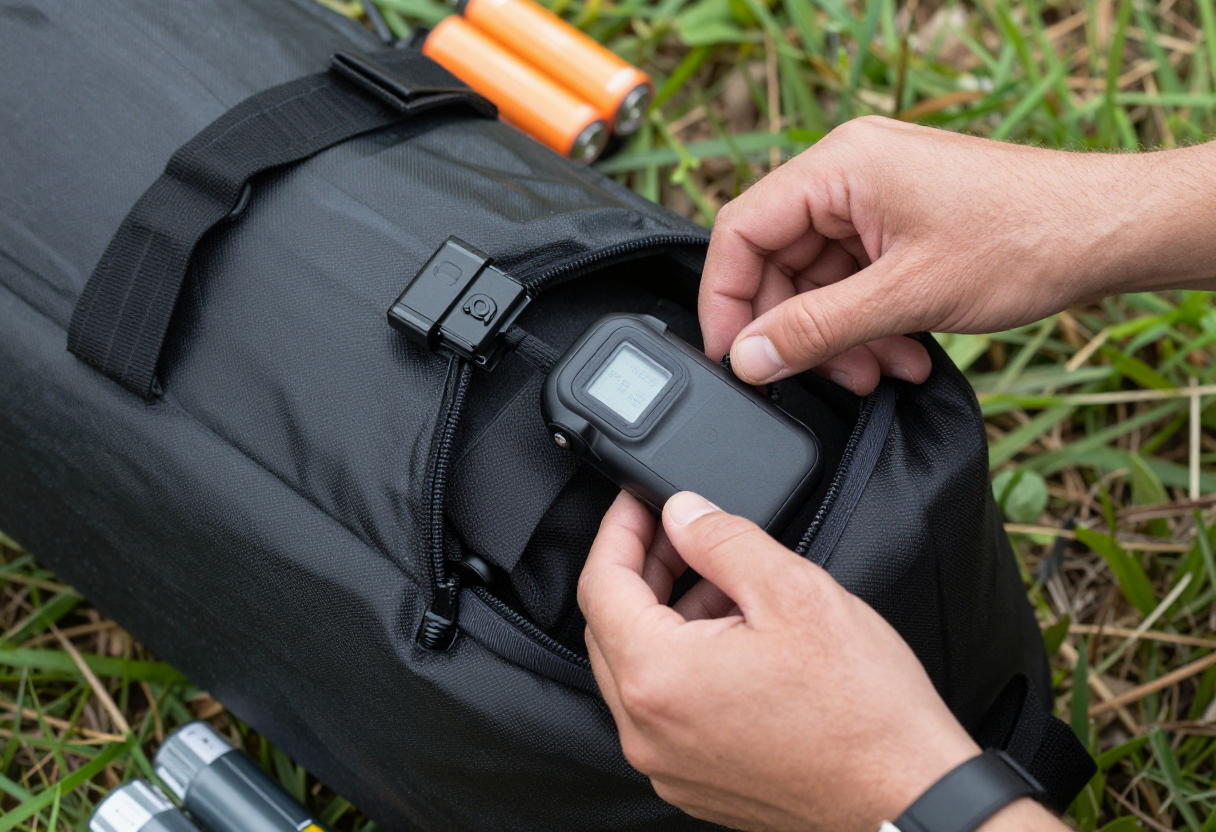
This is where dedicated satellite communication devices—like an inReach or a SPOT—become non-negotiable for many types of trips. They aren't just for the "big" emergencies; they are for the moments when you need to tell someone your plan has changed because a trail is washed out, or when you need to call for help because a minor injury has become a major problem in the cold.
Practical Reliability
- Satellite vs. Cellular: These devices use satellite networks, meaning they function where towers don't.
- Two-Way Messaging: Being able to send a text and receive a reply allows you to coordinate with people back home who can help make decisions for you.
- The Tradeoff: They add weight and cost, but in the backcountry, that’s an insurance policy against being truly unreachable when things go sideways.
Beyond the Plan: Dealing with Failure and Cold Stress
Every trip has a plan, but survival is about what you do when that plan fails. In my time doing search-and-rescue work, I've seen how quickly cold stress can cloud a person’s judgment. When you are shivering or exhausted, your ability to think clearly diminishes—this is the "fog" of hypothermia.
Core Principles for Failure
If things go wrong and you find yourself lost or stuck in an escalating storm, follow these fundamentals:
- S.T.O.P.: Sit down, Think, Observe, and Plan. Do not keep moving if you are unsure of your direction; that is how people end up miles off-course.
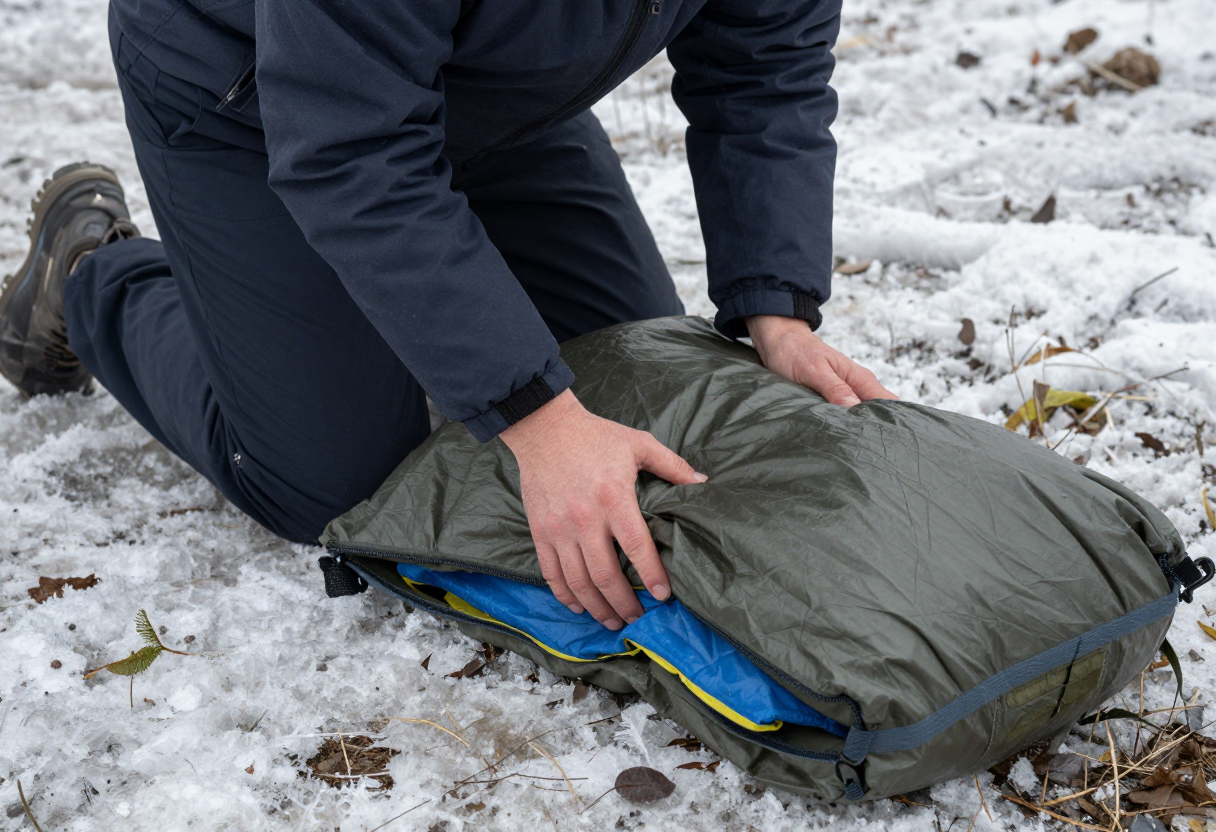
- Shelter First: If the temperature is dropping, your priority is to get out of the wind and off the cold ground. A simple tarp or a bivy sack can be the difference between manageable discomfort and a medical emergency.
- Resource Management: Treat your calories and body heat like a finite fuel source. Move deliberately, eat small amounts frequently, and layer up before you start feeling "cold."
While these are general principles for managing outdoor risks, always keep in mind that specific safety protocols can vary by region. For any trip involving hunting or specific backcountry requirements, always check your state's official wildlife agency for the latest rules and safety guidelines.
To ensure you have the right information for your next trip, visit our State Resources page to find the official links for your local area.
Inspired by Backpacker Magazine.
About the Author
David Rodgers is the founder and writer behind Country Trailhead — a Marine Corps infantry veteran, Civil Air Patrol colonel, and Eagle Scout based in Oklahoma, drawing on decades of field-tested hunting, fishing, camping, and hiking experience. Read more about David and Country Trailhead →