
Seeing Venus Shine: How to Find the Brightest Star in the Sky.
Venus is famous for its brightness, but understanding *why* and when it's easiest to see requires knowing a bit about orbital mechanics. This guide breaks down how planet position maximizes visibility.
Written by David Rodgers — September 18, 2026
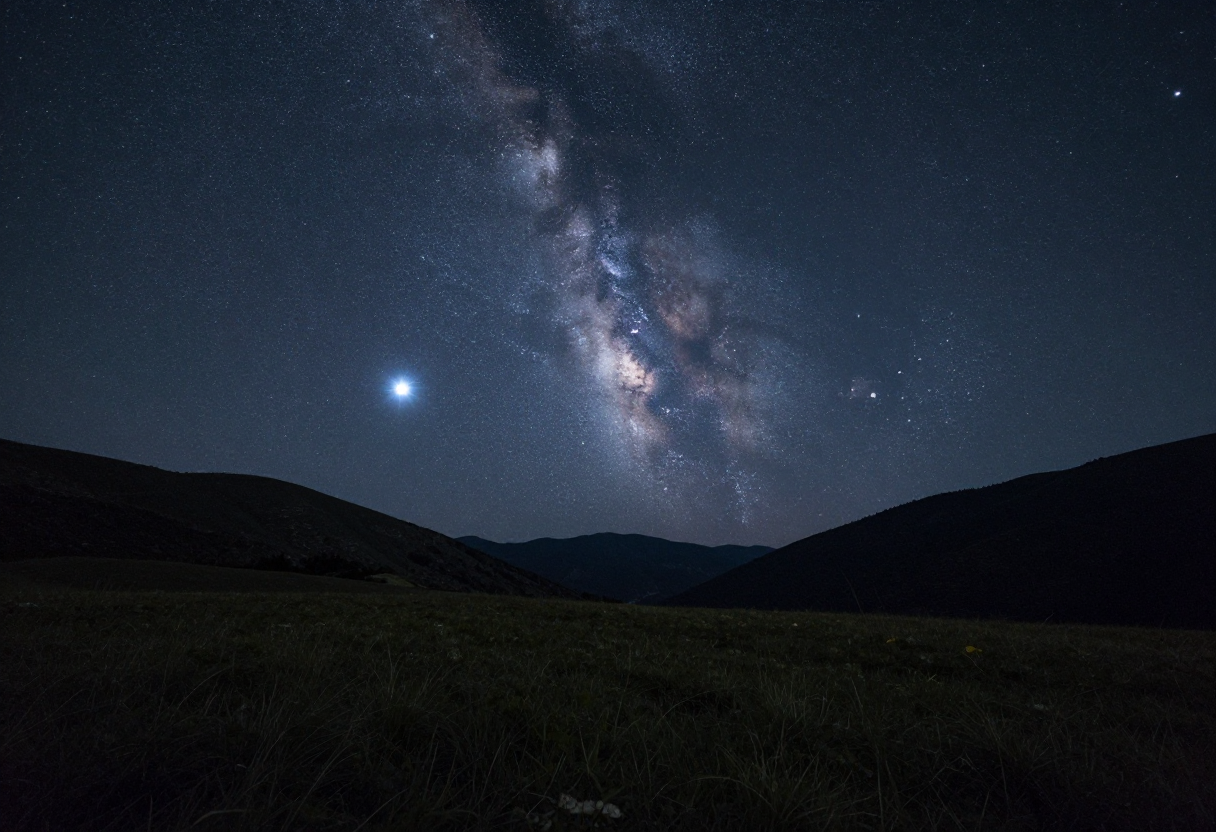
Why does Venus look so ridiculously bright?
To a lot of folks just starting out in the outdoors, it’s hard to wrap your head around why one "star" seems to glow with such intensity compared to everything else nearby. The first thing to understand is that while we often call them stars, Venus is actually a planet. It isn't burning like a sun; instead, it behaves like a massive mirror in the sky.
Venus has an incredibly thick atmosphere made of clouds and gases. This creates what astronomers call high albedo—basically, it reflects a huge amount of sunlight back toward Earth. Because the planet is relatively large and sits much closer to us than many other celestial bodies, that reflected light makes it stand out like a beacon. While some stars are actually larger or more massive than Venus, they are so far away that their light is spread thin. Venus is close enough, bright enough, and reflective enough that it remains one of the easiest objects in our night sky to spot reliably from almost any location on earth.
The geometry of visibility: When and where to hunt for it.
If you want to find Venus consistently, you have to understand its "greatest brilliance." Because Venus is an interior planet—meaning its orbit sits between Earth and the Sun—its position in our sky changes in a predictable cycle based on orbital mechanics. It doesn't just wander around randomly; it follows a specific path that determines when it is most visible from our perspective.
When Venus reaches "maximum elongation," it is positioned as far from the sun as possible while still being visible to us. This usually results in the planet appearing very low on the horizon shortly after sunset or just before sunrise. Because of its proximity and brightness, it doesn't twinkle like distant stars do; it stays steady and solid. If you see a light that is significantly brighter than the surrounding stars and remains constant rather than flickering, there is a high probability you are looking at Venus. It won't always be in the same spot every night, but by following its orbital cycle, you can predict exactly when it will be "hunting" for your attention on the horizon.
Getting set up: Practical tips for finding planets by eye or scope.
You don’t need a high-end telescope or an expensive mounting system to appreciate Venus. In fact, I often tell people that starting with just your eyes is the best way to build "sky sense." The biggest hurdle isn't usually lack of equipment; it’s light pollution. To get the best view, try to find a spot away from the orange glow of streetlights and residential hubs. Even moving a few miles out can drastically change what you see.
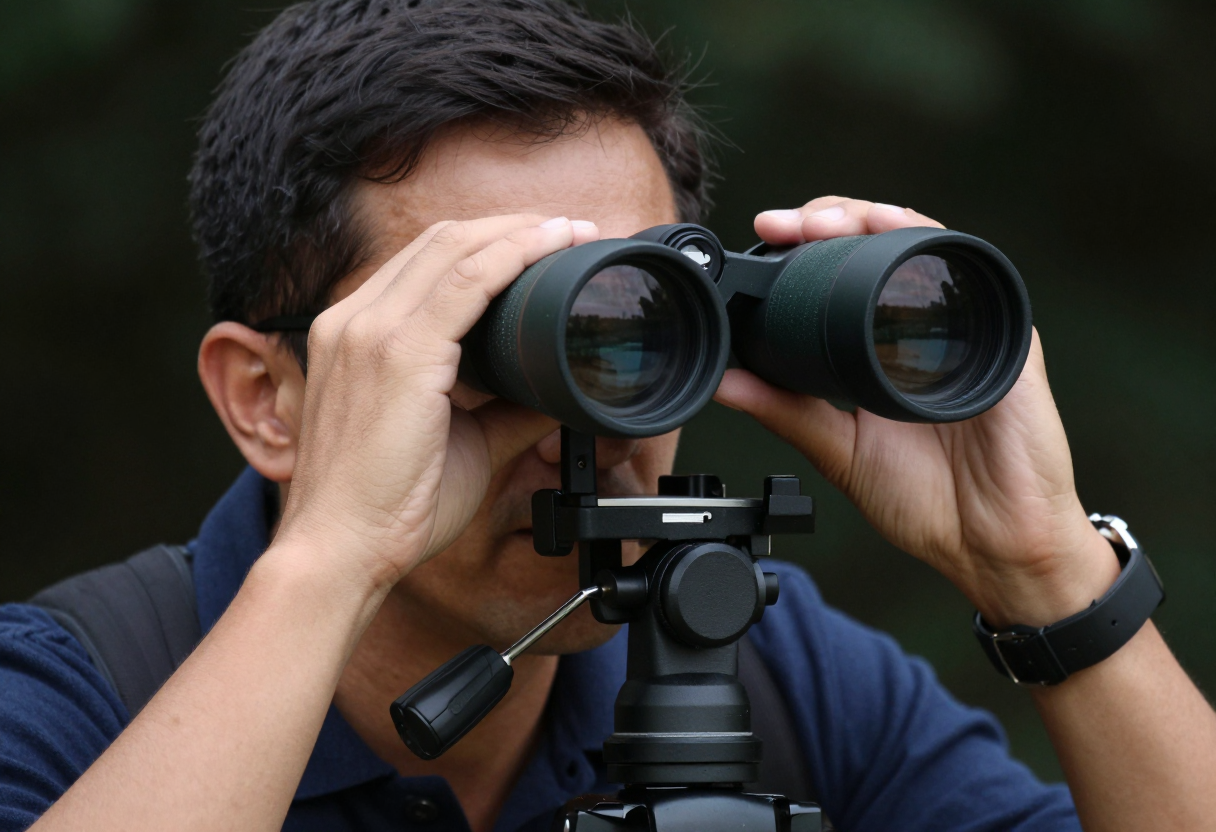
If you do want to use optics, don’t overcomplicate it with "pro" gear right away. A decent pair of 7x50 or 10x42 binoculars is more than enough to confirm that the bright light is indeed Venus and not a distant satellite or aircraft. The goal here isn't to see the surface details of the planet—which requires much larger equipment—but to learn how to navigate the sky. Use local landmarks, like a specific ridge line or a distant tower, to help you orient yourself before the sun goes down. Knowing where "home" is makes it much easier to spend time looking up.
Don't forget the fundamentals of outdoor safety and navigation.

Spending any amount of time outdoors after dark brings its own set of variables that require some basic discipline. When the sun goes down, your situational awareness needs to ramp up. Before you head out for a stargazing session or an evening hike, check the local weather forecast; temperatures can drop significantly once the sun sets, and wind patterns can change quickly in open areas.
Always ensure someone knows where you are going and when you expect to be back, especially if you’re heading into less populated areas. You should also have a reliable way to navigate your way back to your vehicle or base camp—whether that is a handheld GPS, a cell phone with an offline map, or a traditional compass and paper map. While I cannot provide specific rules for every park or forest in the country, you should always check your state’s official wildlife agency website to ensure you are following local regulations regarding land use, fire safety, and overnight stays before you head out into the field.
Inspired by EarthSky.
About the Author
David Rodgers is the founder and writer behind Country Trailhead — a Marine Corps infantry veteran, Civil Air Patrol colonel, and Eagle Scout based in Oklahoma, drawing on decades of field-tested hunting, fishing, camping, and hiking experience. Read more about David and Country Trailhead →