Respecting Wildlife in Colorado's Wilderness
Colorado has some of the best backcountry hiking and camping. To make sure it stays that way—and to keep you safe—we need to talk about bear safety fundamentals like food storage and waste disposal. This is mandatory reading before your next trip.
Written by David Rodgers — September 12, 2026
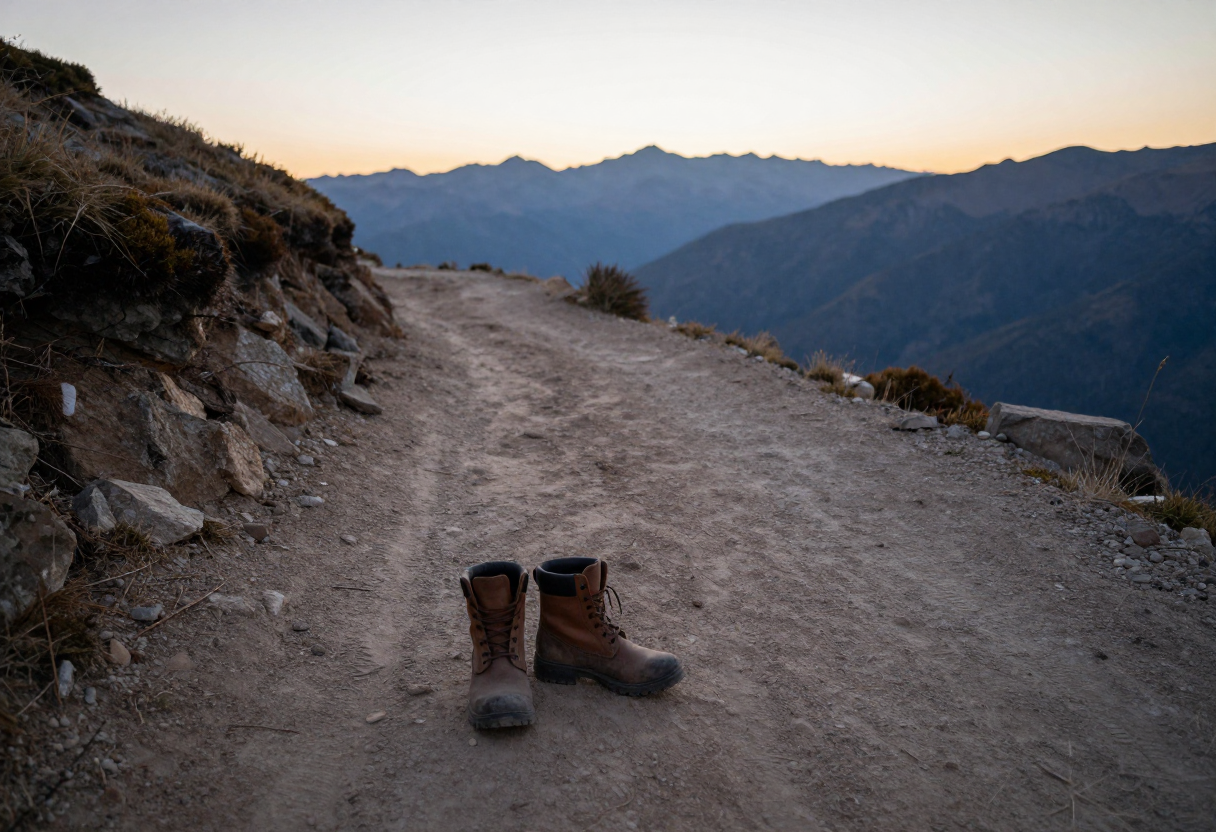
The elephant in the meadow: Why we need to talk about bears
When you head into the Colorado backcountry, you aren't just entering a playground; you’re entering someone else's home. Bears are a massive part of that ecosystem, and while most interactions are non-events—the bear stays in its territory, and you stay on your path—it only takes one mistake to turn a peaceful trip into a dangerous situation for everyone involved. We have to talk about this because "common sense" doesn't always translate well when adrenaline kicks in or when someone is trying to be helpful by feeding a hungry-looking animal.
The reality of human-wildlife conflict is that it’s often the result of habituation. When a bear learns that humans are a source of easy calories, they stop fearing us and start seeking us out. This leads to "problem bears" that eventually have to be relocated or, in many cases, destroyed for public safety. We want you to enjoy your time in the mountains as much as I do, but that enjoyment has to come with a baseline level of discipline regarding how we coexist with these animals.
Rule 1: Never feed anything, ever.
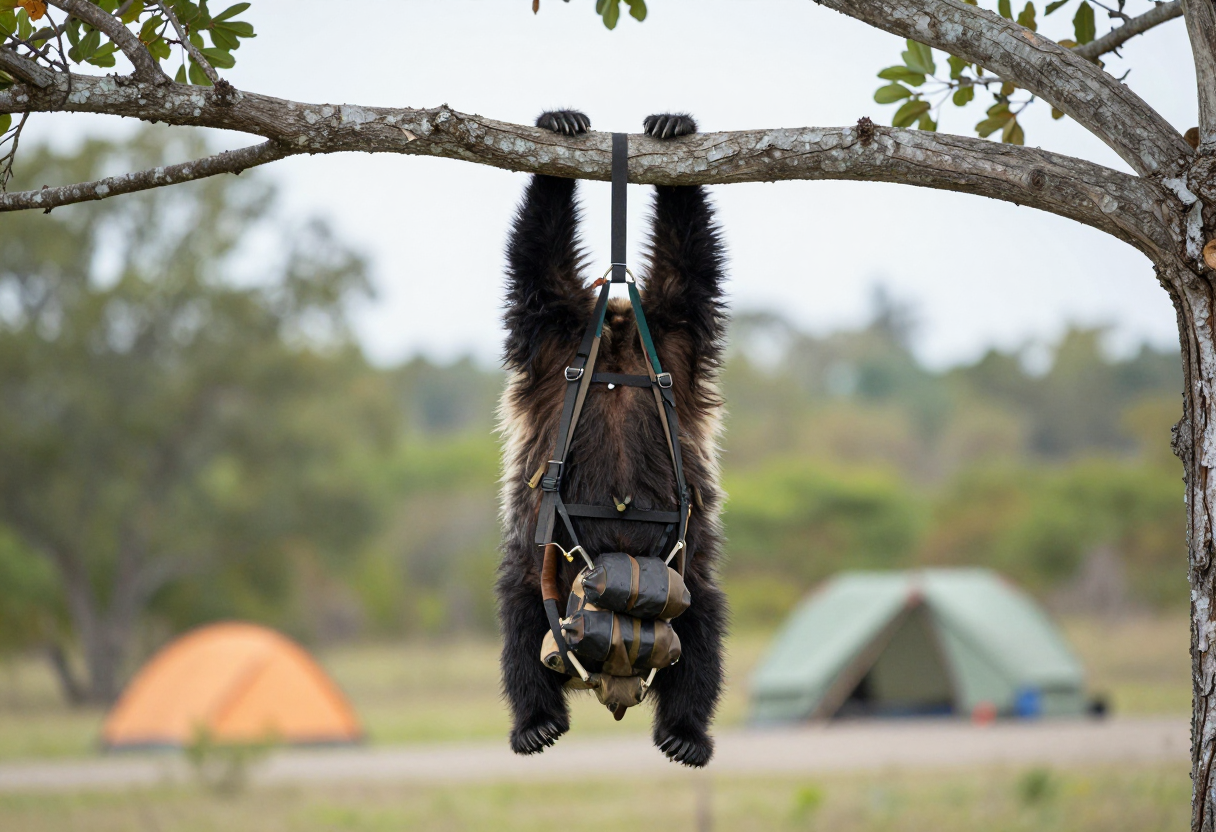
This is not a suggestion or a "best practice"—it’s a hard rule. If you see a bear and it looks hungry, you don't give it a snack. If you find a piece of fruit on the ground that looks like someone might have dropped it, you leave it alone. Even something as small as a handful of grain or a discarded wrapper can be problematic if it creates a reward for the animal to seek out human activity.
The danger here is twofold. First, feeding an animal makes them bolder and less cautious around people, which puts both the bear and the person in jeopardy. Second, once a bear associates humans with food, they lose their natural wariness. A "bold" bear is often a dead bear because it becomes too much of a risk to leave in a populated area or near trails. To keep these animals wild and safe in their habitats, we have to be disciplined enough to never provide them with any human-sourced calories, no matter how small the amount might seem at the time.
The Golden Rules of Backcountry Storage (Food & Trash)
Proper storage is about making your gear inaccessible to anything with a nose. If an animal can smell it, they will eventually find it. In many parts of Colorado and other high-traffic areas, specific methods are required by law or local management, so always check the official state wildlife agency's guidelines for your specific region before heading out.
Core Storage Principles
- Bear Canisters: These are the gold standard. They are designed to be completely scent-proof and are often mandatory in certain zones because they are the most reliable way to keep bears away from your supplies.
- Proper Hanging: If you aren't using a canister, use a bear pole or a high-line hang. The goal is to get your gear at least 10 feet off the ground and 12 feet away from any trunk or branch where an animal could reach it.
- The "No Food in Tents" Rule: This is non-negotiable. Never keep food, scented toiletries (like toothpaste), or even trash inside your sleeping area. If a bear breaks into a tent to find a snack, you are in its immediate space, which creates a high-risk situation for both of you.
- Waste Management: Pack out every scrap. This includes "micro-trash" like orange peels or candy wrappers. Even a small amount of waste can attract scavengers that then lead larger predators toward your campsite.
How to behave when you see a bear or other large animal
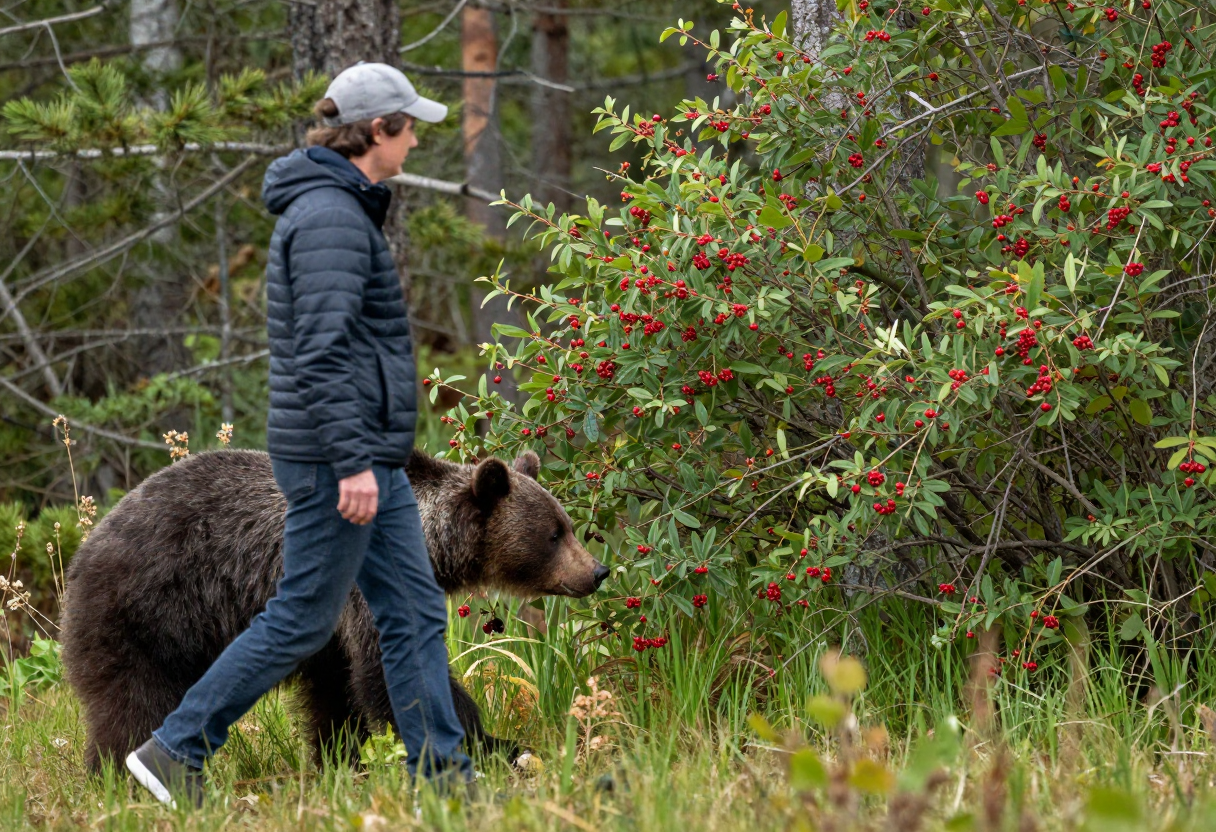
Most encounters with bears, elk, or mountain lions can be managed by maintaining distance and staying calm. The goal is to make it clear that you are a human being and not prey, while simultaneously showing the animal that you aren't a threat they need to deal with.
Engagement Tactics
- Maintain Distance: If you see an animal from a distance, give it plenty of space. Do not approach for a photo or a closer look. If it sees you first and decides to move away, let it go its own way.
- Make Noise: When hiking in heavy brush or near streams where your footsteps are muffled, talk loudly or call out periodically. You want to announce your presence so you don't surprise an animal—surprising a bear is one thing; being surprised by one is another.
- Group Dynamics: Traveling in a group of three or more makes it much harder for a predator to view anyone as isolated prey. It also provides more "eyes" to spot potential hazards early.
- If Encountered Closely: Do not run. Running triggers a chase instinct in most large animals, and you cannot outrun them. Stand your ground, speak in a calm but firm voice, and slowly back away. Make yourself look large by raising your arms or holding your gear above your head. If an animal charges but seems to be "bluffing" (swaying its head or popping a small hop), you can stand your ground. However, if it's a direct, aggressive charge, use your bear spray as directed by the manufacturer.
Leaving nothing but footprints: Final takeaways for responsible outdoor travel
At the end of the day, being a responsible outdoorsperson means practicing consistent discipline. It’s easy to be careful when everything is going perfectly, but the real test is maintaining those standards during long days on the trail or when you're tired and just want to set your pack down.
Respecting wildlife isn't about living in fear; it’s about respect for the land and the animals that call it home. By following strict storage protocols and keeping a safe distance, you ensure that bears remain wild and people stay safe. Every time you choose a bear canister over convenience or decide to pack out your trash instead of leaving it "just for one night," you are contributing to the preservation of these wild spaces. Safety in the backcountry is built on these small, repeated choices. If you want more specific information on local requirements or gear recommendations for your next trip into Colorado's wilderness, check the State Resources page.
Inspired by Backpacker Magazine.
About the Author
David Rodgers is the founder and writer behind Country Trailhead — a Marine Corps infantry veteran, Civil Air Patrol colonel, and Eagle Scout based in Oklahoma, drawing on decades of field-tested hunting, fishing, camping, and hiking experience. Read more about David and Country Trailhead →