
Reading the Sky: What Solar Storms Mean for Your Trip
Solar flares and geomagnetic activity are natural phenomena that can put on a spectacular light show. This issue walks you through what those reports mean—and how to plan your trip around them.
Written by David Rodgers — September 10, 2026
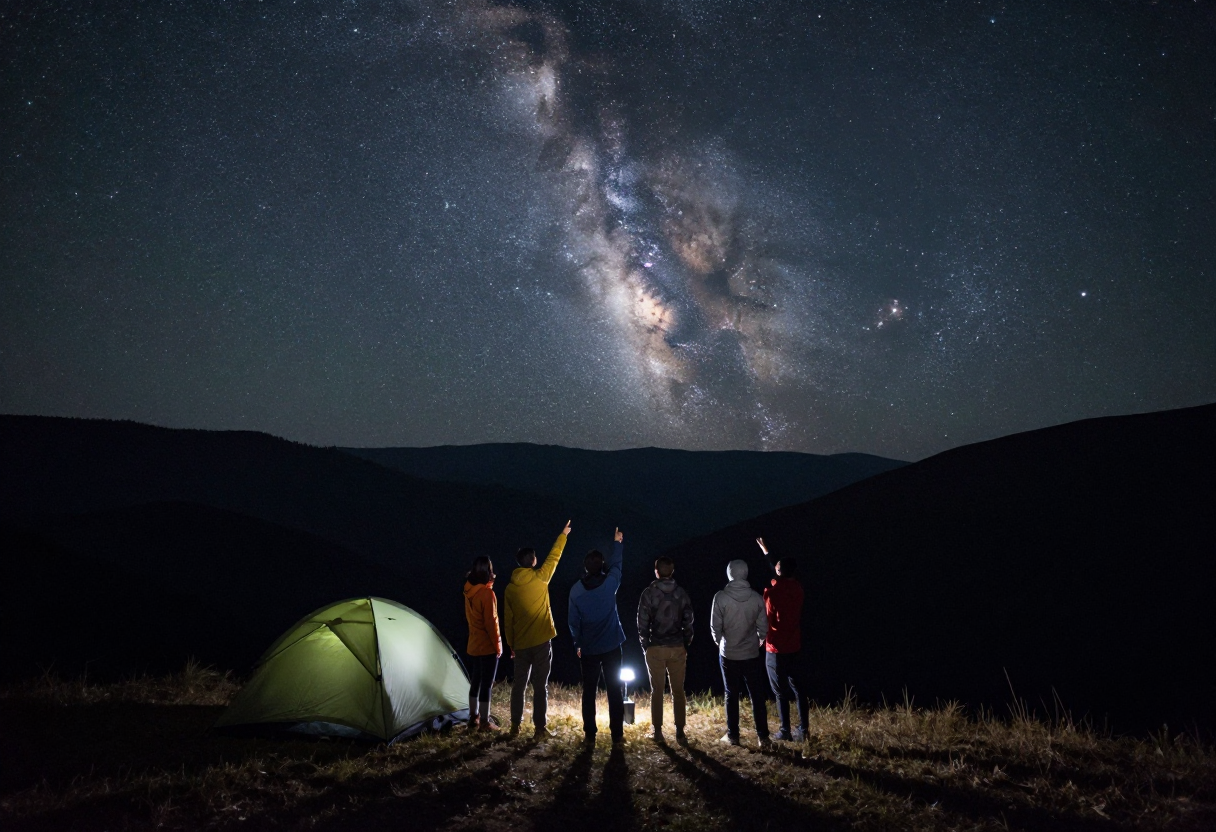
So, what do those 'G2' or 'Kp Index' numbers actually mean?
If you have been following any talk of solar activity lately, you have likely seen terms like the Kp index or G-scale mentioned online. These can sound like complex space weather jargon, but for us on the ground, they really just boil down to one thing: how much "juice" is hitting our atmosphere right now.
The Kp index is a scale from 0 to 9 that measures geomagnetic activity. Think of it as a gauge of how disturbed the Earth's magnetic field is by the sun. For most folks living in the lower latitudes—like here in the Midwest or the South—a Kp of 5 or higher is usually the threshold where you start looking for something significant. A G-scale rating (G1, G2, etc.) refers more to how much the solar storm might mess with power grids and satellites. While those are important for infrastructure, we care about the visual result. When the Kp index climbs, it means the aurora is being pushed further toward the equator. It doesn't guarantee a show every time, but it tells you when the "door" is open for something to happen in your backyard rather than just way up in the far north.
Planning for a show: The three non-negotiable factors
Chasing an aurora isn't like going out to find a deer; you can’t always control the outcome, but you can control how much of a chance you give yourself. If you want to see the lights, there are three things that matter more than any specific piece of gear or app:
- Location Isolation: You need as much "darkness" as possible. This doesn't just mean being away from your neighbor’s porch light; it means getting far enough away from city glow that the sky remains dark. Even a small town can wash out the subtler colors of the aurora.
- Moon Phase: A full moon is beautiful, but it is a primary source of light pollution. If you want to see those faint green and purple hues, aim for nights during or near a new moon.
- Weather and Wind Judgment: This is where my time in the Civil Air Patrol comes in handy regarding observation. You need clear skies. High-altitude clouds can block out even the most intense solar activity. Check your local forecast not just for rain, but specifically for cloud cover. If it’s overcast, you won't see anything regardless of how high the Kp index is.
Aurora basics: What you need (and what you don't)
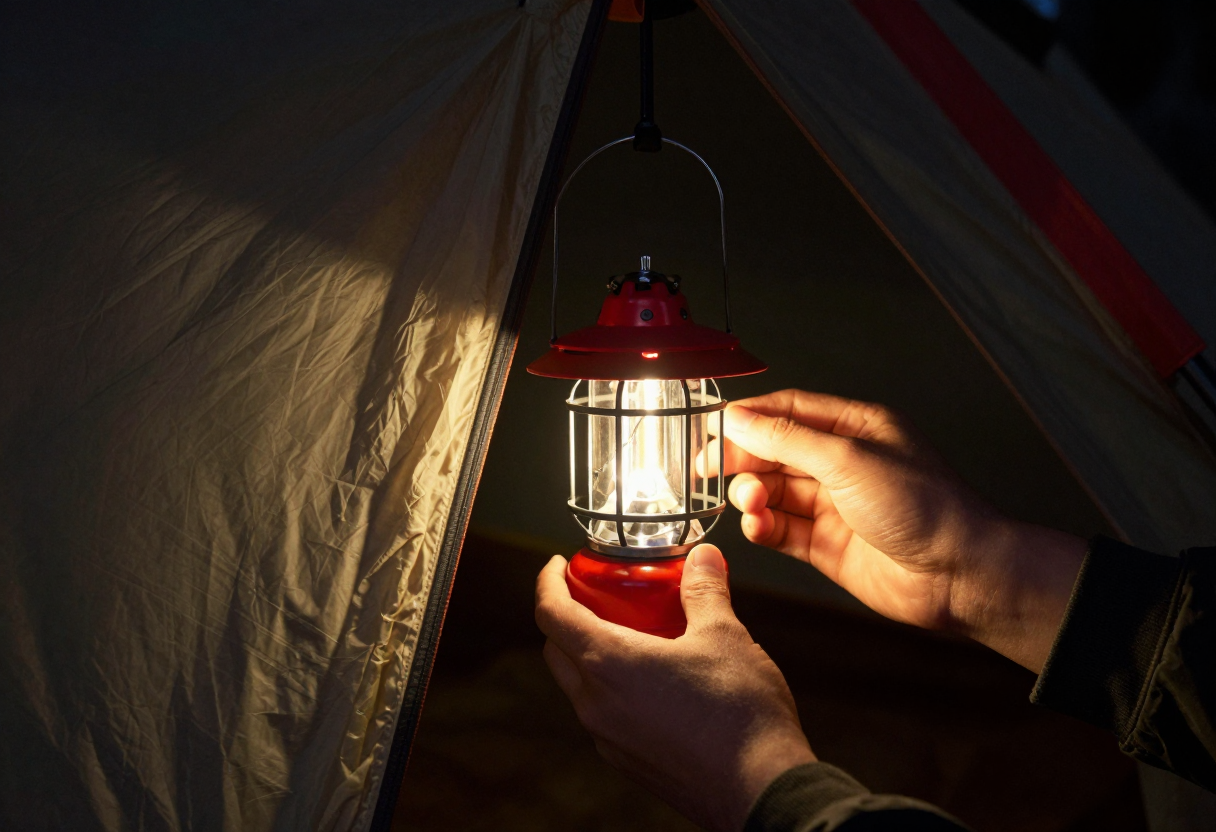
One thing I want to be clear about upfront is that you do not need a $3,000 camera setup or specialized high-end optics just to see the aurora with your own eyes. If it’s bright enough to see, it's beautiful enough to see without a lens between you and the sky.
However, there are a few practical items that make the experience much better:
- Red Light Sources: To preserve your night vision, use a headlamp or flashlight with a red filter or a dedicated red LED. White light ruins your eyes' ability to adjust to the dark for about 20 minutes. It’s an easy fix that makes a huge difference in comfort and safety.
- Binoculars: These aren't strictly necessary, but they can help you spot details in the structure of the lights if they are moving slowly across the horizon.
- Patience: This is the most important "gear" item. Solar activity doesn't always happen on a schedule. You might sit for an hour and see nothing, then have it dance across the sky for ten minutes.
Don’t feel pressured to buy expensive gear just because a marketing pitch told you that you need specialized sensors to "capture the experience." Your eyes are plenty capable if the conditions are right.
Field tips for the night itself
Once you decide on your spot and have checked the forecast, the goal is to get settled and stay comfortable while you wait. When I’m out in a field or at a remote campsite, my priority is staying "dark" and staying warm.
If you are scouting from a vehicle, park it away from the main road if possible to avoid headlights from passing cars reflecting off your mirrors or windows. If you are setting up camp for a longer watch, keep your light discipline tight. Use that red light I mentioned earlier so you aren't constantly "blinking" your eyes back into adjustment every time you need to find a snack or check a map.
Comfort is also a major factor in how much you’ll enjoy the night. If you are shivering and miserable, you won't be enjoying the view. Bring plenty of water, some high-calorie snacks, and layers that can handle a drop in temperature once the sun goes down. And remember: if you are heading into remote areas to find those dark skies, always let someone know where you’re going and when you expect to be back. Safety isn't something you trade for a better view of the sky.
Getting started: Where to look next?
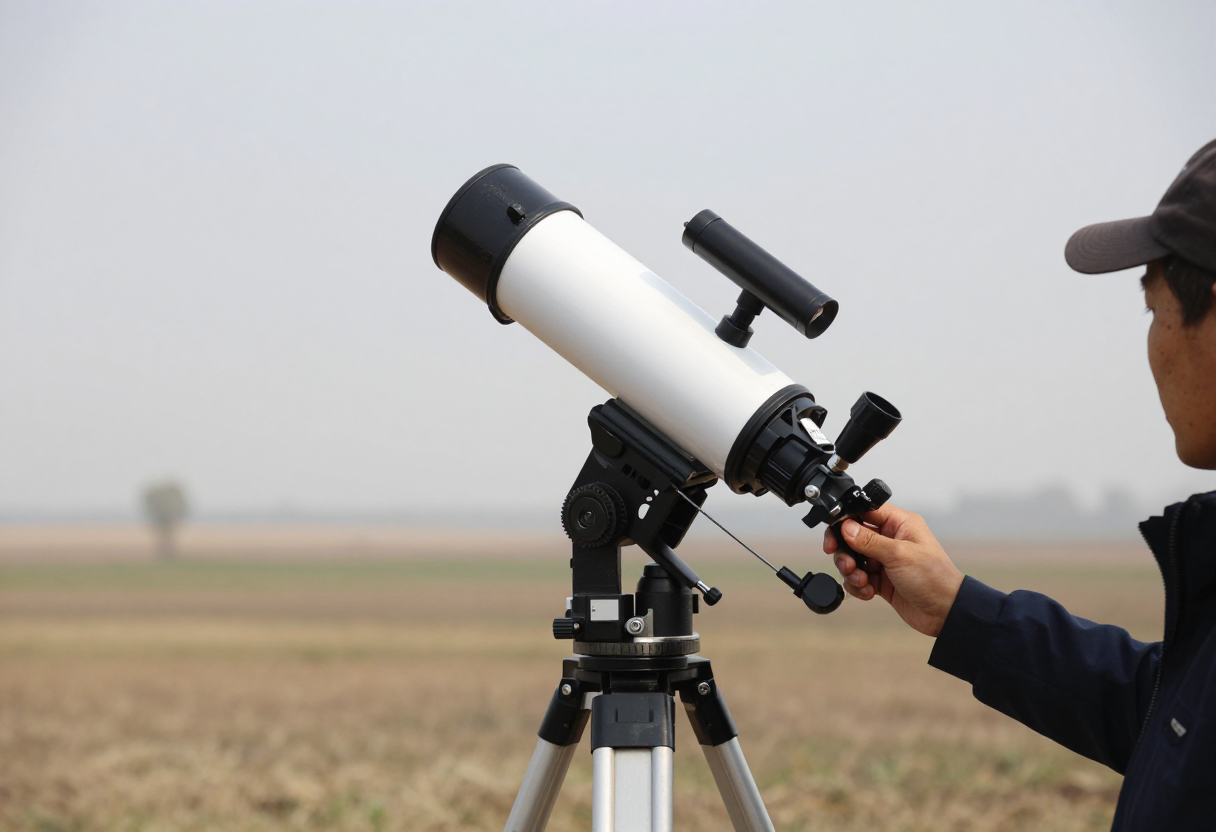
If you want to start tracking these events properly without getting overwhelmed by the data, I recommend starting with your local conditions first. Since solar activity is global but visibility is highly dependent on your specific geography and weather patterns, your local information is your best tool for planning a trip.
I've put together a list of resources that can help you navigate the specifics of where to go based on your location. If you are looking for the best spots near you that offer minimal light pollution or want to understand how local conditions might affect your chances, head over to our State Resources page. It’s the best place to start narrowing down a destination when you're moving from "interested" to actually getting out into the woods to see it for yourself.
Inspired by EarthSky.
About the Author
David Rodgers is the founder and writer behind Country Trailhead — a Marine Corps infantry veteran, Civil Air Patrol colonel, and Eagle Scout based in Oklahoma, drawing on decades of field-tested hunting, fishing, camping, and hiking experience. Read more about David and Country Trailhead →