
Predicting the sky above: Solar cycles and auroras.
We're looking at how solar activity—from flares to coronal holes—can affect the conditions of your trip, especially when you’re trying to catch a glimpse of the aurora or just get good light for camping photos.
Written by David Rodgers — September 24, 2026
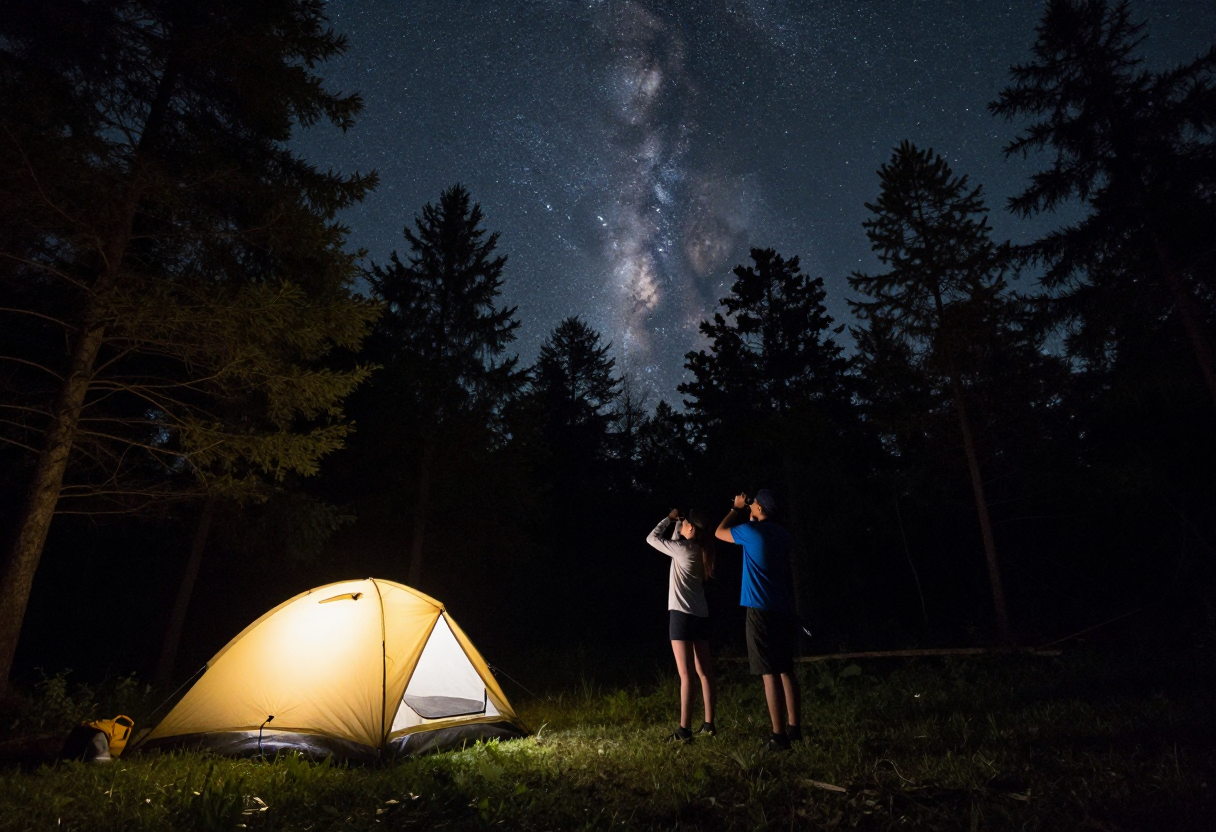
Before you pack: What is space weather really?
Space weather might sound like something that only matters to people working at NASA or managing satellite communications, but it actually has a direct impact on our experience in the outdoors. When we talk about space weather, we are talking about how solar activity affects Earth's atmosphere and magnetic field. The main players here are solar flares—massive bursts of radiation from the sun—and Coronal Mass Ejections (CMEs). A CME is essentially a huge cloud of plasma and magnetic fields being thrown into space toward our planet. While these events can disrupt GPS or radio signals, they also create significant geomagnetic activity in our atmosphere. For those of us who spend nights under the stars, this isn't just abstract science; it is about understanding what might be happening above our heads that affects visibility and atmospheric conditions for your next trip.
The simple connection between the sun and your trip.
The connection between these solar events and your trip is all about how they interact with the magnetosphere. When a CME hits, it can cause geomagnetic storms. For an angler or hunter who might be out during "golden hours" or late into the night, this matters because of its effect on our atmosphere's behavior. In many cases, high solar activity creates conditions that allow for more intense displays of auroras—the northern lights. Even if you are not in a prime location to see them clearly, these events can sometimes clear out certain atmospheric interference or create unique lighting conditions at night. When planning a trip specifically focused on stargazing or finding remote spots during low-light periods, knowing the current status of solar activity helps set your expectations for what kind of show you will actually get from nature and help you decide if it is worth making the extra drive to a darker spot.
What are we actually looking for? Understanding the Kp Index.
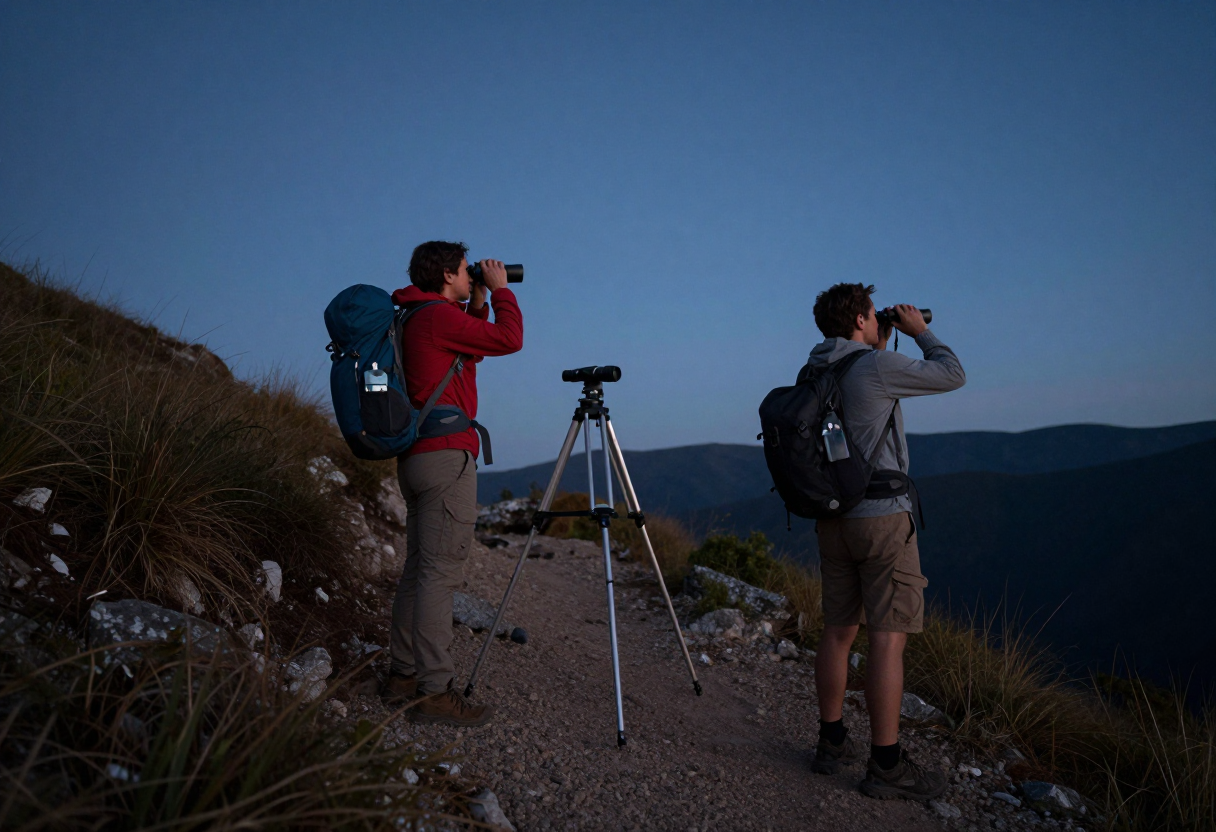
Scientists use several different scales to measure this activity, but for our purposes, you only need one: the Kp Index. This is a scale from 0 to 9 that measures geomagnetic activity on Earth. For most of us out in the field, it serves as a practical gauge rather than just raw data. You do not need to know the physics behind every number; you just need to know when something significant is happening.
| Kp Level | Activity Status | What it means for your trip |
|---|---|---|
| 0-3 | Quiet | Standard night; no special solar activity expected. |
| 4 | Unsettled | Slight increase in activity; visible at high latitudes. |
| 5-7 | Active | Significant geomagnetic activity; higher aurora chances. |
| 8-9 | Extreme | Major solar event; potential for widespread displays. |
When the Kp index hits 5 or higher, it signals that something is happening in the atmosphere that could result in an exceptional night of viewing if your location allows for it. It is a simple way to determine if today’s trip might offer more than just a standard look at the stars.
Practical tips: Planning around celestial events.
When planning your next trip, use these tools to inform your choices rather than trying to predict exactly what will happen. If you know there is high solar activity coming, it might be worth traveling further away from city lights to catch a better view of an aurora or a clearer night sky. However, remember that space weather is only half the battle; local conditions like humidity and cloud cover still play massive roles in visibility. I have learned through years of scouting that "clear" on a weather app does not mean "dark." You can have perfectly clear skies but see nothing if you are too close to a town's glow. Use the Kp Index as one piece of your planning puzzle, alongside local humidity and wind forecasts. If activity is high, choose a remote location where you will not be fighting light pollution from neighbors or nearby roads.
Next time you’re out: A final checklist.
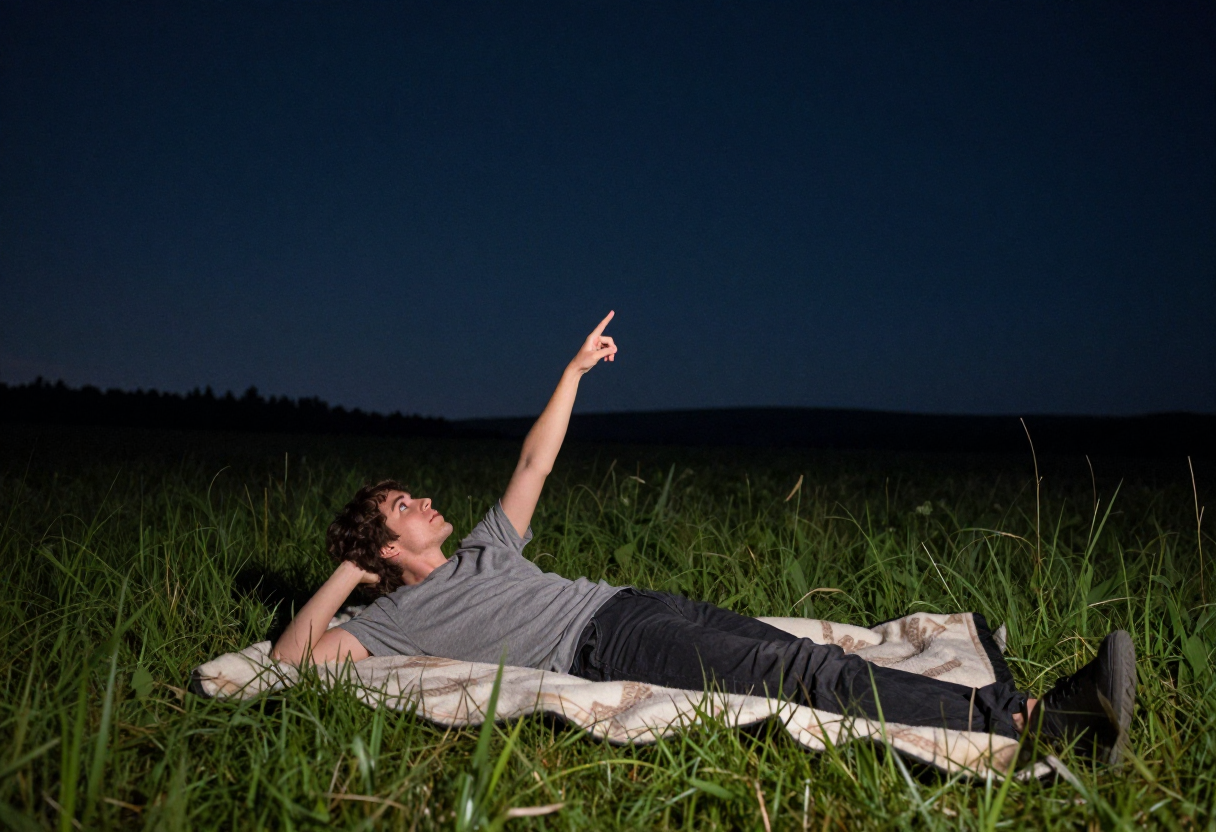
Before you head out into the backcountry, follow this checklist to determine what kind of night you are in for:
- Check a reliable space weather source daily for current Kp levels and solar alerts.
- Map your location's light pollution; even during high geomagnetic activity, city lights will ruin your view of the stars.
- Cross-reference with local conditions like humidity and cloud cover to get a full picture of what you will see.
If you are heading into remote territory where navigation is key, remember that extreme solar events can occasionally impact GPS reliability—a reminder from my time in the military: never rely on a single piece of technology for your primary navigation. For more information on how to prepare for different environments and find reliable local data, visit our State Resources page.
Inspired by EarthSky.
About the Author
David Rodgers is the founder and writer behind Country Trailhead — a Marine Corps infantry veteran, Civil Air Patrol colonel, and Eagle Scout based in Oklahoma, drawing on decades of field-tested hunting, fishing, camping, and hiking experience. Read more about David and Country Trailhead →