
Planning a Journey Where the Trail Ends at Culture
Whether you're dreaming of the Himalayas or just tackling the Appalachian Trail next fall, long-distance hiking is about logistics and adaptation. We break down how to think globally when mapping out your big journey.
Written by David Rodgers — October 15, 2026
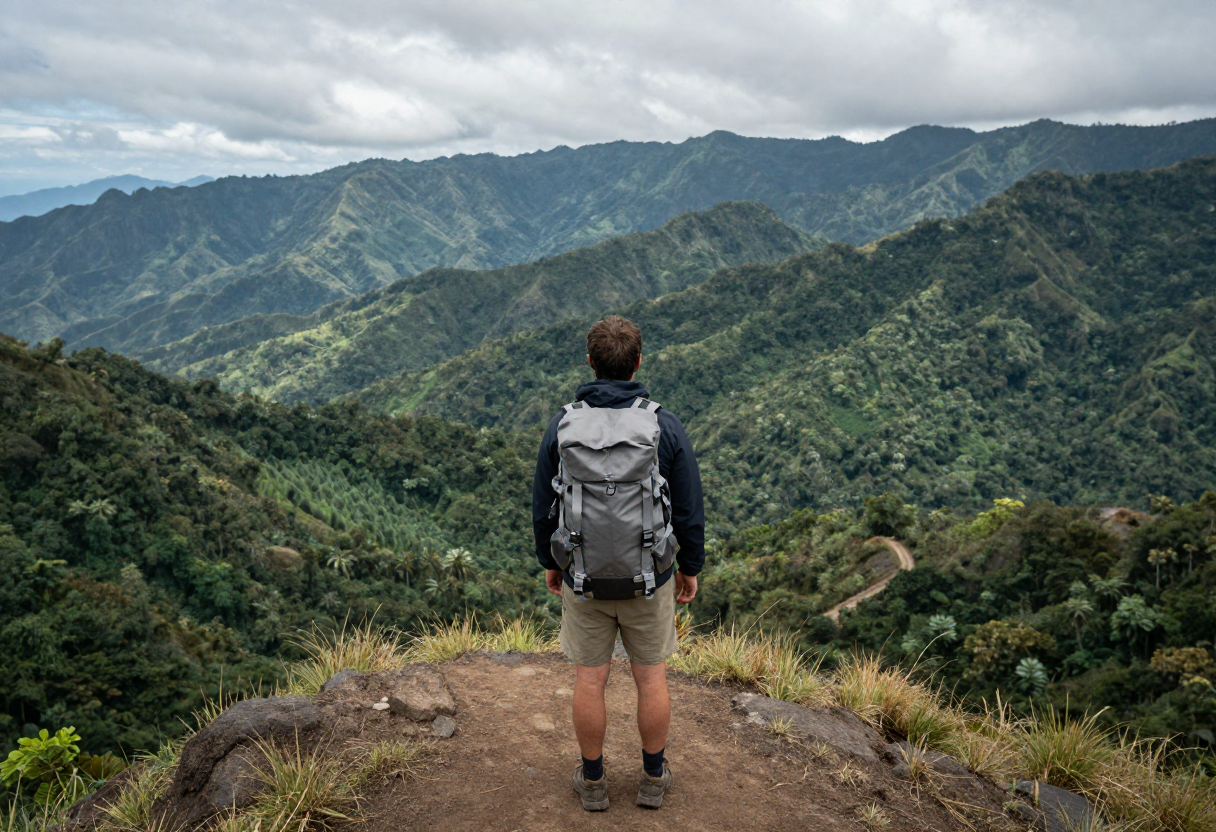
From Dream Destination to Reality: The Scale of Global Trails
We have all seen those photos—hikers standing on jagged peaks in the Andes or trekking through remote passes in the Himalayas. It is easy to look at a map and think, that's where I want to go. But there is a significant gap between an aspirant’s dream and the physical reality of a global trek. When you move from local trails to international ones, the scale changes everything. You aren't just planning a hike; you are managing a massive logistical undertaking that involves months, sometimes years, of preparation.
You have to be honest with yourself about your timeline and your fitness level before you book a flight. A multi-week trek through high-altitude terrain requires a different kind of conditioning than a weekend backpacking trip in the local woods. You need to account for "dead time"—the hours spent on buses, trains, or waiting at checkpoints—which can be grueling but are often necessary parts of the journey. The goal isn't just to reach the destination; it’s to have the physical and mental stamina to endure the transit required to get there.
It’s Not Just About Walking: Mastering Logistics and Documentation

One of the biggest mistakes I see beginners make when looking at international travel is assuming that "the trail" starts the moment they leave their house. In many parts of the world, your ability to move through the wilderness depends entirely on your ability to navigate bureaucracy first. You cannot simply walk across a border because you have a map and some boots; you need the right paperwork for the people who run the land.
The Paperwork Barrier
- Visas and Permits: Many regions require specific visas for entry, while certain wilderness areas require special permits that are often limited in number. These can take months to secure.
- Cultural Etiquette: Respecting local customs isn't just about being polite; it’s a safety and navigation issue. Knowing how to interact with locals and authorities ensures you aren't stopped or turned back due to misunderstandings.
- Border Crossings: Some borders are strictly regulated. You may need specific permits for your gear, especially if you are carrying certain types of tools or electronics.
Doing the "boring" work upfront—studying visa requirements and local regulations—is what keeps a trip from turning into a nightmare at a checkpoint when you’re exhausted and miles from help.
Wilderness vs. Culture: Adjusting Your Approach on the Fly
When your boots cross an international border, the environment changes in ways that demand a shift in how you use your gear. A mountain range in the Rockies has different demands than a tropical jungle or a high-altitude pasture in Central Asia. You have to be prepared to adapt your kit based on what the specific terrain and culture require of you.
In some regions, "wilderness" means dealing with extreme altitude and exposure; here, your focus is on wind protection and high-calorie fuel. In other areas, like dense jungles or river basins, the primary enemies are humidity, insects, and rot. Your gear choice might shift from heavy insulation to moisture-wicking fabrics and specialized dry bags. Furthermore, cultural context matters for your campsite selection. Some regions have specific rules regarding where you can camp, especially near grazing lands or sacred sites. You aren't just adapting to the weather; you are adapting to how humans have lived in that landscape for generations. Your gear should be a tool that fits the local environment, not a static list of items you carry regardless of where you are.
The Mental Game and the Unscripted Detour

The reality of long-distance trekking is that things will go wrong. It’s almost a guarantee. A storm can wash out a trail segment; an injury can slow your pace to a crawl; or a logistical failure can leave you stranded in a village for an extra night. The difference between someone who makes it through and someone who gives up comes down to how they handle these "unscripted detours."
In my experience, the most important skill isn't actually navigation—it’s composure. When the situation on the ground doesn't match what you planned in your notebook, you have to be able to pivot without panicking. If a pass is closed, you find an alternative route or stay put until it opens. You learn to accept that "Plan A" is often just a starting point. Resilience means having the patience to figure out the next logical step when things get complicated. Being prepared doesn't mean everything goes perfectly; it means you have the skills and the temperament to handle it when it doesn't.
Bringing Global Lessons Home to Country Trailhead
While the scenery might change from a mountain peak in Nepal to a ridge in Oklahoma, the core fundamentals of being outdoors remain exactly the same. The discipline required to manage your pace on an international trek is the same discipline you need to manage your water and navigation during a local hike. Whether you are navigating by map and compass or just trying to stay on track through dense brush, the "why" behind the skill remains constant: safety and self-reliance.
The fact that these skills are universal means you can start building your foundation right here at home. If you can master the basics of gear maintenance, weather judgment, and navigation in our local backcountry, those skills will serve as your backbone no matter where your ambitions take you. You don't need to cross a border to begin training for that "dream" trip; you just need to start mastering the fundamentals today. For those looking to build that foundation, check out our Gear Finder Wizards and the guide library to get started on the basics of preparation and navigation.
Inspired by Backpacker Magazine.
About the Author
David Rodgers is the founder and writer behind Country Trailhead — a Marine Corps infantry veteran, Civil Air Patrol colonel, and Eagle Scout based in Oklahoma, drawing on decades of field-tested hunting, fishing, camping, and hiking experience. Read more about David and Country Trailhead →