
Picking Out a Low Power Variable Optic (LPVO) for the Field
LPVOs are one of those pieces of equipment that sound complicated but actually just boil down to a few simple choices. Here, we break down what you really need and where your money is best spent.
Written by David Rodgers — September 11, 2026
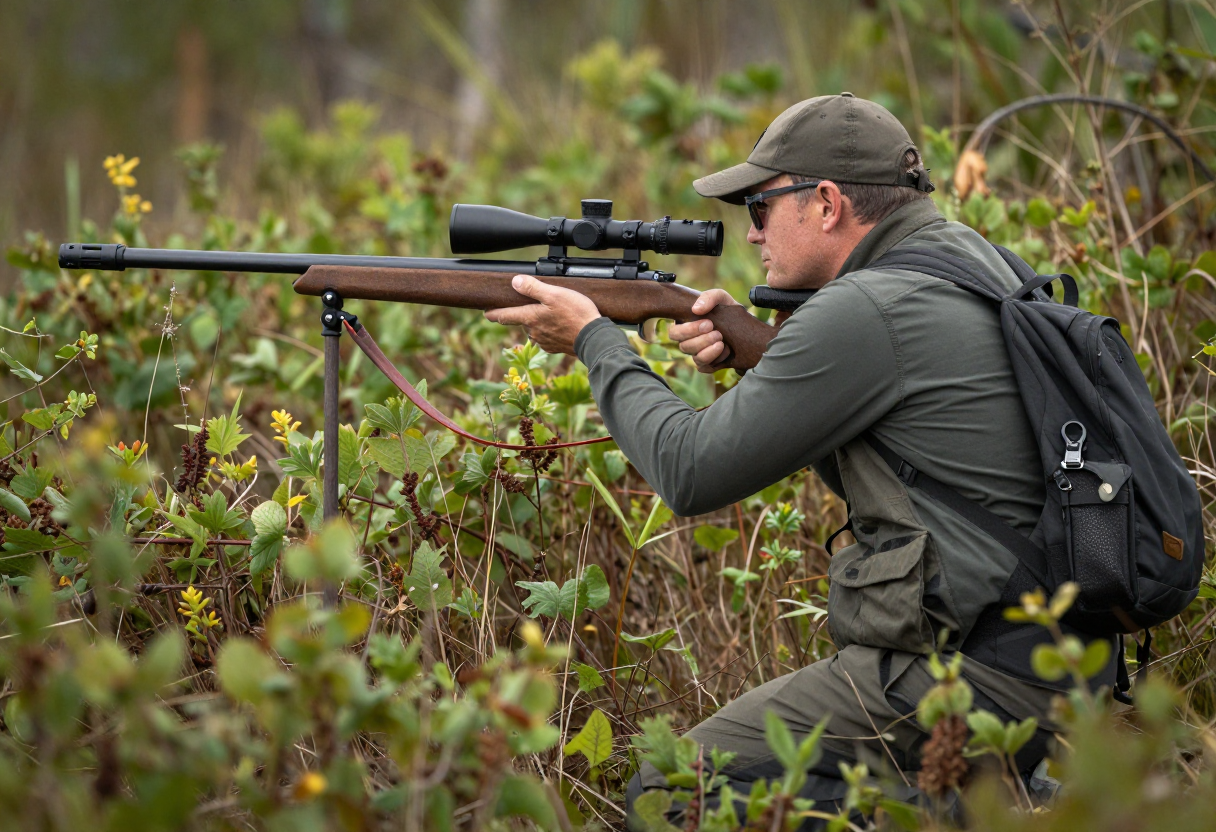
What exactly is an LPVO, and why should I care?
If you have spent most of your time using a fixed-power scope—something like a 3x or 4x that stays at one magnification level no matter what—the jump to a variable optic might seem like an unnecessary complication. However, the "Low Power Variable Optic" (LPVO) has become a staple for many because it offers versatility that a single fixed power simply cannot match.
In plain terms, an LPVO allows you to dial your magnification up or down within a specific range, typically between 1x and 6x or 8x. The "Low Power" part of the name means these scopes are designed for shorter-range engagements where you need a wider field of view than a high-powered long-range scope provides. You should care because it gives you flexibility in the field. If you find yourself moving through thick timber, a lower magnification allows you to see more of your surroundings and react quickly; if an animal moves into a clearing, you can dial up the power to get a clearer look at the target. It is essentially two tools in one tube.
The three big variables: Power Range, Reticle Style, and Build Quality
When shopping for an LPVO, don't let the alphabet soup of technical specs overwhelm you. Focus on these three pillars first.
Power Range
This is usually expressed as a range, such as 1-6x or 1-8x. The "1" means that at its lowest setting, it provides no magnification—it looks like you are looking through a clear piece of glass. This is vital for close-quarters awareness. The higher number (the 6 or the 8) tells you how much you can zoom in. A 1-4x is very compact and great for heavy brush; a 1-8x gives you more "reach" but usually requires a slightly larger tube to house the extra glass.
Reticle Style
The reticle is the aiming point inside the lens. Some LPVOs feature a simple "dot," which is excellent for quick target acquisition and ease of use. Others offer complex, multi-functional reticles with various dots or lines at different heights (holdovers). These are useful if you need to quickly adjust for distance without moving your head, but they can be more confusing for someone just starting out.
Build Quality
This refers to the durability of the housing and the reliability of the internal seals. In a rugged environment like the backcountry, you want an optic that won't lose its "zero" (its point of aim) after being bumped against a branch or exposed to heavy rain. A well-built scope will hold its zero over years of use, regardless of whether it is an entry-level model or a high-end premium unit.
Matching the Scope to the Mission: Use Cases
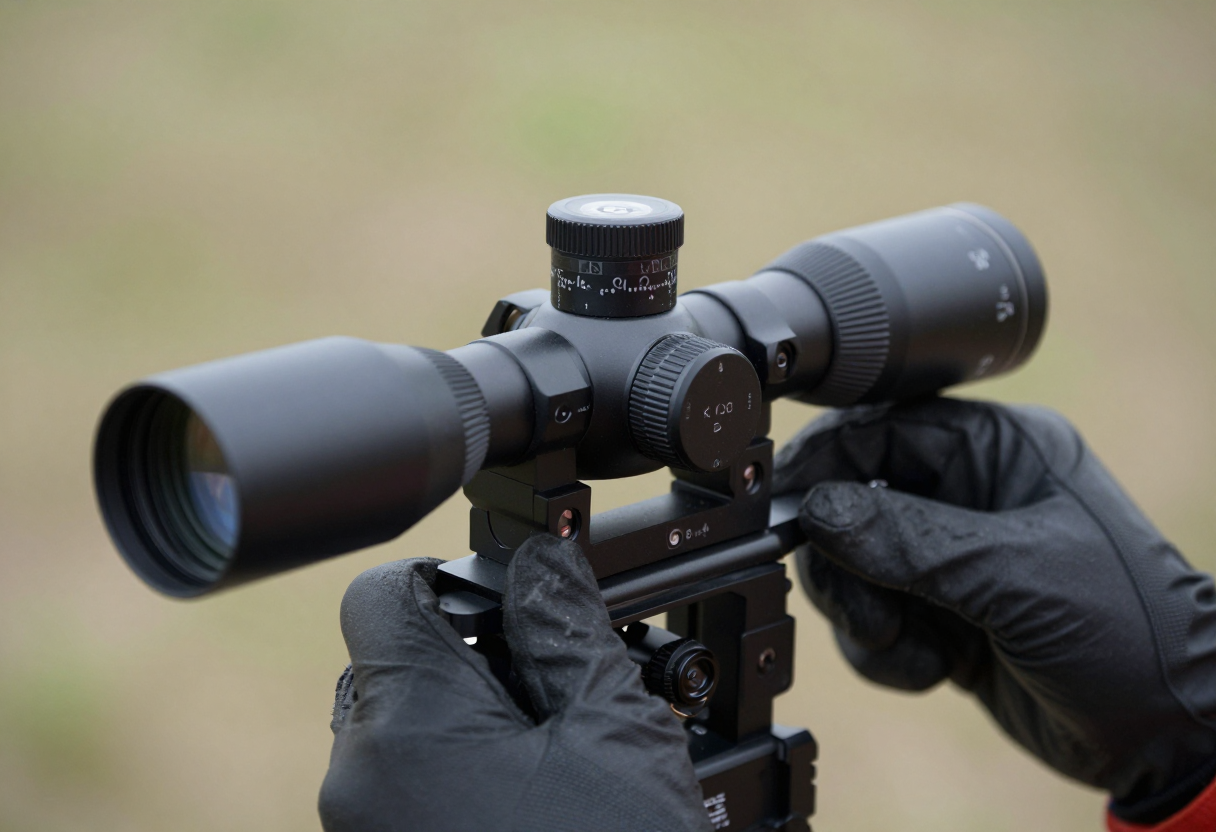
The best optic is always the one that fits your specific goals. Not every scenario requires the same glass.
- General Hunting and Timber Work: A 1-6x LPVO is often considered the "jack of all trades." It provides enough magnification for most deer or elk scenarios while remaining compact enough to handle in dense brush where you might get close to your target quickly.
- Defense and Competition: For those using a rifle for self-defense, home protection, or fast-paced sports like 3-Gun, the lower end of the power range (1x to 4x) is often preferred. In these scenarios, speed and situational awareness are paramount; you want a wide field of view so you can see what’s happening around your target as quickly as possible.
- Scouting and Observation: If your primary goal is spotting signs or identifying features from a distance before moving in, a higher upper limit (like an 8x) might be more useful for pinpointing details.
When considering these options for specific wildlife, remember that while the scope helps you see better, it doesn't change the law. Always check your state’s official wildlife agency website to ensure your equipment and methods comply with local regulations regarding hunting seasons and gear requirements.
The Cost Trap: When more isn't better (and what to look out for)
It is easy to fall into the trap of thinking that a higher price tag automatically equates to a better experience in the field. In many cases, you are paying for "bells and whistles" that may not actually serve your specific needs.
For example, if you aren't planning on using night vision or thermal overlays, you do not need to pay a premium for a reticle designed to work with those systems. Similarly, unless you are shooting at very long ranges in wide-open plains, you likely don't need an oversized objective lens—the larger glass that makes some high-end scopes heavy and bulky.
Focus on what is essential: clarity of the image, reliability of the dial, and a durable housing. A mid-range LPVO from a reputable manufacturer will often provide everything a hunter or hiker needs without the inflated cost of "luxury" features. If you find yourself looking at a scope and can't explain why a specific feature matters to your daily use, it’s probably something you can skip to save money for other gear like high-quality boots or extra layers.
Inspired by Outdoor Life.
About the Author
David Rodgers is the founder and writer behind Country Trailhead — a Marine Corps infantry veteran, Civil Air Patrol colonel, and Eagle Scout based in Oklahoma, drawing on decades of field-tested hunting, fishing, camping, and hiking experience. Read more about David and Country Trailhead →