
Packing for a Multi-Environment Trek: The Logistical Mindset
When your trek spans vastly different environments—from temperate forests to high altitude deserts, or when you have logistical support—your packing list changes completely. This isn't about carrying everything; it's about strategic reduction and adaptation.
Written by David Rodgers — October 20, 2026
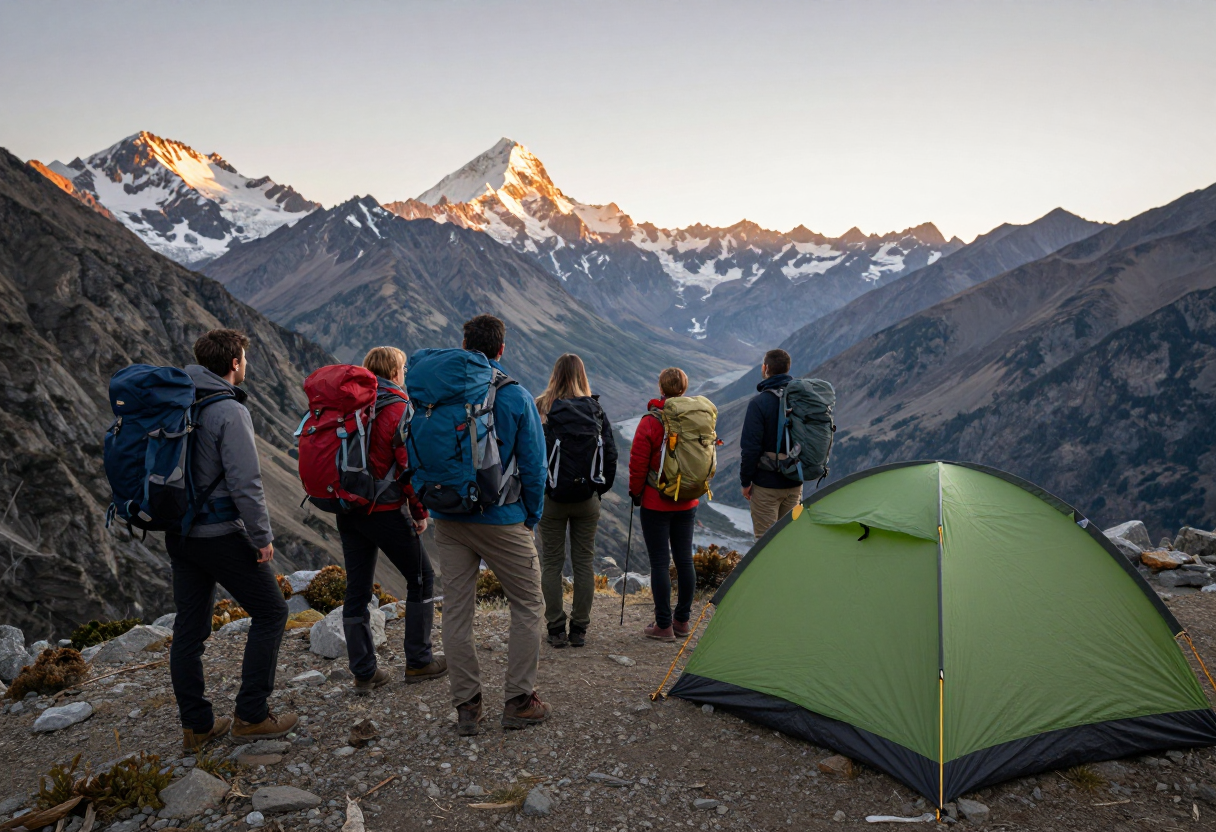
It's not about 'Minimum'; it’s about Compromise.
When you move from local hiking trails into multi-environment trekking—think high altitudes or crossing different climate zones in a single trip—the goal of "lightweight" packing changes. In the beginning, many people think the goal is to carry as little as possible. It isn't. The real goal is finding the right balance between weight, utility, and safety for that specific environment.
In my experience, every item you pack represents a trade-off. If you want to move faster over high-altitude passes, you might choose to carry less water or fewer snacks, accepting the risk of slower movement during rest periods. If you are heading into an area with extreme temperature swings, you accept the weight of extra layers to ensure safety against hypothermia. You aren't looking for a "minimum" weight; you are looking for the specific amount of gear that allows you to succeed in your objective without being weighed down by unnecessary items or dangerously under-equipped. It’s about making an informed choice on what you are willing to sacrifice.
The Logistical Shift: When Support Changes Your Loadout
One of the biggest shifts in mindset occurs when moving from a self-supported trek to one with logistical support, such as porters or pack animals common in high-altitude mountaineering. This changes the math entirely. When you have a support system, your "mandatory" gear list shrinks significantly because someone else is handling the heavy lifting of base camp supplies, extra fuel, or bulk food.
However, this shift requires even more discipline regarding what stays with you on your person. You can leave behind the "just in case" items that are usually required for remote wilderness travel—things like large stoves, heavy-duty shelters, or massive amounts of dry goods. But because you aren't carrying the bulk, your personal kit must be incredibly reliable and high-performing. When support is involved, your pack becomes a specialized kit for movement rather than a mobile home. You trade "redundancy" (carrying two ways to do something) for "efficiency," knowing that the logistics are handled behind the scenes so you can focus on the terrain ahead.
Where Beginners Fail: The 'Carry Everything' Mentality
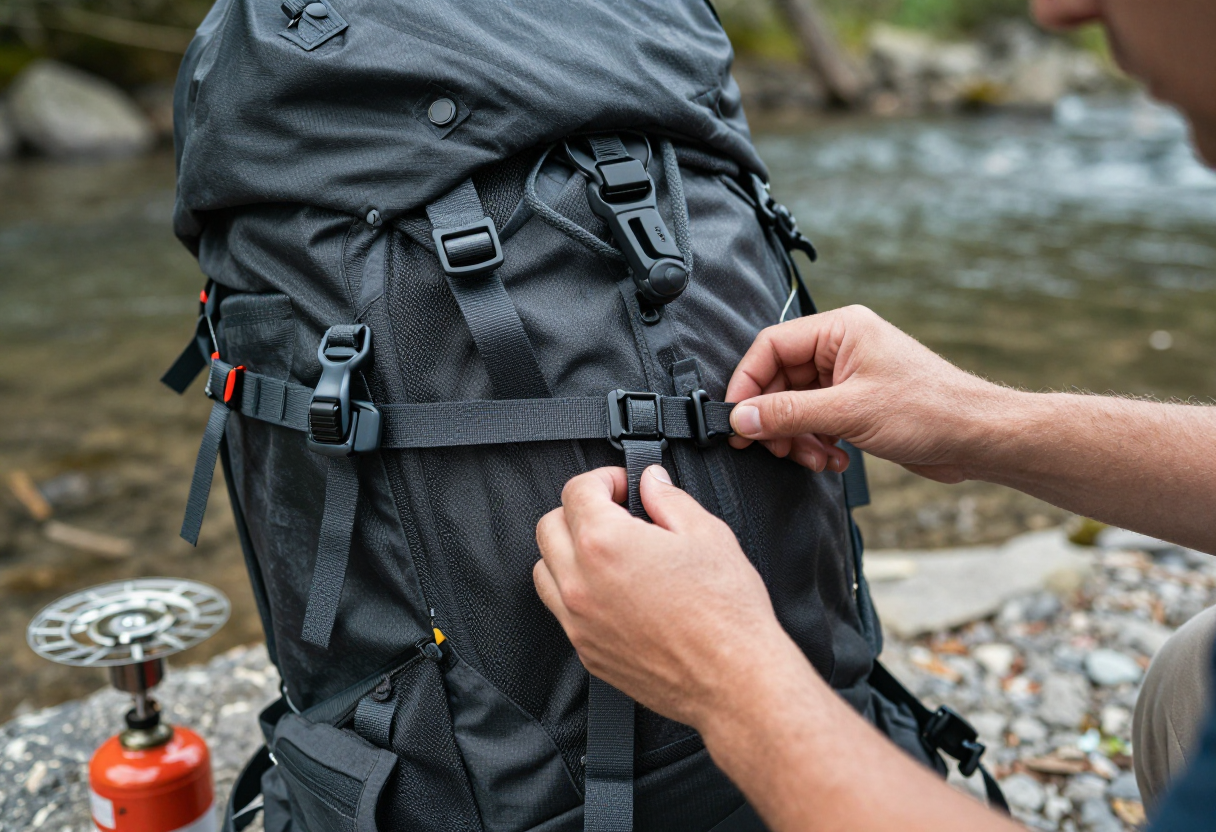
The most common mistake I see from people new to multi-environment trekking is trying to pack for every possible scenario simultaneously. They want to be prepared for a blizzard, a heatwave, and an emergency situation all at once, so they end up carrying gear for each one regardless of the actual forecast or itinerary. This "just in case" mentality leads to a heavy pack that causes premature fatigue and makes navigating difficult terrain much harder than it needs to be.
Field experience teaches you that if you are trying to prepare for everything at once, you'll likely end up exhausted before you reach your goal. You shouldn't carry an extra 10-pound parka just because there is a slight chance of snow in the evening if the forecast says clear skies. Instead, look at the specific conditions of each leg of your trip and pack only what is necessary for that segment. This requires confidence in your planning and your ability to read the environment—skills that are honed by trial and error over time rather than just reading a gear list online.
Mastering Multi-Environment Adaptation: The System Approach
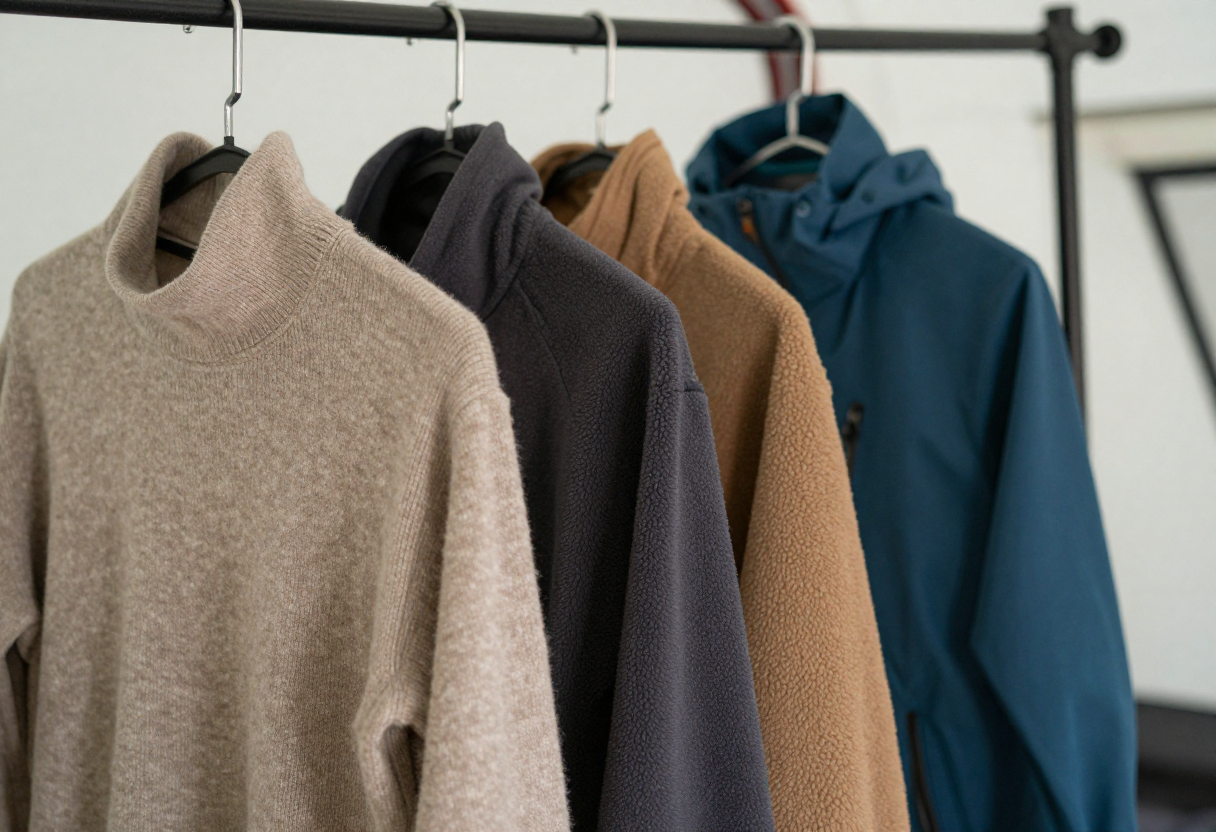
To handle rapid changes in temperature, altitude, and terrain without carrying a massive amount of weight, you have to think in systems rather than individual items. A "system" approach means your clothing is designed to be layered and modified quickly as conditions shift. Instead of one heavy jacket that serves all purposes, you use a base layer for moisture management, a mid-layer for insulation, and a shell to block wind and rain.
This logic applies to your core gear as well:
- Shelter: Use a tent designed for the specific environment (e.g., high-wind stability) rather than a generic lightweight model if you're in an alpine zone.
- Sleep System: A multi-rated sleeping bag or a quilt paired with a liner allows you to adjust your warmth level based on the night’s forecast.
- Cooking: Choose a reliable stove system that can handle different fuel types or high altitudes, rather than a "fast" stove that might fail when oxygen levels drop.
By using systems, you can adapt to whatever the environment throws at you without having to carry multiple versions of the same item just in case things change.
Gear Reliability and Maintenance Discipline
In remote or high-altitude environments, reliability is often more important than weight savings. There is a point where a "lightweight" piece of gear becomes a liability if it fails under pressure because it was engineered with too few margins for error. In my time in the military and working on search and rescue, I learned that a tool that works 100% of the time is worth more than a lighter tool that might fail when things get difficult.
Maintaining your gear is part of this discipline. This means:
- Stove Maintenance: Cleaning your burner and ensuring seals are intact before you leave.
- Fasteners and Knots: Ensuring your pack's buckles work and your rope knots are secure; these are basics that shouldn't be overlooked for the sake of "speed."
- Inspection: Checking your electronics, navigation tools, and emergency gear to ensure they are fully functional before you head out.
Don't trade reliability for a few ounces of weight savings. If a piece of equipment is essential for safety or basic needs—like your stove or your primary navigation tool—it should be the most dependable version available, regardless of how much it weighs.
Inspired by The Trek.
About the Author
David Rodgers is the founder and writer behind Country Trailhead — a Marine Corps infantry veteran, Civil Air Patrol colonel, and Eagle Scout based in Oklahoma, drawing on decades of field-tested hunting, fishing, camping, and hiking experience. Read more about David and Country Trailhead →