Keeping the Doors Open: How Funding Changes Affect NWRs
Federal funding changes are reshaping National Wildlife Refuges (NWRs). We break down the proposed initiatives and what this really means for access, habitat quality, and your day-to-day hunting or angling experience.
Written by David Rodgers — November 10, 2026
The Short Version: What’s Changing?
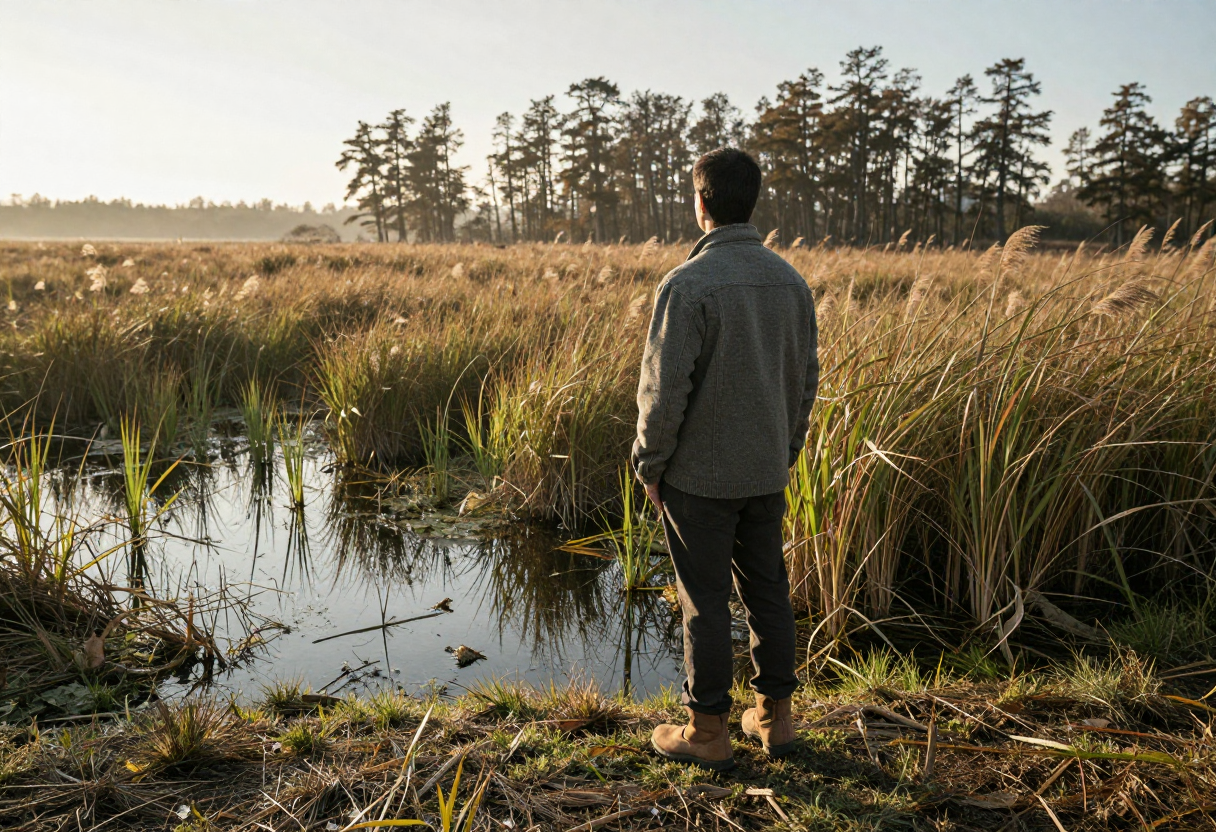
When you hear about federal funding shifts regarding National Wildlife Refuges (NWRs), it can sound like a lot of abstract political noise, but there is a very practical reality underneath. Essentially, the move toward reduced operational budgets means that the agencies responsible for managing these lands have fewer resources to work with. This isn't just about "less money" in a general sense; it specifically impacts what we call "active management."
In plain terms: if there is less funding, there are fewer people on the ground doing the day-to-day maintenance that keeps these areas accessible and safe for us. It means projects like trail repair, invasive species removal, and infrastructure upkeep—like fences or signage—might get pushed to the back burner. While the land remains public (or federally managed) property, the level of "service" provided by those agencies is being squeezed. This shift moves these areas from a state of active improvement toward a more "maintenance-only" or even a "passive" management style depending on which specific refuge you visit.
Rooted in Purpose: The Goals vs. The Grind
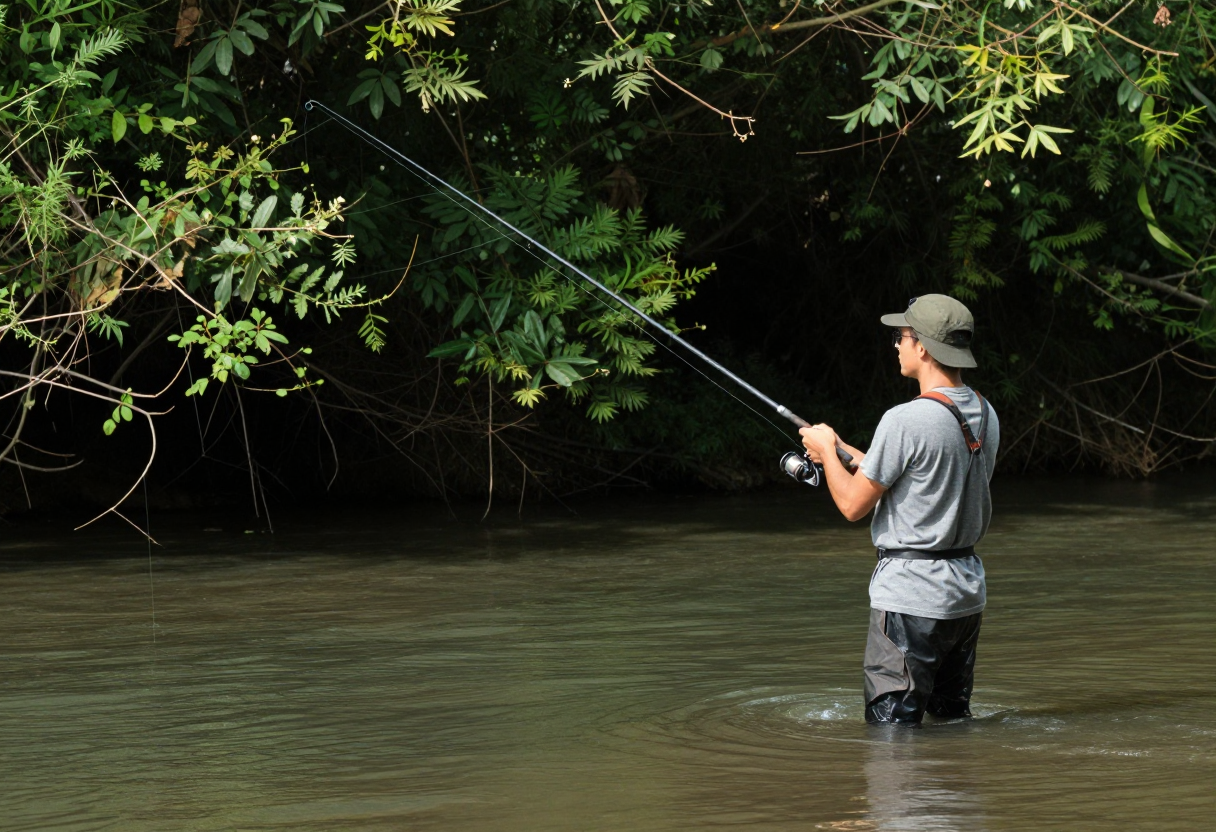
The official goal of our federal wildlife programs has always been conservation—protecting habitats, ensuring migratory paths stay open, and making sure the next generation can still see these animals in their natural environments. On paper, that’s a noble mission. But as someone who spent time in the Marine Corps and understands how logistics work on the ground, I know that goals without resources are just wishes.
The "grind" of conservation is messy. It requires constant, repetitive labor: clearing debris, monitoring water quality, managing public impact, and repairing what nature (and humans) break down over time. When funding is cut, those noble goals stay the same, but the ability to execute them becomes much harder. You might see a refuge that was once pristine start to show signs of wear because there wasn't a crew available to fix a washed-out culvert or manage an overgrowth of invasive brush. It’s a tradeoff between "protecting everything" and having enough gas in the tank to actually do it.
What This Means for You on Day One
I want to be clear about what this looks like when you're actually standing at the trailhead with your gear. On day one, these policy shifts might not look like a closed gate; they usually start as "invisible" changes in service and safety. Because staffing is often the first thing to get trimmed, you may notice fewer rangers on patrol or less frequent updates to posted information.
For an angler or a hunter, this means your self-reliance needs to be higher than ever. You can't always count on someone being there to give you the "latest" word on a specific pond’s condition or a trail's safety. It also means that if you see a piece of infrastructure—like a bridge or a sign—that is damaged, it might stay broken for much longer than it would have two years ago. You need to be more diligent about your own navigation and risk assessment because the "safety net" provided by active management is thinning out. Always double-check your maps and ensure you have the proper gear for self-sufficiency before heading into these areas.
Being a Responsible User (Not Just an Outdoor Enthusiast)
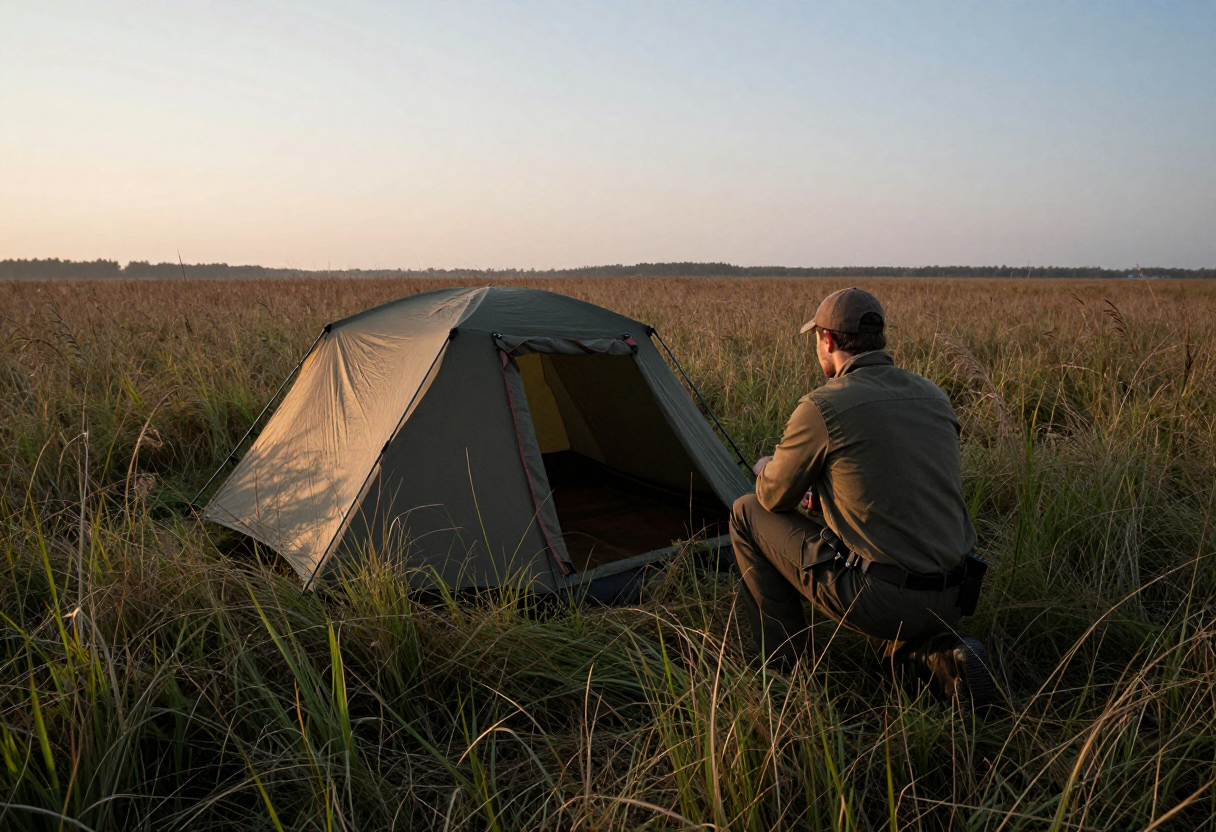
When budgets get tight, the burden of stewardship shifts more heavily onto us—the people who actually use the land. This is where we move from being "outdoor enthusiasts" to being responsible users. If the government has fewer resources to maintain these spaces, our personal discipline in the field becomes even more critical. It means practicing Leave No Trace principles with zero exceptions and ensuring that your presence doesn't contribute to the degradation of a site that is already struggling for upkeep.
Beyond what you do on the trail, being a responsible user also involves advocacy. If you value these refuges, it’s worth staying informed about how they are managed in your specific region. This includes supporting organizations that work on land conservation and participating in the public comment periods when new management plans are proposed. We have to be loud enough to ensure our voices are heard by those making the funding decisions. To get started with what matters most for your local area, I recommend visiting the State Resources page to find your specific state’s wildlife agency information and see how they manage their own lands and regulations near you.
Inspired by Outdoor Life.
About the Author
David Rodgers is the founder and writer behind Country Trailhead — a Marine Corps infantry veteran, Civil Air Patrol colonel, and Eagle Scout based in Oklahoma, drawing on decades of field-tested hunting, fishing, camping, and hiking experience. Read more about David and Country Trailhead →