Keeping Our Streams and Wetlands Safe: What You Need to Know.
Federal environmental policy changes are threatening vital wetlands and waterways. We break down what this means practically for anglers, hunters, and campers whose recreation depends on clean water.
Written by David Rodgers — September 11, 2026
What exactly are wetlands, anyway?
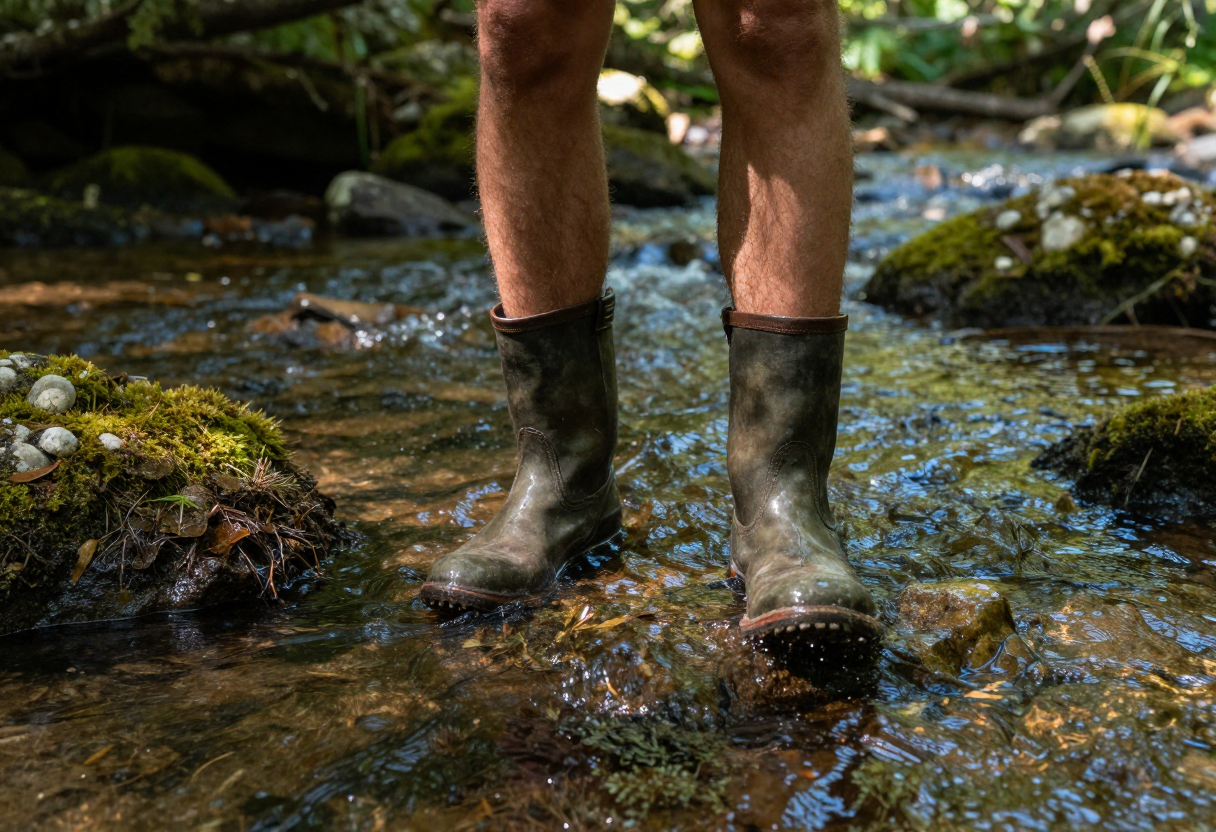
When people hear the word "wetland," they usually picture a swampyed marsh or some muddy patch of land that looks like it’s barely manageable underfoot. While those certainly count as wetlands, the term covers much more ground than just stagnant water and cattails. In my experience out in the field, I've come to see them as something closer to nature’s filtration system.
Think of a wetland as a sponge. It slows down moving water, allowing sediment—which is often full of pollutants or heavy minerals—to settle out before it hits our main rivers and lakes. They act as a natural buffer against floods and provide critical habitat for everything from frogs and insects to the fish we enjoy catching. If you have a healthy wetland upstream, your downstream fishing spot stays cleaner and more stable because that land is doing the "dirty work" of filtering the water before it reaches the main channel. It isn't just about preserving a specific type of scenery; it’s about maintaining the infrastructure that keeps our waterways functional.
The big picture: Why do we care if federal protections change?
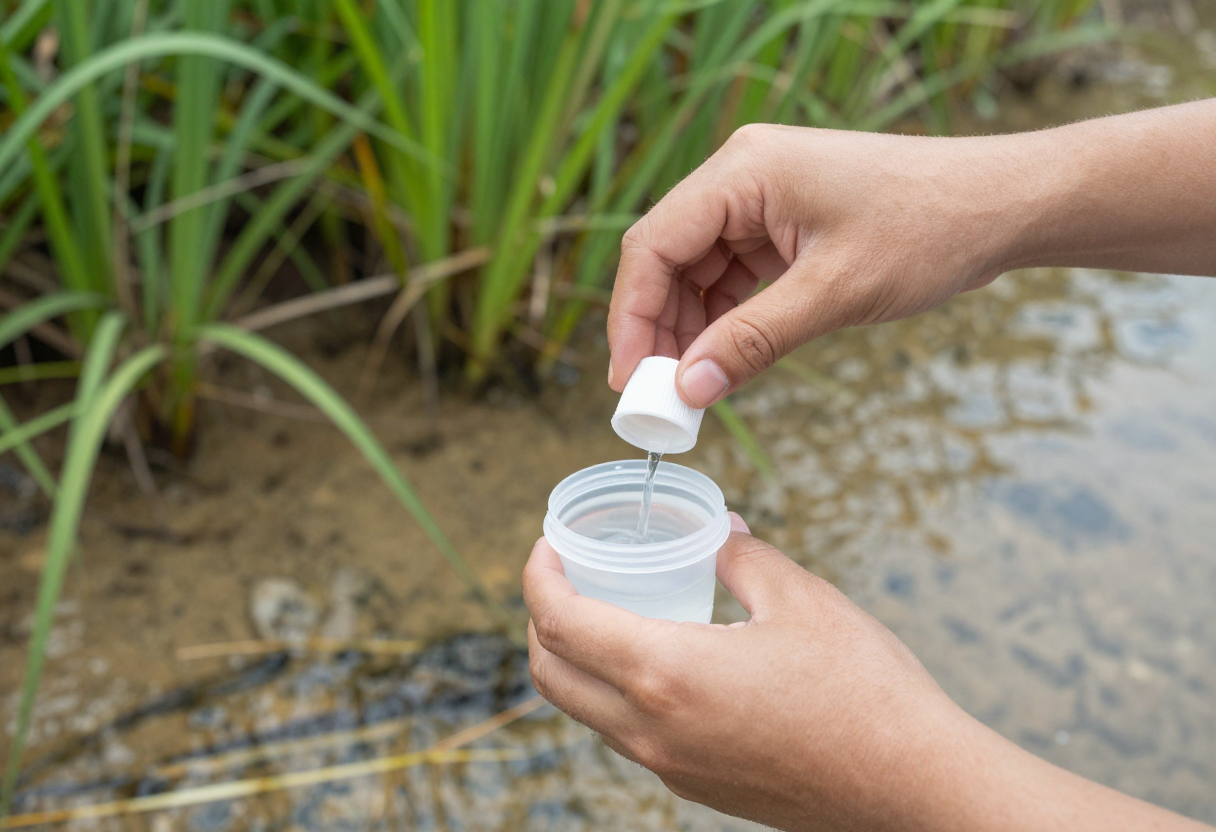
There has been some significant discussion regarding changes to how wetlands are protected under federal guidelines. To be clear, I don’t spend my days reading policy briefs or navigating legal jargon in D.C., but the core issue is straightforward enough for anyone who spends time on a riverbank. When these types of protections are weakened or removed, it often leads to easier development and less oversight on how land near water is managed.
For us as outdoorspeople, this isn't just an abstract political debate; it’s about what happens to the fish. If wetlands aren't protected, runoff from construction or agriculture can flow more freely into our streams. This means higher levels of silt and chemicals entering the water. Silt is a silent killer for many species because it smothers spawning beds and clogs the gills of smaller organisms that larger fish rely on for food. When we talk about losing "protection," what we are really talking about is the potential degradation of the very spots where we go to get away from it all.
It’s not just about 'big rivers.' Look at your backyard.
It is easy to feel disconnected from a federal policy debate, but the impact of land management shows up in our local neighborhoods every day. You don't have to live next to a major river system for these issues to matter. Even small creeks and drainage ditches play a role in the overall health of the watershed.
The reality is that regardless of what happens with federal rules, personal stewardship remains the most immediate way we protect our local spots. Whether it’s managing runoff on your own property or simply being mindful of how you interact with the land during a trip, our individual actions dictate the quality of the water for the next person who casts their line. A piece of trash left behind, a bank eroded by improper foot traffic, or waste that isn't disposed of correctly contributes to a cumulative decline in water quality. We shouldn’t wait for someone else to step in and fix things; we can start by being better stewards of the ground we stand on right now.
Keeping it simple: What can I do when I'm out there?
When you head out for a weekend at the creek or a trip into the backcountry, there are several practical steps you can take to ensure your presence doesn't negatively impact the water quality or the local ecosystem. These aren’t just "good ideas"—they are ways to keep these resources available for everyone who follows in our footsteps.
Practice proper waste disposal
Pack out everything you pack in. This includes food scraps, wrappers, and any waste from your camp. If you are using soap or other cleaning agents, ensure they are biodegradable and used well away from the actual water source.
Protect the banks
Erosion is a major issue for many small streams. When hiking or walking along the bank to reach a fishing hole, try to stay on established paths where possible. Walking right at the water's edge can break down the soil structure, making it easier for rain to wash dirt into the stream and ruin spawning grounds.
Respect local regulations
While I cannot give you specific rules because they change depending on your location, always check with your state’s wildlife agency regarding local requirements. They are the best source for information on what is permitted in any given area. You can find these details through our State Resources page if you need a starting point for your next trip.
Inspired by Outdoor Life.
About the Author
David Rodgers is the founder and writer behind Country Trailhead — a Marine Corps infantry veteran, Civil Air Patrol colonel, and Eagle Scout based in Oklahoma, drawing on decades of field-tested hunting, fishing, camping, and hiking experience. Read more about David and Country Trailhead →