Keep It Civil: How to Handle Conflict on the Trail
Sometimes the competition in a good spot gets heated. This issue talks about what happens when conflict over resources escalates—and why keeping your temper (and weapon) holstered is always the best move.
Written by David Rodgers — September 2, 2026
The Line Between Passion and Problem
We all know that feeling of finding that perfect spot—the one where the terrain opens up just right, or the water feels still enough to let you focus. For many of us, these moments are why we get out there in the first place. But sometimes, that passion can create a blind spot. When people feel like they are "protecting" their territory or defending their way of doing things, it is easy for emotions to flare up when someone else enters the frame.
I have seen how quickly a simple misunderstanding about a hunting boundary or a campsite choice can escalate into something much more serious. It doesn't take much—a few tense words and some high-strung body language can turn a shared outdoor experience into a confrontation. We want to enjoy our time outside, but that enjoyment depends entirely on everyone feeling safe. When the desire to "win" an argument or defend a piece of land overrides common sense, it creates problems for everyone involved. It’s important to recognize when your passion for the sport is starting to cloud your judgment regarding how you interact with others sharing the same public space.
Who Has the Final Say? Understanding Authority on Public Lands
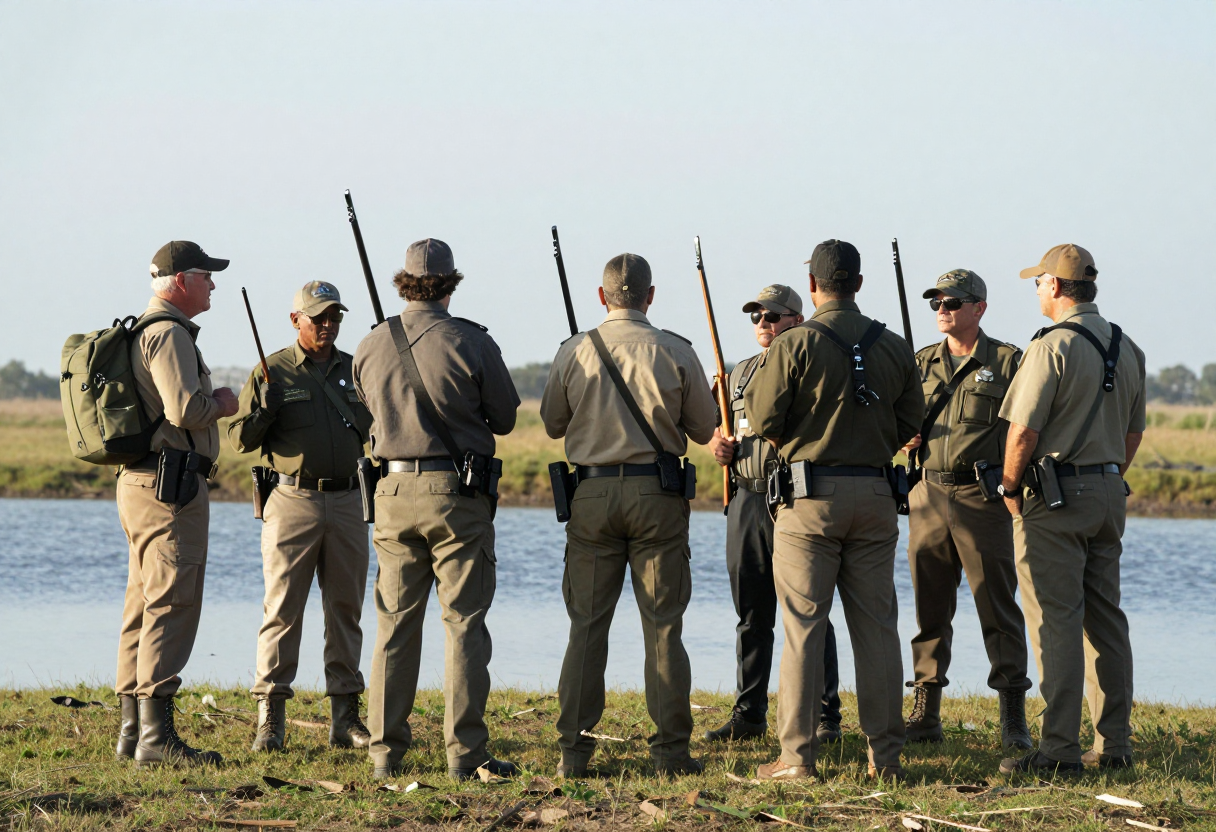
One thing I learned early in my time with the Civil Air Patrol and later in various outdoor roles is that not everyone on the trail has the same role. While we are out there for recreation, wildlife agents and law enforcement officers are there to manage the system that allows us to be outdoors in the first place. They aren't "the fun police"; they are the professionals tasked with balancing conservation, safety, and public access.
When things get complicated—whether it’s a dispute over rules, a question about local regulations, or an actual conflict between people—these officials have the final say. They are your primary resource for clarity. If you aren't sure what is allowed on a specific piece of land, don't guess and don't argue with another hunter to find out; go to the source. Respecting their authority isn't just about following rules; it’s about acknowledging that they hold the responsibility to keep these lands open for everyone. When in doubt, let them have the final word on how things are managed.
The De-Escalation Playbook: What to Do When Things Get Tense
If you find yourself in a situation where someone else is becoming aggressive or a disagreement over land use is starting to heat up, your primary goal should be de-escalation. In my experience, the most effective way to do this is by keeping your own conduct calm and predictable. This means maintaining a steady tone of voice—don't get louder just because the other person is.
Follow these practical steps if things start to sour:
- Maintain Distance: Give the other person physical space. Don’t stand "toe-to-toe" with someone who seems frustrated.
- Keep it Brief: You don't need to win an argument or explain your reasoning at length. A simple, "I'm just heading out now," is often enough.
- Walk Away: If the interaction isn't resolving quickly and the tone remains tense, simply end the conversation and move on.
Your objective is not to educate the other person or prove you are right about a specific spot; it is to lower the temperature of the moment so everyone can go back to enjoying their day safely.
Gear Check: Keeping Your Tools Ready (and Safe)
Part of being a responsible outdoorsman involves how we handle our equipment when it isn't actively in use. This includes firearms, archery gear, and heavy tools. A firearm should never be handled in a way that creates an unnecessary risk to yourself or others during a moment of frustration or interaction with another person. Whether your gear is properly holstered, unloaded and cased, or secured in a vehicle, it must be managed with discipline.
Furthermore, how you display or transport equipment can vary significantly depending on where you are standing. Some areas have specific rules regarding the visibility of firearms or other tools during transit between locations. Because these regulations change frequently based on local jurisdiction, I cannot give you a single rule that applies everywhere. You must check your state’s official resources page to ensure you are following the specific laws for your region. Keeping your gear organized and secured isn't just about personal safety; it ensures that your equipment doesn't become a point of contention or a legal liability in public spaces.
The Bottom Line: Enjoying the Outdoors Means Following the Rules
At the end of the day, we all want the same things: to find success on the hunt, land a trophy fish, or spend a quiet weekend under the stars. To keep these opportunities available for everyone—from the novice who just got their first license to the veteran who has been out here for decades—we have to prioritize safety and respect over our own personal preferences for any one specific spot.
Following the rules isn't about giving up your "right" to a location; it’s about upholding the ethics of the outdoor community. When we choose to be patient, follow state-mandated regulations, and treat our neighbors on the trail with basic courtesy, we protect the integrity of the sport. Our priority should always be the safety of ourselves and others, followed by respect for the land and those who manage it. If you find yourself unsure about any specific regulation or local requirement, visit your state's official resources page to get the facts straight before you head out.
Inspired by MeatEater.
About the Author
David Rodgers is the founder and writer behind Country Trailhead — a Marine Corps infantry veteran, Civil Air Patrol colonel, and Eagle Scout based in Oklahoma, drawing on decades of field-tested hunting, fishing, camping, and hiking experience. Read more about David and Country Trailhead →