Hunting Ethics Starts Before You Cross County Lines
We look at why adherence to state laws and ethical practices isn't just about avoiding trouble—it’s core to maintaining a lasting tradition. We use recent events as a reminder of how vital integrity is in big game hunting.
Written by David Rodgers — October 25, 2026
The Aiuppa Buck and the Idea of Integrity
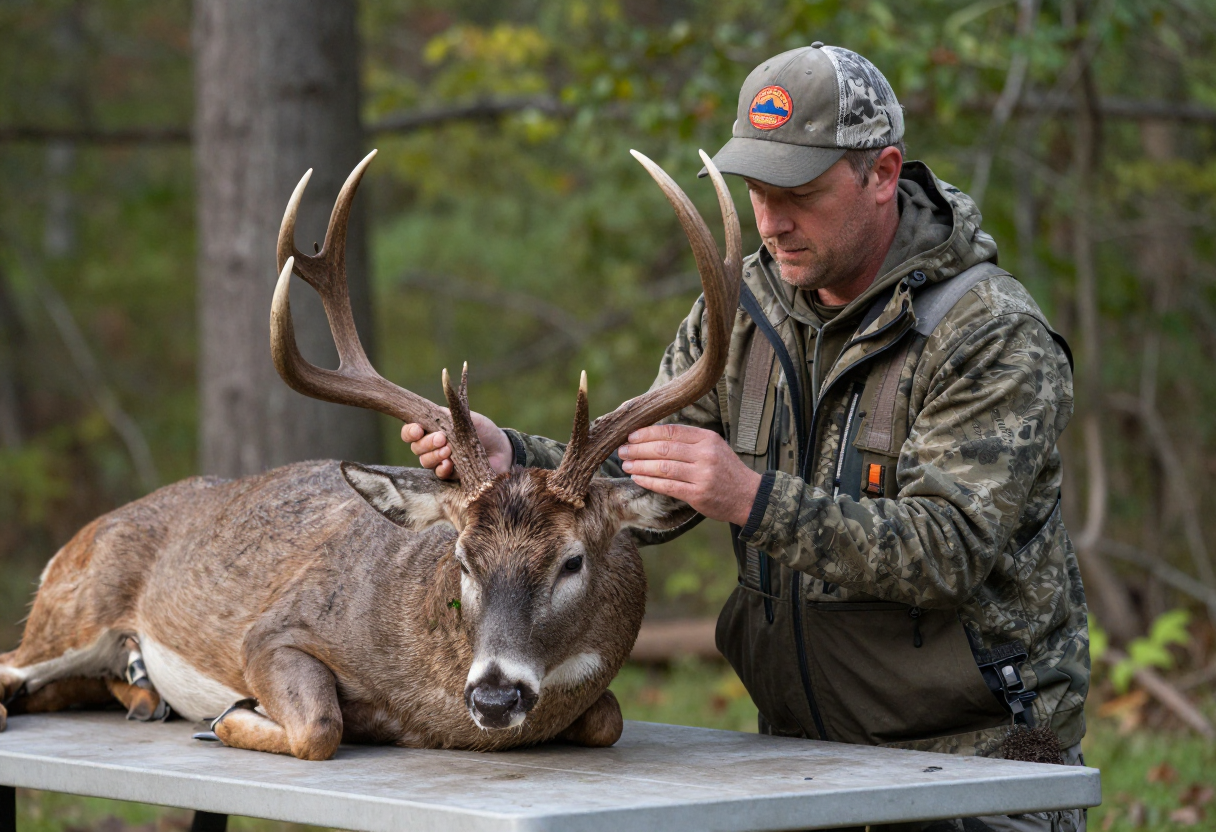
I’ve spent a lot of time thinking about what makes someone an "ethical" hunter, and it usually comes down to what happens when there is no one around to see you do it. You might have seen the headlines regarding the Aiuppa buck—a situation that sparked a lot of debate over where the line between a "lucky shot" and a violation of integrity lies. While I don't spend my time chasing trophies, those stories matter because they highlight a fundamental truth: hunting is a privilege granted by the public based on our ability to follow rules.
For me, integrity in the woods means that your actions should be consistent whether you’re under the watchful eye of a game warden or alone in a thicket at 5:00 AM. If you have to cut corners or "bend" a rule because an animal is particularly impressive, then the harvest isn't a success—it's a failure of character. Integrity means that your respect for the land and the wildlife remains constant regardless of how big the prize is. In my experience, once you start compromising on the small rules to get the "big" result, it’s only a matter of time before those compromises lead to real problems.
It's Not Just About Avoiding Trouble; It’s About Conservation and Record-Keeping
A lot of people think hunting regulations are just about keeping people from "overdoing it." While that is part of the equation, there is a much deeper level of stewardship involved in every permit issued and every season opened. When you hunt legally, you aren't just participating in a sport; you are participating in a massive, ongoing scientific study and conservation effort.
Population Management
State agencies use harvest data to determine if a species is thriving or struggling. If we don't follow the rules—like taking more than our allotted tags or hunting outside of specific zones—the data becomes useless, making it harder for biologists to manage those populations effectively.
Preventing Waste
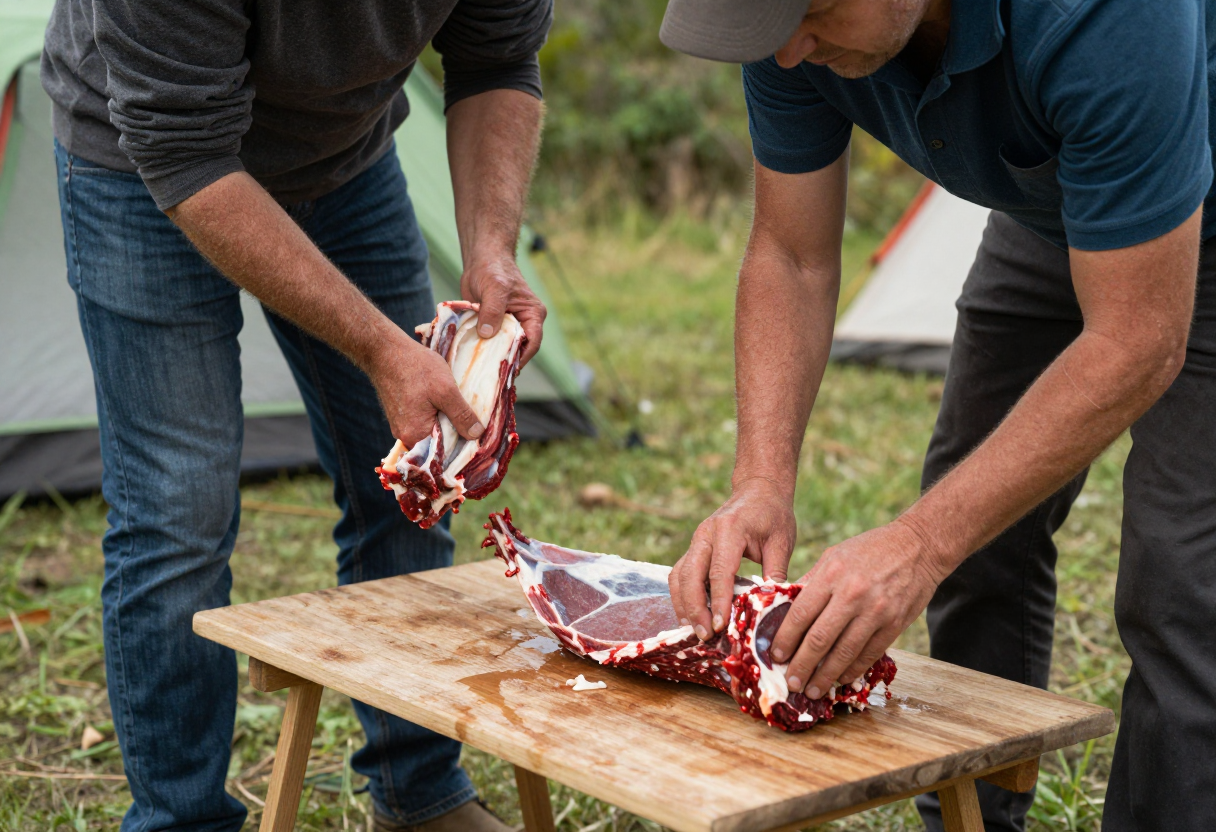
Regulations regarding "waste" aren't just about being tidy; they are about respecting the life of the animal. Every ounce of meat that goes to waste is a failure of our responsibility as hunters. When we follow proper harvest handling and reporting, we ensure that the resource remains sustainable for the next generation of hunters and hikers who want to enjoy these same landscapes.
The Three Pillars of Compliance: Permits, Seasons, and Waste Management
If you are just starting out, the sheer amount of "red tape" can feel overwhelming. However, mastering these three pillars is what separates a responsible hunter from someone who is just taking a risk with their license.
1. Verify Your Permits
Never assume your permit covers everything. Different counties or even specific land parcels may have overlapping requirements. You need to know exactly which tags you have and where they are valid before you ever put on your boots.
2. Understand Seasonal Restrictions
Seasons aren't just about when the animals are active; they are often timed based on migration patterns, breeding cycles, or habitat needs. Hunting out of season—even by a few hours—can result in heavy fines and a permanent ban from hunting in that state.
3. Proper Waste Management
Follow your state’s specific guidelines for what happens after the harvest. This includes how to properly cool meat, how much you are allowed to keep (bag limits), and how to dispose of remains if an animal cannot be processed immediately.
Because regulations change every single year and vary wildly from one state to the next, I cannot give you a definitive list of rules here. You must check your specific state's wildlife agency website for the current year’s requirements. For a centralized starting point, visit our State Resources page to find the official links for your area.
The Responsible Hunter Mindset: What Field Discipline Looks Like
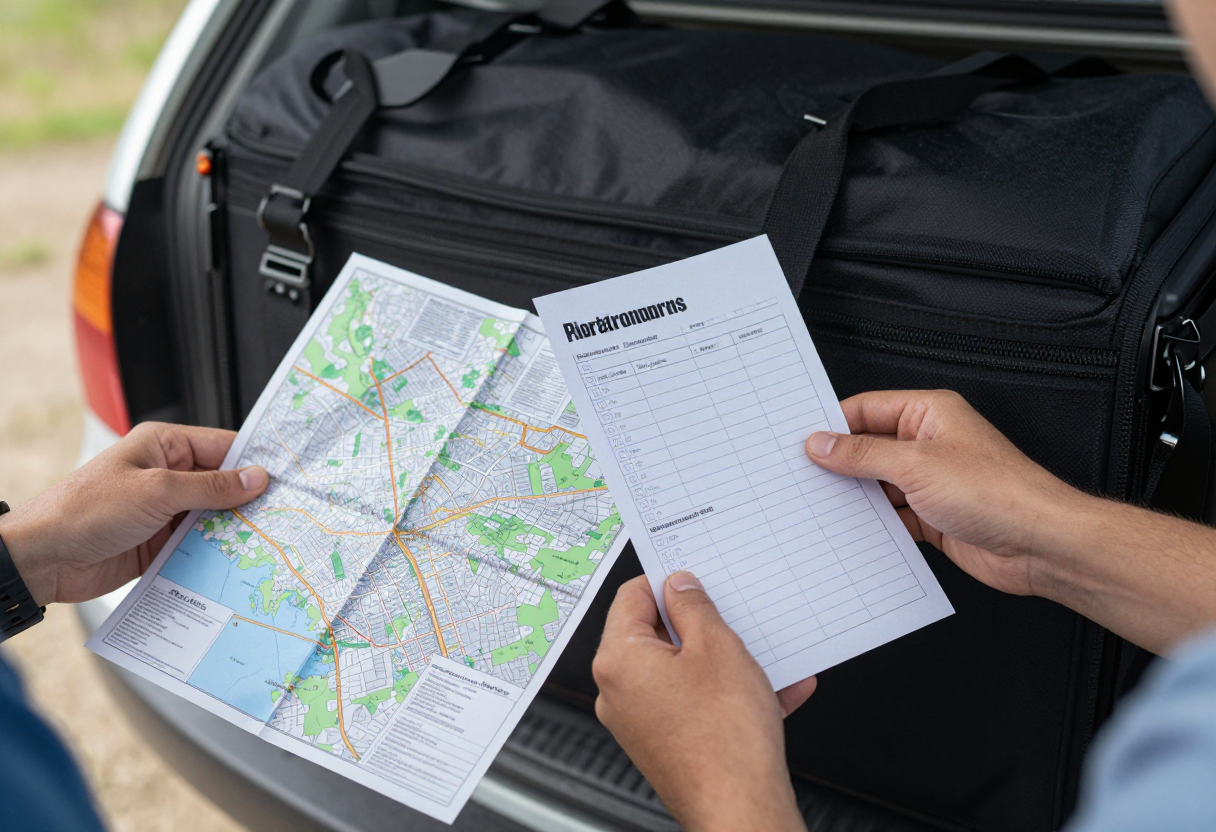
Ethics go beyond just "following the law." To me, true field discipline is about being prepared and having a deep respect for the environment you are entering. It’s one thing to have a permit in your pocket; it's another thing to understand the wildlife science that makes hunting possible.
A responsible hunter takes the time to learn local patterns—understanding how rut cycles affect movement, how recent weather events have shifted available water sources, or how habitat changes are influencing where animals bed down at night. This kind of knowledge isn't just for "better" hunting; it’s about being a competent and safe presence in the woods.
Respecting the Animal
From the moment you spot an animal to the moment you finish processing the meat, that animal deserves respect. That means having the right gear ready so you don't have to struggle with a harvest, knowing how to handle yourself safely in difficult terrain, and ensuring that your presence in the woods leaves as little of a footprint as possible. It’s about being a professional in the field—prepared for the worst-case scenario but always acting with the highest standard of conduct.
If you want to start building your own foundation of knowledge regarding local rules and requirements, head over to our State Resources page to find your state's official wildlife agency.
Inspired by MeatEater.
About the Author
David Rodgers is the founder and writer behind Country Trailhead — a Marine Corps infantry veteran, Civil Air Patrol colonel, and Eagle Scout based in Oklahoma, drawing on decades of field-tested hunting, fishing, camping, and hiking experience. Read more about David and Country Trailhead →