
How to Spot Planets and Meteors This October
You don't need a telescope or advanced knowledge of orbital mechanics to enjoy the night sky. This guide gives you actionable tips on location, gear, and timing to catch major celestial events this month.
Written by David Rodgers — October 17, 2026
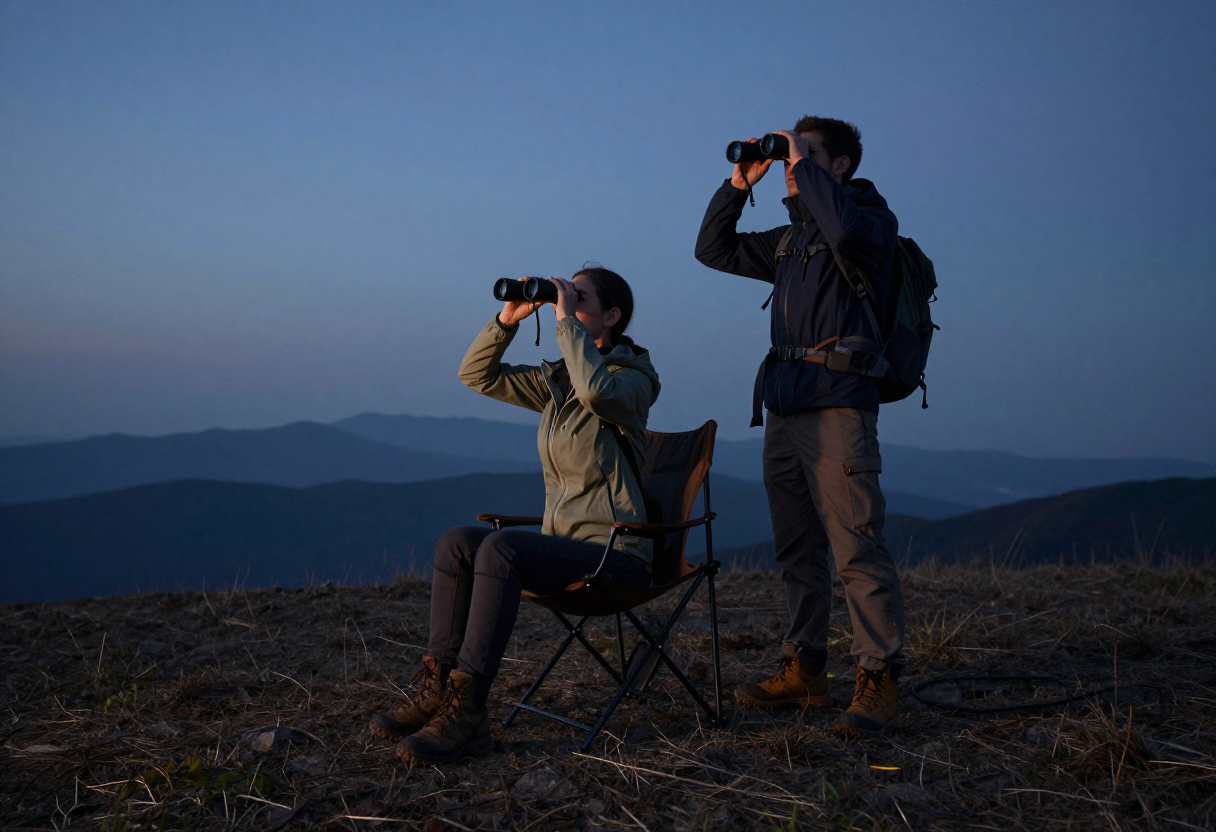
Don’t treat stargazing like a checklist.
When people think about stargazing, they often imagine themselves as some sort of amateur astronomer with a complex chart and a high-powered telescope. You don't need to be an expert to enjoy the night sky, and you certainly don't need to check off every constellation on a map before it "counts" as a successful trip. For me, the value isn't in identifying everything perfectly; it’s about the experience of sitting out under a wide sky after a long day of hiking or fishing.
I’ve seen many people get frustrated because they can’t find a specific nebula or star within five minutes using an app on their phones. They end up staring at the screen instead of looking up. If you want to enjoy this, start by just letting your eyes adjust and taking in the scale of it all. The goal is awareness—noticing how much bigger the universe is than our daily concerns. Don't let a "checklist" mentality ruin your time outside. Just look up, breathe the air, and appreciate what you can see without any tech at all.
Where you are matters more than what gear you buy.
In my experience with navigation and scout work, I’ve learned that environment often dictates success more than equipment does. If you try to stargaze from a backyard in a suburb or even a well-lit campground, your chances of seeing anything beyond the brightest planets are slim. Light pollution is the primary enemy here; it washes out the faint details of the cosmos. Finding a remote spot—even just a few miles away from major roads and residential lights—will do more for your view than a thousand-dollar telescope ever could.
Furthermore, managing your own light footprint is critical. One of the most common mistakes I see beginners make is using standard white-light flashlights or headlamps to navigate their campsite at night. Every time you click on a high-lumen white light, it takes your eyes several minutes to readjust to the darkness. If you want to stay in the "zone," use low-power red lights for everything from finding your water bottle to moving between chairs. You want to keep as much of that natural dark vision intact as possible while you're out there.
What's in the sky this month: Planets, meteors, and moon cycles.
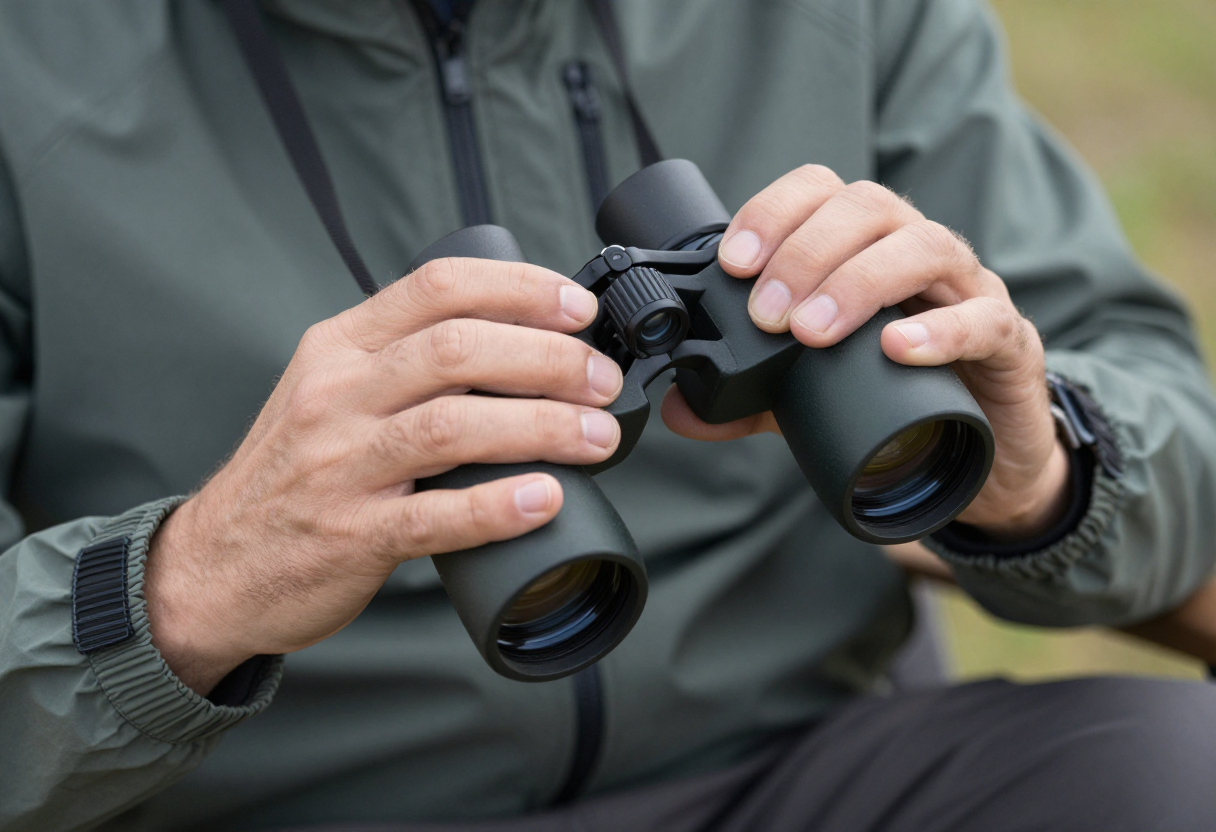
October offers a few specific highlights that are worth watching if the conditions allow. The Orionids is one of the most notable meteor showers of the season. These occur when Earth passes through debris left behind by the Halley’s Comet. They can produce several meteors per hour under dark skies, often appearing as quick streaks across the horizon. While they don't always happen in a single "burst," keeping an eye on the sky during these windows is rewarding for anyone who enjoys watching the mechanics of our solar system.
You will also likely see Saturn and Jupiter this month. These are much easier to spot than individual stars because they shine with a steady, constant light rather than twinkling. While you don't need a telescope to see them, their presence as "anchor points" in the sky makes it easier to orient yourself during your trip. However, keep an eye on the moon cycle. A full or near-full moon will significantly wash out the fainter stars and make meteor tracking much harder. When the moon is low or absent, that’s when you'll get the best view of the deeper reaches of space.
The rules for finding things in the dark.
Practicality is what keeps a trip safe and enjoyable. If you are heading out to find better views, treat it like any other backcountry excursion where safety comes first. When your eyes are adjusted to the dark, your depth perception changes significantly. If you’re moving around a campsite or hiking toward a viewpoint at night, use a red-lens headlamp to keep your surroundings visible without ruining your vision for stargazing. It's about maintaining situational awareness while still being able to look up and enjoy the show.
Preparation is also key. Don't wait until it’s pitch black to realize you need more layers or a chair. Set up your "station" before the sun goes down so you aren't constantly moving around with lights. If you are heading into remote areas for better views, ensure you have standard navigation tools and tell someone where you are going—standard procedure I learned in both the scouts and the service. For specific questions regarding local land access or park regulations for late-night stays, check your state’s official wildlife agency website to see what is permitted in your area.
Inspired by EarthSky.
About the Author
David Rodgers is the founder and writer behind Country Trailhead — a Marine Corps infantry veteran, Civil Air Patrol colonel, and Eagle Scout based in Oklahoma, drawing on decades of field-tested hunting, fishing, camping, and hiking experience. Read more about David and Country Trailhead →