
How to Rattle a Buck Using Science-Backed Tactics
We dive into what wildlife studies suggest about optimizing your approach during peak rutting activity—from the best time of day to how much noise is too much.
Written by David Rodgers — September 22, 2026
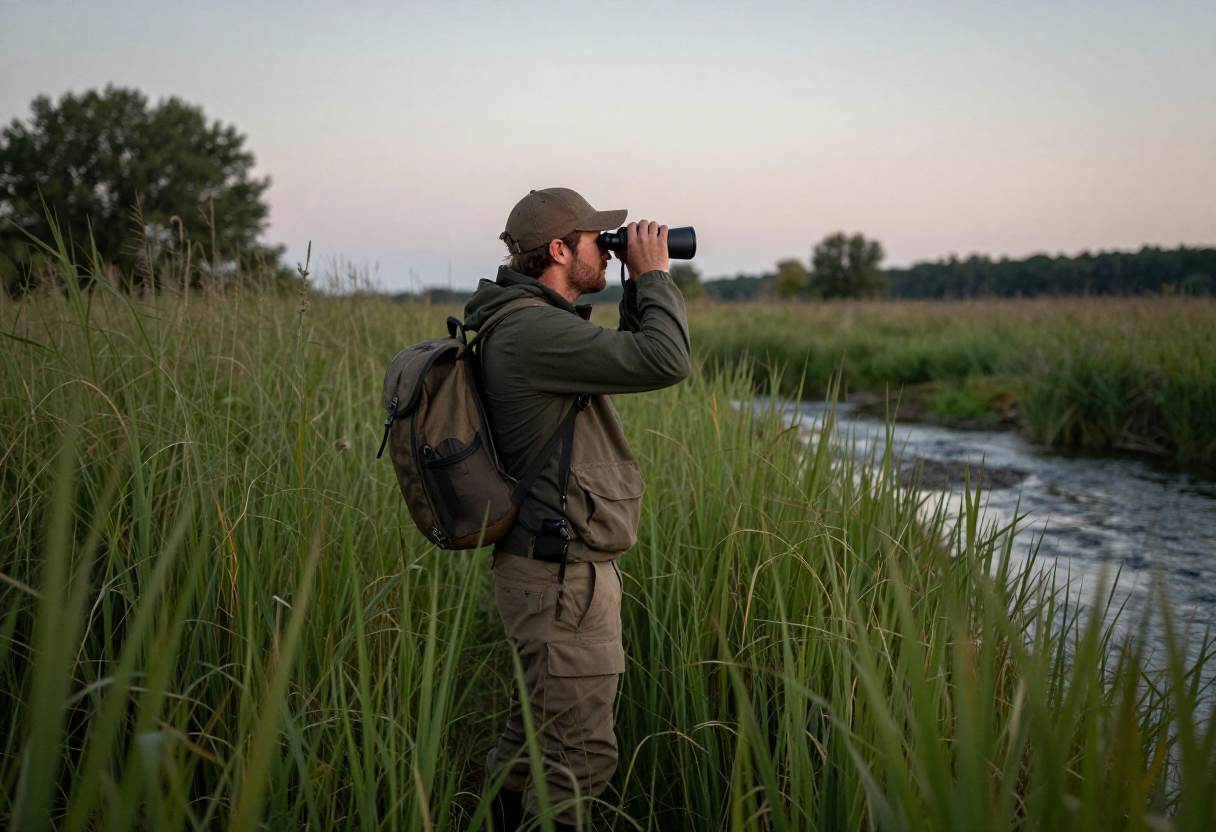
Getting Started: What 'Rattling' Actually Means Out Here
Before you head into the woods with a rattle in your pocket, we need to get clear on what this tactic actually does. In the context of the rut, "rattling" isn't just making noise for the sake of it; it’s about simulating the chaos of a buck fight. During the peak of the breeding season, whitetail bucks are driven by hormones and aggression. They aren't looking for peace and quiet; they are searching for rivals to challenge.
When you use a rattle—whether it's a physical device or just some strategically placed noise—you are trying to pique that interest. You’re creating an auditory "hook" that suggests another buck is nearby, engaging in the high-stakes business of the rut. However, I want to be clear: rattling isn't a magic wand. It won’t make a deer appear out of thin air if they can smell you or see you moving. Think of it as an invitation. If the conditions are right, it draws them in; if they aren't, it does nothing at all. Success here depends on your ability to provide just enough interest to move a buck toward your position without alerting him that there’s a human involved.
The Science of the Bait: Timing and Location
Hunting isn't about guessing; it's about understanding why certain behaviors happen in specific places. Research into deer behavior shows that rut activity peaks during transitional periods—specifically dawn and dusk—when the temperature shifts and the woods begin to settle. These are your primary windows for using a rattle because they coincide with when bucks are most active and moving through their home ranges.
Location is just as critical as timing. You want to position yourself where "physics" works in your favor. This means staying strictly downwind of expected travel corridors. If the wind is blowing from you toward the deer, no amount of rattling will help; they'll catch your scent before they ever hear the noise.
Key Environmental Factors
- Wind Direction: Always ensure the wind is blowing toward you or across your line of sight, never toward the buck’s path.
- Topography: Use "pinch points" like narrow creek bottoms or thick timber edges where deer feel safe but have limited options for movement.
- Weather Patterns: Cold fronts often trigger increased activity, as bucks move more aggressively to find mates in cooler temperatures.
Noise vs. Quiet: Finding the Right Volume
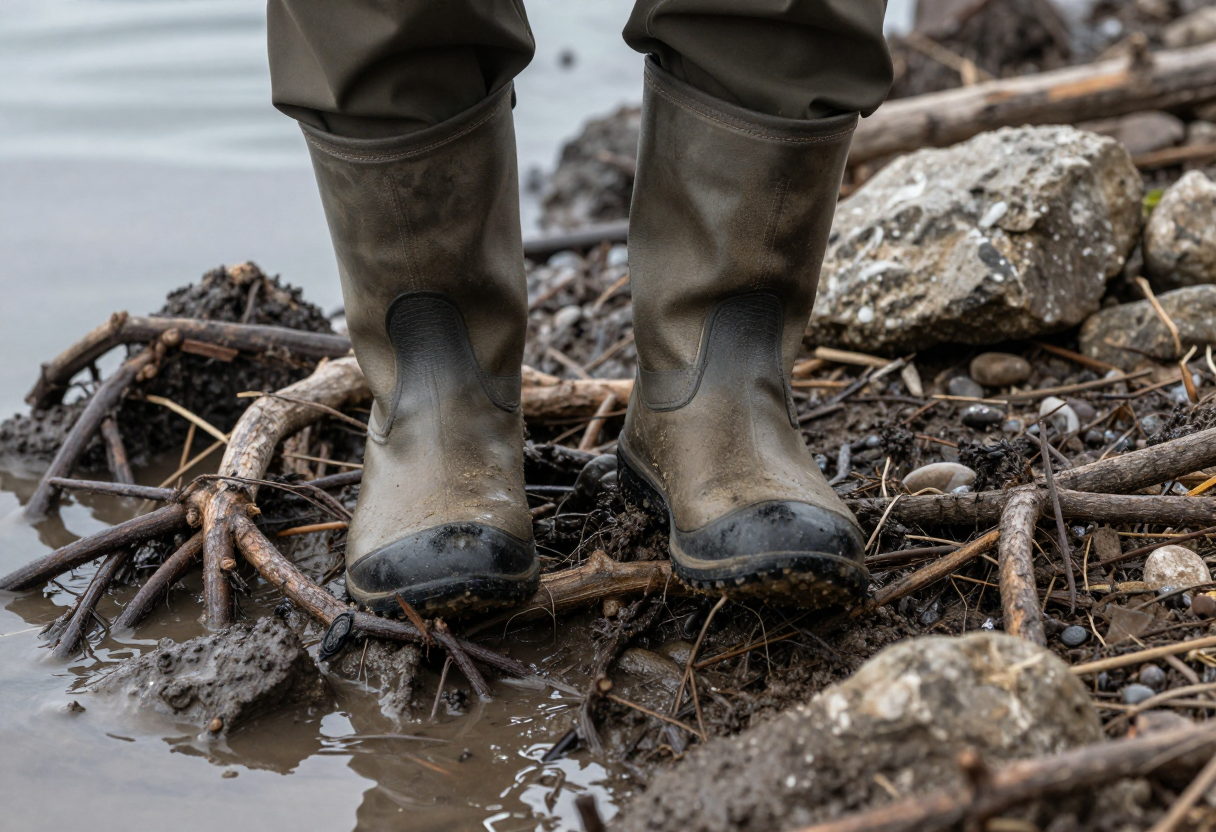
One of the biggest mistakes I see from folks starting out is treating a rattle like a constant siren. There is a delicate balance between "attracting" and "alerting." If you are making noise constantly, it becomes background noise—the deer will eventually ignore it or, worse, become spooked by the lack of variation.
Think of rattling as a tool to be used in phases. When a buck is far away, a well-timed rattle can act as an "attractor," giving him something to move toward during his patrol. However, as he gets closer—typically within 100 yards—you need to transition into a different mindset. At that point, the goal shifts from attraction to stealth. If you are too loud when he is close, you risk spooking him and causing him to "blow" (bolt). You want enough noise to pique his curiosity from a distance, but not so much that it creates a sense of urgency or alarm in his immediate vicinity. It's about using the right amount of volume at the right time in the hunt.
Execution: The Best Approach on Game Day
Success in the field comes down to preparation and controlled movement. You shouldn't be "hunting" for a buck while you are rattling; you should have already positioned yourself where he is likely to come to you.
Follow these steps to manage your position effectively:
- Pre-positioning: Get into your stand or designated area well before the crack of dawn. You want to be settled and invisible long before any deer enter your zone.
- The "Burst" Method: Instead of constant rattling, use short bursts of noise every 10–15 minutes (or longer depending on how quickly he is moving). This creates a sense of "activity" that can keep a buck's interest piqued as he travels through your area.
- Slow Movement: If you must move between locations or adjust your position, do so with extreme deliberation. One snapped twig while you are trying to be stealthy will undo hours of work.
- The Transition: Once a buck is within your "kill zone" (usually under 50 yards), stop the rattling entirely. At this point, your primary job is to remain as still and silent as possible until he is in range.
A Word on Safety and Ethics Before You Go
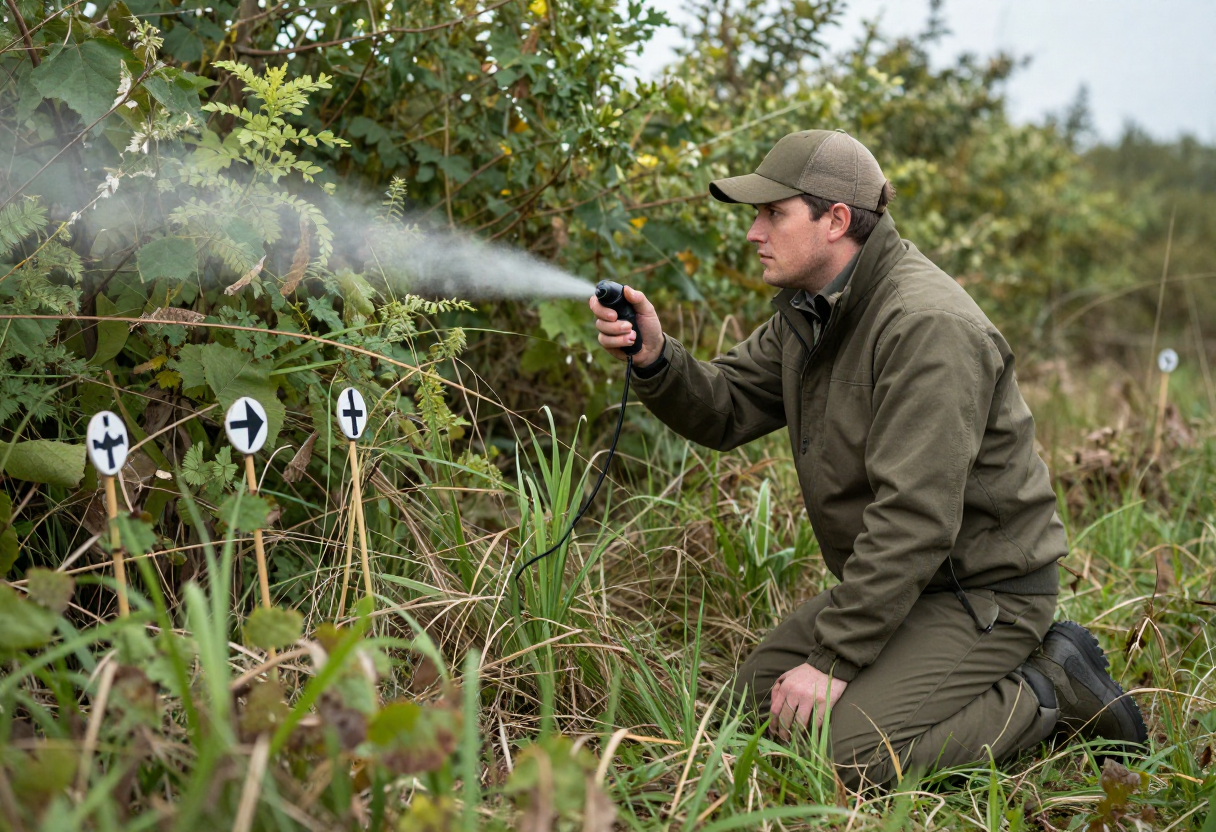
Before you head out into the woods with any equipment—be it a rattle or a firearm—you need to have a clear headspace regarding safety and responsibility. My time in the Marine Corps taught me that discipline isn't just about following orders; it's about maintaining awareness of your surroundings at all times. When you are hunting, especially during the high-intensity rut, things can move quickly.
Safety Essentials
- Muzzle Discipline: Always keep your firearm pointed in a safe direction and be fully aware of your backstop. A buck’s movement on the rut can be unpredictable; ensure your surroundings are clear before you ever chamber a round.
- Situational Awareness: Be mindful of other hunters, hikers, or property lines. The woods aren't just yours during hunting season.
Regarding specific rules, regulations regarding hunting seasons, license requirements, and bag limits vary significantly by state and local jurisdiction. I cannot provide specific legal advice for your area; you must consult your state’s official wildlife agency to ensure you are in full compliance with all local laws before heading into the field.
Inspired by Outdoor Life.
About the Author
David Rodgers is the founder and writer behind Country Trailhead — a Marine Corps infantry veteran, Civil Air Patrol colonel, and Eagle Scout based in Oklahoma, drawing on decades of field-tested hunting, fishing, camping, and hiking experience. Read more about David and Country Trailhead →