
How to Plan a Multi-Biome Thru-Hike (The GCR Model)
When you combine established trails with technical passes and national park traverses, the planning shifts from hiking to military logistics. This issue breaks down how experienced hikers approach mega-loop challenges like The Great Colorado Route.
Written by David Rodgers — October 15, 2026
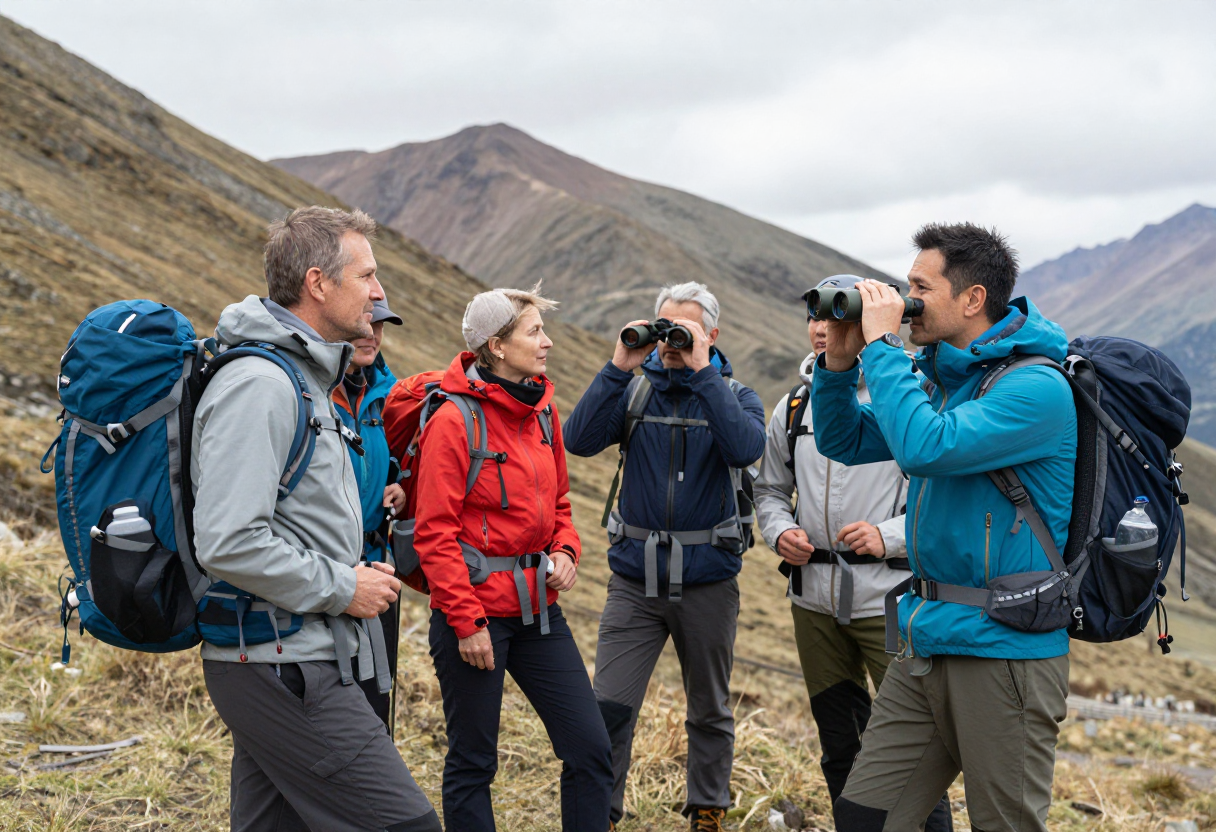
The Scale Problem: Why Mega Loops Are Different From Standard Treks
When you move from a weekend loop in a local state park to a multi-biome "mega-loop," the stakes change significantly. On a short hike, an error—like taking a wrong turn or running low on water—is an inconvenience that can be fixed by turning around and heading back to your truck. On a massive, self-designed route crossing multiple ecosystems, those same mistakes become compounding risks.
The primary difference is the concept of cumulative risk. When you are deep into a multi-day trek across varied terrain, every small error in navigation or resource management adds weight to your situation. If you miscalculate your pace on day three and find yourself short on calories by nightfall, that's one thing. If you do that while also being miles away from a trailhead with no clear line of sight for communication, it becomes a logistical failure. You have to plan for the "worst-case" scenario at every transition point because your ability to simply "go back" is removed. In these environments, your margin for error shrinks as the distance from safety increases.
Logistics First: Planning for Multi-Biome Stressors and Resupply Points
Before you ever put on a pack, you have to map out how you will survive the transition between different climates and terrains. A multi-biome hike means you might start in a dry, high-heat valley and end in a damp, high-altitude forest. You cannot carry enough gear to handle every possible extreme at once without over-encumbering yourself, so you must prioritize based on your specific route's data.
Key Logistics Factors:
- Food Storage: Different regions have different wildlife. What works for bear safety in a national forest might not be sufficient or appropriate in other areas. Always check local requirements.
- Climate Gear: Instead of carrying "just in case" items, identify the specific zones where you need extra layers or specialized protection from wind and moisture.
- Resupply Strategy: You cannot carry enough food for a massive loop on your back alone without sacrificing water capacity. Identify reliable resupply points—established trailheads, ranger stations, or pre-arranged drop points—well in advance.
Because regulations regarding land use and wildlife management vary wildly by region, always consult your state’s official wildlife agency to ensure your storage methods and backcountry plans meet local requirements.
The Technical Skills Gap: When the Trail Ends and Scrambling Begins
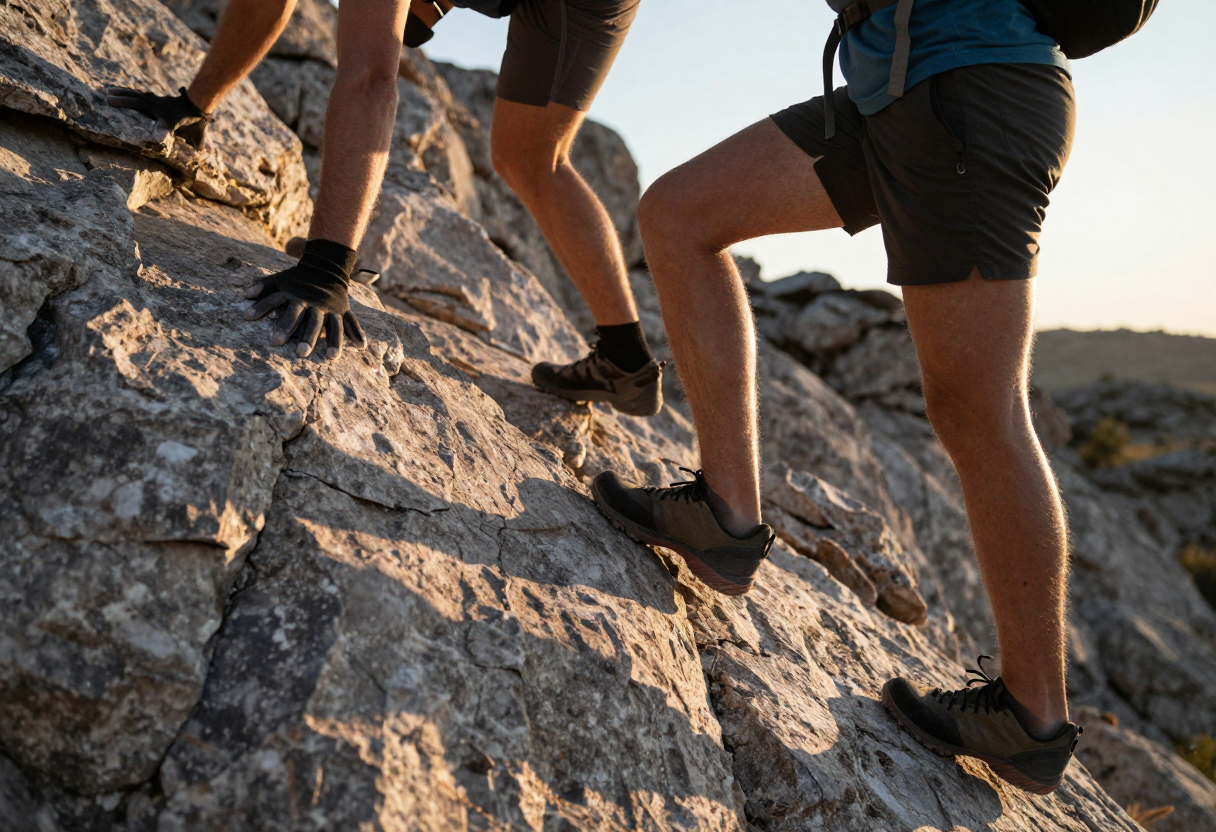
The biggest trap for beginners attempting these large-scale routes is assuming that "off-trail" means "easy." In many cases, it's the opposite. As you move away from maintained paths into undeveloped sections, your reliance on basic navigation and physical movement techniques must increase exponentially.
When a trail disappears or becomes impassable due to washouts or heavy brush, you are no longer just hiking; you are navigating and scrambling. You need to be comfortable with:
- Map and Compass Navigation: GPS is a tool, but it can fail. You must know how to orient your position on a physical map when the terrain gets confusing.
- Terrain Assessment: Learning to read the ground—identifying stable footing versus loose scree or muddy bogs.
- Movement Techniques: Using basic mountaineering skills for steep sections, like using poles correctly and choosing efficient lines through rocky terrain.
| Skill Type | On-Trail (Standard) | Off-Trail/Scrambling (Advanced) |
|---|---|---|
| Navigation | Following blazes/markers | Map & Compass / Waypoint navigation |
| Movement | Consistent pace on flat ground | Route finding through brush and rocks |
| Water Crossings | Bridged or shallow streams | Assessing depth, current, and footing |
Risk Management in Extreme Environments: Beyond First Aid
Risk management isn't just about knowing how to treat a blister; it’s about the high-level judgment calls you make when things go wrong. In an expansive loop, this means mastering "pre-flight" checks on your environment before you even leave your front door.
One of the most critical skills is weather judgment. This isn't just looking at a phone app; it’s about understanding how local conditions—like wind patterns in a canyon or cloud build-ups over peaks—affect your safety window. Another major factor is altitude. If your route gains significant elevation, you must be aware of the signs of altitude sickness and have a protocol for when to descend. Finally, there is the management of physical and mental fatigue. Over several days, small pains can turn into real injuries if you don't pace yourself correctly. You need to know how to identify "red zone" exhaustion where your decision-making starts to slip. For specific safety protocols regarding fire, water, or wildlife in your area, always consult your state’s official resources page.
The Mental Game: Sustaining Effort When the Trail Gets Boring (or Worse)
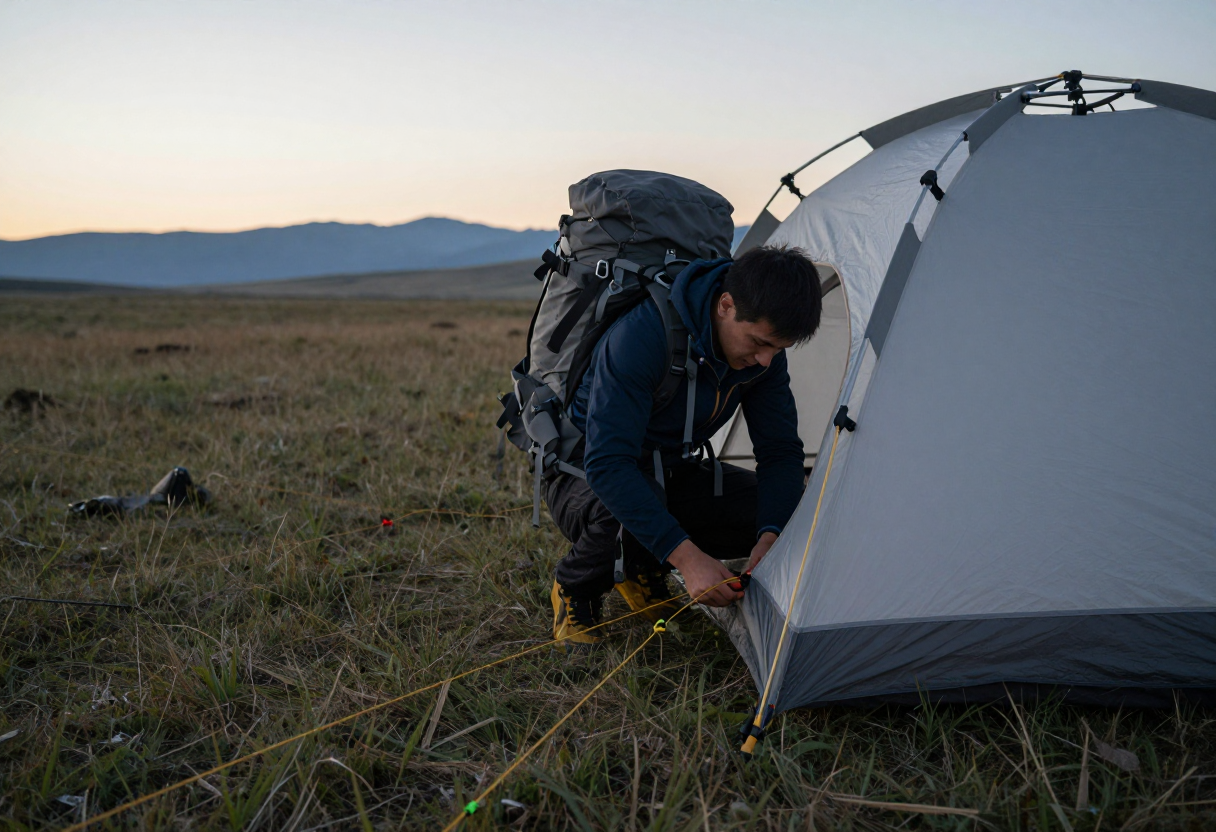
The hardest part of a long trek isn't usually a single steep hill; it’s the monotony that sets in during those middle miles where nothing seems to change. This is where many people lose their focus and make mistakes. To finish what you start, you need a strategy for mental endurance.
Break your day into smaller segments—not just "miles left," but "getting to that next creek" or "making it to the next ridge." This keeps your brain engaged on immediate goals rather than the daunting total of the entire loop. You also have to prepare for disappointment. A planned pass might be blocked, a storm might force you into an unplanned camp, or a stretch of trail might be more grueling than expected. When these things happen, it’s easy to let frustration cloud your judgment. Staying calm and sticking to your core plan—moving forward at a sustainable pace—is what separates those who finish the loop from those who have to turn back early.
To get started on planning your own multi-biome route, check out our State Resources page or use one of our Gear Finder Wizards to tailor your kit for varied terrain.
Inspired by The Trek.
About the Author
David Rodgers is the founder and writer behind Country Trailhead — a Marine Corps infantry veteran, Civil Air Patrol colonel, and Eagle Scout based in Oklahoma, drawing on decades of field-tested hunting, fishing, camping, and hiking experience. Read more about David and Country Trailhead →