
How to Join Search and Rescue (SAR) in Your Area
Being ready to help is vital, but knowing how to start the process—and what skills you actually need—can feel overwhelming. This guide breaks down the commitment and the steps required to join a local SAR team.
Written by David Rodgers — September 7, 2026
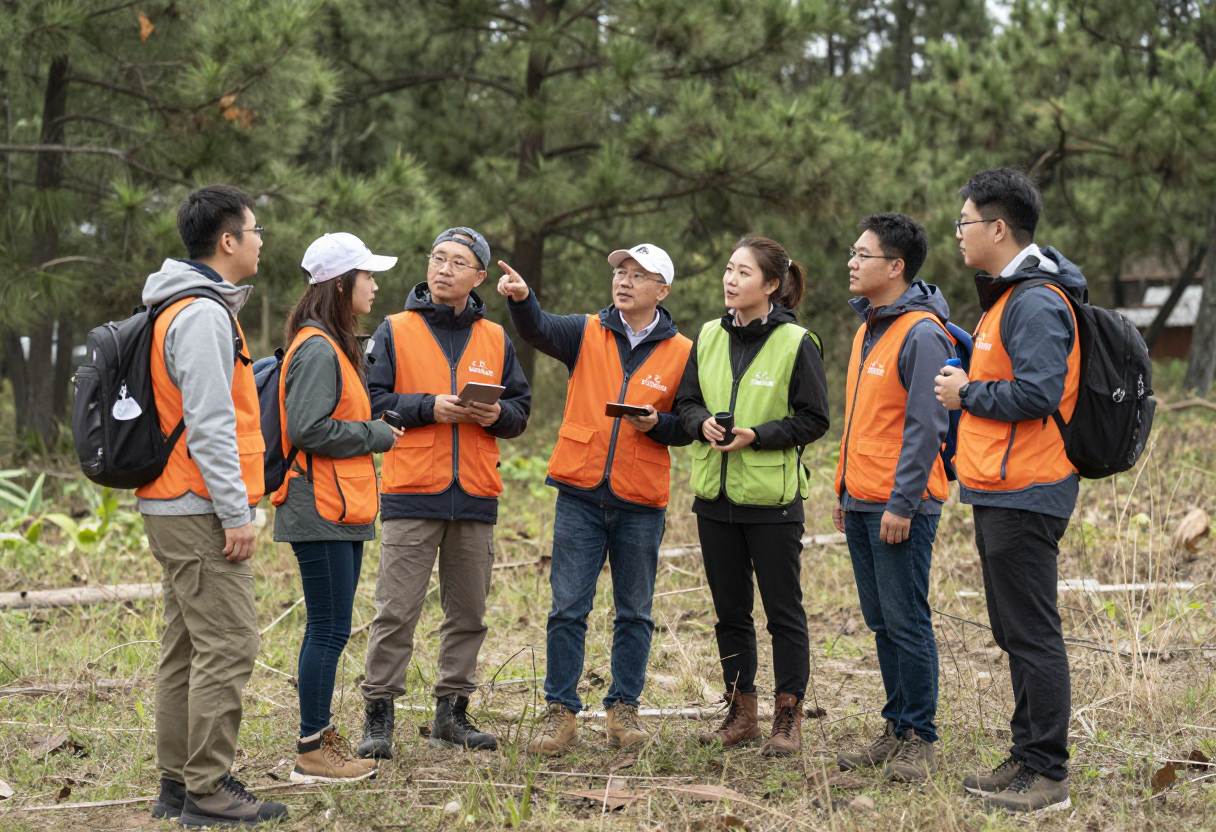
The truth about SAR: Why we need volunteers now
There is a common misconception that Search and Rescue (SAR) is something only the state police or specialized mountain rescue teams handle. While those agencies are the backbone of emergency response, the reality on the ground is different. As more people head into the backcountry—whether they are hiking, hunting, or fishing—the sheer volume of calls for assistance has increased significantly. Local law enforcement and forest rangers are often stretched thin, pulled in multiple directions by everything from traffic accidents to missing persons reports.
When a hiker goes off-trail or a hunter gets injured in remote terrain, the response time is critical. This is where volunteer organizations step in. These aren't just hobbyists; they are organized teams that provide the "boots on the ground" necessary to conduct grid searches, establish base camps, and navigate difficult terrain while professional first responders manage the broader scene. We need more people willing to step up because the outdoor population is growing faster than the budget for public safety resources can keep pace with. Every volunteer who knows how to read a map or provide basic first aid makes the system more resilient.
It's not just for Navy SEALs (What skills actually matter)
One of the biggest hurdles I see people face when considering SAR is the "superhero" myth. You don’t need to be an elite athlete or have spent years in special forces to be a valuable member of a search team. While high-level expertise is great, what truly saves lives in the field are the fundamentals that many outdoorspeople already possess or can learn relatively quickly.
When you join a local team, they aren't looking for people who can perform complex medical surgeries in the middle of a blizzard; they want people who can do the basics reliably under pressure:
- Navigation: Knowing how to use a compass and GPS, and understanding how to read topographical maps without getting turned around.
- Communication: Understanding radio protocols and how to relay clear information about locations and conditions.
- First Aid: Having a solid grasp of wilderness first aid (WFA) to stabilize someone until professional help can arrive.
- Teamwork: The ability to follow a plan, stay calm when things get frustrating, and look out for your partners.
If you are the type of person who takes their gear seriously and knows how to navigate a trail in poor weather, you already have more "SAR DNA" than most people realize.
The path to joining: Where do you start?
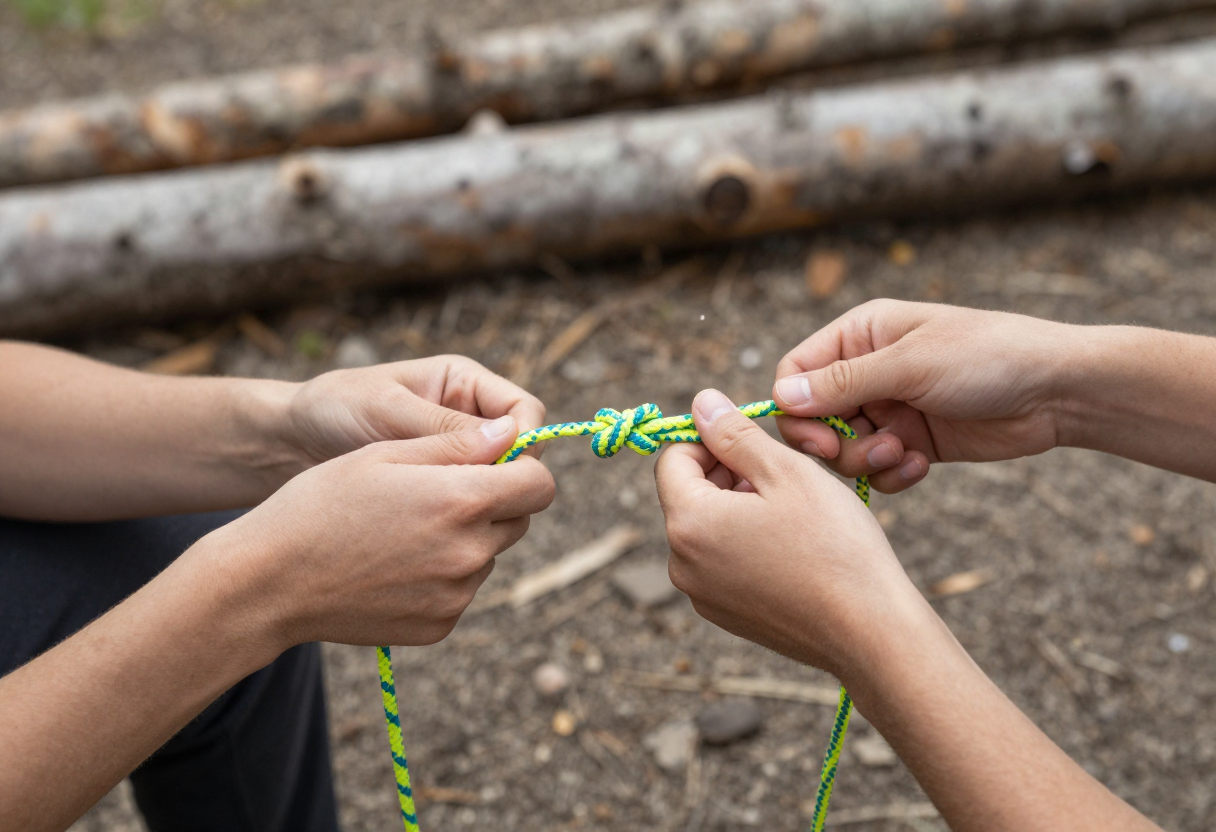
Getting started doesn't happen overnight, but it is a manageable process if you take it one step at a time. You don't need to jump straight into the deep end; there is usually a pipeline for newcomers to get their bearings and certifications in order before they are handed a radio or a search kit.
Initial Certifications
Most organizations will want to see some baseline training first. I recommend starting with:
- Wilderness First Aid (WFA) or Wilderness First Responder (WFR): These courses focus on the specific challenges of treating injuries far from an ambulance.
- CPR Certification: A standard requirement for almost any emergency response role.
Finding a Local Team
The best way to find your entry point is to look at who manages the land you frequent.
- Check with your local Sheriff’s Department. They often oversee the county-level SAR teams.
- Contact your state's Department of Natural Resources or Fish and Wildlife agency to see which volunteer groups they partner with for backcountry rescues.
Since requirements, training levels, and specific certifications vary significantly by region and state, check your local wildlife agency’s website—or the State Resources page on our site—to find the specific organizations active in your area.
Getting comfortable with the commitment
Before you sign up, it is important to be honest about what the role actually entails day-to-day. SAR isn't just a "cool" title; it’s a commitment of time and physical effort. When you join a team, you are committing to training exercises, equipment maintenanceed, and being available when—and where—the call comes in.
You should consider the following before making the leap:
- Physical Demands: You will often be hiking with a heavy pack, carrying extra gear for others, and doing so in conditions that aren't always pleasant. If you enjoy backpacking or hunting in varied weather, you likely have the baseline fitness required.
- The "Boredom" of Preparation: A lot of SAR work is mundane—cleaning gear, attending meetings, and practicing drills. You have to be okay with the prep work to be effective during the actual mission.
- Mental Resilience: You may spend hours searching for someone who isn't there, or you may deal with high-stress situations where things don't go as planned.
The goal of joining a team is to be helpful. If you want to give back to the community and ensure that your fellow outdoor enthusiasts have a better chance of getting home safely, it’s one of the most rewarding ways to use your skills.
Inspired by Backpacker Magazine.
About the Author
David Rodgers is the founder and writer behind Country Trailhead — a Marine Corps infantry veteran, Civil Air Patrol colonel, and Eagle Scout based in Oklahoma, drawing on decades of field-tested hunting, fishing, camping, and hiking experience. Read more about David and Country Trailhead →