
Havasu Canyon Logistics: What They Don't Show You Online
Havasu Canyon is famous, but its difficulty and required discipline are often overlooked. We're looking past the postcard shots to cover real logistics: heat management, river crossings, and sustainable pacing.
Written by David Rodgers — November 2, 2026
Let's talk about the hype vs. reality
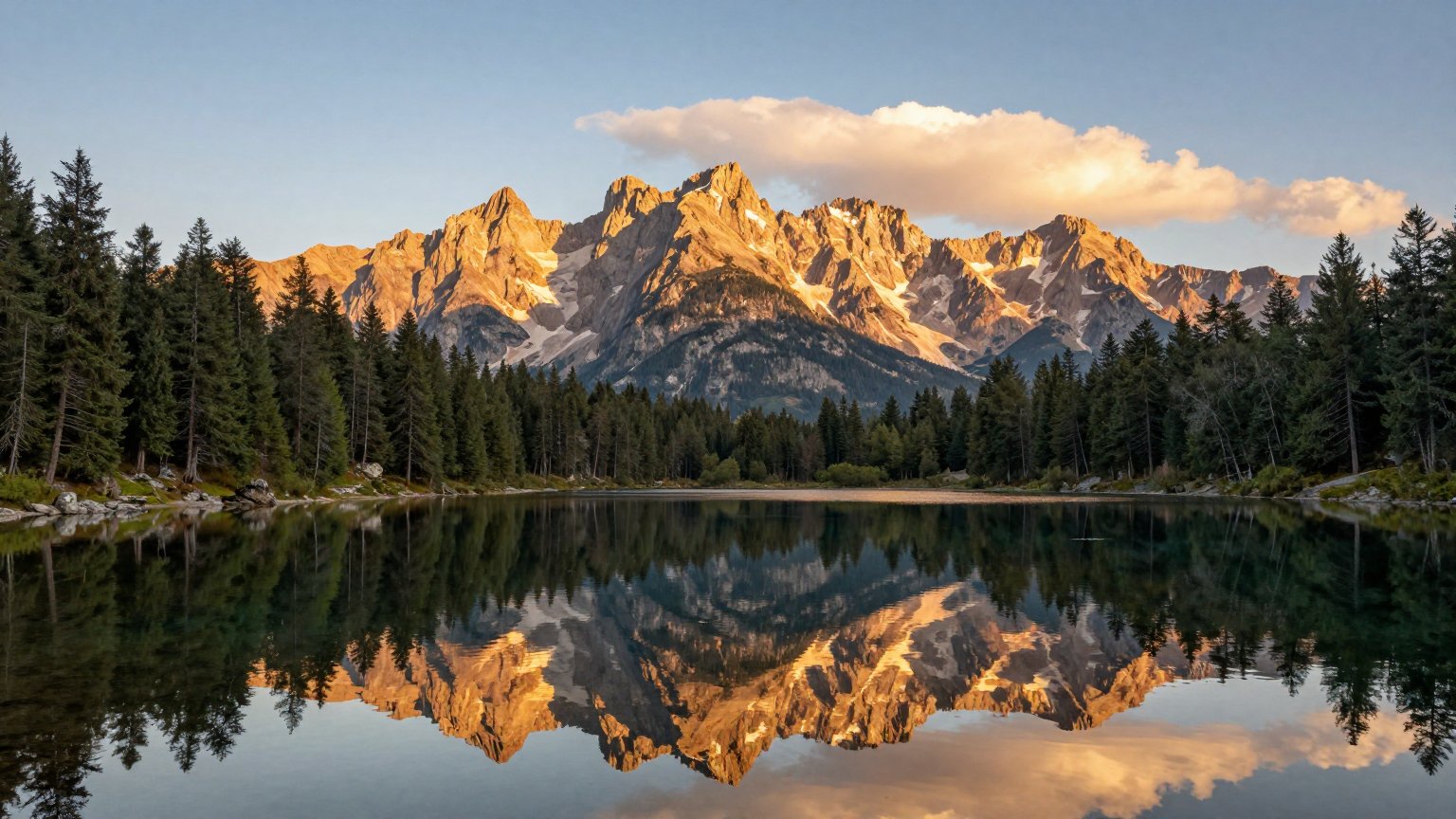
If you spend any time on social media, Havasu Canyon looks like a postcard—crystal blue water, towering red walls, and people lounging in turquoise pools looking completely relaxed. It’s easy to see why it’s famous, but I want to be clear: that footage usually skips the three miles of grit required to get there. For many beginners, the "adventure" is the hike itself, not just the destination.
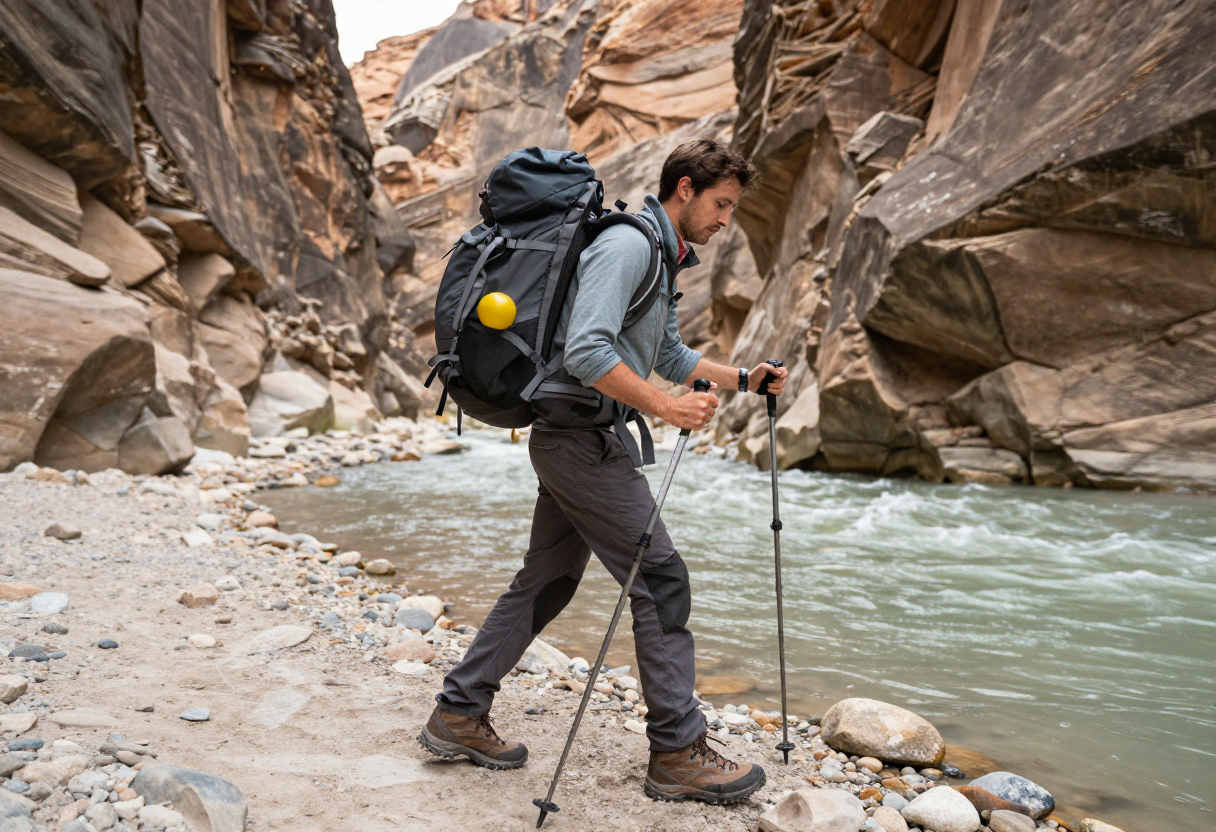
The reality of Havasu is a test of physical endurance and mental discipline. It isn't a casual stroll; it’s a high-heat, high-exertion trek through rugged terrain. I’ve seen plenty of people underestimate what this canyon demands from their bodies. When you are deep in the slot, the heat doesn't just sit on top of you—it wraps around you. If you aren't prepared for sustained physical discomfort and a demanding pace, the "magic" of the waterfalls can quickly turn into an exhausting ordeal. Success here depends on your ability to manage your energy levels before you reach those famous pools.
Packing Discipline: What your pack needs (and what it doesn't)
One of the biggest mistakes I see people make—especially when they are trying to "lighten" their load for a desert trek—is cutting corners on safety margins that actually matter. In Havasu, weight is an enemy, but dehydration and heat exhaustion are much bigger ones. You need to find a balance between carrying what you want and what you need to survive the canyon environment.
Essential Logistics
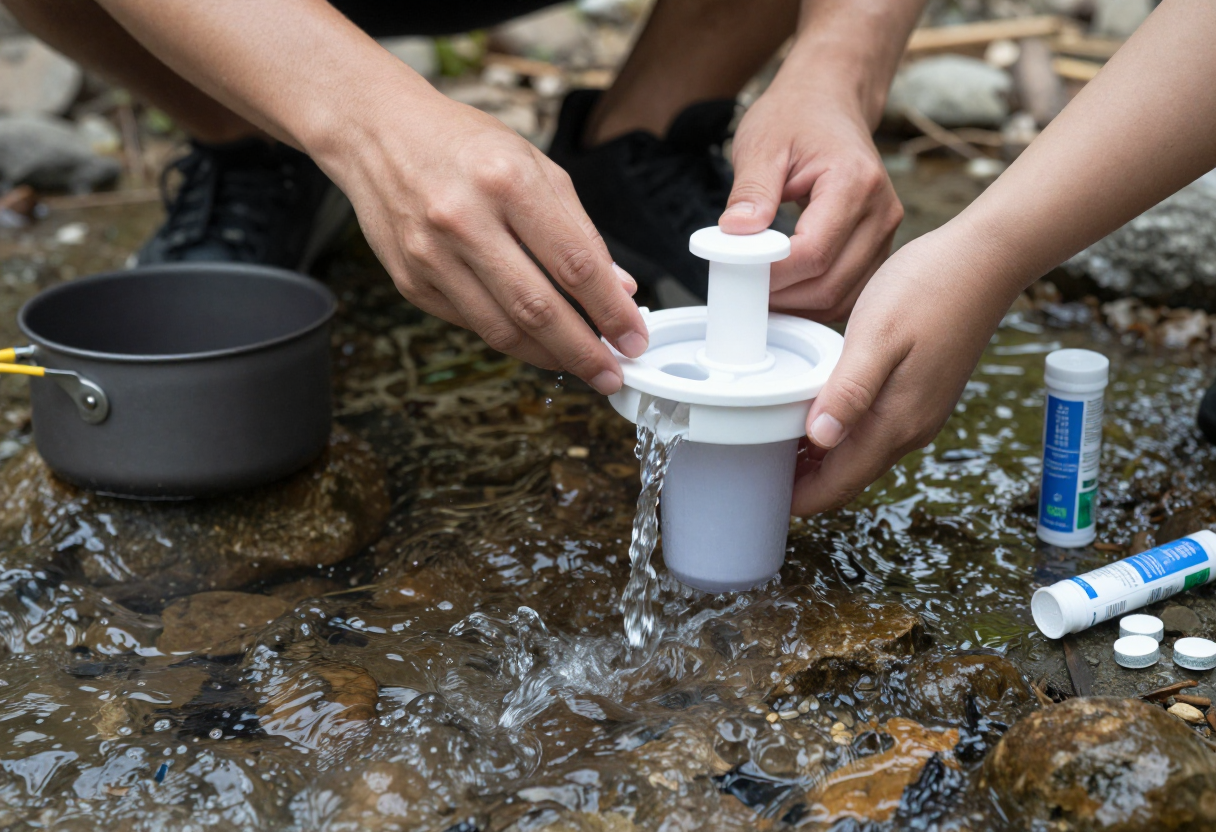
- Water Redundancy: You cannot rely on finding water easily once you're committed to the trek. Carry enough for your planned route, but have a reliable filtration system as a backup.
- Heat Management: This isn't just about "staying cool." It’s about moisture-wicking layers and head protection. A wide-brimmed hat is non-negotiable; it keeps the sun off your neck and face, which can be the difference between comfort and a heat headache.
- The Weight Tradeoff: Every ounce matters when you're climbing elevation in 90-degree weather. However, do not skimp on first aid or navigation tools. If you’re trying to save weight by leaving behind your bear canister (if required) or basic repair kits, you’re taking a risk that isn't worth the few ounces saved.
The Real Challenge: Confluence and Canyon Heat
The "confluence" is often where the logistics get complicated. Navigating the river crossings and managing the transition between different sections of the canyon requires more than just a map; it requires situational awareness. Depending on recent weather patterns, some crossings can be slippery or deeper than they look in photos. You have to judge the flow and the footing before you commit your weight to a step.
The heat is the silent factor that catches people off guard. In an open desert, you can often find a breeze. Inside the canyon walls, the air becomes heavy and stagnant. The sun reflects off the red rocks, creating an oven effect. This isn't just about "getting hot"—it’s about how your body reacts to sustained heat while carrying a pack. I've learned that watching for signs of heat stress in yourself and your partners is more important than keeping pace with everyone else on the trail. If you start feeling dizzy or stop sweating, the "adventure" needs to pause immediately.
Pacing and Safety Discipline on the Trail
In my experience—both in the Marine Corps and out on personal treks—the fastest way to ruin a trip is by trying to go too fast at the beginning. You want to establish a slow, steady cadence from the first mile. If you redline your heart rate early, you’ll pay for it three miles later when the elevation starts to bite.
Field Discipline Basics
- Hydration Schedule: Don't wait until you feel thirsty to drink. By then, you're already slightly dehydrated. Sip consistently. Treat hydration as a scheduled task, not an occasional action.
- Wildlife Awareness: You will likely encounter bighorn sheep in this area. They are majestic but can be unpredictable if they feel crowded. Give them plenty of space and keep your distance; no photo is worth a confrontation.
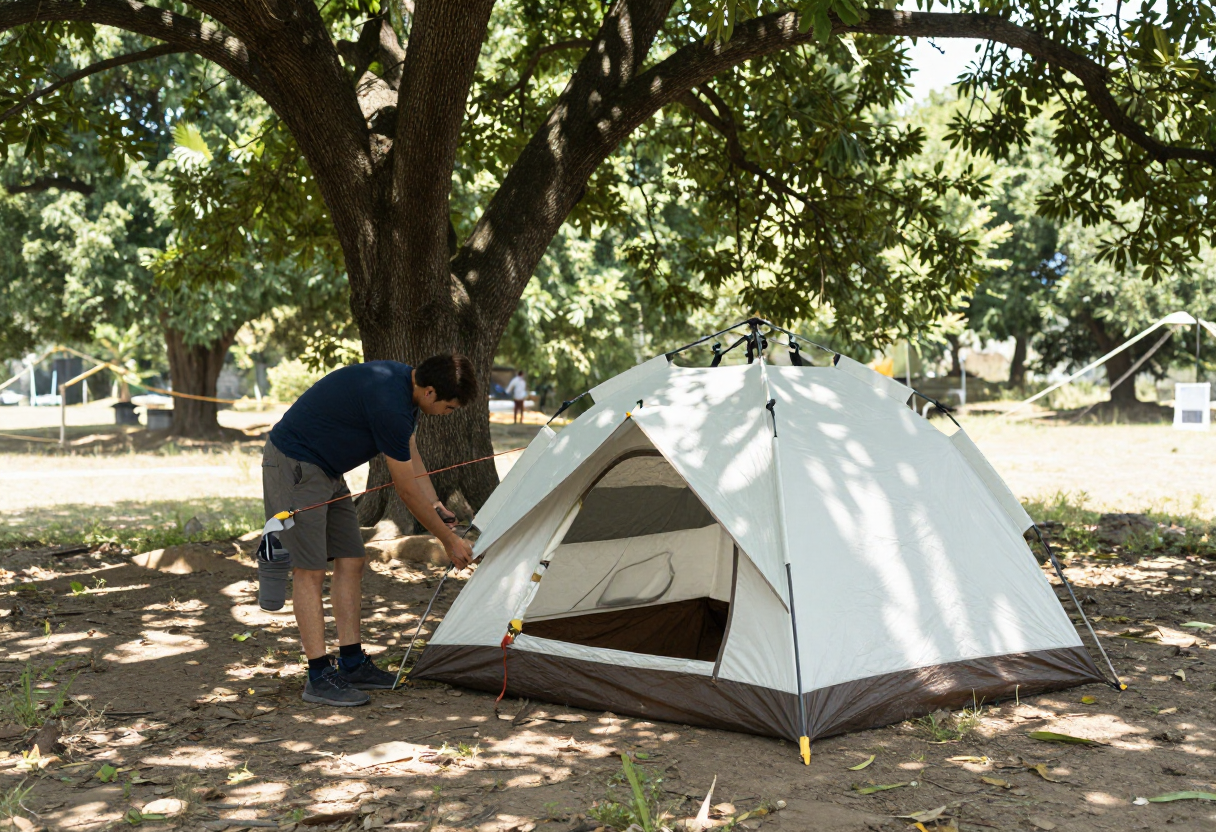
- Camp Organization: When you finally hit your campsite, don't just drop your pack and collapse. Get organized immediately. Set up your site, organize your food storage, and get your gear sorted while you still have the energy to do it efficiently. A messy camp leads to mistakes when you're tired at night.
Making it worth the effort
There is a specific kind of satisfaction that comes from navigating a wilderness challenge like Havasu Canyon successfully. It isn’t just about seeing the blue water or getting a great photo; it’s about the self-reliance you develop along the way. When you manage your pace, monitor your hydration, and navigate through the heat, you are building a toolkit of outdoor skills that will serve you on every other trip you take.
The reward is the knowledge that you can handle what the wilderness throws at you. It's about proving to yourself that you have the discipline to see a hard task through to the end. If you’re ready to start planning your logistics, I recommend starting with our Gear Finder Wizards to narrow down your essentials or checking out our guide library for more specific trekking techniques. For anything regarding permits and specific trail rules, always consult the official state wildlife agency pages via our State Resources link.
Inspired by Backpacker Magazine.
About the Author
David Rodgers is the founder and writer behind Country Trailhead — a Marine Corps infantry veteran, Civil Air Patrol colonel, and Eagle Scout based in Oklahoma, drawing on decades of field-tested hunting, fishing, camping, and hiking experience. Read more about David and Country Trailhead →