
Handling Wildfires and Wildlife on Long Treks
Long-distance trails are beautiful until they aren't. This issue addresses how fundamental outdoor skills apply when you face massive external disruptions like wildfire smoke or unexpected encounters with large predators.
Written by David Rodgers — November 8, 2026
The Reality Check: When the Plan Fails
One of the hardest lessons I’ve learned in the backcountry is that your itinerary is just a suggestion, not a contract with nature. You can spend weeks planning a perfect route, obsessing over mileage and elevation profiles, but a single shift in weather or an unexpected wildfire can render those plans useless in an instant. In my time in the Marine Corps, we lived by the idea of "mission accomplishment," but that didn't mean ignoring the reality on the ground. If the terrain changes or a hazard appears, you adapt your tactics to fit the environment, not the other way around.
A common mistake I see from folks just starting out is getting "married" to their original route. They’ll push forward into a situation that feels slightly off because they don't want to admit the plan has failed. That mindset is how people get into real trouble. You have to be willing to pivot. If the trail is blocked or the conditions are deteriorating, having the mental flexibility to say "we aren't doing this today" is just as important as knowing how to navigate a compass.
Dealing with Smoke and Closed Trails

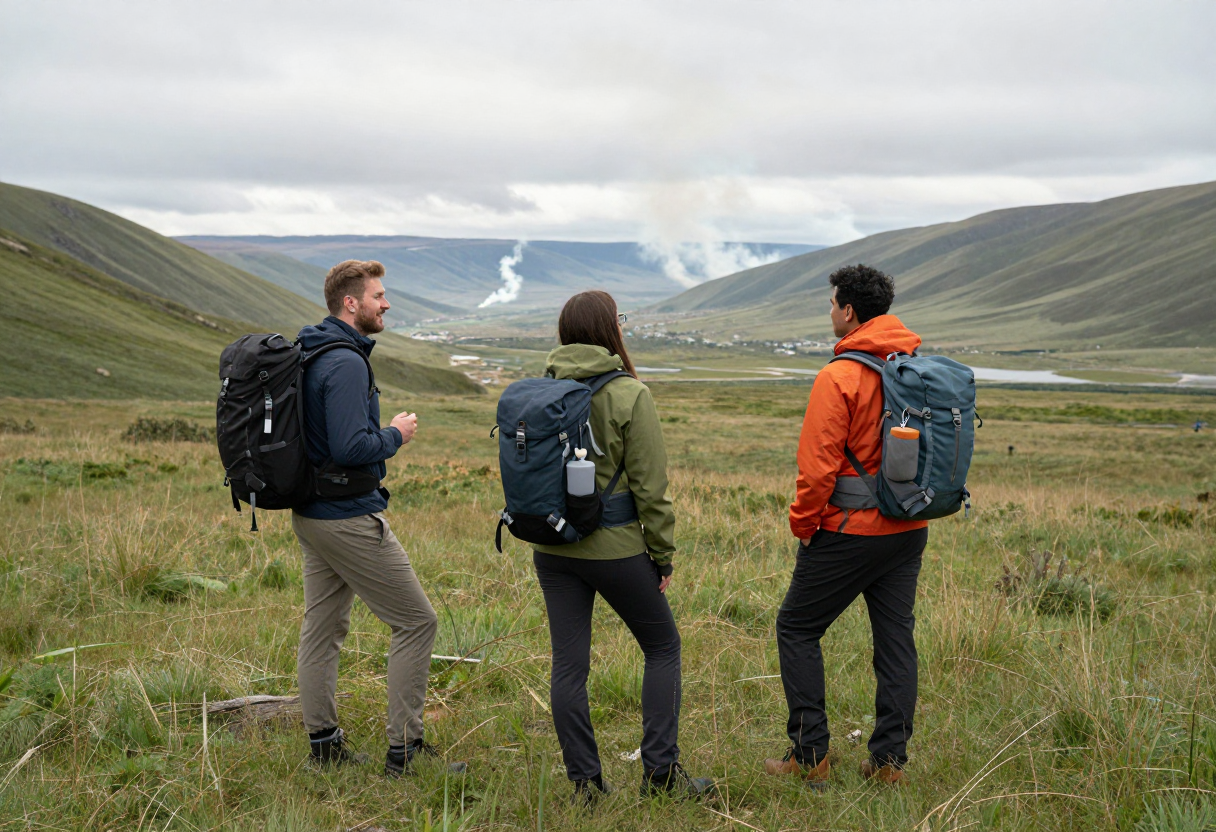
When you encounter smoke or official closures during a long trek, your priorities have to shift immediately from "reaching the destination" to "operational safety." Smoke isn't just an aesthetic issue; it affects visibility, air quality, and—most importantly—your ability to see hazards like drop-offs or oncoming traffic. If you find yourself in a hazy corridor where landmarks are disappearing, that’s your cue to slow down and increase your awareness of the immediate surroundings.
Regarding closures, I’ve seen people try to "shortcut" around them. It's never worth it. Closures are usually there for a reason: either to protect you from fire activity or to keep the way clear for emergency vehicles and firefighting crews. If a trail is closed, your first move should be to check if an official detour exists. If no safe alternate route is provided by the authorities, that’s your signal to turn back or find a different objective entirely. It feels like a failure of the trip, but successfully navigating a change in plans without any incidents is actually a win for your experience as an outdoorsperson.
The Big Wildlife Encounter: Safety Discipline First
When you're deep in the woods and come face-to-face with something large—a bear, a cougar, or even a bull elk—the biggest risk isn't usually the animal itself; it’s your own reaction to it. Panic is a physiological response that can lead to erratic movements, which are exactly what trigger an animal's predatory or defensive instincts. This is where safety discipline comes in. You need to remain calm and controlled.
I’ve seen how group dynamics can fall apart in these moments. One person might freeze while another tries to get closer for a photo. That lack of cohesion creates a chaotic environment that can escalate an encounter unnecessarily. As a group, you should have a pre-established "baseline" behavior: stay together, keep your voices low and steady, and maintain a respectful distance. The goal is to be seen as a non-threatening presence rather than a panicked prey item or a nuisance. Awareness means noticing the animal before it notices you—listen for breaking branches or heavy breathing—and if you do see them, give them the space they need to stay in their own lane.
Building Redundancy into Your Trip Plan
Experience has taught me that any system with a single point of failure is a gamble. When you're on a long trek, redundancy should be baked into your planning from the start. This applies to your gear, your navigation, and your communication. I don’t mean carrying three different GPS units; it means having overlapping ways to solve the same problem.
Communication Redundancy
Relying solely on a cell phone is a gamble that doesn't pay off in the backcountry. A satellite messenger provides a critical layer of safety by allowing you to send check-ins and SOS signals when towers are out of reach. It’s not about being "prepared for everything," it's about having a way to call for help if your primary plan hits a wall.
Navigation Redundancy
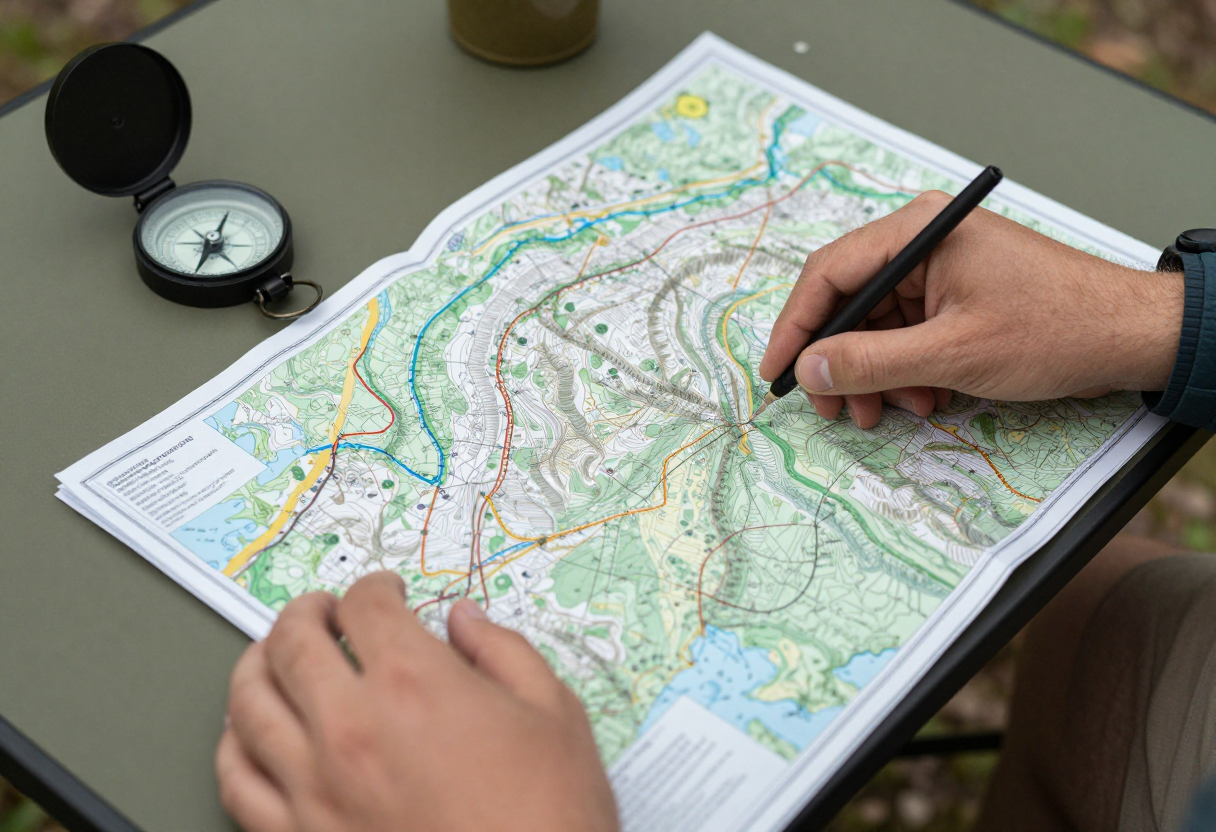
Even the best digital maps can fail due to dead batteries or software glitches. I always carry a physical map and a reliable compass—skills I sharpened during my Eagle Scout days that still hold up today. If your phone dies, you should be able to orient yourself without staring at a black screen.
Mental Resilience
Finally, there’s the mental side of redundancy. You need to have "Plan B" and "Plan C" already running in the back of your mind. When things go wrong—and they will eventually—you won't waste precious energy trying to figure out what to do next because you’ve already considered those possibilities before you left the trailhead.
For specific information on fire zones, trail closures, or local wildlife behavior, always check your state’s official wildlife agency website for the most current updates and regulations.
Inspired by The Trek.
About the Author
David Rodgers is the founder and writer behind Country Trailhead — a Marine Corps infantry veteran, Civil Air Patrol colonel, and Eagle Scout based in Oklahoma, drawing on decades of field-tested hunting, fishing, camping, and hiking experience. Read more about David and Country Trailhead →